Dermal Fillers Cheek: Boost Confidence, Enhance Beauty
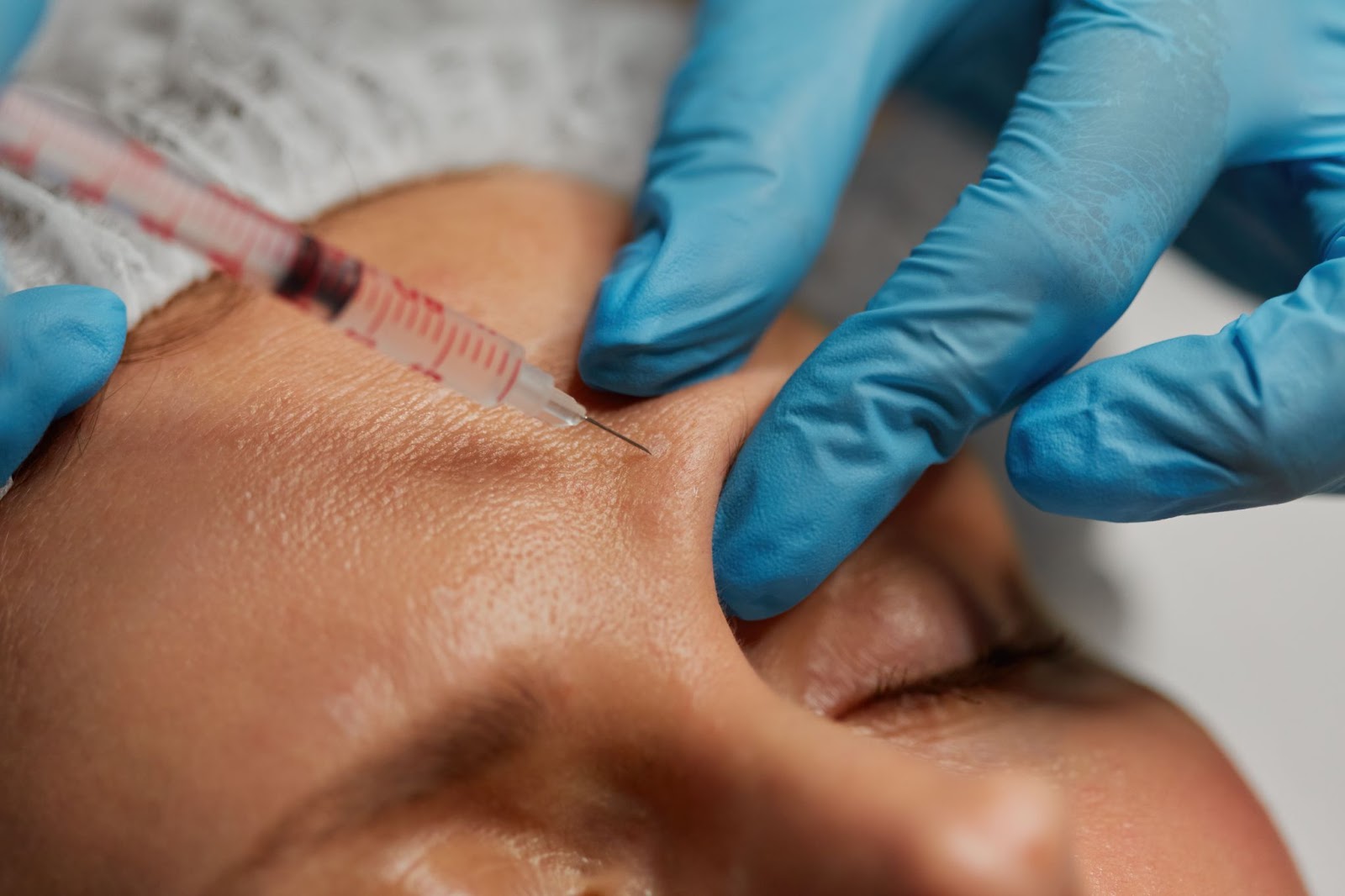
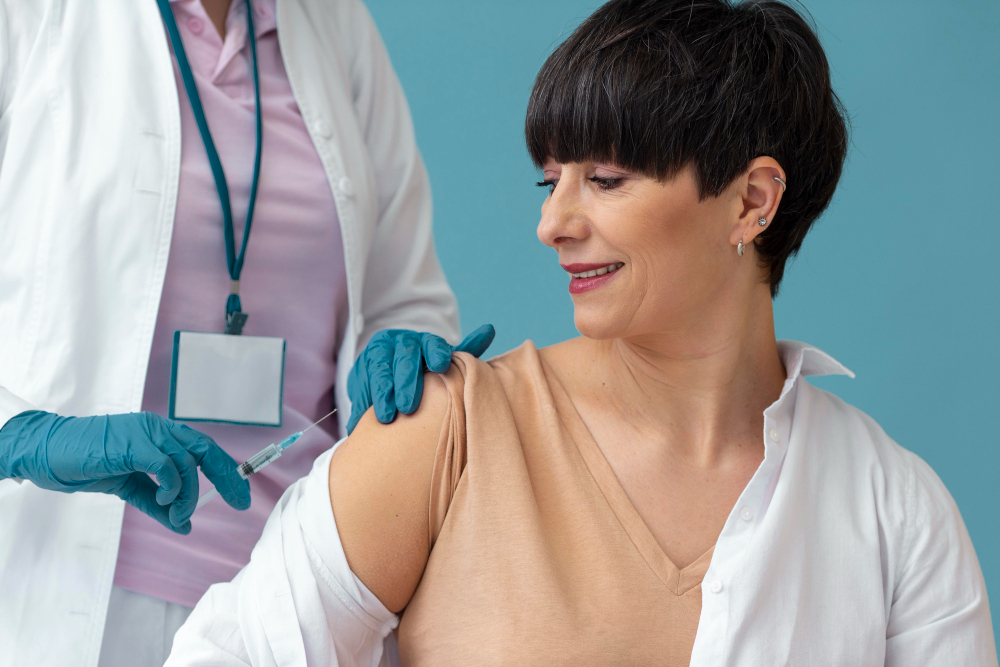
Dermal fillers are ordinarily used to work on the appearance and volume of the skin. They can reduce facial wrinkles and folds such as crow's feet and frown lines, plump up the lips and cheeks, restore lost volume to the lips and cheeks, fill in hollows under or around the eyes or nose, and smooth the area between the eyebrows vertical nasolabial folds. Do you know about the best derma fillers? Here, we will discuss the best guidelines for your needs and requirements to keep your skin bright and shiny. Filler treatments (sculpting, volumizing, liquid facelifts) are cosmetic dermatology procedures used to reduce the appearance of fine lines and wrinkles on the face and restore a more youthful appearance. It is an incredible treatment choice for those who need to take out the indications of maturing yet are hesitant to go through intrusive medicines like conventional facelifts. It fills facial areas prone to sagging to restore natural volume and fullness. While it does not provide permanent results, it offers a more accessible and safer way to look younger. Injectable dermal fillers are sensitive tissue fillers mixed into the skin at different profundities to fill facial kinks, provide facial volume, and enhance facial features. Most dermal fillers are temporary, as the body eventually absorbs them. For those who need cosmetic surgery, there is no more satisfying product and effect than the immediate correction of wrinkles or scars on the skin after injecting dermal fillers. Below are two pictures to show you the before and after comparison of patients who have injected dermal fillers. Dermal fillers can replenish lost volume and help restore a youthful appearance. They can also be used to reshape and contour the body.

Types of Dermal Fillers

The corrective fillers used to fix harmed tissues can be of various sorts. The most well-known kinds of dermal fillers incorporate.

Hyaluronic acid fillers

It is the most favored strategy, and the outcome lasts a few months to a year. Hylaform, Captique, Elevss, Juvederm, and Prevelle Silk are ordinary hyaluronic corrosive kink fillers. This kind of kink filler seldom brings about secondary effects like expansion, redness, and swelling in the infused region.

Collagen wrinkle fillers

These filters are produced using creature sources and have a higher pace of hypersensitive response. For that reason, sensitivity testing is expected before treatment begins. These infusions incorporate evolence, cosmoderm, zyplast, fibrel, zyderm and artefill.

Synthetic wrinkle fillers

This filler comprises substances arranged in the lab that are not tracked down generally in the skin. It has similar side effects to hyaluronic acid wrinkle filler but has a long-lasting effect.

Autologous wrinkle fillers

This filler eliminates fat from regions like the thighs, rump, and stomach. The fat is then infused into the face, or some other designated body part, and the impact of this filler endures for 12 to 12 years and a half. This treatment is more tedious and expensive than different techniques.

Given the patient's need, the beautician infuses a particular filler into the designated region. A few dermal fillers are available for individual use. However, intrigued competitors ought to counsel a beautician for constantly filling their facial lines. The beautician will evaluate the state of your skin and, concurringly, pick a restorative filler for facial line filling.

Temporary fillers 

It can live for about six months to 2 years and decompose naturally. It is highly safe and is very popular now, such as hyaluronic acid (HA) fillers, which Thai people are very familiar with. The advantage of temporary fillers is that they can degrade and be repaired when damaged.

Semi-permanent fillers

It can last about 2-5 years, 2-5 years longer than the first filler. This type of filler is not allowed in London because the post-treatment side effects are more difficult to resolve than with temporary fillers.

Permanent fillers

There are silicone or paraffin fillers that are injected and remain in our skin layer. Doctors do not usually recommend injecting permanent fillers because they may not be completely removed if you want to remove them, which may cause long-term damage to the body.

Recovery from Dermal Fillers Cheek
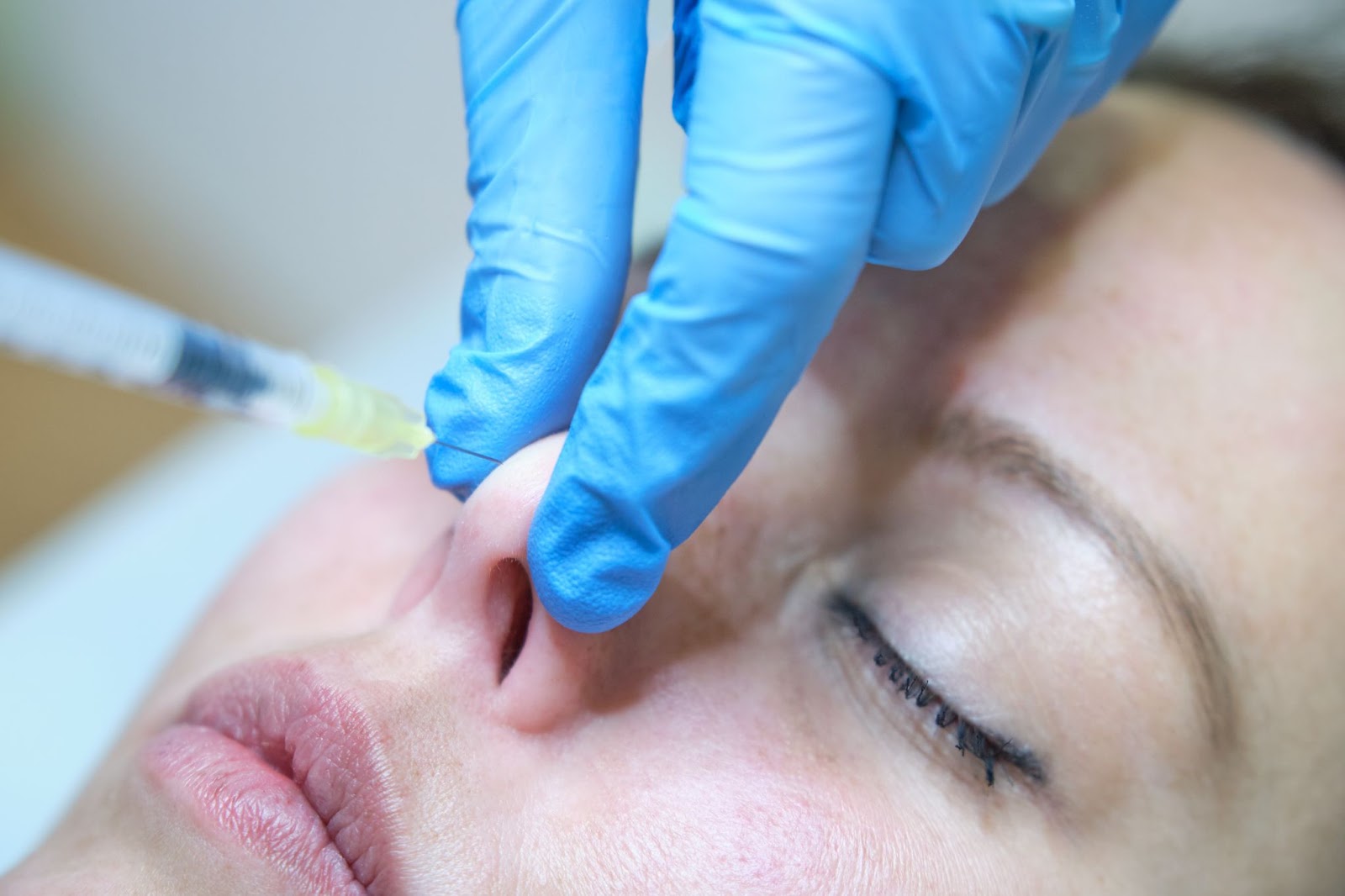
You might encounter a little enlarging soon after the corrective filler's infusion. Notwithstanding, the enlarging dies down in under 48 hours. The methodology only requires up to 30 minutes, and the patient can leave the facility shortly after the treatment.

One can return to day-to-day exercises as facial line-filling margin time is right around nothing. No recuperation time is expected after dermal filler treatment, and you can return to doing everyday exercises immediately.

Facial line filler's secondary effects, such as swelling, torment, redness, expansion, tingling, and vision changes, can be avoided if specific focuses are considered. For instance, ordinary sunscreen utilization after the treatment is an unquestionable requirement. It shields the skin from future harm and forestalls post-fiery color changes.

Types of Injectable Fillers 

Dermal fillers come in many types and forms and are made with different ingredients to suit different skin conditions. The most common types used by experts include:

Hyaluronic acid, or HA 

These are the most common types of fillers widely used in the U.K. The main ingredient in these injectables is hyaluronic acid, a substance that some of these substances occur naturally in the body.

Hyaluronic acid fillers are versatile; doctors may recommend them to treat worry lines, crow's feet, and smile lines. The applications of these fillers aren't limited to improving skin texture, either allowing them to reshape your lips or eliminate scars. 

In terms of the longevity of the results, according to a study published in NCBI.

Some well-known brands of hyaluronic acid fillers are

·         Juvederm

·         Preville

·         Hyaluronic Acid

·         Belotero Balance

Calcium Hydroxyapatite or CaHA

CaHa injectable dermal fillers resemble natural minerals found in human bone. They can add volume to cheeks, plump up nasolabial folds (deep lines running from nose to mouth), and plump up wrinkles. 

Although anyone can obtain these fillers, vegans prefer them because they are a synthetic process and do not contain animal ingredients. In addition to the ethical benefits, this cosmetic filler reduces the chances of allergic reactions. CaHA fillers are believed to be safe and produce natural results. However, there needs to be more consensus that their results last only briefly; high-quality dermal fillers like Radiesse can provide results for ten to twenty months. 

Polymethyl methacrylate or PMMA

If you have moderate to deep lines and wrinkles that can't be treated with HA dermal filler injections, your doctor may recommend PMMA. The results provided by these cosmetic fillers are semi-permanent, and you won't have to go back for multiple treatments as often. The most widely used PMMA brand is Bellafill, which can help you treat depressed scars, acne, nasolabial folds, and a variety of lip problems. Since the results of polymethylmethacrylate have better longevity, doctors will perform a fair number of injections to help you achieve the desired results. Some practitioners on Long Island use PMMA with "threads," a method of hiding injection marks. 

Poly-L-lactic acid or PLLA

Signs of aging appear when your skin loses the ability to produce collagen. PLLA injectable filler treatment addresses this problem by naturally stimulating collagen production. The biodegradable filler dissolves in your body after a few days, but the results can last up to 24 months. Because it triggers collagen, you may need multiple injections of dermal fillers to stimulate the effects before you achieve your desired cosmetic result. Long Island's renowned practitioners often use these cosmetic fillers to treat various cosmetic disorders, such as smile lines, thin lips, and nasolabial folds. The most commonly used brand of PLLA filler is Sculptra, which is famous for its unique properties. However, the results take longer to show, but they last longer, so there is no need to repeat the injections every few months. 

What is the recovery time after a cosmetic filler procedure?

Recovery time is usually short but varies from patient to patient. Full recovery requires one to two days, and you can return to your customary timetable after getting the immunization.

Many people plan their restorative filler treatment around noon and return to work quickly a short time later. Corrective fillers have fewer limitations, yet you should avoid demanding activity or perspiring until the filler has entered the skin and the swelling has died.

What are the advantages of dermal fillers cheek?
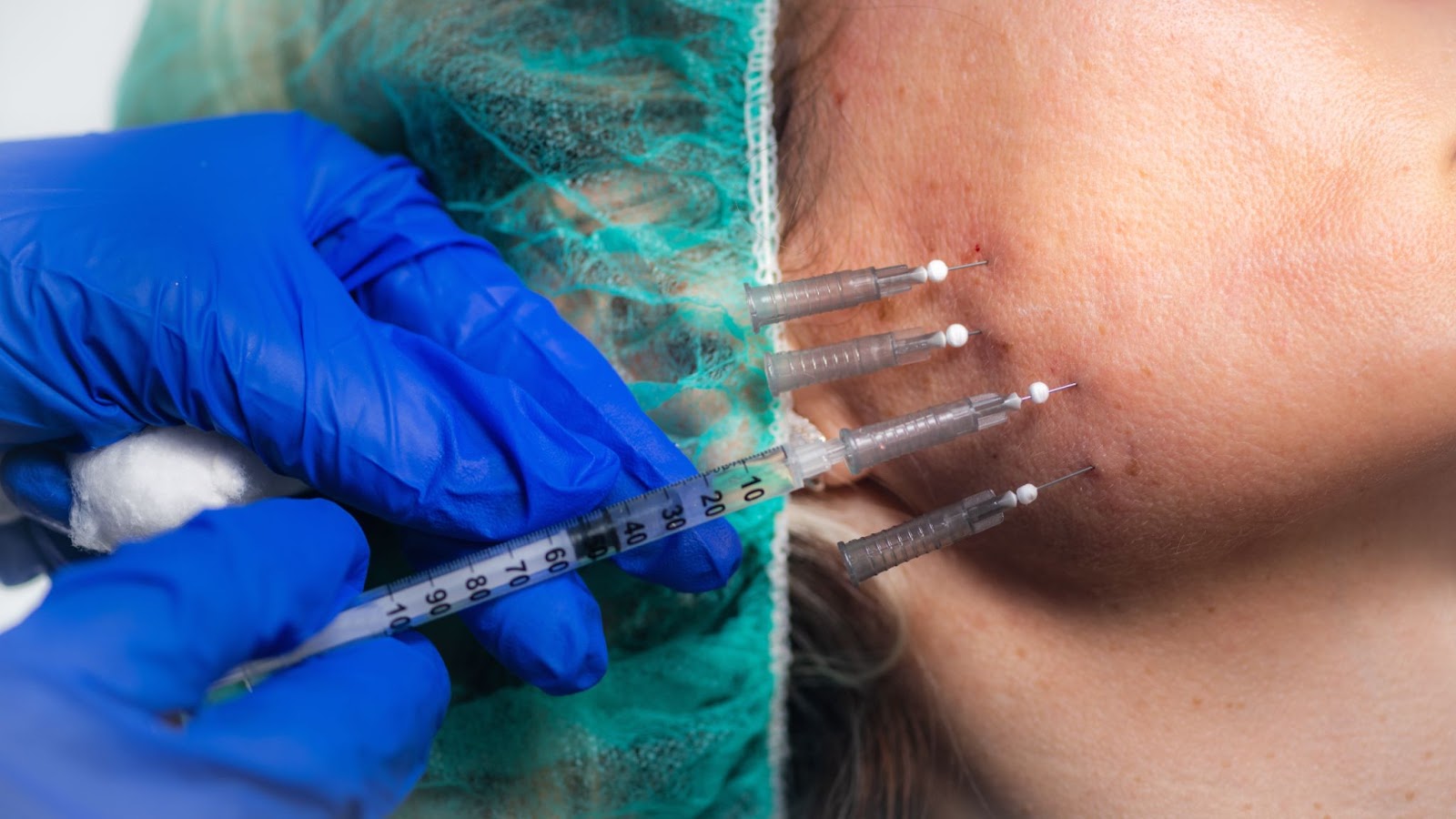
dermal fillers cheek

Restorative fillers are an ideal way to build up your skin, smooth out wrinkles, and reestablish the volume and average brilliance. But there are even more benefits you may need to learn about. Here are some of the unique benefits you get after receiving filler injections. While most cosmetic treatments, such as anti-wrinkle injections, can take days or weeks to work, dermal fillers can provide immediate results. While the initial results may not be dramatic, they will improve quickly to enhance your appearance. If you want to upgrade your skin for an impending occasion, restorative fillers can help you achieve the skin you want to flaunt. The risks of dermal fillers are minimal because the procedure is non-invasive. A doctor uses a needle to inject the substance into your skin to reduce scarring and pain. Patients rarely experience severe side effects after treatment, which further reduces downtime. When you choose Revitalise London Dermatology Clinic for your cosmetic filler treatment, the skilled practitioners will provide you with natural-looking facial symmetry. Contact us today for an initial consultation and to schedule your appointment.  The life span of the outcomes, for the most part, relies upon the sort and brand of filler.

Nonetheless, studies have demonstrated how these outcomes can last six years and a half if appropriately kept up. When you usually pick dermal fillers to develop your skin further, you get to pick how long you believe the outcomes should endure, and the expert will suggest the filler given this. No recovery time required 

If you are a regular at your favorite clinic, you can get the skin injectable procedure done in fifteen minutes. Restorative fillers are harmless, meaning no arrangement or medical procedure is required. Also, the procedure does not require you to stay in the hospital for hours; you can fit the appointment into your schedule anytime. If this is your first time going under the needle, expect slight swelling, but it will disappear within a few days. 

In addition to improving the appearance of your skin, hyaluronic acid and other natural ingredients in cosmetic fillers can soften scar tissue around the injection site. If you have acne or another condition that leaves scars, dermal fillers may help. Only a board-certified practitioner can decide whether cosmetic fillers can conceal your scars. Additionally, some skin issues, such as crow's feet, are challenging to treat with fillers alone, and your doctor can use a combination approach to give you faster, longer-lasting results. Regardless of the stage of your skin condition, a medical professional can adjust the dose of filler to meet your goals. Plus, dermal fillers come in various formulas, including collagen, hyaluronic acid, and calcium hydroxyapatite, so there's a filler for almost everyone.

Risks and complications of cosmetic fillers 

The non-invasive nature of dermal fillers dramatically reduces the risks and complications. However, there is a small room for risk, especially if the filler is administered by an uncertified practitioner or without assessing the patient's skin condition. 

Inconveniences can go from draining to agony and expanding. These incidental effects are transitory and can be made do with non-prescription drugs.

Important Tips

If you experience any side effects after using dermal fillers, be sure to tell your doctor. Please do not take any medication without the knowledge of your medical professional, as it can affect the results. 

Who Should Avoid Dermal Fillers Cheek?
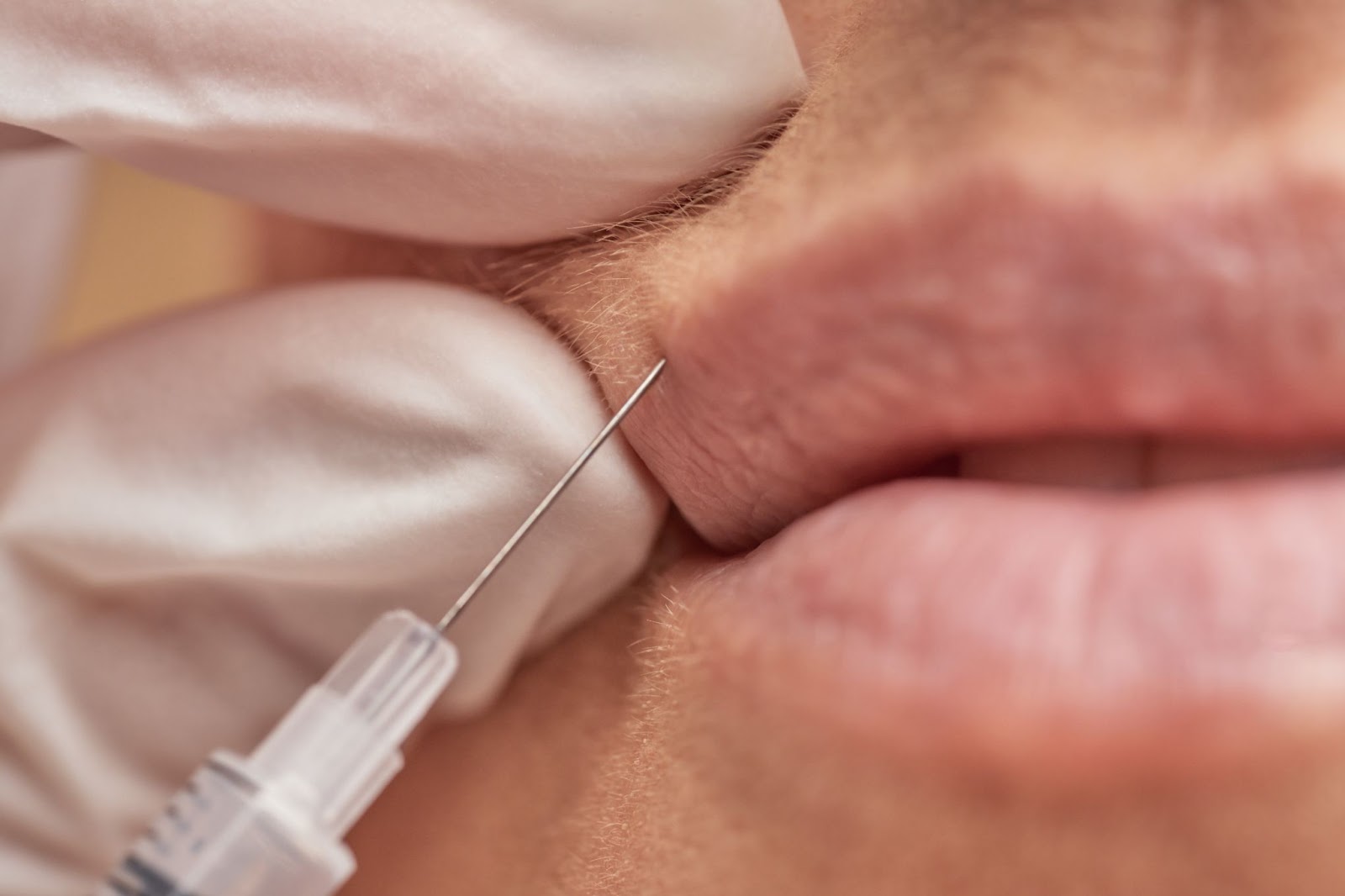
dermal fillers cheek

Although these fillers are generally protected, they are inadmissible to everybody compared to other corrective facial infusion systems. Here are some conditions that make you a poor candidate for this procedure:

·         Pregnant 

·         Lactation 

·         Autoimmune diseases 

An inside and out counsel with an expert medical care professional can let you know whether you ought to go through dermal filler therapy. In addition, you can treat the underlying condition or wait until you are done breastfeeding to use fillers to enhance your beauty.

Frequently Asked Questions

Can Derma filler improve skin quality?

The Derma Filler can lift patients' skin with wrinkles, folds, or sagging.

How does beautification help?

Dermal fillers can solve many issues, including physical signs of aging and other complaints. Whether you want to fight wrinkles or add contours to your face, fillers are a great answer. Always contact a dermatologist or technician before undergoing any procedure to ensure it suits your skin.

What happened before?

Before surgery, your surgeon will schedule a consultation to assess your condition and determine your surgical goals. You should avoid taking anti-inflammatory pain medications that thin the blood, as they can build the gamble of expanding, swelling, and draining after a medical procedure. During your consultation, bring up any medications you are currently taking so we can advise you on possible conflicts.

What happens after?

When having cheek fillers in London, your specialist will utilize a skin desensitizing cream to limit torment during the technique. While patients do not usually feel pain after the procedure, some may experience slight soreness and minor bruising near the injection area. However, this is nothing to worry about, as an ice pack can reduce swelling and redness.

How do you do a derma filler appearance?

Dermal fillers can do for your appearance, particularly while battling the indications of maturing.

Common Areas for Dermal Filler Use and What to Expect

Areas of the body where dermal fillers are used include:

  • Hands
  • Hips
  • labia majora.
  • Dermal fillers can be injected under local anesthesia or sometimes without anesthesia, as some fillers contain lidocaine.

Achieve your aesthetic goals with the London Dermatology Clinic 
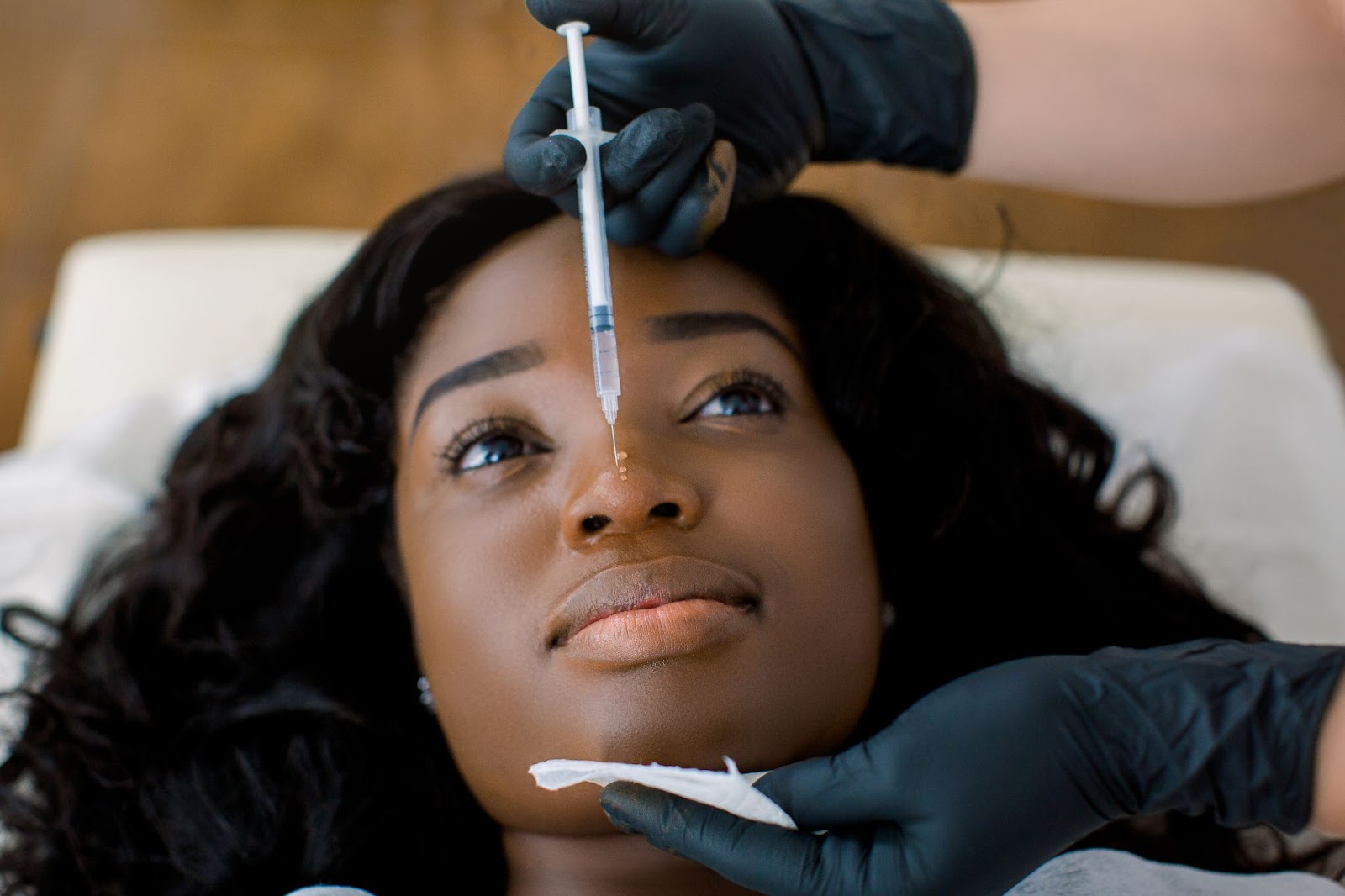
dermal fillers cheek

If you're fed up with utilizing oils and salves to switch the indications of maturing, restorative fillers are an extraordinary choice. They are minimally invasive, safe, and have few side effects, making dermal fillers perfect for correcting crow's feet, deep wrinkles, and various skin concerns. 

At Revitalise London Dermatology Clinic, we assess your skin condition entirely to help you understand whether fillers are appropriate for you and how they can improve your appearance. Our board-ensured specialists have long experience with injectables, and we utilize premium fillers to deliver enduring outcomes. Our Long Island facility is a truly world-class center where your vision of rejuvenated and supple skin becomes a reality.

Are you interested in cosmetic filler treatments? Visit us at Revitalise London Dermatology Clinic, 22 Harley Road, Maryleb and Westfield Mall, Stratford.

Conclusion

Ordinarily alluded to as dermal fillers, these delicate tissue fillers are substances infused into the dermis layer of the skin to reestablish the presence of barely recognizable differences and kinks while working on facial shapes. Fillers are a famous restorative system for individuals who need to work on their appearance without complex medical procedures. There are many cosmetic fillers, and their content usually depends on their intended use. Generally speaking, most dermal fillers contain hyaluronic acid, collagen, and calcium hydroxyapatite because they are safe for the skin. Unlike other methods, restorative filler medicines can be performed by a doctor in a short-term setting or at a medical spa, which reduces downtime. The procedure is relatively quick and painless. Additionally, patients can expect immediate visible results that can last for months.
Read more...

Say Goodbye to Verruca with These Verruca Removal Methods

Do you need help with stubborn verrucas? The complex, tiny lumps on the bottoms of your feet can cause pain and unsightliness, making daily tasks challenging. However, relax—Revitalize London is available to assist! The human papillomavirus (HPV) is the source of verrucas, a form of Verruca that often occurs as small, expanded, rough lumps on the foot. Regaining comfort and confidence after verruca therapy requires effectual procedures.

Verruca Removal Methods

You're not alone if you've ever wondered, "How to get rid of verrucas?" or "What does a verruca look like?" Many people look for efficient methods to get rid of verrucas. At Revitalise London, we provide a variety of services that are customized to fulfill your needs. Our experience encloses conventional and advanced techniques, such as dermal fillers, to treat even the most tenacious verrucas effectively. Regardless of the number of verrucas on your foot, our staff is committed to providing you with the best treatment possible. Take the first step towards smooth, healthy feet by contacting us to arrange. Your consultation is important, and stop allowing verrucas to hold you back.

What is Verruca?

Verruca, commonly called plantar Verruca, can be irritating and painful. Luckily, there are a lot of care options that can assist you in eliminating Verruca and saying goodbye to this bothersome issue. This article will explain Verruca, including its definition, appearance, and developmental stages. Plantar Verruca, or verrucas, is a common skin disease caused by the human papillomavirus. Usually, on the bottom of the foot, this tiny skin tearing allows this virus to enter the body. However, the size and appearance of this Verruca can vary; they usually have a rough, grainy texture with tiny black specks in the center.

Why does Verruca appear?

Verruca is reasoned by the human papillomavirus (HPV) and is transmitted by direct contagion, by touch, and when there is a wound through which the virus is introduced. In the case of genital Verruca, they are caused by sexual contact. They can take between 2 and 6 months to appear after contact with infected skin. Although they are more common in children and adolescents, they can occur at any age.

How to get rid of a verruca? How do you get rid of verrucas overnight and dying verruca holes? These are some queries that are pumping into the mind of the person. Here, we will discuss it and other related topics. Some people are more likely to develop them than others. They often occur in people with weakened immune systems. So, eating a varied diet rich in fresh fruits and vegetables is essential to have the antioxidants necessary for the proper functioning of our immune system. Processed foods should also be avoided whenever possible.

Verruca can also appear as a result of stress or hormonal changes, being overweight, or having diabetes. It is important not to touch or scratch Verruca to avoid spreading them to other body parts or infecting others.

What Does a Verruca Look Like?

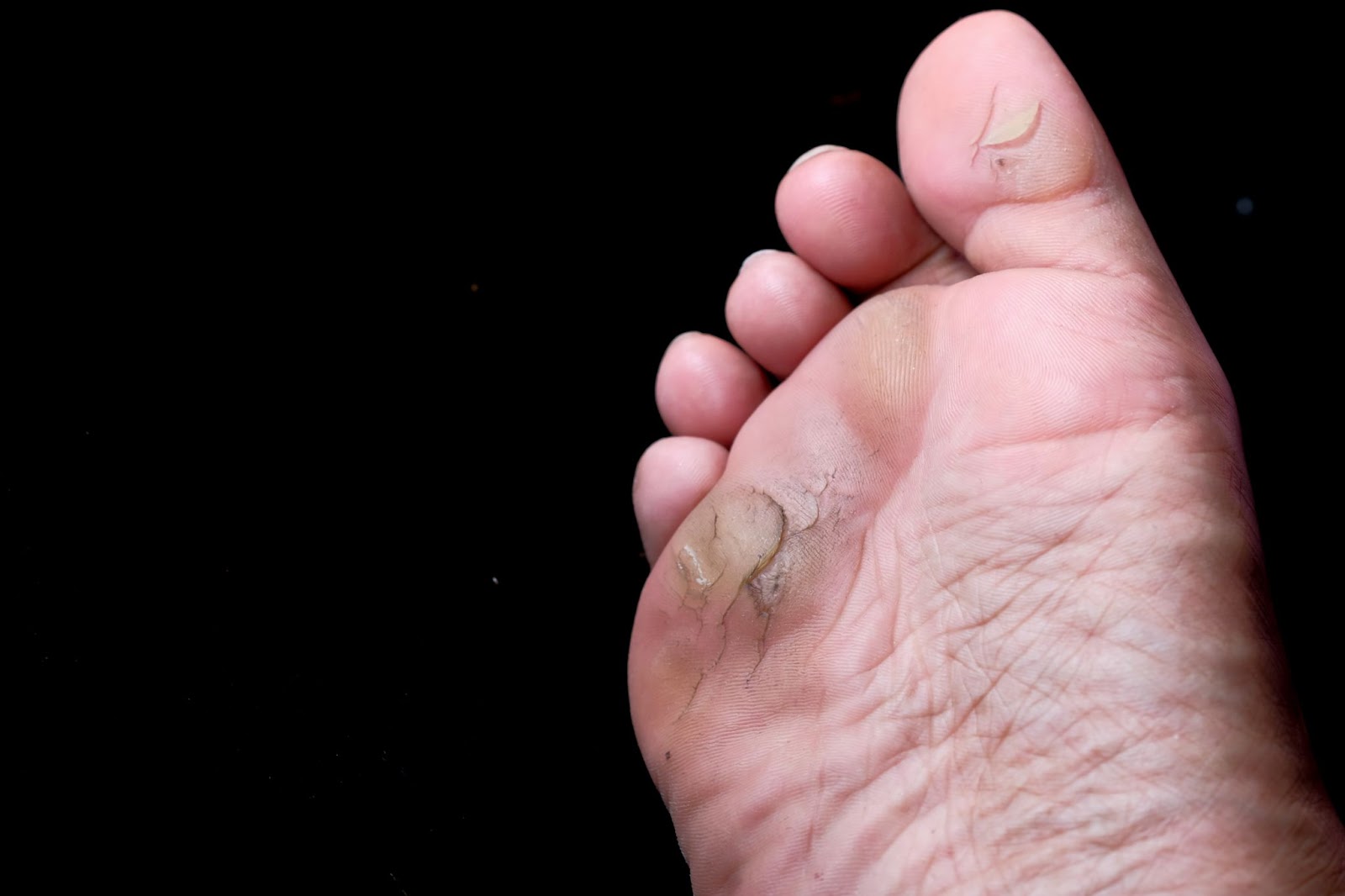
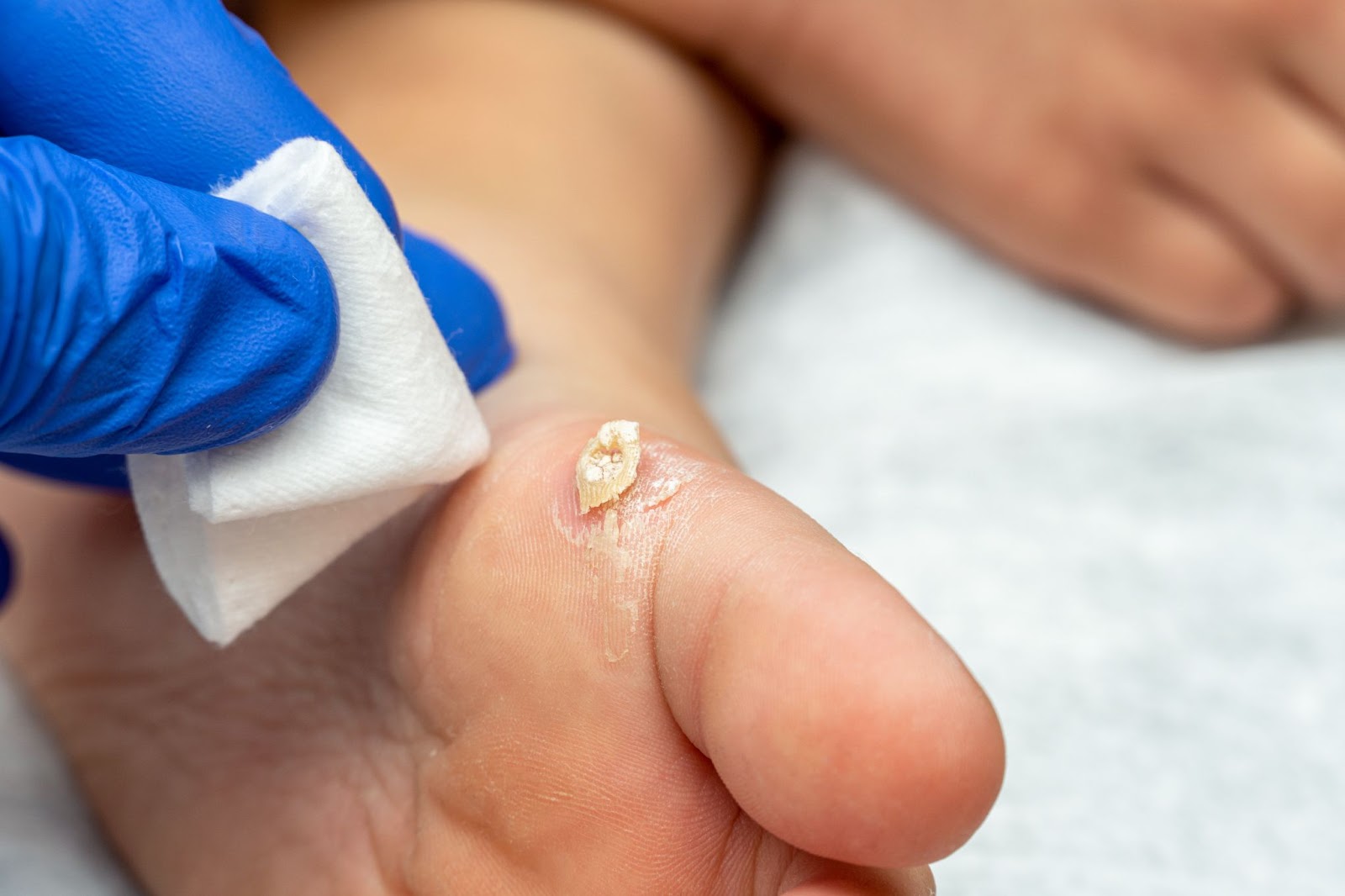
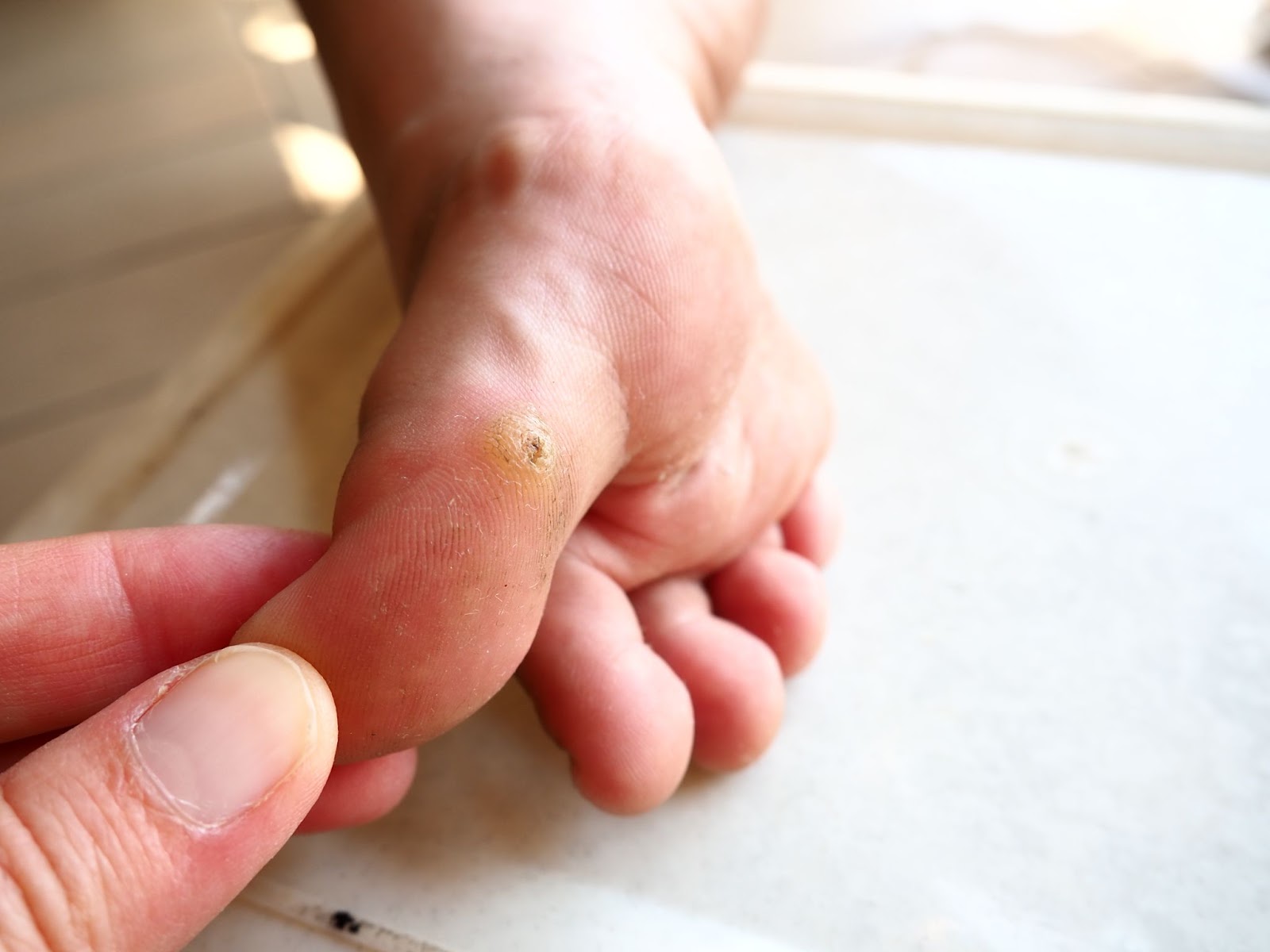
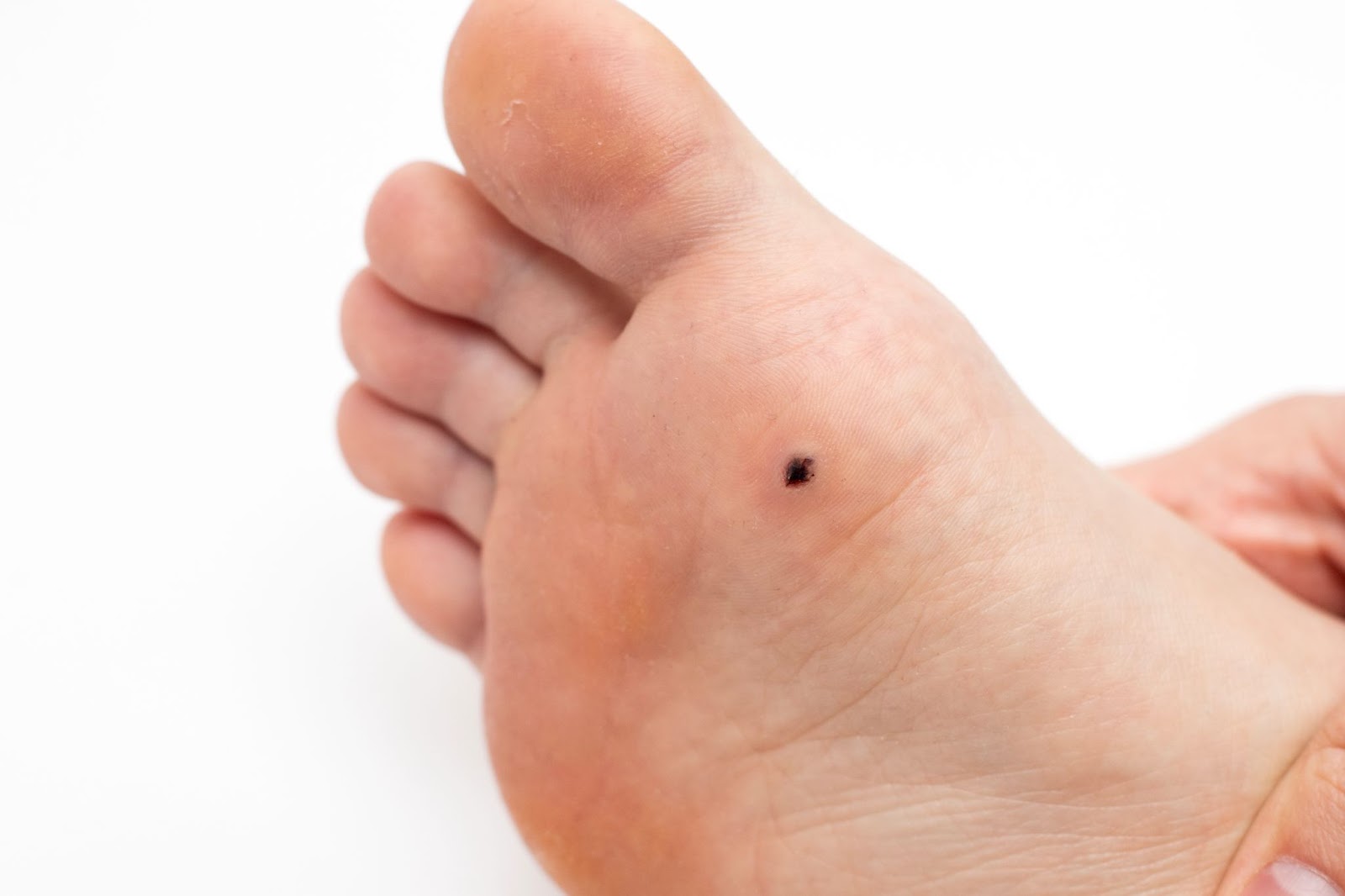
A verruca appears as a small, raised bump on the foot. It is typically deeper or flesh-colored, with a rough, harsh texture. It may resemble a cauliflower or even have very little black dots on it, which are tiny vessels of blood that feed the Verruca.

Verruca Stages

Understanding the Growth of a Verruca Before it finally resolves, a Verruca goes through various stages of growth. A verruca may initially appear small but grow and develop a rough surface over time. The Verruca may begin to take on little black specks as it grows; these blood vessels carry nutrition to the Verruca.

Causes of Verrucas

The human papillomavirus, which enters the body through tiny skin cracks, is the cause of verrucas. Many kinds of factors can make you more likely to have verrucas, such as: 

·Walking barefoot in public zones like swimming pools and bathrooms in public

·-Sharing personal objects, like shoes or towels, with someone who has verrucas;

·-Having a weakened immune system due to certain medications or conditions.

Treatment Options for Verruca Removal

There are many possibilities for treating verrucas. The following are a few typical verruca treatment options:

·Over-the-counter medications: Salicylic acid or other ingredients are present in various medications to assist in removing Verruca.

·Professional treatment: You might need medical help if treatments don't work. 

Eliminate Verruca

There are different methods for getting rid of Verruca from the skin. The choice of one method or another should consider factors such as the patient's age or size, the location of the Verruca, and the type of Verruca.

Cryotherapy is one of the most common methods. This involves freezing the Verruca with liquid nitrogen or solid carbon dioxide and causing it to reduce within a few days—topical medications rooted in salicylic acid and trichloroacetic acid. Bichloroacetic acid is also used to remove the keratin layers of the Verruca.

One of the best options, very effective and safe, is using a CO2 laser, especially for skin tags. This removes verruca from the neck and face or genital verruca.

How to remove Verruca in home remedy

Many grandmother's remedies are known to make Verruca disappear. Here is a list of these home remedies. These have not scientifically demonstrated their effectiveness, but they can be "tried" as a first intention for standard and shallow Verruca. Do not be shy to seek medical advice before any self-medication.

How to remove a Verruca with lemon?

Lemon has an antiseptic action and can be combined with white vinegar for greater effectiveness. Mix 2 part lemon juice with 2 part white vinegar and apply to the Verruca without going beyond the affected skin area. Cover with a bandage, leave to act overnight, and repeat the operation every evening until the Verruca comes off.  

How to remove a Verruca with garlic?

Garlic is a potent antiviral that can be used to remove a Verruca. Crush a clove of garlic and apply this paste to the Verruca, trying not to spill onto healthy skin. Cover with a bandage and leave to act overnight. The next day, rinse and clean with a mild soap. The operation must be repeated until the Verruca completely disappears.

Apple cider vinegar against Verruca

Apple cider vinegar is a grandmother's remedy cited for treating Verruca. It softens the skin and thus weakens the Verruca. It is necessary to boil 160 ml of cider vinegar for 6 minutes, let it cool, then soak a cotton ball with it before applying it for 5 to 8 minutes on the Verruca. This method must be repeated every day until the Verruca disappears.

The plaster technique against Verruca

The plaster technique is straightforward and non-aggressive. To do this, put an occlusive dressing (waterproof and airtight) on the Verruca as if to suffocate it. The dressing should remain applied for a week. Then clean the Verruca and leave it in the open air overnight, then repeat the operation for a week. If, after eight weeks, the Verruca is still there, it is recommended that treatment be changed and a specialist is consulted for appropriate treatment.

Onion to fight Verruca

Onion is a potent antiviral, antibacterial, and antiseptic. To apply this home remedy, cut an onion in half, place coarse salt on the cut part, and leave it for several hours until the onion releases its substance. Apply this juice to the Verruca twice daily until healthy skin is obtained.

Aloe vera to treat warts.

Aloe vera is a plant rich in salicylic acid, which promotes cell renewal. Apply organic aloe vera gel or stem pulp to the Verruca once or twice a day until the Verruca is eliminated.

Types and causes

Verruca are common skin growths that can affect someone regardless of age, gender, or health status. They are caused by the human papillomavirus (HPV), which infects the upper layer of the skin and causes it to increase. Verruca is harmless and painless but can be bothersome or interfere with daily activities. Some people may also experience itching, bleeding, or inflammation around the Verruca.

There are many types of Verruca, each with its own appearance, location, and treatment options. Some of the most common types are:

Common Verruca

These are rough, raised bumps that usually appear on the hands, fingers, elbows, or knees. They may have black spots on their surface, which are tiny blood vessels. Common Verruca are often spread through direct contact with the skin or objects touched by a person with warts.

Plantar Verruca

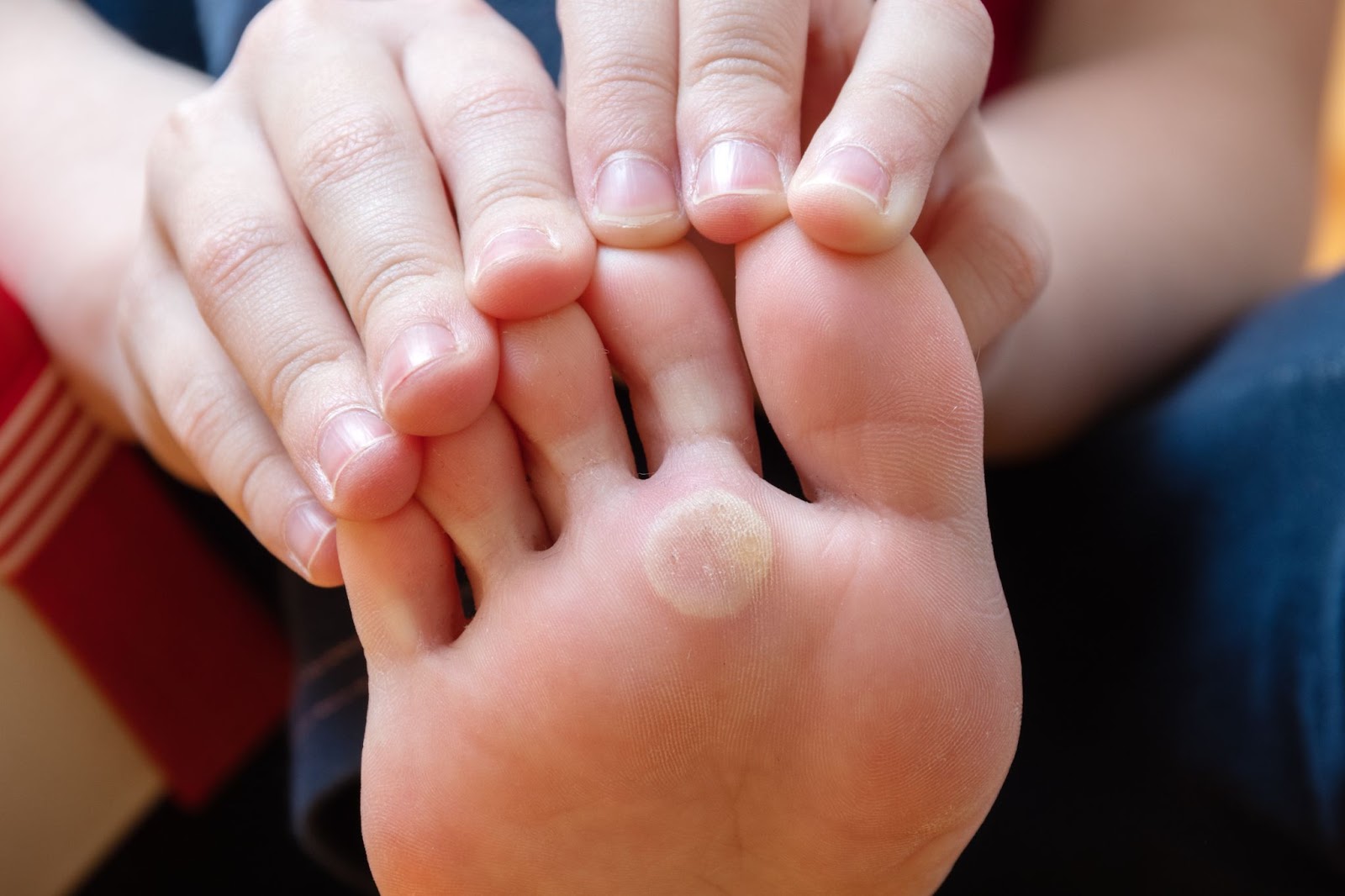
These are hard, flat, or grainy growths that generally appear on the soles of the feet. Because they are pressed against the skin, they can be very uncomfortable when walking or standing. Plantar Verruca is often found barefoot on damp or contaminated surfaces, such as locker rooms, showers, or swimming pools.

Flat Verruca

Small, smooth, or slightly raised bumps usually appear on the face, neck, arms, or legs. They can be pink, brown, or yellow. Flat Verruca are often spread by shaving, scratching, or rubbing the skin.

Filiform Verruca

These long, thin, or finger-like projections usually appear on the face, especially around the eyes, mouth, or nose. They can be skin-colored or darker. Filiform warts are often spread by touching or scratching the face.

Periungual Verruca

These are rough, irregular, or cauliflower-like growths that usually appear around or under fingernails or toenails. They can affect nail growth and cause pain or discomfort. Periungual Verruca is often spread by biting, picking, or cutting nails.

Verruca Removal Methods

The type and number of Verruca a person develops depends on several factors, such as HPV strain, immune system, skin condition, and exposure to the virus. Some people may have only one or a few Verruca, while others may have dozens or hundreds. Some Verruca may disappear within a few months or years, while others may persist or reappear.

Fortunately, Verruca has many treatment options, ranging from over-the-counter products to prescription medications to surgical procedures. However, only some treatments are suitable or practical for some Verruca people. Some medicines may cause side effects, such as pain, scarring, or infections. Some treatments may also take a long time or not work.

The main question is how to get rid of verrucas overnight. It is one of the most innovative and promising treatments. This non-invasive, quick, and safe method uses a high-intensity beam of light to destroy wart tissue and the virus. Laser wart removal has many advantages over other treatments, such as:

·It can treat any Verruca, regardless of size, shape, or location.

·It can treat several Verruca, reducing the number of sessions and cost.

·It helps treat Verruca that are resistant or insensitive to other treatments.

·It can treat Verruca without damaging the surrounding skin or causing scarring.

·It can treat Verruca with minimal pain, discomfort, or downtime.

Laser Verruca removal is a game changer for entrepreneurs. Who wants to offer a cutting-edge service to assist their clients? By investing in a high-quality laser device and completing proper training and certification, entrepreneurs can access a large market of people looking for a quick and effective solution for their Verruca. Laser Verruca removal can also be combined with other skincare help, such as facials, peels, or microdermabrasion, to create a complete, personalized package for each client.

A revolutionary solution

One of the most promising developments is laser Verruca removal. It introduces a new technique using high-intensity pulsed light (HIPL) to destroy wart tissue without damaging the surrounding skin. This technique, dubbed "Enter Laser Wart Removal," has several advantages over conventional Verruca removal methods. Such as cryotherapy, salicylic acid, or surgical excision. Some of these benefits are:

Faster and more effective:

Enter Laser Verruca Removal can remove Verruca in as little as one session. Compared to the multiple sessions required by other methods. No sign of the virus exists when the HIPL laser therapy vaporizes the Verruca tissue after penetrating it. This methodology is thought. To have a success rate upwards of 90%, much higher than other approaches. 

It is less traumatic and less destructive.

Enter Laser Verruca Removal is a noninvasive process that does not involve cutting or anesthesia. A carried instrument gently applies the HIPL beam to the Verruca region. There is no pain or discomfort; the patient may experience a slight tingling or warming feeling. Likewise, unlike other treatments that may result in permanent imprints on the skin, this kind of surgery will not result in injury, bleeding, or fibrosis.

More readily available and reasonably valued

Put-in Laser Verruca Removal is a low-cost, simple-to-maintain technique that any licensed dermatologist or esthetician may do. Since the equipment needed for this procedure is small and lightweight, it can be utilized in various locations, like residences, clinics, and salons. Patients will also find the operation convenient and hassle-free, requiring no particular pre- or post-treatment. 

 Revitalize London Dermatology Clinic 22 Harley Road, Maryleb and Westfield Mall, Stratford, and know how to eliminate Verruca from ground-breaking treatment that has the potential to change how Verruca is handled and eliminated. It provides a painless, economical, and time-efficient substitute for the sometimes painful, time-consuming, and annoying traditional wart removal procedures. Enter laser therapy. Wart Removal can be an innovation for business owners searching for a fresh and creative idea.

How does laser treatment for Verruca work?

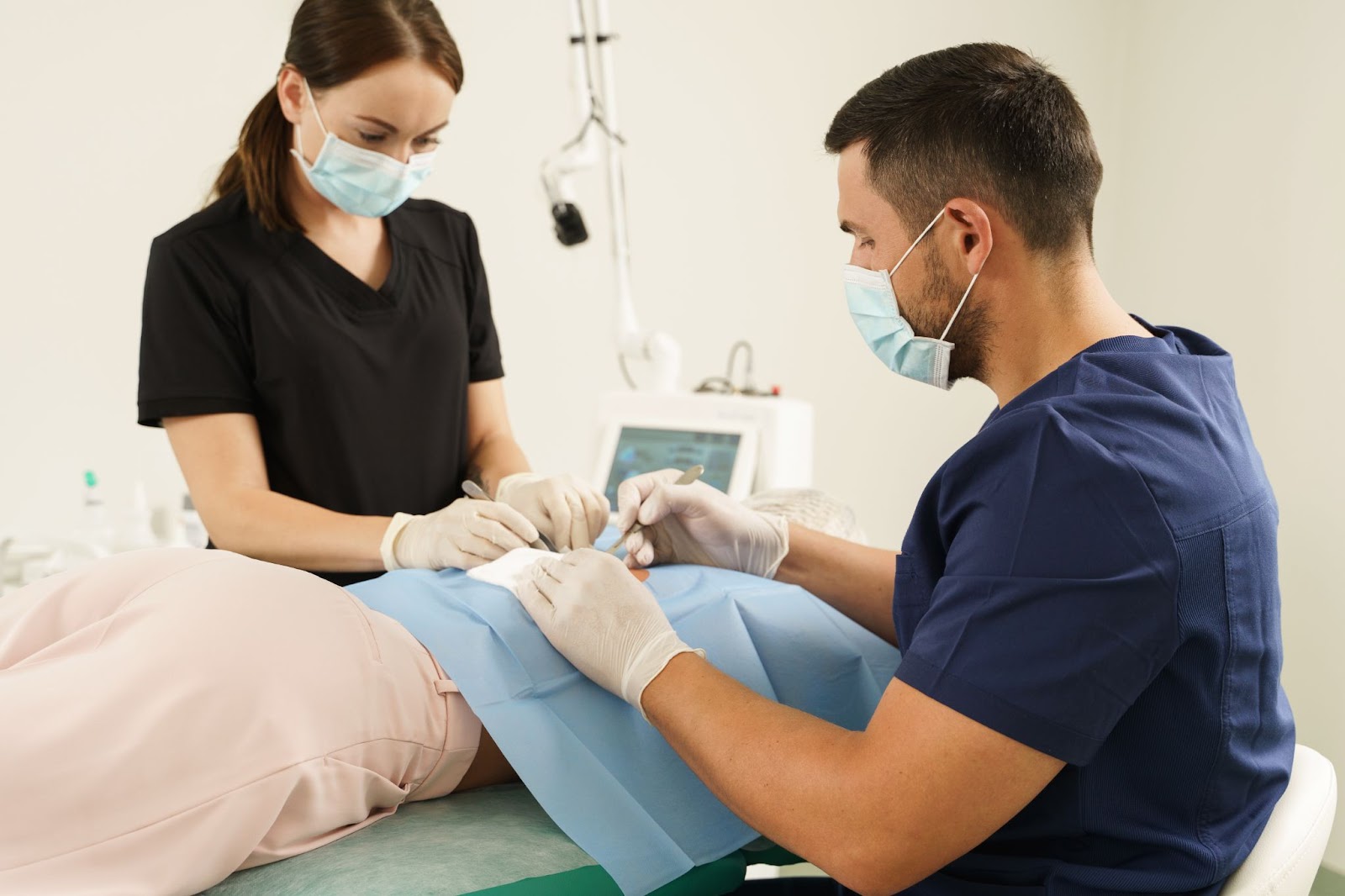
This treatment is intended to destroy infected keratinocytes. By heating the vessels of the dermis, the laser will not injure the skin but pass through it to target the base of the Verruca. This procedure is performed under local anesthesia. The advantage is that the laser deeply treats the most stubborn Verruca. Healing cream or ointment may be prescribed to promote healing. The number of sessions necessary generally depends on the location of the area to be treated and the type of Verruca.

The benefits of laser treatment for warts

Laser treatment has many advantages over other Verruca treatment methods, including,

·It is fast, precise, safe and efficient

·The session duration varies between 10 and 30 minutes on average, depending on the number and size of the Verruca to be treated.

·The laser targets only the Verruca without damaging surrounding healthy tissue

·The risk of infection is shallow

The equipment and technology used by the clinic

The method of laser Verruca removal is constantly evolving and improving. Thanks to advances in science and technology. You want to choose our clinic because it uses the latest and most innovative laser equipment. And technology, as this will ensure that you get the best results and the fewest side effects. For example, some of the newest laser technologies include the pulsed dye laser, which can target the blood vessels that supply the wart without damaging the surrounding skin. This fractional CO2 laser can treat multiple warts simultaneously with minimal scars and downtime. You can ask the clinic for details and specifications of its laser equipment and technology. Search for articles and videos online showcasing their features and benefits.

Verruca Removal Methods

Choosing the Right Laser Wart Removal Clinic

One of the most important decisions entrepreneurs who want to eliminate their Verruca must make is choosing the clinic for the laser Verruca removal procedure. This is no small feat, as the quality and safety of treatment, cost, and convenience can vary widely by clinic. Therefore, it is essential to research and compare the diverse options before making a final choice. Revitalize London Dermatology Clinic 22 Harley Road, Maryleb and Westfield Mall, Stratford. Here are some factors to consider when looking for our Verruca removal clinic. 

The type and experience of the laser technician

The laser technician will perform the actual procedure on your warts. You want to ensure they are qualified, certified, and experienced in using the specific type of laser you need. For example, if you have genital warts, you need a trained and competent laser technician. The CO2 laser is the most effective and safest laser for that area. All the best services relating to how to get rid of a verruca are available at Revitalise London Dermatology Clinic, 22 Harley Road, Maryleb and Westfield Mall, Stratford.

The cost and payment options offered by the clinic

Removing the Verruca method is costly and requires specialized equipment and expertise. The cost of the procedure may vary depending on the size and number of your verruca, the location of your verruca, the type of laser used, and the number of sessions required. You want to choose Revitalise London Dermatology Clinic, 22 Harley Road, Maryleb, and Westfield Mall, Stratford, which offers a reasonable and transparent pricing policy and flexible and convenient payment options.

Conclusion

Verruca are bumps, usually small, that appear regularly on the skin. These are small lesions that can appear anywhere on the body. There are many types of Verruca. Although some can be itchy or annoying, most are painless and completely harmless. However, they are cosmetic problems that can be solved with various treatments.

Read more...

Verruca Myths Busted: What Works

The official name for warts is verruca vulgaris. Verruca is a slang term for small bumps raised from the skin. Therefore, from the perspective of dermatologists, the things that patients see when they say, "I have a verruca," include various skin diseases. The most common "verruca" is "verruca caused by a virus infection," technically called a viral verruca. There are also many other skin diseases, including water, middle-aged, and elderly verrucas. Some of these are malignant tumours, so diagnosis requires caution. Of course, easy self-diagnosis is not allowed.

However, when dermatologists say "verruca" in the narrow sense, they usually mean viral verrucas. Things get more complicated, but many types of viral verrucas look different, and it is becoming clear that the viruses that cause them are slightly different. The most common type of verruca appears on children's hands and feet. It is called common verrucas. We will introduce the other types later.

Verrucas develop when a type of virus called human papillomavirus infects the skin. There are many types of HPV, and in addition to ordinary verrucas, some types are attracting attention as the cause of genital verrucas, a sexually transmitted disease, and others as the cause of uterine cancer. Therefore, when discussing such topics, you will often hear or see these different virus names in newspapers, magazines, and television, but they are the same virus, just called by other names.

Common types of viral verrucas

If we are infected with the verruca virus, significantly, when our body's resistance is reduced, it will stimulate the proliferation of skin cells, leading to the appearance of verrucas. Because the incubation period of verrucas can be very long, ranging from one to twenty months, and they are generally not painful or itchy, a verruca that may appear at first can slowly spread throughout the body. Depending on the type of verruca, its shape can vary. For example, flat verrucas mainly concentrate on the face, neck, upper body, and trunk. They appear in places with many skin folds. They are usually small and smooth in size but can produce dozens to hundreds of fleshy granules at a time. Common verrucas generally grow on the fingers, toes, backs of hands, and around the nails. Their surfaces are rough and protruding, making them hard to the touch. Plantar verrucas usually grow on the soles of the feet, and their surfaces are smoother, so they are often mistaken for corn. Patients experience pain when standing or walking.

What does a verruca look like

Corns generally appear yellowish, may have a hollow white spot in the centre, and are contagious. Plantar verrucas are caused by human papillomavirus (HPV) infection and can appear anyplace on the skin. The virus is transmitted through contact. For example, walking barefoot by the pool or locker room can increase the risk of infection. If there are minor wounds or skin cracks on the epidermis, your immune system will be less resistant, and you will be more susceptible to disease. In appearance, the surface of verrucas is primarily rough, often with many tiny black spots, which are the capillaries that supply the verrucas. Sometimes, these black spots are not easily detectable with the naked eye, and the doctor may need to remove a small part of the surface skin to confirm. Corns can cause pain when walking or standing. Patients may change their normal walking posture to accommodate the pain points, which can lead to muscle or joint discomfort in the long term.

How do we cure and get rid of the verruca virus?

Although, according to current medical knowledge, verrucas will not further evolve into harmful diseases, many people still choose to undergo surgery because of appearance problems, thickening of the horny skin causing walking pain and other inconveniences, or fear of infecting their family members. Treat. In medicine, we can use cryotherapy, electrocautery, carbon dioxide laser treatment, or some physical methods, such as surgical curettage and stickers, to remove verrucas. After removing verrucas, patients need to pay special attention to their physical condition and living habits to avoid allowing verrucas to regenerate. To effectively prevent verrucas, we must start with our daily habits. If a family member has verrucas, they should regularly clean the bathtub and the floors at home to reduce the risk of infection. Maintaining good daily hygiene, such as washing your hands, bathing, and wearing clean socks, is essential.

Three ways to treat verrucas

Patients with corns or calluses should consider wearing wider, softer shoes or adding insoles to reduce pressure on the soles of the feet. Corn drops and corn patches generally contain acidic medicine to remove hardened cuticles. Standard methods for treating verrucas include topical medication, cryotherapy, surgical excision, and laser treatment.

  • External medicines are also mainly acidic solutions. Patients can use them externally, but the treatment takes a long time. They may irritate the normal skin near the affected area when applied by themselves. The effect is less effective for more prominent verrucas.
  • Cryotherapy is mainly performed with liquid nitrogen. The benefit is that treatment rarely results in superficial wounds, but it is expected to require multiple verruca treatments and can cause blisters.
  • Surgery or laser treatment generally has a better chance of removing the verruca in one go. However, due to the need for local anaesthesia, there will be superficial wounds after the operation, and the scars may bleed, requiring a more extended period of recovery and care.

TREATMENT OF VECTOR

Most plantar verrucas are harmless and go away without treatment, though it may take a year or two in children and even longer in adults. Talk with your healthcare provider if you want to eliminate verrucas sooner; self-care approaches have yet to help. Verruca removal refers to the removal of verrucas on the skin, which are skin surface growths caused by human papillomavirus infection. Verruca removal can be done in a variety of ways, including medication, physical therapy, and surgery. Treatment methods for verruca removal mainly include the following. Cryotherapy in a clinic involves applying liquid nitrogen to the verruca with a spray or a cotton swab. This method can be painful, so your healthcare provider may numb the area first. The freezing causes a blister around your verruca, and the dead tissue sloughs off within a week. Cryotherapy may also arouse your immune system to fight viral verrucas. You may need to return to the clinic for repeat treatments every two to three weeks until the verruca disappears. Conceivable symptoms of cryotherapy are agony, rankles, and highly durable changes in skin tone (hypopigmentation or hyperpigmentation), especially in individuals with brown or Dark skin.

Stronger peeling medicine

Prescription-strength verruca medications with salicylic acid work by removing a verruca layer at a time. They may also boost your immune system's capacity to fight the verruca. Your healthcare provider will likely suggest you apply the medicine frequently at home, followed by occasional office visits. It might take weeks to remove the verruca using this method.

Drug treatment

Under doctor's counselling, you can use some antiviral drugs, such as Yubokang cream, salicylic acid ointment, imiquimod cream, etc. These drugs help promote the metabolism and renewal of skin epidermal cells, thereby removing the verrucas.

Physical therapy

Physical therapy methods include cryotherapy, electrocautery therapy, laser therapy, microwave therapy, local heat therapy, etc. These methods achieve the effect of removing verrucas by destroying the verrucas, causing them to become necrotic and fall off. Carbon dioxide laser and liquid nitrogen freezing are standard options for flat verrucas with small skin lesions.

Surgical treatment

For verrucas that are in severe condition or have poor results from drug treatment or physical therapy, surgical treatment, such as curettage and excision, can be considered. However, surgical treatment usually involves risks and needs to be performed under the guidance of a professional doctor.

Photodynamic therapy 

It is suitable for removing potential infection foci and can cause local verruca cell death through light irradiation. However, photodynamic therapy is more expensive.

Surgical or other procedure

If salicylic acid and freezing dose don't work, your healthcare provider may suggest one or more of the following verruca treatments:

Minor surgery.

Your health care provider removes or destroys the verruca using an electric needle (electrodesiccation and curettage). This method can be painful, so your healthcare provider will numb your skin first. Because surgery has a peril of scarring, it's only sometimes used to treat plantar verrucas unless other treatments have failed. A scar on the sole can be painful for years.

Blistering medicine.

Your healthcare provider applies cantharidin, which causes a blister under the verruca. You may need to return to the clinic in about a week to have the dead verruca clipped close.

Immune therapy

This procedure uses medications or solutions to stimulate your immune system to fight viral verrucas. Your healthcare provider may inject your verrucas with a foreign substance (antigen) or use a solution or cream for the verrucas.

Laser treatment

Beat colour laser treatment consumes shut (closes up) little veins. The contaminated tissue finally passes on, and the verruca tumbles off. This technique should be repeated every two to about a month. Your medical services supplier will probably numb your skin first.

Vaccine

HPV vaccine has been successfully used to treat verrucas even though this vaccine is not specifically targeted toward the verruca viruses that cause plantar verrucas. If a plantar verruca goes away after treatment and another verruca grows, it could be because the area was exposed again to HPV.

Early Detection of Viral verrucas: Why It Matters

verruca

Revitalise London Dermatology Clinic said that when infected by viral verrucas, the affected area often appears with raised particles and many black spots. The skin's surface will also usually become thickened, hardened, and rough to the touch, similar to calluses, and it may also appear itchy. If it occurs on the hands or feet, it is easy to be affected by external pressure and cause pain. Some patients have no particular feelings. If it is not treated for a long time, it may continue to grow and spread and even cause infection from your right hand to your left hand or other parts of the body, which may impact your appearance and life. Doctors have encountered patients with dozens of viral verrucas on their hands and feet and even formed large signs of disease. It is worth noting that if viral verrucas do not improve for a long time, a few case studies have found that skin cells may continue to be affected by the virus, causing the cells to become cancerous, which may lead to skin cancer. Like skin cancer melanoma, viral warts often appear as black spots on the fingers and toes. Even if there is no cancer, it may be misdiagnosed. That is, there is actually skin cancer, but the patient always mistakenly thinks it is a virus. Verruca. These two points are also something that the public needs to pay attention to. If black spots appear on your fingers, checking them as soon as possible is better.

Risk factors

Anyone can develop plantar verrucas, but this type of verruca is more likely to affect:

  • Children and teenagers.
  • People with weak immune systems.
  • People who have had plantar verrucas before.
  • People who walk barefoot in areas where a verruca-causing virus is common, such as locker rooms and swimming pools.

Frequently Ask Questions

Are verrucas contagious?

Verrucas are a contagious skin disease that is mainly spread through contact. Either direct or indirect contact can lead to the spread of the virus. The spread of the virus primarily occurs between people in close contact and some public places, such as public bathrooms, swimming pools, gyms, etc. In these places, especially when people walk barefoot, the risk of infection is higher.

How to avoid verrucas?

Avoiding verrucas includes maintaining good skin hygiene, which is especially important when "skin verrucas" appear. First, do not scratch the skin verruca and then touch other parts to avoid spreading the virus to healthy skin and causing the wart to spread. Wash your hands frequently after touching the affected area. In addition, the skin is our body's most important protective layer. If the skin is damaged, pathogens can more easily enter the body. Therefore, timely treatment of skin diseases and moisturising the skin with moisturiser can help keep the skin intact and healthy. Public supplies, such as slippers, towels, etc., should be minimised to avoid direct contact with the skin. At the same time, avoid walking. 

Can you remove verrucas yourself?

It may worsen if you try to remove the verruca by scraping or touching it yourself. In rare cases, verrucas may also be malignant tumours. If you notice a verruca that bothers you, visit a dermatologist.

How long does it take for common verrucas to heal?

Treatment verrucas may get better on their own, but it takes time. In children, two-thirds will improve spontaneously within two years. Natural recovery is slower for adults than children, taking several years or more.

In nursing, what is a verruca?

The medical term for verrucas that appear on the skin and mucous membranes, such as the face, neck, limbs, and genitals, is ``verrucas.'' It can be divided into viral and non-viral. Verrucas are not painful or itchy and are often harmless. 

Is common verrucas contagious?

If you touch another part of the body with the same hand that touched the verruca, the infection may spread, and new verrucas may form. It is rarely transmitted from other people in pools or baths but can be transmitted through direct skin contact.

Can I go to the pool with common verrucas?

There are usually no noticeable symptoms, such as pain. Left untreated, it can sometimes occur frequently and take a long time to heal. Treat it patiently. It is not highly contagious to others, so there is no need to refrain from going to pools or baths.

Take Action: Protect Your Skin Health Today

When people have black spots on their fingers, toes, and other skin parts, or even feel a little thicker, it always makes people a little worried and confused, and they are concerned that it may be—skin cancer. Revitalise London Dermatology Clinic, 22 Harley Road, Maryleb and Westfield Mall, Stratford, pointed out that there are many possibilities for black spots to appear on the skin. If they appear thickened, hardened, and like calluses, they may be infected by a virus. For viral warts, it is recommended to seek medical treatment as soon as possible to stay away from affecting the appearance and life of the patient, possibly causing cancer or covering up the warning signs of skin cancer.

Revitalise London Dermatology Clinic, 22 Harley Road, Maryleb and Westfield Mall, Stratford, pointed out that the possible factors for the appearance of black spots on the skin include moles, spots, staining by external factors, minor wounds caused by trauma, and it may also be caused bymelanomaCommon skin cancers include viral warts. Viral warts are an HPV virus infection, that is, human papillomavirus. It is the same virus as the commonly heard cervical cancer, but the type is different. The route of infection is through contact, including indirect infection. For example, many people need to wear slippers at home. If you are used to not wearing slippers when visiting relatives and friends' houses, you may be infected if there are viruses in the environment.

Conclusion

verrucas are non-cancerous skin growths that develop due to viral infections. It is infected on the skin surface or mucous membranes through contact, with an average incubation period of four months. These viral viruses belong to the "Human Papilloma Virus". The clinical signs of verrucas depend on where they grow. Verrucas are a common skin infection caused by specific human papillomaviruses (HPV). Verrucas can occur in different places on the body, but they are more common on the hands, feet, neck, face, and scalp. In medicine, we usually name warts according to their location or shape. However, treatment is something that takes time to be done. After all, the infection is generally deep, especially in the hands and feet. The course of verruca treatment varies depending on the patient's situation. Standard cryotherapy will require five to ten times or even more. Patients are reminded to be patient. The best solution is to continue treatment according to the doctor's instructions, confirm with the doctor whether you have recovered, decide whether you need to return for a follow-up visit and continue to observe whether there are signs of recurrence.

Read more...

How to Treat Dying Verruca Hole: Expert Advice

Verruca are caused by viruses from the papillomavirus family. Their penetration through microcracks in the skin will cause cells to multiply in a given location. A small, characteristic growth then forms. These viruses are contagious through direct contact with an infected person or through dander. A few months pass between the moment of contagion and the appearance of the Verruca. 

Are you worried about how to remove a Verruca that is also spread by self-contagion from one body part to another? Seventy per cent of Verruca disappear spontaneously within two years, but some can persist longer. Eradication of the virus is rarely possible, and recurrence of warts is common.

Dying Verruca Hole

What is commonly referred to as warts is medically known as "verruca." There are various types of warts. Such as common warts and seborrheic keratosis, which we will introduce below. Warts are skin diseases that can occur regardless of age or gender, and the leading causes are viral infections and ageing.

How is Verruca recognised?

Verruca appear as small, hard growths on the skin. They generally do not exceed the size of a pinhead, but some can reach the size of a pea. There are different types of Verruca. The most common are Verruca, yellowish grey growths with an irregular surface forming, especially on the fingers and the back of the hand. They grow singly or in groups. Plantar Verruca appears on the soles of the feet and penetrates deeply. They can be very aching and make walking difficult.

What does a Verruca look like?

Common Verruca is a single or multiple raised hemispherical lesion whose volume varies from millimetres to 1 cm. They are located mainly on the backs of the hands and fingers. They can also be located on the periphery of the nails and can cause abnormalities in the nails. It can be excruciating in this area.

The causes of Verruca

Suppose the responsibility of the papillomavirus in the occurrence of skin warts is well established. Its mechanism of action in the proliferation of warts still needs to be better understood. There are approximately 120 types of HPV responsible for different lesions. These are ubiquitous viruses. They are frequently found on the surface of the skin of many individuals without causing any lesions. The proportion of healthy carriers is therefore estimated at at least 50%. Due to a skin breakage that is often tiny and goes unnoticed most of the time, the virus will infect the epidermis cells. Keratinocyte sometimes leads to its proliferation responsible for skin excrescence. Certain diseases that weaken the epidermis can also promote the development of warts.

The ageing factor for Verruca

Other causes of Verruca include ageing and ultraviolet rays. Around 30, people may develop "neck Verruca" or "seborrheic keratosis."  It can cause discomfort when rubbed against a shirt or jewellery collar. It prevents the onset of the illness; sunscreen can reduce damage from ultraviolet rays since the disease tends to occur more in obese people. Your daily diet can also help prevent the disease.

For the above reasons, it can be worrying when various Verruca types appear. This is because there are many cases. Where benign Verruca is mistaken for malignant tumours, which look very similar because it can be difficult to distinguish between them by shape and appearance, we will introduce you to benign Verruca and malignant tumours. So please use this as a reference to check your own Verruca.

Three stages of genital warts infection

Genital warts are a disease with a high incidence rate. The lesions are often in private parts. If not treated in time, it may induce cancer. What makes patients more worried is that genital warts are prone to recurrence. Often, new lesions appear just after they are cured. Why is this? How can we treat it to eradicate it and prevent it from recurring? Genital warts are often hidden very deeply. When the patient can see the warts of genital warts with the naked eye, the damaged area is already in the third stage of infection. At this time, other places with skin damage not visible to the naked eye do not mean they are not infected with the HPV virus. They may be in the first or second stage of infection. They often become slippery fish, making it difficult to cure genital warts at once, and the disease is prone to recurrence.

There are three stages of infection with genital warts.

  • The first stage is latent infection, with no clinical and microscopic skin and mucosal changes.
  • The second stage is a subclinical infection, with microscopic skin and mucosal changes but genital warts that are not visible to the naked eye.
  • The third stage is typical HPV infection, with typical genital warts, skin and mucosal damage visible to the naked eye, and apparent warts.

Causes and Treatment Options

This type of Verruca is particularly prevalent among young women. It is characterised by a pale brown colour similar to a blemish. It often appears on the hands and other areas and has a smooth, protruding surface. It is caused by the same thing as "common Verruca" and is caused by the HPV virus. Both types of warts can spread to other areas or be transmitted to others, so they must be treated early.

This type of wart is caused by ageing, also known as senile Verruca. It is a benign tumour that is brown or blackish-brown in colour and tends to develop on the head and face. They tend to increase with age, and the spots can become raised and turn into warts. Seborrheic keratosis is benign and does not need treatment. But if it bothers you, it can be removed through treatment.

The mechanisms of wart development are still understood.

We do not know today why these papillomaviruses. So, it is present on the skin of many individuals. It will be responsible for developing skin cancer in some people and not others. A susceptibility / a genetic and immune background is (are) mentioned. Likewise, when the papillomavirus penetrates the epidermal cell, it can take advantage of the standard multiplication of keratinocytes.

Thus, it can be expelled to the surface of the skin. It remains in a latency state, that is to say, asleep within the keratinocyte and wakes up one day. Thanks to stress, a deficit in the body's defences, and then begin a "productive cycle." We still do not know today what conditions “the productive cycle.” But the “latency” and “resurgence” of the virus after several years of latency. Finally, papillomaviruses seem specific to humans. The main virus reservoir is humans carrying warts. We do not know how to explain the contamination of certain professionals. For example, it can be done by handling meat, poultry, or fish.

Dying Verruca Hole

Symptoms, Characteristics, and Diagnosis

Verruca vulgaris is a type of wart that often appears on the fingers and soles of the feet. After a slight rash appears, it grows into a wart-like bump, which can range in mass from a grain of rice to the size of a thumb. As infected skin cells grow, the skin's surface becomes thick, hard, flaky, and bumpy. It may also become pigmented and turn black or brownish.

It is usually not painful or itchy, but if the verruca appears on the sole or toes of the foot and is raised. It may be sore when pressed when walking. It cannot be easy to distinguish from calluses and corns, which also tend to appear on the soles of the feet. Yet, in the case of viral Verruca, the blood vessels on the surface increase. The area turns reddish-black. Therefore, if you see black dots inside the wart, it will likely be verruca vulgaris. But it would help if you visited a dermatologist for a correct diagnosis.

Characteristics and Prevention Strategies

This Verruca is only a few millimetres but can grow to about 2 cm in rare cases. It often appears on the fingers and toes and is a small, flat, raised bump. Although it is not painful, it may itch if it occurs in an area that is rubbed. It may keratinise, turn greyish, and become large and rough to the touch. It is caused by the virus HPV entering through a wound on the skin.

Viral infections cause Verruca. Many types of viruses cause them. But the most common are infections with HPV, such as "common Verruca" and "juvenile flat Verruca." It is necessary to avoid creating cuts and hangnails and to protect the skin. It is also essential to maintain a robust immune system.

Immunomodulatory Therapies to Preventive Vaccination

immunomodulatory treatments, the principle of which would be to try to trigger an immune reaction capable of eliminating HPV viruses. Preventive vaccination against HPV viruses like that offered to young girls at puberty. It's in the first year after first sexual intercourse to prevent the occurrence of genital vascular cancer. There are several physical methods to get rid of Verruca. All are more or less painful and may sometimes require local anaesthesia. The diagnosis of skin Verruca is, above all, a clinical diagnosis. In most cases, there is no need to perform a biopsy or other test. But, biopsies may be necessary in the event of atypical lesions. Ulcerative lesions could be confused with certain forms of cancer.

Watch out for ulcerated Verruca.

A plantar Verruca is the site of chronic ulceration and an ulcerated periungual Verruca. Verruca modifying the nail must be the subject of a biopsy to drop a cancerous lesion. The impossibility of eradicating the virus explains the frequency of recurrences. Sometimes, the feeling of discouragement is experienced in the face of treatments that are perceived as effective. The spontaneous disappearance of the lesions within two years may justify therapeutic abstention. The patient accepts the aesthetic damage. Skin Verruca most often regresses within two years. In some instances, the lesions can persist for several years in children and adults. No other consequence than aesthetic damage is the main factor motivating the treatment use. 

It remains symptomatic to date. No treatment currently allows the eradication of the virus. The therapeutic goal. So, it boils down to the pure and simple destruction of visible lesions by various methods. None of which has demonstrated its long-term superiority compared to the others. There is currently no recommendation favouring one method over another. One can start with one or the other technique and move from one to the other.

As the virus cannot be eliminated definitively and can persist in the peri-lesional area, recurrences are frequent. It is expected to experience a feeling of discouragement. The relative ineffectiveness of the proposed treatments. Given the spontaneously favourable evolution of the lesions, therapeutic abstention can sometimes be proposed. In adults, ulcerated plantar or periungual lesions that may appear as warts must motivate a consultation with a dermatologist to eliminate skin cancer. The therapeutic management of which is then naturally radically different.

Is laser treatment effective?

Verruca, which appears on the hands and soles of the feet due to viruses, is challenging to cure, so it is necessary to continue treatment patiently. Some people may hesitate to see a doctor because the treatment is long-term, but effective laser treatments have been introduced in recent years. Here, we will explain the causes of viral warts and the treatment methods you may be concerned about.

Laser treatment for stubborn viral warts

Cryotherapy is the standard treatment for viral Verruca. There is a concern that it is somewhat painful during and after treatment. In addition, the treatment mentioned above needs to be improved in the case of large and deep Verruca. There are cases where the Verruca is not cured even after several years of treatment. In such cases, laser treatment is an option. There are two typical methods. The first is a treatment method that uses a laser that reacts to blood pigments to damage the blood vessels that nourish the Verruca. Treatment is continued about once a month for about two to five months.

The second step is to remove the Verruca using a carbon dioxide laser. After treatment, a depression will appear in the skin as if the Verruca had been carved out. So you must apply ointment and protect it with gauze for 3 to 4 weeks until the wound dies. The probability of recovery in one go is 70 to 80%, but it is a method that completes the treatment. Both methods are painful, but they are performed under local anaesthesia. This method is reassuring if you are suffering from Verruca. It is challenging to cure or want to complete the treatment.

If you suspect you have viral Verruca, the quickest way to recover is to receive a correct diagnosis and appropriate treatment and remove it as soon as possible. If you have any Verruca that concerns you, we recommend that you consult a dermatologist.

Cryotherapy method

This is the most widespread method due to its ease of use and low cost. It consists of the local application of liquid nitrogen, either using a cotton swab on the lesion for around ten seconds or spraying using a spray. It is a method that can be effective from the first session. Still, it is often necessary to repeat the operation several times to obtain the complete disappearance of the lesions.

Dying Verruca Hole

Electrocoagulation

Based on the use of an electric scalpel, this old technique has yet to have any sign today, given the other methods proposed and the risks of scarring.

Surgical curettage

it remains reserved for single or pedunculated large lesions. There is a risk of painful scarring.

CO 2 laser vaporisation

This expensive method leaves a scar in 50% of cases, as vapours containing viral particles are formed with electrocoagulation. Therefore, contaminating requires effective suction and protection of the face of the patient and the doctor.

Chemical methods for Verruca 

Keratolytic preparations based on salicylic acid are associated with concentrations varying from 10 to 60%. Neither lactic acid nor trichloroacetic acid can be applied daily under an occlusive ( dead ) dressing for some time. Two weeks to thin out and “strip” the Verruca, especially if they are thick.

When should I return to see the dermatologist after treatment?

Whether they have been destroyed by a physical method or a chemical process, it is recommended that the patient return to see the dermatologist 3 to 4 weeks later to ensure the excellent progress of the treatment and the proper healing of the lesions. It is not uncommon for extra sessions to be offered due to incomplete disappearance of the lesions. Monthly follow-up by the dermatologist is recommended until the lesions disappear.

Complications linked to treatments

Destructive treatments for Verruca result in skin necrosis that can cause ulceration and superinfection. Local disinfectant treatment is generally sufficient, with systemic antibiotic treatment remaining exceptional and reserved for the most severe cases.

What about homoeopathy, bonesetters, and magnetisers?

The limits of traditional medicine in treating skin Verruca leave room for less conventional methods and alternative therapies. It may be effective even if the latter must be documented and validated. Many people thus try homoeopathic and phytotherapeutic treatments, magnetisers, and bonesetters. Sometimes with relative effectiveness, without forgetting. However, the natural evolution of Verruca is usually their spontaneous disappearance with or without treatment.

Verruca carriers are not plague victims.

Although skin Verruca is contagious, the risk of human-to-human contamination remains low. Thus, there is no risk of “catching Verruca” by shaking someone's hand with Verruca. Within a family, isolating the dishes or laundry of a child with Verruca is useless, even penalising. Remember that the papillomavirus is a ubiquitous virus present on the surface of the skin of more than 50% of people.

Some tips to follow after treatment

Rigorous hygiene is used to limit secondary infections. The main complication of destructive treatments is secondary infection. It is recommended that the treated areas be washed regularly and carefully, particularly the hands, after removing the lesions.

Pierce and evacuate the bleeding bubble if necessary. Treatments using liquid nitrogen often cause a blister full of blood, which can be painful. It is then advisable to puncture the bubble with a previously heated needle to evacuate the fluid content, whether bloody or not, and to thoroughly disinfect the wound. There are not any treatments that remove a veccurra overnight. The primary source of contagion is skin lesions due to epidermal scales disseminated in the environment. Transmission between individuals most often occurs by direct skin contact, favoured by epidermal breaks or skin drying. It is therefore recommended to avoid skinning or scratching Verruca to limit the risk of spreading the virus. The contaminating areas are neighbouring the initial lesion. Furthermore, as the papillomavirus is particularly fond of humid environments and maceration areas, drying your feet when leaving the pool is recommended. The benefit of wearing plastic shoes has yet to be demonstrated.

What makes us who we are?

Revitalise London Dermatology Clinic 22 Harley Road, Maryleb and Westfield Mall, Stratford. The team consists of nurses and doctors. Scientists are committed to helping you tailor a preventive health diagnostic strategy so you may achieve your aims and enjoy life to the fullest. The goal of the Verruca team is to give every one of our customers the safest and most enjoyable experience possible. We have developed nine specific formulations to meet your particular needs.

Conclusion

Some Verruca can grow if left untreated, and the larger they get. The more difficult it becomes to treat them cleanly. Therefore, if you are concerned about Verruca, we recommend consulting a plastic surgeon as soon as possible and removing it. The most important thing for malignant tumours is early detection and early treatment. Please refer to this article and come to the hospital immediately if you have any Verruca that concerns you. Our clinic will explain the examination results and treatment methods according to the patient's condition. We will provide the best treatment while placing importance on informed consent. It can be treated like a day surgery, even a cyst. If you have any concerns about Verruca, please get in touch with us.

Read more...

What should you expect during a skin tag removal procedure, and how long does it take? 

Skin tags are common benign growths that can be removed for cosmetic or comfort reasons. If you're considering having a skin tag removed, you may be wondering what to expect during the procedure and how long it will take. In this blog post, we'll provide an overview of the skin tag removal process and what to expect during your appointment at Revitalise London Dermatology Clinic.

Assessment and Diagnosis

Before any treatment can be administered, a dermatologist will need to assess and diagnose the skin tag. During your appointment, the dermatologist will examine the skin tag and may ask you about any symptoms you may be experiencing. In some cases, the dermatologist may recommend a skin biopsy to rule out any underlying health conditions.

Treatment Options

Once the dermatologist has assessed the skin tag, they will recommend the best course of treatment based on the size, location, and type of skin tag. At Revitalise London Dermatology Clinic, we offer several safe and effective skin tag removal options, including:

Cryotherapy: This method involves freezing the skin tag with liquid nitrogen, which causes it to fall off within a few days.

Excision: This involves cutting the skin tag off with a scalpel or surgical scissors. This method is typically used for larger skin tags or those in sensitive areas.

Electrocautery: This involves using a tiny electric current to burn off the skin tag. This method is quick and effective, and typically results in minimal scarring.

Ligation: This method involves tying off the base of the skin tag with a small thread, which cuts off its blood supply and causes it to fall off.

Procedure Length and Aftercare

The length of the skin tag removal procedure will depend on the method used and the size and location of the skin tag. Most procedures take only a few minutes to complete, and can be performed in-office with minimal discomfort. After the procedure, the dermatologist will provide instructions for post-treatment care to ensure proper healing and minimize the risk of infection. These may include keeping the area clean and dry, applying a topical ointment, and avoiding tight clothing or activities that may cause irritation.

In conclusion, if you're considering skin tag removal, it's important to see an expert dermatologist who can properly assess and diagnose the skin tag, and recommend the best course of treatment. At Revitalise London Dermatology Clinic, our experienced dermatologists use safe and effective methods to remove skin tags, and provide comprehensive aftercare instructions to ensure proper healing. Contact us today to schedule a consultation

Read more...

Is it safe to remove skin tags yourself at home, or should see a expert doctor for it?

Is it safe to remove skin tags yourself at home, or should you see an expert doctor for it? A guide from Revitalise London Dermatology Clinic

Skin tags, also known as acrochordons, are common harmless growths that can appear on the skin. While they are usually harmless, many people choose to have them removed for cosmetic or comfort reasons. Some may consider removing skin tags themselves at home using various methods, but is it safe? In this blog post, we will discuss the risks of DIY skin tag removal and why it's important to see an expert doctor for it. If you are considering skin tag removal, contact Revitalise London Dermatology Clinic for safe and effective treatment.

DIY skin tag removal methods

There are several DIY skin tag removal methods that people may try at home. These include tying a string or dental floss around the base of the skin tag to cut off its blood supply, using scissors or nail clippers to cut off the skin tag, and applying various substances such as vinegar, tea tree oil, or garlic to the skin tag.

Risks of DIY skin tag removal

While these methods may seem like a quick and easy solution, they can be dangerous and may cause more harm than good. DIY skin tag removal can lead to infection, bleeding, scarring, and even serious complications such as sepsis. In addition, some skin tags may be mistaken for other skin growths that require medical attention, such as moles or warts. Attempting to remove these growths at home can lead to serious health risks.

Why you should see an expert doctor for skin tag removal

To ensure safe and effective skin tag removal, it is important to see an expert doctor. A dermatologist can properly diagnose the skin tag and recommend the best course of treatment. Depending on the size, location, and type of skin tag, treatment options may include cryotherapy, excision, electrocautery, or ligation. These methods are performed under sterile conditions and with proper anesthesia to minimize discomfort and risk of infection. An expert doctor can also identify any underlying health conditions that may be causing skin tags and provide appropriate treatment.

In conclusion, while DIY skin tag removal may seem like an easy solution, it is not worth the risk. To ensure safe and effective treatment, it's important to see an expert doctor. At Revitalise London Dermatology Clinic, our team of experienced dermatologists can help you achieve clear, healthy skin. Contact us today to schedule a consultation.

Read more...

What are some common methods for skin tag removal, and how do they work?

A guide from Revitalise London Dermatology Clinic Skin tags, also known as acrochordons, are a common skin concern that can be unsightly or uncomfortable. While they are usually harmless, many people choose to have them removed for cosmetic or comfort reasons. In this blog post, we will discuss some common methods for skin tag removal and how they work. If you are considering skin tag removal, contact Revitalise London Dermatology Clinic for expert advice and treatment.

Cryotherapy

Cryotherapy is a common method for skin tag removal that involves freezing the skin tag with liquid nitrogen. The extreme cold causes the cells in the skin tag to break down and eventually fall off. This method is quick, relatively painless, and has a low risk of scarring. However, it may not be suitable for larger or more complex skin tags.

Excision

Excision is a surgical method for skin tag removal that involves cutting the skin tag off with a scalpel or scissors. This method is typically performed under local anesthesia and may require stitches. Excision is an effective method for larger or more complex skin tags, but it may leave a small scar.

Electrocautery

Electrocautery is a method for skin tag removal that uses an electrical current to burn off the skin tag. This method is quick and relatively painless, but may not be suitable for larger or more complex skin tags. Electrocautery may also cause a small scar.

Ligation


Ligation is a method for skin tag removal that involves tying a small band around the base of the skin tag. The band cuts off the blood supply to the skin tag, causing it to eventually fall off. This method is painless and has a low risk of scarring, but may take several days to a week to work.

In conclusion, there are several common methods for skin tag removal, each with their own benefits and drawbacks. If you are considering skin tag removal, it is important to consult with a dermatologist to determine the best method for your individual needs. At Revitalise London Dermatology Clinic, our team of experienced dermatologists can help you achieve clear, healthy skin. Contact us today to schedule a consultation.

Read more...

What are skin tags and why do they occur?

As humans, we all want to have flawless and blemish-free skin, but sometimes, our skin has other ideas. One common skin concern that many people experience is skin tags. Skin tags are small, benign growths that can appear anywhere on the body, but are most commonly found on the neck, underarms, and groin. In this blog post, we will discuss what skin tags are, why they occur, and how they can be treated.

What are skin tags?

Skin tags, also known as acrochordons, are small growths of skin that can appear on any part of the body. They are usually flesh-colored or slightly darker and can range in size from a few millimeters to several centimeters. Skin tags are benign and are not harmful, but they can be unsightly or annoying, especially if they rub against clothing or jewelry.

Why do skin tags occur?

The exact cause of skin tags is unknown, but there are several factors that are believed to contribute to their development. One of the most common causes of skin tags is friction or irritation, which can occur in areas where skin rubs against skin or clothing. Hormonal changes, such as those that occur during pregnancy, may also contribute to the development of skin tags. In addition, some people may be genetically predisposed to developing skin tags.

How can skin tags be treated?

Skin tags are usually harmless and do not require treatment. However, if they are causing discomfort or are unsightly, there are several treatment options available. One option is to have the skin tag removed by a dermatologist. This can be done by freezing the skin tag with liquid nitrogen, cutting it off with a scalpel, or using electrocautery to burn it off. Another option is to use over-the-counter creams or solutions to shrink the skin tag, although these are not always effective.

In conclusion, skin tags are a common skin concern that can be unsightly or annoying, but are usually harmless. While the exact cause of skin tags is unknown, there are several factors that are believed to contribute to their development. If you have skin tags that are causing discomfort or are unsightly, it is best to consult with a dermatologist to determine the best course of treatment. With proper treatment, you can have clear, blemish-free skin once again.

If you are experiencing skin tags and are looking for expert advice and treatment, consider visiting Revitalise London Dermatology Clinic. Our team of experienced dermatologists offers a wide range of treatments for skin concerns, including skin tag removal. Contact us today to schedule a consultation and learn more about how we can help you achieve clear, healthy skin.

Read more...

Benefits of removing toe nail fungus by laser

Nail fungus is a common condition that affects many people, causing thick, discolored, and brittle nails. While there are several treatment options available, laser therapy has emerged as a popular and effective method for removing nail fungus. In this blog, we'll explore the benefits of removing toenail fungus by laser therapy and how it can help you achieve healthy, beautiful nails.

What is laser therapy for toenail fungus removal?

Laser therapy is a non-invasive treatment for toenail fungus that uses a specialized laser to target and destroy the fungal infection. The laser penetrates the nail bed and heats the infected tissue, killing the fungus without damaging the surrounding healthy tissue.

Benefits of laser therapy for toenail fungus removal

Non-invasive: Laser therapy for toenail fungus removal is a non-invasive treatment option, meaning that there are no incisions or needles involved. This makes it a less painful and more convenient option compared to other treatments, such as surgery.

Safe and effective: Laser therapy has been shown to be a safe and effective treatment option for toenail fungus removal. It can effectively target and destroy the fungal infection without causing damage to the surrounding healthy tissue.

No downtime: Since laser therapy is a non-invasive treatment, there is no downtime required after the procedure. Patients can resume their normal activities immediately after treatment.

Long-lasting results: Laser therapy can provide long-lasting results for toenail fungus removal. Unlike other treatments that may require ongoing maintenance or medication, laser therapy can provide a permanent solution to toenail fungus.

Quick treatment time: Laser therapy for toenail fungus removal is a quick treatment that can typically be completed in a single session. This makes it a convenient option for those with busy schedules.

Conclusion

If you're struggling with toenail fungus, laser therapy can be an effective and convenient treatment option for achieving healthy, beautiful nails. At Revitalise London Dermatology clinic, our experienced dermatologists are dedicated to helping you achieve the best possible results. We offer a range of treatments for toenail fungus, including laser therapy, and we can help you choose the best option for your needs. Contact us today to schedule a consultation and take the first step towards achieving healthy, beautiful nails.

Read more...

Is fungal nail treatment a Treatments or Non Invasive procedure

Nail fungus, also known as onychomycosis, is a common condition that can affect the nails on your fingers or toes. It's caused by a fungal infection and can result in thickened, discolored, or brittle nails. While there are several treatments available to address nail fungus, many people wonder if nail fungus removal requires surgery or if it can be achieved through non-surgical means. In this blog, we'll explore both surgical and non-surgical options for nail fungus removal and provide some tips on how to choose the best treatment for your needs.

Non-surgical options for nail fungus removal

In most cases, nail fungus can be effectively treated without the need for surgery. Non-surgical treatments for nail fungus include:

Topical antifungal medications: These are creams, lotions, or nail polishes that are applied directly to the affected nail. They work by penetrating the nail and killing the fungus. This type of treatment can take several months to work and may require ongoing use.

Oral antifungal medications: These are prescription medications that are taken orally. They work by attacking the fungus from the inside out. Oral medications can take several months to work, and they can have side effects.

Laser therapy: This is a non-invasive treatment that uses a laser to kill the fungus. The laser penetrates the nail and heats it, which destroys the fungus. This type of treatment typically takes several sessions to complete and can be expensive.

Surgical options for nail fungus removal

In some cases, nail fungus can be so severe that surgery is required to remove the affected nail. Surgical options for nail fungus removal include:

Nail removal: This involves removing the entire nail to allow a healthy new nail to grow in its place. This procedure is typically performed under local anesthesia, and the recovery time can vary depending on the individual.

Partial nail removal: This involves removing only the affected portion of the nail. This procedure is also typically performed under local anesthesia and can be effective in treating nail fungus.

Choosing the best treatment option for your needs

The best treatment option for nail fungus removal will depend on the severity of your condition, as well as your personal preferences and medical history. It's important to consult with a dermatologist to determine the best course of action for your specific needs.

At Revitalise London Dermatology clinic, our experienced dermatologists are dedicated to helping you achieve healthy and beautiful nails. We offer a range of treatments for nail fungus, including both surgical and non-surgical options.

Conclusion

Nail fungus is a common condition that can be effectively treated with both surgical and non-surgical options. While non-surgical treatments are typically the first line of defense, surgery may be required in severe cases. At Revitalise London Dermatology clinic, we're here to help you choose the best treatment option for your needs and get your nails looking healthy and beautiful again.

Read more...
Please enable JavaScript in your browser to complete this form.