Wart Removal in Manchester: Effective Treatment Options
Wart Removal in Manchester

Introduction 

Warts are certain growths on the skin that are small and rough in texture. They are caused by the human papillomavirus (HPV) and can appear anywhere on the body, including the face, hands, and feet. For the most part, warts are not dangerous or harmful in any way, but they may cause slight discomfort and pain where they appear. 

However, you must not worry, as warts are common and can impact people of different ages without any known specific cause. They are common in children and people who have a weaker immune system. 

These tiny ugly looking protrusions usually spread through direct contact with anyone with a wart or by touching any kind of surface that the virus has been exposed to. 

Getting yourself treated is vital to stop the warts from spreading or causing too much aggravation. Cures for warts include medicines from your local drug store to more professional options such as freezing (cryotherapy), surgery, or even laser removal. 

It usually depends on the seriousness of the issue at hand. For more serious cases or recurring warts, getting the proper treatment is imperative for prompt results, which decreases the chances of scarring. 

In the rainy city of Manchester, a lot of clinics offer treatments for wart removal that are catered and personalized specific to the patient's needs. Whether it's a one-time problem or a recurring issue, professional treatment can help you get rid of the warts timely. 

Keep reading to find out more about what they are and how you can get the best treatment for wart removal in Manchester.

Understanding Warts 

Definition

Caused by the HPV, warts are identified as small benign growths that show up on the skin. They occur when the HPV virus affects the topmost layer of the skin, usually entering the body through small cuts or openings. 

Types of Warts

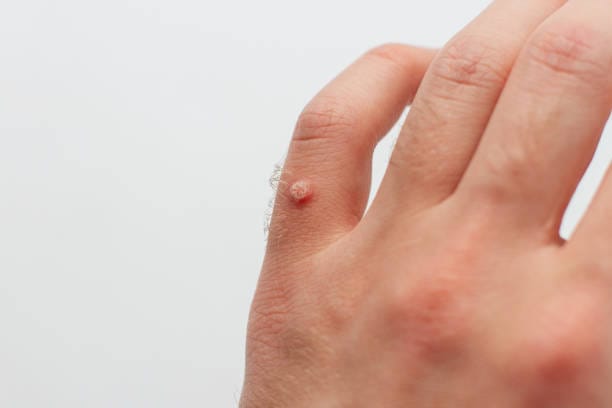
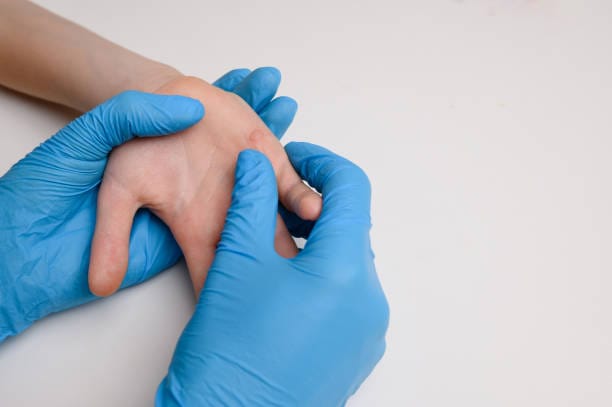
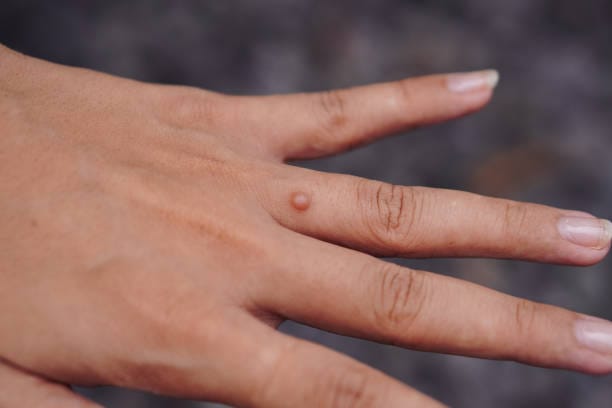
Common Warts: These are rough in texture and appear raised on the surface of the skin. They are usually found on the fingers of the person infected, along with the hands or knees.

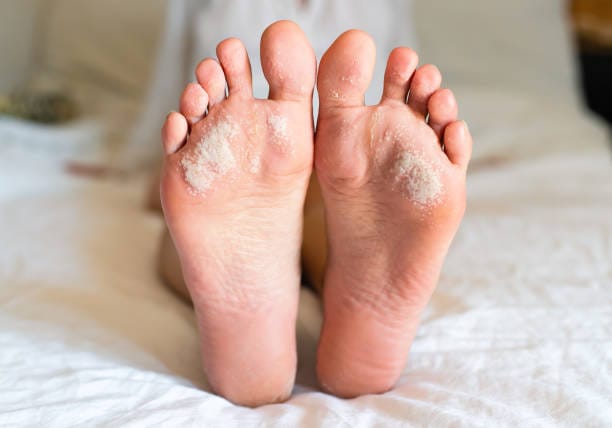
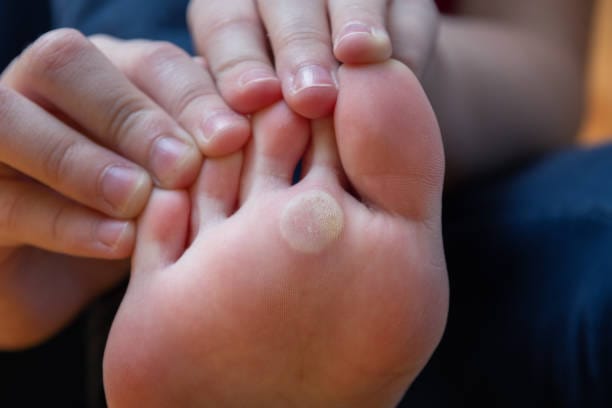
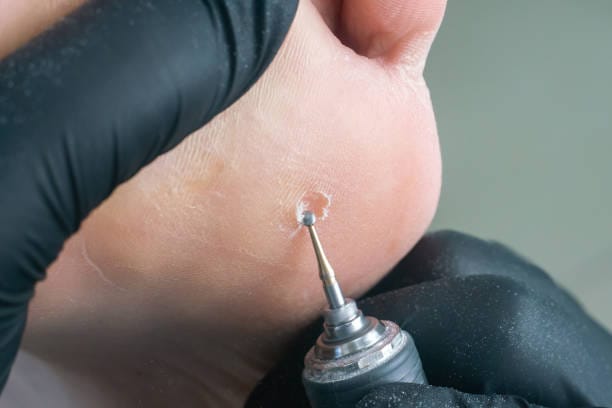
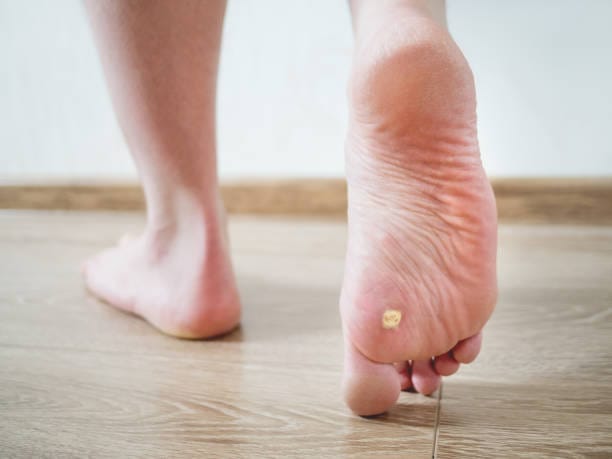
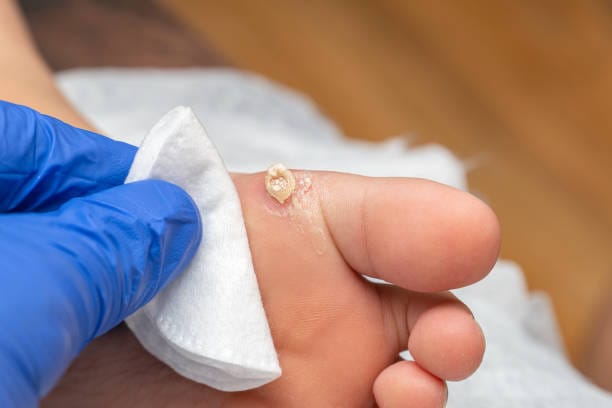
Plantar Warts: These are commonly found on the soles of the feet and usually grow inwards due to the pressure that we feel. This results in pain while walking. 

Flat Warts: These warts are small and smooth in texture, and unlike plantar warts, they appear raised on the surface. They are found on the face, neck, and hands. 

Genital Warts: As the name suggests, these warts appear on the infected person's genital area and are transmitted through sexual contact. 

Causes of Warts

The primary cause of warts is HPV, which is a bunch of over 100 similar viruses. Different types of HPV types cause different kinds of warts on the human body. The virus ends up stimulating a lot of extra cell growth in the outermost layer of the skin which results in the appearance of a wart. 

How Warts Spread

When a person gets into direct contact with another person or object that is infected, they are likely to get the wart themselves. It can also spread through: 

  • Touching/scratching warts 
  • Sharing items with someone who has warts, such as towels, razors, etc.
  • Walking barefoot in places that are infected, such as shared showers or swimming pools. 

Risk Factors

  • Weakened Immune System: Certain conditions, such as HIV or medications that suppress your immune system, increase the likelihood of getting warts. 
  • Age: Due to their developing immune systems, children and younger adults are more likely to get warts. 
  • Skin Damage: Cuts or scratches provide an entryway for the HPV virus to enter the body. 
  • Moist Environments: Regular exposure to damp areas increases the chances of getting plantar warts. 

When To Seek Treatment 

Signs Indicating the Need for Wart Removal

The removal of warts becomes a necessity in the following situations: 

  • The wart is painful or causes discomfort, especially in areas where your body weight rests, such as the feet.
  • It spreads throughout the body to other parts.
  • An infection is developed around the wart resulting in the area bleeding or oozing. 
  • The color, size, or shape of the wart changes.
  • If the wart is a persistent, over-the-counter medication.

Potential Complications if Left Untreated

Although, for the most part, warts are harmless and can easily be cured, certain potential complications could occur if they are left untreated. These include: 

  • Increased Spread: The occurrence of the warts on different parts of the body is quite frequent. 
  • Infection: Touching or scratching the wart leads to an infection; most likely bacterial.
  • Functional Issues: If you struggle with mobility and walking, this could result in problems with your posture. 
  • Rare Cancer Risk: Genital warts, which are a result of HPV strains 16 and 18, could increase the likelihood of cancer. 

Emotional and Psychological Impact
For the most part, visible warts can result in the person who has them feeling uncomfortable, awkward, embarrassed, or even having low self-esteem.

In the case of genital warts, the person having them may feel a strain on their relationship because of a fear of intimacy and the stigma that is attached to having this particular condition. These emotional stressors can affect a person’s everyday life as well as their mental well-being.

However, you needn’t worry because through treatment and emotional support, both the physical and mental symptoms can be eliminated, resulting in a speedy recovery and the removal of the warts. 

Treatment Options Overview

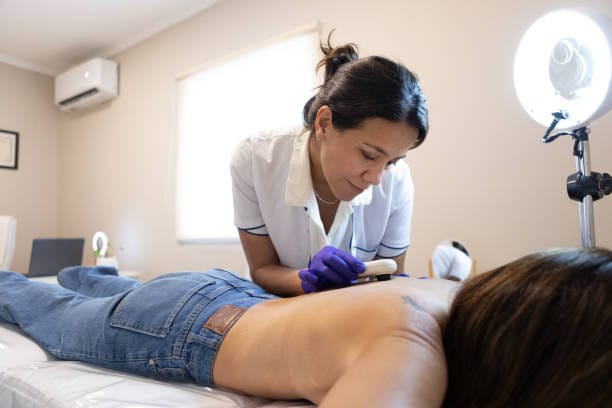
People looking for wart removal in Manchester must understand the treatment methods that are possible to help cure their illness. These treatments can range from changes in your lifestyle to remedies to even undergoing surgeries. 
Wart Removal in Manchester

However, if you have warts, you shouldn't worry because they are generally harmless and can be easily removed. Warts that are caused by HPV can be treated using different treatment methods. 

Some of these include medicines from your local pharmacy, cryotherapy, prescription medication, or, worst-case scenario, a minor surgery. Of course, each treatment has its considerations, which depend on the size, type, and location of the wart. Other factors, such as the overall health of the patient and their age, are also taken into consideration. 

Most of the time, warts may get better on their own. However, self-treatment isn't recommended as it could lead to further problems such as infection or scarring. Therefore, it is best to consult a professional doctor and ensure you get the best treatment possible and heal quickly. The health practitioner will correctly diagnose the wart and eliminate any serious complications. They may also provide prevention and care tips regarding how they can be stopped from reappearing on the skin.  

Depending on home remedies may hinder the healing process or worsen the condition. By getting advice from a professional, individuals are likely to get rid of their warts effectively and immediately. 

Over-the-Counter Treatments

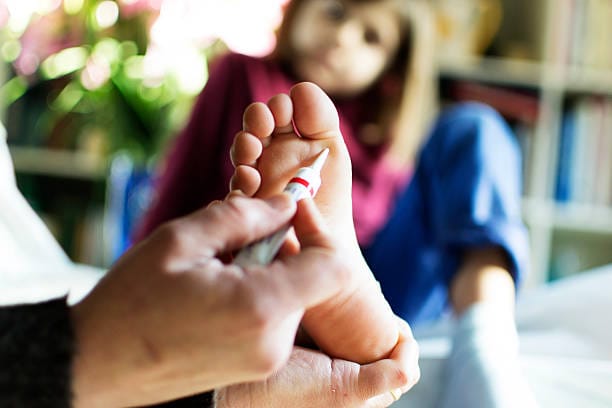
Over-the-counter treatments for warts are readily available and can be very effective in curing the virus. The two most common treatments for warts are salicylic acid and freezing sprays.

Salicylic acid works best by slowly making the skin soft and then eventually removing the built-up layers of the wart. It is available in different forms, such as gels or a basic liquid solution. Salicylic acid slowly dissolves the tissue in the skin step by step until there is none more left. It then helps the body fight the HPV that produces these nasty warts to make sure they do not come back in the same place again. 

To use Salicylic acid up to its full potential you must follow the following steps:

  1. Soak the wart-infested area into warm water for around 5-10 minutes to help in making the skin soft and easily treatable
  2. Use a nail filer to gently file the wart to clean the area before applying the Salicylic acid.
  3. Apply the Salicylic acid directly to the infected area containing the wart(s). 

Follow these steps regularly until you see the desired results and the wart disappears completely. 

It is important to know that it is recommended not to use Salicylic acid in sensitive areas because it might cause irritation and in some cases, it may make the infection worse. 

Freezing sprays contain liquid nitrogen and copy the cryotherapy-type treatment you might receive if you went to a clinic. They use liquid nitrogen to freeze the wart until it falls off. The freezing spray creates an ulcer under and around the wart. The consistent freezing helps both the ulcer and the wart to eventually fall off. 

You need to be very careful while using freezing sprays as they can damage the skin around the wart, which was initially not damaged and was fine. Most warts will fall off after one or two times using the freezing spray, but some might take more time. It is also important for you not to use the freezing spray in sensitive areas as it may irritate, just like the salicylic acid.

Wart Removal in Manchester Professional Treatments
Wart Removal in Manchester 

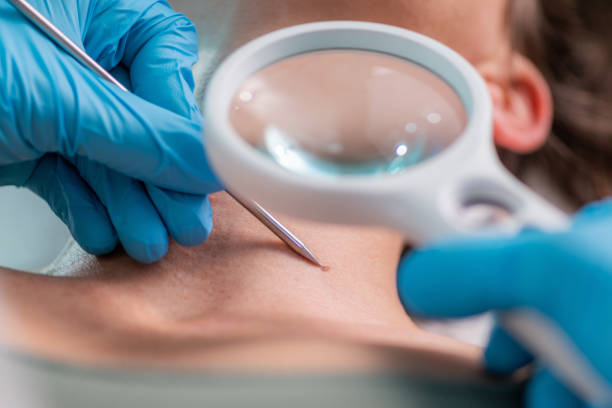
It is always better to go for professional treatments rather than over-the-counter ones, even though they tend to be rather expensive. Some warts keep coming back even after being treated which will not be the case for professional treatments, which is why it is recommended to visit a professional to begin with.

The first treatment used is cryotherapy, which uses liquid nitrogen to freeze the warts until they fall off. Using earbuds or a spray, liquid nitrogen is applied on the skin directly upon the wart. Within a week or two, the wart falls off by itself due to its exposure to such extreme cold.

Cryotherapy is generally used when dealing with multiple warts as it is very efficient. Just like the freeze spray, this may also cause some irritation on the skin after being exposed to the extremely cold liquid nitrogen. Some warts may take more than one session, as not all warts come off very easily.

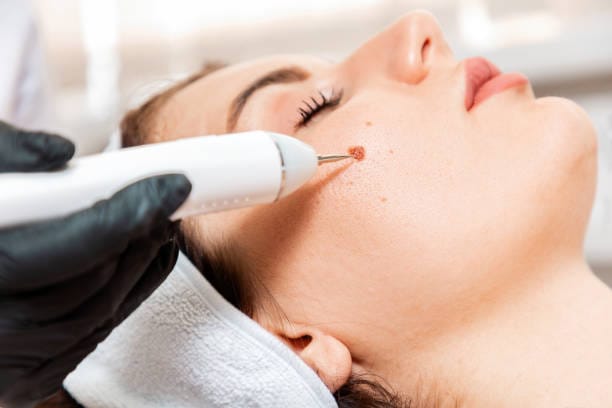
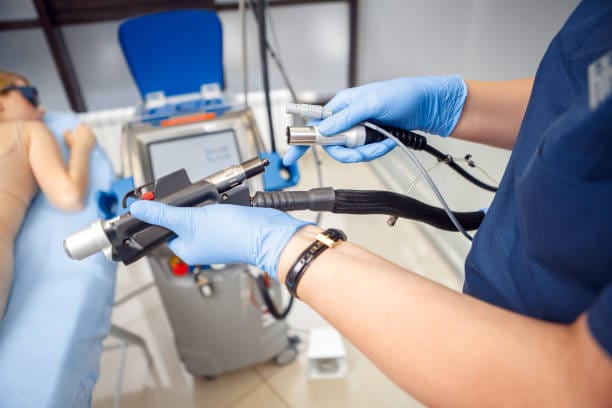
Laser therapy is a new and modern way of removing and dealing with warts. It includes using a high beam of light, which completely burns the wart and the cells in the skin that may have been damaged by the HPV. This is a very effective way of dealing with warts, even if they are hard to get off. Laser therapy is very efficient and will not require more than one session. It is also good for removing warts that may have been created in sensitive areas, unlike other treatments.

Alternative and Home Remedies

For the longest time, home remedies have been used to solve multiple problems with natural ingredients for their medicinal abilities. Many remedies can be used to treat warts, such as apple cider vinegar, banana peels, and garlic. These treatments usually stand out to people who are interested in cheap and non-invasive methods to heal from the illness they are facing. 

Effectiveness and Scientific Backing

Among all of the home remedies to treat warts, using duct tape is probably one of the few that has some scientific backing to it. Research claims that using the tape will help with the irritation of the skin, which will trigger an immune response that will help fight the virus. 

However, the results are mixed, and the effectiveness is still inconclusive. Another popular remedy is using apple cider vinegar because of its acidic nature which helps break down the wart tissue. Again, the results are mixed, and the effectiveness is inconclusive. Not to forget, ill-use of certain products could do further harm than good. 

There are other remedies as well. Some of these include using banana peels and garlic, which rely on anecdotal evidence. The peels of bananas are known to have enzymes and antioxidants that help in healing, while garlic has properties that help with antivirals. Although garlic has shown promising results in the lab, in the real world for warts there is a lot of lack of evidence. 

It is important to remember that DIY wart treatments come with risks. Overuse of acidic substances can damage the skin around the wart and lead to more damage. Additionally, duct tape can irritate the skin, especially in younger children.

Additionally, treating warts that have cuts and scars on them can result in the virus spreading. This is why, for wart removal in Manchester, it is best to first look for the best clinics rather than fixing this problem on your own.

Hindering treatment from professionals can result in the condition worsening and resulting in more problems. This could also result in more discomfort, and thus, it is best to visit the doctor the second a person realizes they have a wart. 

Choosing the Right Clinic for Wart Removal in Manchester 

Firstly, you need to choose a clinic that offers different treatment methods to remove warts. Not all warts can be removed from the same treatment which is why you need to look for a clinic that offers multiple ways to get rid of warts. 

While dealing with medical problems, it is vital to also check the background of the staff of the medical facility you are planning to visit. Double check their credentials and years of experience. 

It is also important for the place to have good hygiene. It is very easy for these clinics to neglect hygiene protocols. This is why it is best to do some prior research, especially on how firmly the clinic is in implementing its hygiene protocols. 

In the end, consider doing a cost-and-benefit analysis while comparing the prices of various clinics and see if you are being quoted a competitive price while not compromising on the quality of the treatment provided. Find the right balance between quality and pricing. 

Conclusion 

Getting rid of warts is crucial for the  well-being and hygiene of the person infected. Hanging warts may also affect a person's confidence in public. 

Proper wart removal in Manchester is no more a challenge as the city now holds various reputable clinics in its heart. While having over-the-counter solutions like the freezing spray and salicylic acid, they also hold expertise in providing professional treatments like cryotherapy and laser therapy. 

However, It is imperative to choose the right clinic for your treatment. It is not wise to just prioritise the best price in this scenario, as they might be cutting corners or not maintaining good hygiene in their clinic. So, doing your homework before visiting might be a good start to making sure they take care of all things important. 
Luckily, we at Revitalise London are here to help you do all that and more as we believe in providing the best patient care, both on and off-line. With 25 proud years of experience, we will provide you with impeccable treatment plans that are sure to promise not just cure but a smooth recovery as well.
Read more...

Best Wart Removal Clinic Manchester

Wart Removal Clinic Manchester

Warts: What Are They?

Warts, no matter how dangerous they look, are mostly harmless. In other words, they are benign skin growths caused by a virus known as the human papillomavirus (HPV). 

They're commonly characterized by an uncomfortable appearance due to which they might make you feel rather self-conscious. In some cases, a wart might be painful as well, leading to permanent surgical removal. 

Although warts may appear at any time and anywhere on the body, they're mostly known to appear on hands, knees and feet. 

They are basically of four types:

  • Ordinary Wart: These are generally the most common ones and are skin-coloured. They're rough and firm to the touch and may appear as a bump on the skin. Found mainly on hands and knees, their size ranges from 1mm to 10mm. 
  • Flat Wart: As the name suggests, these are flat in appearance and are smooth to touch. Contrary to the common warts, these are yellow-coloured bumps found mostly on the face, neck, legs and back of hands. They may appear in clusters on the skin. 
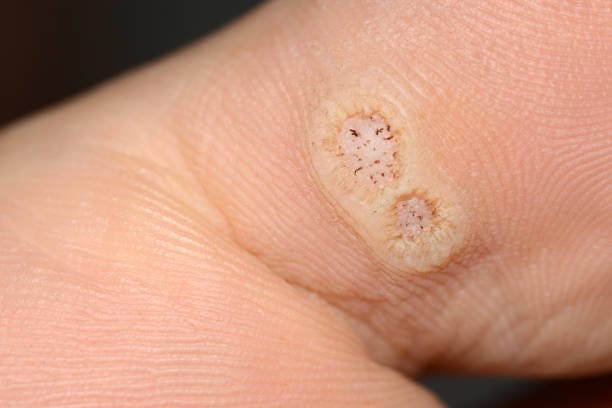
  • Plantar Wart: Also known as felucca, these warts are characterized by skin-colored or yellow appearance with black dots in the centre. They may be flat or bumpy and painful to touch. Their size generally varies since they have the ability to fuse together to create mosaic warts that may appear at any time and anywhere on the body. 
  • Genital Wart: These warts are caused by different types of the human papillomavirus and are one of the most popular sexually transmitted infections (STI) in London. Unlike the other three types, these require a different form of professional treatment for which you'll have to visit a good STI clinic. In appearance  they might appear as brown, gray, white pink or even red.

Lucky for us, Manchester proudly holds few of the most renowned wart removal clinics that specialise in wart-removal and patient aftercare. Let's dive deeper into the best clinics for wart removal in Manchester. 

Most Common Wart Removal Treatments

Although most warts are completely harmless and tend to go away on their own with time, some require professional treatment.

Wart Removal Clinic Manchester

Such treatments work on strengthening the immune system in order to remove the warts safely and completely. Some of these are painless but may take weeks or even months to succeed.

Some of the most common wart removal treatments are:

Salicylic Acid

Salicylic acid, especially when fused with other treatment methods, is the most cost-effective method that is used to treat warts. It works by removing layers of the wart, one at a time. 

Cryotherapy

Also known as freezing, this treatment involves the application of liquid nitrogen to the affected area. This causes blistering around the wart that kills the wart tissue and forces it to shed off completely. The procedure can be rather painful which is why it isn't suited to younger patients. 

Laser Surgery

This type of treatment is also known as photo-based therapy. It may be prescribed by a healthcare professional if other treatments aren't successful. It works by burning vessels inside the warts that cause it to dry and fall off with time. 

However, this type of therapy is known to show certain side effects, including pain and scarring. 

Curettage

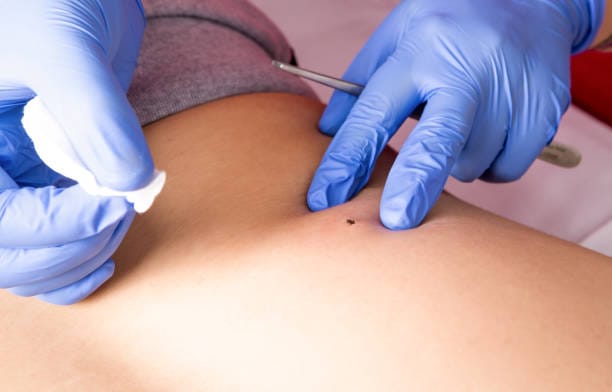
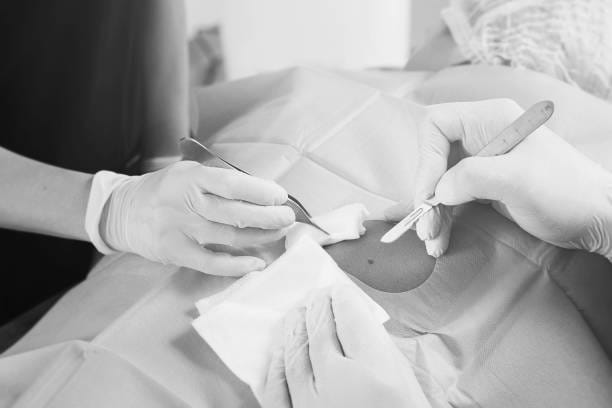
Curettage is a form of treatment that revolves around a healthcare professional using a sterilised tool known as a curette to scrape off the wart. It is commonly used in cases where the warts are extremely persistent, especially on the feet. A single appointment is enough for a proper curettage.

Candida Antigen

This form of treatment is not approved by the FDA but it may be administered in cases other treatments haven't been very responsive.

It involves injecting the Candida Antigen into the body which triggers the immune system to fight against the virus that is causing the warts to appear.

This treatment removes all warts on the body, even the ones that aren't very close to the infection site. 

Best Clinics for Wart Removal in Manchester

Wart Removal Clinic Manchester
  1. Revitalise London Dermatology Clinic 

Revitalise London Dermatology Clinic is the only premium wart removal clinic that guarantees remarkable treatment strategies and successful results. With an exceptional team of healthcare professionals, it ensures the best possible care for each of its patients.

It offers a wide array of dermatological treatments including:

  • Fungal nail infections treatment
  • Genital wart removal
  • Verruca and Plantar warts removal in London
  • Wart removal 
  • Skin tag removal 

2. sk:n Clinics Manchester

sk:n Clinics proudly holds the award for proving itself as UK's most leading dermatology, laser and skin expert. For decades, it has been helping feel more confident in their skin. 

It is globally characterized by its most qualified team of professional healthcare providers that believe in excellence and patient wellbeing. 

Their services include specialised skin treatments, especially wart removal and screening facilities.

3. CLNQ Clinic

CLNQ is a clinic that was founded back in 2018 by the renowned plastic surgeon Mr. Reza Nassab. It specialises in treatment methods, using state-of-the-art technology and a remarkable team of medical professionals. 

CLNQ believes in providing care tailored professionally to each of its customers. With flexible treatment plans, medical workers at CLNQ ensure effective care not only before but after the procedure as well. 

3. Manchester Private Hospital

This technologically large medical facility specialises in treatment procedures that ensure proper removal of the wart. 

The treatment methods it provides include

  • Laser Surgery 
  • Cryotherapy
  • Electrosurgery 

Thanks to its patient-centered approach, MPH guarantees the best aftercare for its patients. It also believes in the power of allowing its patients to recover at home post-surgery to make way for a smooth and speedy recovery. 

5. Canova Medical 

The Canova Medical Dermatology Clinic provides wart and skin tag removal services by experienced plastic surgeons. Their treatment methods include not just surgical, but non-surgical procedures as well. 

A few of the procedures it conducts are:

  • Cosmetic surgery
  • Orthopaedic surgery
  • ENT surgery
  • Non-surgical treatments
  • Laser treatments
  • Obagi skin treatments

6. Inskin Clinic

Situated in Altrincham, Manchester, Inskin Clinic is an advanced aesthetic medical facility.  It specialises in providing professional skin treatments and cosmetic procedures at cost-effective prices. 

Some of the treatments it offers are:

  • Acne treatment
  • Double chin treatment
  • Laser hair removal
  • Wart removal
  • Nasolabial fold lifting

7. Manchester Dermatology Clinic

Located at Manchester's City Centre, the Manchester Dermatology Clinic promises expert dermatological treatment for patients seeking advanced medical care, that too at the most affordable cost. Follow up sessions are also free-of-charge after treatment. 

Healthcare practitioners at the MDC ensure a safe and peaceful environment for the patients by giving each individual the right amount of time and consideration. They follow a strict patient-centered approach and consider patients of all ages and needs. 

Making the Right Choice: Seeking Exceptional Care

Speaking of exceptional patient care, the one wart removal clinic that undeniably stands out among the rest is Revitalise London Dermatology Clinic. This institute promises not only advanced treatments but also guarantees successful results. 

Unlike most clinics, Revitalise London stands tall in its confidence in providing the best healthcare services to each of its patients. With cutting-edge equipment and an unbeatable professional medical team, its competence remains unmatched.

Let's look into a few of the many reasons why visiting Revitalise London Dermatology Clinic might be the best choice you ever make to get rid of all your warts.

Expertise and Qualifications

London's No.1 Clinic, Revitalize London, has the most qualified healthcare professionals on its back. With expertise in cosmetic and surgical treatments, each member of the team surpasses the other in terms of giving the best care to their patients. A new and unique treatment plan is crafted for every newcomer, tailored especially to their needs and requirements. A 12-Month surgical guarantee is also given to assure that the problem is well taken care of. 

Meet the crew:

  1. Dr. Ken Otouke (Plastic Surgeon) - Specializes in Robotics and is a core member on the Board of Micro Surgery for the United Kingdom.
  2. Dr. Asif Bhatti (Plastic Surgeon) - Specializes in reconstructive surgeries. 
  3. Affifa (Patient Coordinator) - Highly qualified with experience in various domains.
  4. Stephanie (Patient Coordinator) - Known for ability to deliver exceptional customer service.
  5. Sofia (Medical Assistant) - A laboratory technician turned medical assistant. 
  6. Angelica (Medical Assistant) - Angelica unmatched assistant that knows exactly how to make each patient feel at ease. 
Wart Removal Clinic Manchester

Treatment Methods

Heavily skilled in providing the best dermatological care in all of the UK, Revitalize London offers a variety of treatment options to its customers. Some of these are:

Revitalize London provides the most efficiently crafted treatment options for the removal of all types of warts, no matter how stubborn. These include both surgical and non-surgical methods. 

Pricing: 

  1. Topical medication: £150
  2. Cryotherapy: £145
  3. Surgical excision: £395-£895

Revitalize London Specializes in the removal of this type of warts as well. A specialized team is needed to efficiently handle and remove them because they appear in the most sensitive areas of the patient's body.

They are either removed through over-the-counter medication or through more professional treatments such as cryotherapy and excision. 

Pricing:

  1. Medication: £150 per prescription
  2. Cryotherapy: £145 per lesion
  3. Surgery: Ranging from £395 to £995 depending on the size, nature and complexity of warts removed

Revitalize London's unbeatable performance in treating verruca and plantar warts speaks volumes for its success and patient satisfaction. 

Our specialized verruca team looks deep into the causes and conditions of the warts to make sure that the treatment generated would help the patient heal well and fast. 

Pricing:

  1. Consultation Fee: £95
  2. Cryotherapy: £145
  3. Excision: Starting £295

Through a mole removal clinical assessment, the best type of treatment is provided by the healthcare staff at Revitalize London. Depending on the characteristics of the mole, a suitable option is selected to make sure that the patient's health and comfort is always put first.

Pricing:

  1. Consultation Fee: £150
  2. Cryotherapy: £145
  3. Excision: Starting £395-£895

Professionals at Revitalize London not only provide specialized podiatric professionals, but they also advise over-the-counter antifungal wherever required. 

Before any treatment is commenced, the team of healthcare professionals run the patient through a special session in which they are properly informed about benefits of each procedure and their efficacy rates.

Suitable treatment plans for the Fungal nail infection are crafted according to the patient's medical history and the severity of the infection at hand.

Patient Reviews

With a 4.5 Star rating, Revitalize London holds a dear place in people's hearts. With their sheer determination to give the very best treatments to each of its clients, it has earned the trust of uncountable people through the years. 

Wart Removal Clinic Manchester

Let's look into some of its most recent testimonials:

‘Thank you to the Revitalise team! Had a lipoma removed today after calling this morning! Fast and convenient service with great results’

  • Sam Singh

‘Medical assistant Jonny and Dr. Ken Otoute provided excellent wart removal services, exceeding, in my professional opinion, the quality of care offered by the NHS.’

  • Richard

Everyone is so lovely and they made me feel very comfortable. The Dr was very good too. This is the first time its not become infected after and it healed amazingly.’

  • Renee King

Friendly professional service and efficient. Verucca removal.’

  • Bob

Dr Otuoke and his team were extremely nice and very professional. They had a good sense of humour and kept me relaxed throughout the process. I was in and out in no time and would recommend it to anyone. I’ll be back’

  • Dom

Aftercare Services

The best and most adored quality of Revitalize London is that the clinic staff not only focuses on pretreatment but on post-treatment as well. Patients after treatment/surgery are treated with just as much care  and consideration. 

Unique post-treatment plans are made that ensure a smooth healing process for the patients and a recovery that actually lasts long-term. This is done through routine follow-up sessions by the doctors themselves.

Cost and Benefit

Depending on the intricacy of the type of treatment required, flexible payment plans are offered by the clinic. Its patient-centered approach puts more attention on the health and well-being of the patient, rather than on pricing. Insurance plans are also offered to those interested. 

Aftercare: Making Recovery Smoother 

Getting the right treatments for your wart-problem isn't really the end of the game; ensuring proper care after treatment is just as important to guarantee a speedy and smoother recovery and avoid further complications. 

Here are a few tips on how you can make sure those bumpy warts don't come running back:

  1. Keep the treated area clean and dry
  2. No scratching
  3. Change dressing whenever and if needed
  4. Avoid using irritants that might trouble the treated site.
  5. Keep an eye out for any signs of an infection (e.g. redness and irritation)
  6. Avoid heavy-work especially in case of plantar warts
  7. Don't miss regular appointments with your healthcare provider
  8. Do not share personal items such as towels and razors
  9. Pay good attention to the instructions given by your healthcare provider for effective aftercare

The Takeaway!

Manchester offers a diverse selection of clinics specializing in wart removal, each with unique strengths and treatment options. Our article will help you navigate through the most popular ones and understand why Revitalize London Dermatology Clinic is London's No.1 Dermatology Clinic for wart removal. 

With an unbeatable team and a long list of happy patients, this clinic is ready to serve you with an experience you won't forget. So, get ready to wave that wart goodbye while you make your way to your next favourite Dermatology Clinic.

Read more...

Affordable Wart Removal Manchester: What Are Your Options?

Affordable Wart Removal Manchester

Introduction

Warts are widespread and may form on various parts of a person's body. However, they are generally harmless. The HPV causes them to resemble small, circular, rough patches on the skin. Though benign, they may irritate the skin if they form in sensitive areas. 

It is important to remember that warts are contagious and can be spread further through contact with other infected individuals, which is why you need to get them treated as soon as possible. They can also be caused when you come into contact with objects that are already contaminated, such as towels and shoes. 

If not taken seriously, the warts may spread to other parts of the body or even other people you are in close contact with. Not to forget, warts that are positioned in places that are exposed to the public such as the hands and face can cause major setbacks to your confidence and self-esteem. Addressing these little troublemakers can help make the process of getting rid of them much easier, boosting your confidence and self-esteem in the long run. 

There are various options for affordable wart removal in Manchester. Some of these are over-the-counter, while some more professional treatments are also available. 

Over-the-counter solutions are more affordable compared to professional treatments. In the following article, we will discuss all the pros and cons of all types of solutions for warts. We will discuss home remedies for warts and treatments that are available in clinics in Manchester. 

Understanding Warts

Different kinds of warts can appear on different parts your body. To decide what treatment you want to go for you must first understand what type of wart you are dealing with. Here are some of the most common warts that appear frequently:

Common Warts: Common warts, as the name suggests, are the ones that appear the most and are mostly found in places like your fingers, feet, and hands. These are not dangerous and can be removed easily using over-the-counter or sometimes professional treatments. These are only annoying and cause discomfort when they appear in places where there might be friction.

Plantar Warts: Plantar warts mostly form at the bottom of your feet. These are flat, unlike the common warts due to the constant pressure from walking. These form inwardly and can be very painful and cause a lot of discomfort. 

Flat Warts: Flat warts are much smaller compared to other warts but these do appear in clusters rather than being spread out. They are shaped like a plateau with a flat top. These are smooth and do not have a rough surface like common warts. They commonly target teenagers and children in places like the face, neck, and arms. 

Genital Warts: Genital warts are transferred from one person to another sexually and are caused by a specific type of HPV. You need to deal with these as soon as possible due to their sensitive location. They may cause you irritation which may make everyday tasks very uncomfortable for you. 

Warts are infections that are caused by direct contact with someone else who has the virus. Each of these has more than 100 strains. This can infect the skin straight through its surface and also through cuts. People with weak immune systems are more likely to get the warts. 

You should seek treatment when warts are persistently forming on your skin and not going away. You should also consider treatment if the warts forming are causing you any kind of pain. Addressing the warts situation early makes it easier for the professional to get rid of them because if they are left for long they may increase and also become more stubborn and not fall off easily during treatment. 

Why Consider Wart Removal

Warts can be and seem harmless at first. However, having warts in places visible to the public may affect a person's confidence and emotional well-being while some warts may spread rapidly to other areas of the body. We will now get into why you should get rid of the warts that have formed on your body. 

Affordable Wart Removal Manchester

Prevent Discomfort and Pain: Some warts like the plantar warts can be very painful as they form at the sole of your feet and experience constant pressure. The constant pressure allows you to feel pain whenever you walk and put weight on your foot. If you are into sports it will also affect your performance during play. Also, if your warts are formed in a place where there is constant friction, you should address it quickly as that can also be very uncomfortable. 

Stop the Spread: Warts are highly contagious and can also transfer to people that you are close to. They can transfer through contact or even by sharing items. This is why you should address them and get rid of them as soon as possible so that you do not infect and have an impact on other people as well. 

Restore Confidence: Warts that are located in places that are visible to the public can affect a person's self-esteem and confidence. They can cause you to be embarrassed and avoid social interactions. So getting rid of the warts can restore your confidence and bring your old self back. 

Prevent Complications: If warts are left unattended for too long they may spread to different parts of your body and create clusters. They can also cause infections in your skin which will then become a headache for you to resolve which is why it is best to address them at the beginning stage rather than prolonging the process for no reason. Genital warts can be very dangerous and should be addressed immediately. They also come with a threat of different types of cancers. 

Avoid Long-Term Persistence: Warts can take several weeks and even months to disappear on their own which is why some people look for treatments to speed this process up.

While looking for treatment options you need to weigh out the options and choose one according to your budget. There are many different opinions on prices at various price points. It is up to you to choose which one is best for you. It is important to choose a balance of quality and pricing. Cheaping out could mean that maybe the clinic does not focus on hygiene and is maybe not good at the job at hand. 

Affordable Wart Removal Options in Manchester

You will be happy to know that there are quite a few options for affordable wart removal in Manchester. They vary from over-the-counter options to professional treatments available in clinics that may cost a bit more. Different wart removal options are available for different types of warts.

Over-the-Counter Treatments 

Over-the-counter options are for non serious cases of the warts. They are affordable and convenient for the customer. However, they might not be as effective as professional treatments available in clinics. But these solutions offer good value due to the price points they are available at.

Salicylic Acid-Based Products: Salicylic acid is the most widely used solution for warts. It is easy to use and readily available at any pharmacy or retail shop in your specific area of Manchester. Salicylic acid works by softening the infected area and allowing it to disappear slowly. Salicylic acid is available in liquid form and also in the form of pads. 

Cryotherapy Kits: Cryotherapy kits allow you to freeze the warts off your skin. With enough exposure to the cold, the warts eventually fall off completely from the skin. Cryotherapy kits use liquid nitrogen to freeze off the warts. They are effective for smaller warts but may not be as effective against bigger ones which may require professional solutions.

Wart Creams and Gels: Wart creams work similar to Salicylic acid. They are also cheap and easy to apply. They also work by breaking down the wart tissue and slowly helping the warts disappear. These are also widely used as they are very easy for the consumer to use. 

Home Remedies

Home remedies are the first thing people think about when dealing with warts as they do not want to go through the hassle of booking an appointment and going to a professional clinic. It is important to know that home remedies may not be as effective and efficient as professional treatments from clinics that have been removing warts effectively for a long time. Home remedies are good options for affordable wart removal in Manchester. 

Apple cider vinegar: Apple cider vinegar is used in lots of households by many people to remove warts. The vinegar is very acidic which helps break down the tissue and remove the warts from your skin.

Duct tape method: A not-so-common way of removing warts is by applying duct tape on it and then letting it be for 6 days. Then after taking the duct tape off you soak the wart in lukewarm water until it becomes soft. Then you use a nail filer to file the wart and make it smooth. You must then repeat the process until the wart falls off or disappears on its own.

Aloe Vera method: Aloe Vera is very soothing on the skin and also feels very nice. It is also used to remove warts as it can help heal or at least reduce the size of warts. You should extract aloe vera freshly and then apply it to your skin. Then cover the wart and Aloe vera using a bandage and do so until the size of the wart decreases or it is completely off. 

Local Clinics and Dermatologists 

Not all warts can be removed with the help of home remedies. Some require more professional attention. This is why many people go to clinics to get their warts removed by professionals who are trained in this field. 

Affordable Wart Removal Manchester

Laser Therapy: Laser therapy uses heat that is created by a beam of light to remove warts. This is very efficient option and does not require more than two visits to the clinic to get rid of all your warts. This treatment is a bit expensive compared to all the other home remedies and over-the-counter treatments. This process is very efficient and normally used for warts that are very stubborn and that do not fall off easily.

Surgical Removal: This is normally used only for warts that are very big and that do not come off easily at all. It involves cutting and scraping the wart off of the skin. This option is also the most expensive compared to others. It is normally used after the other methods have failed. After the warts are cut and filled they are bandaged to prevent infection of the cut after the surgical procedure. 

NHS Options

The NHS provides services for those who are looking for cost-effective ways to get treated. Their services are either free or charged for the services and equipment that may be used during the procedure. 

But bear in mind that most of the time the fee is very minimal. They will first check whether you are eligible for NHS treatments. They will first assess the situation and see if the warts are actually causing you any discomfort or if you only require this process for cosmetic reasons. The waiting times are high for NHS treatments as they are high in demand. They offer services just like any other clinic you might go to. This is an affordable option for wart removal in Manchester.

Insurance and Payment Plans

Most private medical facilities in Manchester cover effective treatment of warts in their plans. But, not all kinds of procedures for wart removal are covered by private insurance. 

The specific treatment that you might want may not be covered by your insurance. If you are just looking to get your warts removed for cosmetic reasons then it is most likely that the insurance will deny your claim. It will be only covered by the clinic/hospital insurance will only cover it if it is necessary to get the treatment if the warts are causing you some type of discomfort. 

Therefore, before booking an appointment you should get in touch with your insurance company and see if the procedure you are about to get is covered by them or not. 

Choosing the Right Option For You

The first thing you need to do to choose the right option is to first identify the type of wart that is forming on your body. 

Without knowing the kind of wart it is impossible to choose the correct option. If you are facing discomfort and pain the best option would be the NHS as that would be the cheapest and best option for you. 

Whereas if you are not short of funds and do not want to wait around, a private clinic would be the best fit for you. If the warts are small and not harming you in any way then you can easily try any home remedy or over-the-counter solution mentioned above.

Preventing Future Warts

Getting rid of warts is one thing but guaranteeing that they do not come back is another. To prevent them from coming back you must maintain good hygiene as these spread from the contact of people with one another. You should regularly wash your hands and disinfect areas of your house where you might think there are germs such as the shower and gym. 

You should also wear closed shoes rather than wearing flip-flops. This will help keep your feet protected from the germs outside. Try not to touch any wart present on your body if there are some to stop them from spreading to other parts as well. 

Conclusion 

There may come a point wart removal is very important. Firstly it is bad hygiene to have a body full of warts. Secondly, it will affect your confidence in public as well as your self-esteem. Some people are also very embarrassed by their warts. This may cause them to avoid social interactions altogether.

It is also very crucial to make sure to prevent warts from coming back in the future to avoid going through the same cycle of treatment, cure and prevention once again. This can be done by maintaining hygiene and reducing germs from your daily life. Wear closed shoes and even gloves while dealing with objects that might contain germs. 

In short, there are plenty of affordable wart removal options in Manchester. It is up to you to choose what is best for you and what suits your budget and your specific type of wart. 
In case you are still confused about what options to choose, visit the Revitalise London Dermatology Clinic's homepage to discover new affordable wart removal options in Manchester.

Read more...

Wart Removal for Sensitive Skin: Best Options and Safety Tips

wart removal for sensitive skin

When your skin is sensitive, dealing with warts is frustrating. However, warts — caused by the human papillomavirus or HPV — can appear anywhere on the body, and not every wart is easy to remove. Depending on sensitive skin, finding the proper method to remove warts is essential to avoid irritation and damaging the skin further.

Treatments for sensitive skin need special care and attention, and it’s essential to understand what treatments will not damage sensitive skin just as much as they help. In this article, you’ll learn the best wart removal choices for delicate skin and tips to protect from complications while being treated. Whether you’re on the hunt for home remedies or professional treatments, you’ll find skin solutions that work for your skin type. Let’s dive in!

 Sensitive Skin and Warts

When your skin is sensitive, it is easier to irritate, red, and inflamed when you come in contact with specific products or treatments. If you have sensitive skin, it’s crucial to make sure that the wart removal method you use won’t make your skin react unpleasantly. Harsh chemicals, rough textures, or intense treatments can all be too much for sensitive skin, meaning it’s more likely to have adverse side effects.

Small growths caused by the human papillomavirus (HPV) are known as warts. For the most part, they are harmless, but they can be unattractive and occasionally painful. Some people may have more discomfort during the removal process or even suffer from longer-term irritation following treatment.

The first step is to understand your skin type and the nature of the warts in question you want to treat. Warts may be small to large, located almost anywhere on the body, and cause varying degrees of discomfort. 

But how do you remove a wart safely without causing sensitive skin to become irritated? So, let’s see what the best option is next!

Best Method for Wart removal for sensitive skin.

When it comes to Wart removal for sensitive skin, it has to be done very carefully to avoid irritating or damaging the surrounding skin. To your relief, there are treatments of all kinds that can be gentle and also effective. We’re going to take you through the best wart removal methods specifically for people with sensitive skin, as shown below.

Over-the-Counter Treatments

The first thing people start with is over-the-head wart removal treatments since they are easy and convenient. The active ingredients in these products are generally salicylic acid or a cryotherapy spray that is meant to remove warts at a slower rate.

  • Salicylic Acid

How It Works: Softening and eventually breaking down the wart tissue through time is what salicylic acid does. The active ingredient hits the keratin inside the wart and dissolves it, allowing the wart to fall off itself.

Why It’s Ideal for Sensitive Skin: Salicylic acid is easily accessible in concentrations suitable for sensitive skin. Types are gels, creams, and pads to give more control. But it's essential to use a lower concentration when you begin.

How to Use: Put a small amount onto the wart and cover the surrounding skin with petroleum jelly to reduce the possibility of irritation. For several weeks, you’ll need to repeat the process until the wart disappears.

Pro Tip: Patch test the product before applying it to the wart. Now, your skin won’t rebel and have a negative response.

  • Cryotherapy Sprays

How It Works: The sprays work by freezing the wart, using a mixture of dimethyl ether and propane that kills and shrivels the tissue, and it falls off.

Why It’s Ideal for Sensitive Skin: Professional cryotherapy treatments use liquid nitrogen; cryotherapy sprays are much gentler. The formulation of these at-home sprays also has minimal irritation to the adjacent skin.

How to Use: Use the spray to apply to the wart directly as directed. The wart should freeze and fall off after a number of applications, though these can take anything from a few days to a couple of weeks.

Pro Tip: Do not spray the solution on non-wart areas of the skin. Then, apply your product to the location where you want it to go, using a cotton swab to limit the area.

Treatment by freezing – also known as cryotherapy.

Cryotherapy is one of the most common types of treatments for wart removal, including for very sensitive people. Freezing of the wart with liquid nitrogen destroys the tissue so that it breaks down and falls off in a few days.

What It Involves:

A healthcare professional does this with liquid nitrogen to freeze the wart. The procedure is rapid and works by damaging enough of the wart’s cells that it disappears. A blister forms around the wart after it has been frozen, and the wart comes off within a few days.

Why It’s Ideal for Sensitive Skin:

While cryotherapy involves freezing the wart, if performed correctly, this safe and effective option is acceptable for people with sensitive skin. The trick is to apply the freezing agent just right so it hits only the wart tissue, not the surrounding skin.

How to Use:

For those of you with sensitive skin, cryotherapy for wart removal should never be attempted at home and ideally shouldn't be done even by a trained professional. Exposure to liquid nitrogen can be irritating or even frostbite. The size and location of the wart may determine if it’s treatable in one session or may require multiple sessions.

Pro Tip: Side effects of cryotherapy include mild discomfort and redness after the procedure, but each should be short-term. Soothe the skin post-treatment with aloe vera gel.

Laser Wart Removal

Laser wart removal is an advanced method of treating warts by using a focused beam of light that damages the wart tissue. Being minimally invasive and precise, it’s an excellent option for people with sensitive skin.

What It Involves:

 If the treatment is done with a laser, a trained dermatologist uses the laser to highlight the wart, which consequently kills the wart’s blood vessels and causes the tissue to die. It's a very controlled process, and the doctor is able to avoid damaging the surrounding skin.

Why It’s Ideal for Sensitive Skin:

This laser removal procedure is a non-invasive one that usually has minimal to no irritation to the skin. Because the focused light energy is only applied to wart tissue, oversensitivity to surrounding sensitive areas is minimized. This treatment is perfect for deep and treatment-resistant warts.

How to Use:

Laser wart removal is done in a dermatology clinic or even in a unique medical setting. The procedure is quick, usually taking 15 – 30 minutes, depending on how many and how large the warts are. During the procedure, some mild discomfort occurs, but most patients find it tolerable.

Pro Tip: If warts are more extensive or more stubborn, several treatments may be necessary. Your dermatologist may tell you to use a mild moisturizer or ointment after the procedure to keep the skin moist and to relieve any inflammation.

Natural Wart Removal Remedies

Those with sensitive skin and those preferring a more natural approach can use several home remedies for wart removal. Gentler on the skin, but they may need to work more quickly, are these methods.

wart removal for sensitive skin
  • Apple Cider Vinegar

How It Works: You know that apple cider vinegar is acidic, so it should help break down the wart tissue. Acid from the vinegar may dry out the wart and make it come off.

Why It’s Ideal for Sensitive Skin: A natural remedy, the apple cider vinegar is often not as harsh a chemical. Yet it’s best not to use the vinegar straight away as it can irritate.

How to Use: Dilute apple cider vinegar on a cotton ball and put it on the wart. You apply a bandage covering it overnight for a couple of days, continuing the process until the wart is gone.

Pro Tip: Don’t use vinegar straight on the skin because it can lead to irritation; always dilute the vinegar with water (1:1 ratio).

  • Aloe Vera

How It Works: It is well known that Aloe Vera possesses properties that cool off and heal inflammation, which is why it’s the ideal cream for sensitive skin. Not only may it reduce irritation and help promote healing, but it also helps reduce the wart.

Why It’s Ideal for Sensitive Skin: It’s gentle and should keep the skin calm, therefore making aloe vera an ideal choice for delicate areas.

How to Use: After that, apply fresh aloe vera gel to the wart and leave it on for 15-30 minutes before you rinse it off. It should be repeated twice a day for the best results.

Pro Tip: Be sure to use a pure aloe vera gel that’s entirely additive and fragrance-free.

  • Tea Tree Oil

How It Works: The very antibacterial and antiviral properties of tea tree oil will get to work against the exact virus causing the wart. It also has a drying effect that could help clear the wart out a little at a time.

Why It’s Ideal for Sensitive Skin: Ingestion of tea tree oil is potent, but it's gentle when diluted correctly, which may make it a good choice for sensitive skin for that reason.

How to Use: If you have tea tree oil, mix it with a carrier oil and rub it onto the wart. Wash it off, but leave it on for several hours or overnight.

Pro Tip: Make sure to patch-test tea tree oil before you use it on larger areas. To see if your skin will react.

Best Wart removal for sensitive skin —Safety Tips

For those with sensitive skin, safety is a priority when removing warts. If you’re not careful, even the most gentle treatments can irritate. Below are practical safety tips to help you have successful wart removals and, at the same time, keep your skin protected.

wart removal for sensitive skin

Product patch test first.

Such skin is vulnerable to reactions -- so always patch-test any treatment or remedy you apply.

How to Patch-Test: Lightly apply a small amount of the product to some healthy skin (such as the inside of the forearm). Redness, itching, or irritation can occur one day or more after nanochemistry treatment; check after waiting 24–48 hours.

Why It’s Important: The use of patch testing can prevent established reactions to applying treatments directly onto the wart.

Protect the Surrounding Skin

For those with sensitive skin, the area around a wart is in itself as important as the wart itself.

How to Protect: During treatment, shielding the skin around the wart with petroleum jelly or a barrier cream is a good idea. It reduces the chance of exposure to harsh ingredients by accident.

Pro Tip: If using adhesive patches, be sure they stick only to the wart and not to sensitive skin.

Follow Instructions Carefully

For both over-the-counter treatments and professional services, whichever way you use them, make sure you do it exactly according to the given directions.

For OTC Products: Take just the dosage and frequency as advised. Using treatments too much can cause skin to become damaged or irritated.

For Professional Treatments: Make sure you know what post-treatment care is, keeping the treated area clean and hydrated.

Don’t Scratch or Pick at Warts

While we might find scratching at warts tempting, it can actually make things worse.

  • Why Avoid It: You can pick at warts, but this spreads the virus to other parts of your body or causes an infection. On sensitive skin, however, this can be more irritating and cause scars to form.
  • What to Do Instead: Bandage or patch the wart to keep from accidentally rubbing the wart.

If in Doubt – Choose professional treatments.

When OTC products or home remedies don’t work, the safest thing to do is to consult a dermatologist.

  • Why It’s Better: Treatments can be tailored by professionals according to your skin type, so they know that treatment will remove the wart without affecting delicate areas.
  • What to Ask: Bring your concerns, as well as options such as cryotherapy or laser removal, to discuss.

Be Patient and Consistent

For people with sensitive skin, wart removal can take a while. Rushing the process or switching treatments too much can be worse than good for your vitamin D levels.

  • Stick to a Plan: Change one method at a time over a few weeks before deciding if they have a good or bad effect.
  • Gentle Persistence: Treatments for sensitive skin have to be slower and gentler to avoid issues.

After Treatment: Hydration and Moisturization

When you remove your warts, it’s essential to keep your skin moisturized so that it can recover properly and to help prevent your skin from becoming dry.

  • Use Gentle Products: Go with unscented and hypoallergenic moisturizers suitable for sensitive skin.

Pro Tip: After treatment, apply a soothing cream that contains aloe vera, or chamomile extract to alleviate redness or irritation.

Schedules for Post-Treatment Care for Sensitive Skin

Whatever is causing your warts to look like they do, you’re going to need to take appropriate measures to make sure they don’t come back in the forms that make you uncomfortable and embarrassed at the end of the day. Treatment care is needed in the days following to minimize irritation and reduce the risk of scarring and recurrence. Now, let’s look at some ways you can help smooth your recovery.

1. Keep the Area Clean and Dry

Hygiene is the first thing to heal.

Why It’s Important: If the wart is removed with surgical or chemical agents, cleanliness prevents infections.

How to Do It: Gentle, lukewarm water and a mild fragrance-free cleanser can be used to wash the area. Dry it with a clean towel pat.

2. Avoid Sun Exposure

Sensitive 'healing' skin may be irritated by direct sunlight.

Why It’s Important: The darkening of scars or redness in treated areas can be caused by UV rays.

Protective Measures: If you can, put loose clothing over the affected area or use a broad-spectrum sunscreen with SPF 30 or higher.

3. Soothing Ointments or Creams can be used.

After wart removal, it is recommended that you care for sensitive skin extra carefully.

Recommended Products: Calendula cream, healing ointments recommended by a dermatologist, or aloe vera gel.

Application Tip: Rub gently until the treated skin isn’t irritated.

4. Avoid Harsh Skincare Products

For the healing phase, avoid products that contain alcohol, acids, or strong fragrances.

Why It’s Important: But these can cause irritation and slow down the recovery.

What to Use Instead: Choose hypoallergenic, non-comedogenic, gentle on sensitive skin products.

5. Monitor Signs of Infection.

It is essential to look for any unusual symptoms.

Signs to Look For: Sometimes, it might get red and swollen, fill with pus, and become more painful.

What to Do: If these symptoms occur, see your dermatologist immediately.

6. Maintain Regular Follow-Ups

If your skin’s too sensitive, periodic check-ins with a dermatologist ensure the treatment is effective and healing is on track.

What to Ask: Talk about what they are doing to help skin heal and prevent future warts.

Choosing Wart Removal on Sensitive Skin with Revitalize London

At Revitalize London we provide gentle, effective treatments for sensitive skin. Our expert dermatologists understand the problems of getting rid of warts without irritating sensitive skin, and every procedure is designed to focus on your comfort and safety.

Sensitive Skin Tailored Treatment

From a safe topical solution to cryotherapy, advanced wart removal options, and laser therapy, we are able to provide the most advanced wart removal options. We take the time to make sure that your skin's specific needs are going to be met by our meticulous assessment and designing your personalized treatment plan for results.

Smart Technology

We use the most recent tools and techniques to perform precise, minimal invasive wart removal procedures. These are methods to minimize the possible discoloration, irritation, or scarring.

We are happy to contact you today to schedule your consultation and wart removal, especially for your sensitive skin!

Read more...

ElectroProcedure for Wart Removal: What to Expect  | Choosing The Best Revitalise London 

electrosurgery for wart removal

Have you been tired of dealing with annoying warts that just won't seem to leave you alone? Human papillomavirus (HPV) is the real cause of these irritating skin growths, which can be much more than annoying! They can make you feel uncomfortable and less confident. Some warts can be treated with over-the-counter remedies, but things get more complicated often, and the treatment needs something stronger, like electrosurgery for wart removal.

Electrosurgery is the most modern procedure for wart removal, offering fast and accurate elimination. It uses high-frequency electrical currents to remove the wart and protect the surrounding healthy skin. It’s quick, effective, and great for stubborn warts that don’t disappear with other treatment options.

Are you wondering why it’s so effective or how? In this guide, we’ll walk through the entire process step by step, overview the benefits, and offer tips for a fast recovery. Goodbye. Say goodbye to warts and hello to healthier, clearer skin with electrosurgery for wart removal!

Electrosurgery for Wart Removal

Electrosurgery is a highly effective medical treatment that uses high-frequency electrical currents to treat or remove unwanted tissue. This technique works its way on the wart you want to remove and aims to completely remove it without damaging surrounding healthy skin.

Electrosurgery is an advanced process that uses a specialized instrument called an electrode to send controlled electrical energy to the wart. The energy it produces simply generates heat, so the electrode cuts, vaporizes, or destroys the tissue. Unlike other procedures, such as freezing chemical treatments, which may not show instant effects, electrosurgery for wart removal delivers the results immediately.

How is Electrosurgery Effective?

Electrosurgery for wart removal isn’t so popular because it’s precise, versatile, and safe. It works well for various types of warts, including:

  • Common warts: Commonly found on hands and fingers.
  • Plantar warts: Knees: Living on the soles of the feet, they can cause much pain.
  • Large or resistant warts: Treating them is difficult with traditional methods.

Benefits of Electrosurgery

  • Quick Results: It is efficient as the wart is removed in a single session.
  • Precision: The wart tissue is affected only, and the skin around it is preserved.
  • Minimal Recurrence: This targeting the root of the wart decreases the chances for regrowth
  • Versatility: Although otherwise effective, it is perfect for stubborn, deep, or large warts that will not respond to other treatments.

Is It Safe?

Electrosurgery for wart removal is safe and effective if a professionally trained person performs it. Thanks to local anesthesia, the process is virtually painless, and it is performed in a controlled environment to reduce the risks of infection or scarring.

If you are bothered by continuous warts, electrosurgery provides an excellent, fast, and effective alternative to other wart removal methods.

Who Should Go For Electrosurgery For Wart Removal

For people who have persistent issues of recurred warts, electrosurgery for wart removal is the ideal treatment. This process wouldn’t be just as good for everyone. Knowing who might benefit from electrosurgery for wart removal is critical in deciding if it’s right for you.

Consider The Type Of Wart

Electrosurgery is effective for a wide range of warts, including:

Common Warts: These are raised, rough-textured, and usually found on the hands, fingers, or elbows.

Plantar Warts, which appear on the soles of the feet, can be painful, especially when pressure is applied.

Flat warts are smaller and smoother. They often occur on the face, legs, or arms.

Genital Warts: Treatment of genital warts may include electrosurgery, and so would need to be careful and sensitive, if necessary, as they are situated on genital regions.

Electrosurgery Is Ideal For You If:

Electrosurgery is most suitable for individuals who:

  • If you have stubborn or recurring warts, electrosurgery may be best for treating warts that don't respond to standard methods, such as freezing and over-the-counter treatments.
  • Are you looking for a precise, quick treatment? Electrosurgery for wart removal is a good choice because it delivers quick results with minimal downtime.
  • Healthy and without other medical conditions: Good patients for the procedure are people in good health who have no underlying conditions, such as uncontrolled diabetes, that may affect the healing process.
  • Not pregnant: Pregnant individuals should not undergo electrosurgery because the effects of electrical currents on a developing fetus are unknown.

Electrosurgery is an effective treatment for many, but it is always a good idea to speak with a dermatologist to ensure that it is your condition treatment for what you have.

The Procedure Of Electrosurgery For Wart Removal

If you're considering electrosurgery for wart removal, you will want a decent idea about the process and how it affects you. Getting ready and knowing exactly what will happen during the procedure. Here’s a step-by-step guide to what you can expect from start to finish:

electrosurgery for wart removal
  • Before the Procedure

Consultation is the first step when you arrive at your dermatologist's office. Your dermatologist will examine the wart and discuss your medical history. The treatment area will then be cleansed with local anesthesia. The anesthetic numbs the area around the wart during the procedure so you won’t feel major pain.

  • During the Procedure

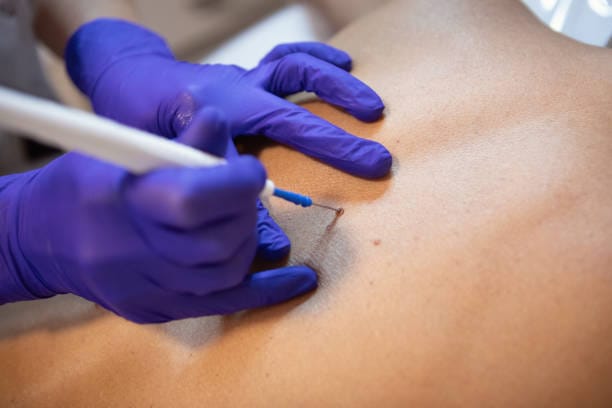
Your dermatologist numbs the area and then applies high-frequency electrical currents to the wart with a fine electrode. The electrical energy causes the heat to vaporize the wart tissue. The local anesthetic helps numb the area so you don’t feel discomfort. You can’t feel anything more than a slight warmth or tingling sensation.

The procedure usually lasts 15 to 30 minutes, depending on the size and location of the wart. It may take longer if you are treating more than one wart.

  • Post-Treatment

Once removed, the wart will be cauterized to seal the wound and prevent bleeding. Afterward, your dermatologist will protect the site with a bandage. After the procedure, you may feel mild discomfort, redness, or swelling, but these side effects soon disappear.

People return to work the day after treatment or within 24 to 48 hours. However, following the aftercare supervision suggested by your dermatologist to support healing and avoid complications is important.

Electrosurgery for wart removal is a quick and efficient procedure with excellent results, minimal downtime, and recovery.

Perks of Electrosurgery For Wart Removal 

Electrosurgery for wart removal is one of the most effective methods of wart treatment, as electrosurgery benefits in various ways. If you're considering this procedure, here are some key benefits that may help you make an informed decision:

1. Precision and Accuracy

One of the most interesting benefits of seeing your dermatologist is that the high-frequency electrical current is delivered directly to the wart rather than treating nearby tissue that could cause additional burns and scar formation. This minimizes the risk of damage to surrounding healthy skin while keeping it clean and in control.

2. Quick and Effective

If you’re looking for a faster method, Electrosurgery for wart removal is all you’ll need. The procedure usually takes between 15 and 30 minutes and lasts longer for larger warts. Unlike other treatments that may require several visits, electrosurgery offers a one-visit treatment for the wart, resulting in immediate results. This is a great choice for people with busy schedules or those who want a quick fix.

3. Minimal Downtime

After electrosurgery for wart removal, most patients will go home with little to no downtime. Side effects, such as mild swelling, redness, or discomfort at the treated site, usually disappear within a few days. It’s an easy recovery time; most people will return to normal activities within 24 to 48 hours.

4. Long-lasting Results

Electrosurgery for wart removal is excellent and can cut down on recurrence. The wart is cauterized during the procedure by targeting it at the root, so there's a low chance of the warts returning. For this reason, electrosurgery is a reliable, long-term method of removing warts.

5. You can Use It for A Variety of Warts

Electrosurgery can treat all types of warts — common, plantar, deep, or large. It’s a versatile treatment, working on warts in various spots that are hard to reach.

Electrosurgery combines speed, effectiveness, and convenience, so it is an ideal electrosurgical device for the treatment.

 Aftercare and Recovery

Aftercare is critical to a successful recovery and reduced risk for complications after electrosurgery for wart removal. The procedure itself is a quick and straightforward process. However, how you care for the treated area afterward is important in healing. Here’s what to expect and how to take care of your skin:

1. Keep the Area Clean and Dry

Your dermatologist will apply a sterile dressing (bandage) to the treatment site immediately after the procedure. The area must be kept clean and dry to prevent infection. To keep the wound covered and protected, a dressing change may be recommended daily or as directed by your dermatologist.

2. Don’t Scratch or Pick at the Area

Refrain from scratching or picking at the area you've treated. Although it may be tempting, don't. Doing so can slow down the healing process, increase the chance of infection, and leave a scar. As your skin heals, a crust may form over the wart site. This is normal. Do not pick this skin area, as it may lead to complications. 

3. Apply Topical Treatments

Your dermatologist may suggest using a mild antiseptic or ointment to help the body heal itself faster and to help reduce the chance of infection. Follow directions on topical products and use them for skin healing.

4. Limit Sun Exposure

After electrosurgery for wart removal, avoiding excessive sun exposure for the first few weeks is important. Healing in the sunburned skin can take longer, and scarring becomes more likely. If you have to be out in the open, apply a broad-spectrum sunscreen on the area with SPF 30 or higher to protect your skin.

5. Follow-Up Appointments

If you need more time for the skin to heal, you could need a follow-up visit with your dermatologist to double-check your progress. At this appointment, they'll check the area of the treated wart that's healing, and if the scabs don’t heal well, they will make sure everything's healing just fine.

Following these aftercare instructions can ensure a fast and comfortable recovery with as few subsequent complications or discomfort as possible. Patients usually heal completely in less than a few weeks.

 Conclusion: Should You Do Electrosurgery for wart removal 

Electrosurgery for wart removal is a quick, effective, and accurate approach to patients not treated with over-the-counter treatments. For many individuals who want something to clear up warts quickly, electrosurgery offers just the kind of treatment they’re looking for, with nearly no downtime and lasting results on small and large types of warts.

The procedure is generally safe, but discussing the risks is important. You must also follow proper aftercare instructions for optimal healing. Working closely with a dermatologist, especially for electrosurgery, is a must since it will help determine whether electrosurgery is the appropriate treatment for your particular case and answer any questions regarding the procedure.

If you are nervous about the idea of facing those painful warts and want clean skin back again, electrosurgery is what you’re missing out on. It's quick, precise, nearly painless, and delivers excellent results – a great option for a reliable treatment.

At Revitalise London, our dedicated professionals are equipped to perform the most effective treatments, such as electrosurgery, to deliver smooth, wart-free skin. We can help you restore your skin’s normal beauty, and it’s easy to book a consultation to learn more today.

Why is Revitalise London the best place for Electrosurgery for Wart Removal? 

Here at Revitalise London, we know how upsetting it is when stubborn warts won’t heal or come back. Therefore, we offer effective, safe, and professional solutions such as electrosurgery for wart removal. Here’s what sets us apart and why you should trust us for your skin care needs:

electrosurgery for wart removal

1. Expertise You Can Trust

With years of experience, our team of highly trained dermatologists and skin care specialists are experts in electrosurgery. We maintain high standards of care and pride ourselves on staying updated with the latest skincare and medical treatment advancements. Our experts can treat all types of warts, from simple warts to more advanced cases, and they guarantee precision treatment and the best results.

2. State-of-the-Art Facilities

Advanced medical equipment means safe and effective treatments for Revitalise London. Our facilities prioritize patient comfort, featuring a clean, comfortable environment ready to put you at ease while in the building. We prioritize your safety and satisfaction from your consultation to the final follow-up.

3. Personalized Treatment Plans

At Revitalise London, we believe every patient is unique, so we create treatment plans to serve your patients' unique needs better. As part of your initial consultation, our specialists will first assess the wart, type, and location of these warts and their overall skin health. We’ll make a customized treatment plan based on this evaluation to maximize results.

4. Aftercare Comprehensive.

At Revitalise London, we provide detailed aftercare instructions to help you recover quickly and minimize the risk of complications. During your recovery period, we're always here to answer questions or address any concerns from our team. We also schedule follow-up visits to ensure you heal and are satisfied with the results.

5. Low Downtime and Convenience

We know that you value your time, so we will do our best to make the whole process as simple as possible. Most procedures at Revitalise London take 30 minutes or less and are quick and efficient. After treatment, you can return to your normal routine in minutes without downtime.

6. Focus on Comfort and Care

Medical procedures can be scary for some, but we put your comfort first at Revitalise London. We strive to make the entire treatment journey stress and pain-free for you by applying local anesthetics to ensure a pain-free experience or a calm and supportive atmosphere.

7. Happy Clients Proven Results

You can read our track record for yourself. Many clients we’ve helped have seen clear and wart-free skin with our advanced electrosurgery treatments. And their glowing reviews and testimonials demonstrate that they depend on and are satisfied with our services.Revitalise London offers a professional, patient-focused experience that yields the best results. Book your consultation today for our expert electrosurgery for wart removal services, and become proactive in the battle against your warts.

Read more...

Warts Recurrence After Removal: Causes, Prevention, and Treatment Tips

Warts Recurrence After Removal

Wart recurrence after removal is a common issue. That’s because it’s a problem that comes back repeatedly, leaving many people wondering. Warts are caused by the human papillomavirus (HPV), and they’re generally likely to come back. But why does this happen? It is like this virus itself.

HPV can stay on the skin after it goes away, so wait for the right time to resurface. Incomplete removal, reinfection, or a weakened immune system can all be part of the causes of warts recurrence after removal.

If you’re tired of dealing with stubborn warts that just won’t go away, it’s not your fault only. In this article, we will find out why warts recur and provide you with some practical pointers to help prevent them from happening in the first place. Read this to avoid further outbreaks in the future, and stay one step ahead if you’ve just treated a wart.

Reasons For Warts Recurrence After Removal

It is bad enough to deal with warts, and then warts recurrence after removal makes the experience even worse.  The fact that they keep coming back makes it even more frustrating. Breaking the cycle of Warts recurrence after removal means you have to know why they occur. Let’s explore the common causes:

1. The Persistent Nature of HPV

Human papillomavirus, or HPV, is a complicated virus that can stay in your skin even after removing a wart. Although the wart may seem gone, the virus sometimes hides under the surface, ready to attack again. That persistence is the biggest reason warts return after removal, even if the immune system doesn't completely kill the virus.

2. Incomplete Wart Removal

The roots of warts can penetrate your skin deeply. Unless treatment destroys all the warts, they will recur. In particular, at-home remedies usually don’t penetrate the skin deep enough to eliminate the virus, meaning warts will return when removed.

3. Everyday Contact With Virus

It’s highly contagious and easily spreads through skin contact or infected surfaces. You're risking reinfection if you’re sharing things like towels, razors, or shoes. Another frequent stool in warts recurrence after removal is walking barefoot in public places like gyms or swimming pools.

4. A Weak Immune System

Recurrent warts are usually acute viral infections; your immune system is your best defense against them. If your immune system is compromised or weakened due to stress, illness, or terrible lifestyle habits, you are more likely to have warts recurrence after removal. However, the chances of having warts recur after removal increases when the body is not strong enough to fight off HPV.

Environmental Factors & Habits

Warts love warm and damp areas. Shoes that sweat for a long time and walking barefoot in public places can provide perfect conditions for HPV to spread. Just a few small things, like keeping your feet dry and wearing sandals in shared areas, can greatly reduce the chance of a wart recurrence after removal.

Neglecting Follow-Up Care

Many people think that once a wart is gone, the problem is solved. However, the chances of wart recurrence after removal are higher without proper aftercare. Although warts are usually overlooked, aftercare instructions and follow-up visits ensure the virus is fully removed.

The Cycle of Warts Recurrence After Removal 

Warts Recurrence After Removal

It shouldn’t be like an endless cycle of wart recurrence after removal. Knowing what HPV is and its role in warts, practicing good hygiene, boosting your immune system, and choosing professional treatments reduce your chance of warts returning.

It’s all about preventive measures against wart recurrence after removal. To end the cycle for good, you still need to stay vigilant, follow recommended care, and choose successful treatments.

 Warts that Are More Prone to Recurrence 

Not all warts are the same; some types are more likely to recur after treatment. Knowing which warts are likely to recur can help you achieve your prevention goals and reduce the likelihood of future recurrence.

1. Plantar Warts

If you have plantar warts on the soles of your feet, you should know that they can keep coming back repeatedly. These warts can grow the best in moist conditions, like sweaty shoes, or in gyms and swimming pools. Too often, leftover viral particles in shoes or on surfaces can cause recurrence even after removal. Also, you may even reinfect yourself if you don’t practice proper foot hygiene after the treatment is completed.

2. Flat Warts

They’re small and usually flat in a bunch. They often appear on the face, neck, or hands, making them a highly visible problem. Flat warts also can spread from shaving or scratching, raising the risk of warts recurrence after removal.

3. Genital Warts

Specific types of HPV cause genital warts, and they are highly recurrent. Often, these warts respond poorly to treatment and may need several treatments. But if both partners are not treated on the same visit, the warts can reappear. This is because the area is sensitive, the virus is persistent, and they are particularly hard to eradicate permanently.

4. Periungual Warts

If warts occur around the nails, these are called periungual warts and are prone to recurrent infections since the infected area under the nail bed is hard to remove. If you are bitten or pick at these warts, you can spread the virus, and more growth will appear.

5. Filiform Warts

Also known as long, thread-like warts, these commonly grow on the face around, and more rarely around, the mouth and eyes. They may respond well to treatment, but their location makes them reactive to reinfection by touch or grooming habits.

Why Some Warts Stick Around Longer than Others

Some warts are more likely to recur because of their location, how deep they are in the skin, or how quickly they spread. However, areas with constant friction, shared surfaces, or moisture are especially vulnerable.

Knowing which kinds of warts are most likely to recur gives you more chance to protect yourself from them reappearing.

Preventing Warts Recurrence After Removal 

A painful thing about warts can be that they can come back even after being removed, but you can reduce, or even eliminate, the chances of this happening if you take proactive steps. Here are practical prevention tips to keep your skin wart-free:

1. Boost Your Immune System

A strong immune system is your first line of defense against HPV. Improve your diet by adding fruit, vegetables, and other nutrients, including vitamin C and zinc, which can boost your immune system. Regular exercise, getting enough sleep, and learning to manage stress also improve your body's ability to fight viruses.

2. Practice Proper Hygiene

HPV can spread through direct contact and contaminated surfaces. To prevent warts recurrence after removal:

  • Don’t share towels, razors, or shoes with other people.
  • Regular hand wash, especially after touching affected areas.

HPV thrives in moist environments, so keep your skin clean and dry.

3. Protect Your Skin

When broken or damaged, skin is an entry point for HPV, increasing the chance of reinfection. Wear gloves when performing activities that could cause a cut, and use a moisturizer to prevent skin cracks.

4. Be Careful in Public Spaces

Breeding grounds for HPV infection are public places such as swimming pools, gyms, and locker rooms. To avoid reinfection:

  • Wear sandals or flip-flops in shared showers or around the pool area.
  • When possible, disinfect equipment or surfaces before use.
5. Follow Aftercare Instructions

However, your skin may still be at risk for infection after wart removal. Diligently follow your healthcare provider's aftercare instructions. This may involve leaving him alone so the prescribed ointments can work their way in, removing the warts as best you can, or seeing a follow-up appointment to confirm that they’ve been removed.

6. Avoid Touching Warts

If you have warts, touching or picking at them can spread the virus to other parts of your body or back to the spot you initially treated. Washing your hands thoroughly is necessary if you must touch the treatment area.

7. Consider Vaccination

Some vaccines help prevent some strains of HPV, which lead to warts. While primarily intended to stop genital warts and cervical cancer, it can also lower the risk of other warts associated with HPV.

8. Use Antiviral Products

Over-the-counter products with certain antiviral ingredients can help suppress HPV activity on the skin. They can be used as a preventive measure in areas with a high chance of wart recurrence after removal.

Attempting to remove warts without considering these habits will increase their chances of returning. Consistently taking small steps can make a big difference in staying water-free.

Warts Treatments 

The good part is that some advanced treatments are available to safely remove them and greatly decrease the chances of a recurrence. Let’s explore some of the best options:

Warts Recurrence After Removal
1. Cryotherapy: Freeze the Problem

Warts can be treated with cryotherapy, a popular and effective treatment. The wart is frozen with liquid nitrogen to remove the infected tissue. In most cases, this quick procedure needs multiple sessions to complete removal. It works very well. Wart warts recurrence after removal is possible unless proper care is taken post-treatment.

2. Electrosurgery: Burn It Off

You’re probably familiar with the most effective wart treatment, electrosurgery, which means using electrical currents to burn the wart. This is a great method for large or persistent warts. Electrosurgery performed by a skilled professional decreases recurrence and follow-up care diligently.

3. Laser Therapy: Light Your Way to Clear Skin

Intense light beams called laser therapy are aimed at warts to destroy the infected tissue and lower HPV's activity. It is one of the most advanced options, especially for stubborn warts. It’s more costly than other methods but accurate, and the result lasts, too.

4. Topical Treatments: Gentle but Persistent

Prescription and even over-the-counter topical treatments such as salicylic acid gently work their way on warts by weakening tissue and generating the immune system’s response. These are slower than other options but are convenient and may help prevent warts from recurrence after removal if used regularly.

5. Immunotherapy: Build Your Body’s Defense

There is a chance the immune response might be weakened if warts recur. Immunotherapy strengthens your ability to fight HPV right on your own. Some options include antigen injections or topical immune booster creams, such as imiquimod. This removes existing warts and helps reduce the risk of new ones developing.

6. Surgical Excision: Removing the Root

Surgical excision may be necessary for warts that do not respond to all other treatments. A dermatologist physically removes the wart, removing the virus from the root. However, this method is effective and must be treated carefully afterward to avoid reinfection.

 Alternative Remedies: Be Cautious

Home remedies, such as duct tape or natural solutions like tea tree oil, sometimes don't work for stubborn warts. In most cases, the solution doesn’t address the root cause and may worsen the issue.

Choosing the Right Treatment To Avoid Warts Recurrence After Removal

The treatment depends on the type of wart you have. A dermatologist can customize a plan that reduces your chances of an allergic attack.

If you have stubborn warts, you can say goodbye to them and hello to healthier skin.

 Pre with the right active treatment Warts Recurrence: Practical Tips 

Getting rid of warts doesn’t mean getting rid of recurring warts. Here are the most effective tips to keep warts at bay:

1. Strengthen Your Immune System

Helping to fight is your immune system against the HPV virus that causes the warts. Boost your immunity with:

  • Fruits, vegetables, and lean proteins.
  • Experimentation with regular exercise will enhance overall health.
  • Yoga or meditation techniques of stress management.
  • The ability to sleep enough to allow your body to recover and regenerate.

A stronger immune system means your body is already better equipped to fight off HPV and prevent warts from coming back.

2. Practice Good Hygiene

HPV is a disease that is moist and warm. Clean and dry your skin to lower your chances of reinfection. Follow these hygiene tips:

  • Wash your hands frequently, especially after touching the shared surfaces.
  • Don’t share personal things like towels, razors, or nail clippers.
3. Don’t let the warts come in contact directly.

When you touch warts, the virus can spread to other areas of your body or another person. Wash your hands thoroughly afterward if you must treat an area with warts. Don’t pick at or scratch warts—it will spread the infection.

4. Protect Your Skin
  • HPV finds its way through little cuts, scratches, or damaged skin. Protect your skin by:
  • If you do activities that could cause abrasions, wear gloves.
  • Keep your skin moisturized to avoid drying out and developing cracked skin.
  • You need to avoid sun damage, which makes your skin more vulnerable, so use sunscreen.
5. Be Cautious in Public Space

HPV is commonly found in public places like swimming pools, gyms, and locker rooms. 

6. Vaccinate Against HPV

The HPV vaccine does not prevent warts but prevents certain virus strains from causing them. It is mainly used to prevent genital warts, but it can also protect against other HPV-related warts. If unsure if the vaccine is appropriate, talk to your healthcare provider.

7. Follow up with your Dermatologist.

If the wart is removed, schedule follow-up visits with your dermatologist to ensure the wart and the virus are gone. If there are any signs of recurrence, early detection could mean immediate intervention, stopping the cycle before it resumes.

Long Term Results Require You To Stay Vigilant

Preventing wart recurrence after removal requires vigilance, preventative lifestyle changes, and proactive care. By incorporating these practical tips into your routine, you can achieve smooth, wart-free skin with a reduced risk of a comeback.

Why Choose Revitalize London?

Revitalise London provides advanced skin treatments, including effective treatment for the recurrence of warts after removal. Our expert dermatologists use state-of-the-art technology to offer safe and lasting results. We’re dedicated to providing personalized care plans, a professional environment, and excellent service to help you achieve healthy, wart-free skin.

Read more...

Effective Plantar Wart Removal: EffectivTreatment Options and Tips for Success

Plantar wart removal

Plantar wart removal can be a never-ending battle. What are these stubborn, painful growths on the bottoms of your feet? They make walking and standing difficult. Plantar warts are caused by the Human Papillomavirus (HPV) and become infected when the virus enters through tiny cuts or cracks in the skin. When they have properly developed on the surface, they grow inward because of the pressure of body weight and can form hard, callused spots that can be hard to treat.

Plantar wart removal isn’t always easy. Most over-the-counter solutions only give temporary relief; improper care can cause recurrence. If left untreated, plantar warts will spread, causing more discomfort.

The good news? You don’t have to put up with it. No matter what kind of treatments are on your go-to list for Plantar wart removal, knowing how to remove a plantar wart is the first step to finding a solution that works. So, let’s delve into the best ways to beat this challenge and have your feet free from warts.

 What Causes Plantar Warts?

Human Papillomavirus (HPV) causes plantar warts. This common virus enters the skin through small cuts, scrapes, or weak points. It grows in warm, damp areas like public showers, locker rooms, and swimming pools, the most common places where the virus can pass from one person to another.

Once HPV has infected the skin, its cells grow surprisingly high rates, leading to a hard, grainy growth known as a plantar wart. Many, if not all, plantar warts tend to grow inward because of pressure on the parts of the feet where they would grow, such as the heel or ball.

How Does HPV Spread?

HPV is highly contagious. Infection results from direct contact with a plantar wart or surfaces contaminated with the viruses (such as floors or towels). One of the most common ways to get plantar warts is to walk barefoot in public places.

Plantar Wart Removal Risk Factors

Not everyone is at higher risk for plantar warts. Factors that increase your risk include:

  • Weakened immune system: It is harder to overcome HPV because of a less effective immune response.
  • Frequent exposure: Visiting some public swimming pools or gyms or going to public showers regularly.
  • Damaged skin: these small cuts, blisters, or cracked heels form an entry point for the virus 

The first step towards winning the fight against plantar warts involves understanding what causes them. The good news is that you can reduce the need for plantar wart removal in the future if you can avoid known risk factors and maintain good hygiene.

Plantar wart removal Common Symptoms 

You can look it up and identify the plantar wart or evaluate it by noting the signs and symptoms. If you know what to look for, you can address the issue before it gets out of control.

  • Hard, grainy growths: Plantar warts, which have a rough texture, usually appear on the soles of the feet.
  • Black dots: Inside the wart are tiny black nuts, or ‘wart seeds.’ They are clotted blood vessels.
  • Pain or tenderness: A plantar wart can be uncomfortable when you walk or stand on it, especially when that part of the foot bears more pressure, such as at the heel or ball.
  • Callused skin: Body weight pressure can push the wart inwards, resulting in thick, callused skin covering it.

Plantar Warts vs. Other Foot Issues

Plantar warts are easily confused with corns, calluses, or blisters. But unlike corns and calluses, plantar warts upset the skin's natural lines. However, consult a professional about plantar wart removal if the growth is painful and does not heal.

When to Seek Help

Professional intervention is often the best solution if plantar warts persist, multiply, or cause severe pain. Treatment as soon as needed reduces the risk of spreading and helps you become comfortable and mobile again.

Plantar Wart Removal Over The Counter Remedies 

Over-the-counter (OTC) treatments are the first defense against plantar wart removal. These solutions are easy to use, inexpensive, and available to many people, making them popular for stubborn warts.

1. Salicylic Acid Treatments

The most commonly used plantar wart removal ingredient is salicylic acid. This acid softens the tissue of a wart in gels, on medicated pads, and liquids. This works for plantar wart removal by simply peeling away the tissue over time.

How to Use:

  • Salicylic acid should be applied directly to the wart daily.
  • Warm water to add before you soak your foot will soften the skin.
  • When they are effective, they are enhanced by gently filing the wart with a pumice stone 

Pros:

  • Super affordable, and it’s a versatile solution 
  • The effects are generally gradual yet effective.

Cons:

  • It’s something that needs to be applied repeatedly over weeks or months.
  • It may irritate the surrounding skin.

2. Cryotherapy Kits (Freezing Sprays)

OTC cryotherapy kits mimic the way dermatologists get cold. These sprays use liquid nitrogen or other freezing agents to destroy wart tissue.

How to Use:

  • The freezing spray is applied directly to the wart according to package instructions.
  • If the condition suggests so, repeat it every two to three weeks.

Pros

  • The process is relatively simpler than some other treatments for plantar wart removal. 
  • The effects show up faster

Cons:

  • It’s not as powerful as professional cryotherapy.
  • It may not work for very deep-rooted or large plantar warts.

3. Adhesive Pads and Tapes

Salicylic acid-medicated adhesive pads are a convenient way to remove Plantar warts. Some people swear by duct tape therapy, which covers the wart to suffocate it and stimulate an immune response.

Pros:

  • Quite easy and inexpensive.
  • Non-invasive and low risk.

Cons:

  • Results may vary by person and take time.

The Verdict on OTC Remedies

Plantar wart removal using OTC remedies is a good starting point, but it won’t be an exaggeration to say that it might take quite a long time. If warts refuse to go away or cause pain after several weeks, it's time to consider professional treatment to remove them permanently.

Plantar Wart Removal With Professional Treatments 

Professional treatment is also possible when over-the-counter remedies fail to help you remove Plantar warts. Seek expert care if your plantar wart is difficult to treat, keeps coming back, or leads to painful complications.

Plantar wart removal
  1. Professional Cryotherapy

One of the most common professional treatments for plantar warts is cryotherapy or wart freezing. Liquid nitrogen is applied directly to the wart, freezing the tissue and killing it off. After a while, the body naturally throws off the wart.

How It Works:

A dermatologist or other healthcare provider temporarily applies liquid nitrogen (or carbon dioxide) to the wart.

Freezing can form a blister around a wart. Then the wart drops off.

Pros:

  • Stubborn warts can be targeted with this Plantar wart removal treatment
  • Quick and minimally painful.

Cons:

  • Bigger warts may need several sessions.

It takes some healing time. Discomfort and blistering can occasionally accompany it.

2. Electrosurgery: Burning Off the Wart

This form of electrosurgery uses high-frequency electrical currents (diathermy) to burn off the wart. It is good for larger, deeper plantar warts.

How It Works:

  • A small application of electric current destroys the wart.
  • The procedure is usually done under local anesthesia.

Pros:

  • Use on deep or resistant plantar warts.
  • Lower chance of recurrence with immediate results.

Cons:

  • Healing requires a few days and will leave a small scar.
  • It can make you uncomfortable afterward.

3. Laser Therapy

Laser therapy is a new way for Plantar wart removal with focused light directed at destroying wart tissue. Other treatments have failed, and it’s often recommended.

How It Works:

  • Doctors will use the laser to vaporize the wart tissue, leaving the surrounding skin untouched.
  • The vaccine also helps trigger your immune system to fight against the HPV virus.

Pros:

  • It is very effective, especially on recurring or hard-to-remove warts.
  • Minimal risk of scarring.

Cons:

  • More expensive than other treatments.
  • Complete removal may take just a few sessions.

4. Immunotherapy

It won’t treat persistent or recurrent plantar warts, but immunotherapy is still an option. Stimulating the body's immune system to fight HPV infection makes up this treatment. These species can be induced into an immune response by injections or topical agents.

How It Works:

  • Instead, it is applied or injected directly into the wart, an immune-boosting substance.
  • It helps to encourage the body to attack and destroy the wart tissue.

Pros:

  • It’s effective for warts that don’t respond to other treatments and keep returning.
  • Minimal side effects.

Cons:

  • It may take many sessions.
  • Often causes mild irritation at the site of treatment.

5. Surgical Excision

Surgical excisions are rarely needed, even if the plantar warts are deep, large, or resistant to other treatments. In this procedure, the wart tissue of the foot is cut out.

How It Works:

  • The wart is removed surgically after local anesthesia is applied.
  • Warts can vary in size and location, so your doctor may advise stitches.

Pros:

  • It offers a permanent cure for hardy plantar warts.
  • Good for warts that won’t go away with other treatments or are larger.

Cons:

  • It may leave a scar, requiring time for recovery.
  • Riskier than non-invasive methods.

What Treatment Do You Need For Plantar Wart Removal?

As with any health issue, there are a variety of potential options available for Plantar wart removal, and with the help of your doctor, you can ideally pick one. Like this, it’s easier to find what is best for you based on size, depth, location, and so forth, as well as your overall health and preferences. Consult a dermatologist or foot specialist, and he can recommend the most effective approach.

Preventing Plantar Warts: Avoid Recurrence Tips

Plantar wart removal may be effective, but at the same time, you need to follow some tips to prevent the recurrence of warts. This helps you maintain healthy, wart-free feet. Below are some practical tips on skipping future outbreaks and being less likely to acquire plantar warts.

plantar wart removal

1. Practice Good Foot Hygiene

One of the best preventive measures against plantar warts is keeping your feet clean and dry. Since the HPV virus lives in moist environments, you must wash your feet regularly and ensure they’re entirely dried. It’s important to pay special attention when washing between your toes.

  • Wash your feet every day with soap and water.
  • Do not let your feet become moist, especially between the toes.
  • Keep your feet dry in a warm, humid area by using antifungal powders.

2. Wear Protective Footwear

Wherever you won’t want to step barefoot—at the pool, in the locker room, at the gym, or in the showers—wear flip-flops or water-resistant shoes to protect your feet from HPV exposure. Don’t walk around barefoot to avoid the virus.

3. Direct Contact with Warts must be avoided.

Direct contact with warts, whether you or someone else’s, should be avoided. HPV is very contagious, and there is no cure, so do not touch warts. Cover them with a bandage in case you spread the virus to others.

  • Towels and footwear aren’t something you should share with someone who’s got warts.
  • Put a waterproof bandage over your wart until it’s fully healed.

4. Strengthen Your Immune System

Building a strong immune system can help fight the HPV virus and prevent wart formation. A balanced diet, regular exercise, and stress control can aid the immune system, enabling it to fight off viruses like HPV more easily.

5. Treat New Growths Quickly

Be sure to get treated if you see any new growths or spots. Prompt treatment can assist in preventing the growth and spread of the wart and, in the process, prevent the need for intensive plantar wart removal treatments.

Following these tips will reduce your chance of having plantar warts and eliminate the need for repeated treatments. Maintaining your feet wart-free will require extensive preventative care.

How to Tell When It’s Time to Seek Professional Help for Plantar Wart Removal 

Most plantar warts respond to over-the-counter treatments and home remedies, but some require professional assistance. Knowing when to seek expert treatment can prevent complications and quickly secure faster, more effective solutions for stubborn warts.

1. Persistent or Painful Warts

If weeks of at-home treatment fail to cure your plantar wart or is painful, it’s time to see a health professional. If your warts are causing discomfort or spreading despite your efforts, you may need stronger, more targeted treatment.

2. Multiple Plantar Wart Removal

Home treatments can become difficult if you get multiple warts on the same foot or in different parts of the body. When all warts are not completely wiped out, a doctor can help assess the situation and give the exact treatment to remove the warts.

3. Deeper or Larger Warts

The large or deeply embedded plantar warts need professional treatments like electrosurgery laser therapy. They can tackle warts that won't go away with OTC treatments more effectively.

4. Recurring Warts

The HPV virus is one cause of plantar warts, and if you have to have it cut off again and again, it could mean that the virus is still active in your system. If a patient responds poorly to conservative treatments for hepatitis C, a healthcare provider may suggest more advanced treatments to help with long-term relief and a reduced chance of recurrence.

5.  Compromising Mobility 

Professional intervention will be needed if the wart prevents you from walking or causing much pain. Plantar warts, left untreated, can worsen and become uncomfortable walking in and otherwise doing daily activities.

If you catch the plantar wart early, a professional's help can save you time and work, lower the risk of complications, and achieve permanent removal.

Conclusion: How to do plantar wart removal effectively

Although plantar warts are not fun, treating them and preventing further growth is possible. Good first steps are over-the-counter remedies, but professional treatments such as cryotherapy, laser therapy, and electrosurgery offer the most solutions for Plantar wart removal.

Remember that prevention is as important as Plantar wart removal. Good foot hygiene, wearing protective footwear when riding in public places like buses, and treating warts early can help prevent new plantar warts from developing.

If you have persistent or painful warts, don't delay. Seek professional help. Plantar warts can be removed with the right care, so you can return to living without the discomfort and worry of plantar warts.

Why Does Revitalize London Make The Best Choice For Plantar Wart Removal? 

You will then be able to get our specialized, effective plantar wart removal treatments here at Revitalise London. Our experienced team uses cryotherapy, lasers, and electrosurgery for successful, long-lasting results. We have the expertise and the professional care to help you achieve smooth, wart-free feet.

Read more...

Treatments Wart Removal: When Is It Necessary | Choosing Revitalise London 

Surgical Wart Removal

Warts are harder to treat in certain cases. Suppose you’re wondering why. That’s generally because they may persist even after trying over-the-counter treatments and home remedies. They are caused by the human papillomavirus (HPV), and they can pop up anywhere on your body and can be especially painful if they occur on the feet or hands.

Surgical wart removal may be needed when warts become hard to treat if they’re large or deeply embedded. Unlike most treatments, which target smaller, superficial warts, surgical removal is a more direct way of getting rid of the wart once and for all. Surgical methods, such as cutting, freezing, burning, or laser removal, are very effective for the warts that are frustrating you to heal.

Surgical wart removal is a safe and proven solution, but knowing when the time is right for you is also important. Stick around to know why warts might require surgery to remove them, how the procedure is done, and what to expect during and after surgery. If you are tired of fighting stubborn warts, this guide will tell you what surgical wart removal options are available.

When Is Surgical Wart Removal Needed? 

We all know that warts can get even more frustrating when they don’t go away with the usual treatment. Many warts can be treated with over-the-counter medications or home remedies, but there are some situations in which surgical wart removal becomes necessary. Let’s dive right into surgical wart removal.

  • Surgical options: When your wart has been around for months or even years despite several attempts at treatment, then it may be time to consider surgical options. However, not all warts are tough to eliminate; some can be stubborn and resistant to over-the-counter remedies. When these cases are treated surgically, surgical wart removal can be more effective, as the surgical removal of wart tissue removes the wart tissue completely.
  • Painful warts, especially plantar warts on the soles of the feet or warts on your hands, can make it hard to do routine things because they hurt. Over time, these warts can become more painful and interfere with walking, gripping, or other normal functions. The relief from the discomfort is available by surgical removal of the wart.
  • Some warts are large, deep into the skin, or larger than usual. Topical medications won’t work well on larger warts; some can spread. Surgical removal may be the best solution when an infection or other underlying issue causes a wart because it goes straight to the root of the problem and removes the wart altogether, stopping it from returning and growing.
  • If warts are in a highly visible area, like the face or genital area, they may need to be removed to keep the area aesthetically pleasing. Surgical removal can be precise and produce a better cosmetic result because these areas may be harder to treat using traditional methods.
  • Recurrent Warts Some people develop recurrent warts, which come back after treatment. If the wart is not eradicated with normal treatment, surgical removal may be recommended to reduce the chance of it returning.

In short, surgical wart removal is usually necessary if over-the-counter treatments don’t work, if they are painful or large, if they are in sensitive areas, or if they keep recurring. If any of these situations sound like you, you may think it is time to consider surgical options for a more permanent solution.

 Surgical Wart Removal Methods

Surgical wart removal has a variety of methods. The best technique for you depends on your wart's type, size, and location, how healthy you are overall, and whether you have other health problems. Below are the most common surgical methods used for wart removal:

Surgical Wart Removal

  1. Surgical Wart Removal With Excision

The most straightforward surgical method for the removal of a wart is excision. In this procedure, the wart is cut out of the skin with a scalpel. The surrounding skin may also be removed to remove the whole wart. This is a particularly good way to treat deeply rooted or large warts. The procedure is usually done under local anesthesia, meaning you won't be in pain when it is done.

Pros:

  • Great for deep or large warts.
  • It removes the wart immediately.
  • Rarely results in recurrence.

Cons:

  • If the wart is deep, it can leave a scar.
  • Risk of infection or bleeding.

2. Surgical Wart Removal With Electrosurgery

Electrosurgery uses electric current to burn away wart tissue. The treatment involves a specialized device that produces heat to kill the wart down to its root. This kind of surgical wart removal is often used for warts that are hard to treat or resist other treatments. Heat also helps stop bleeding during the procedure.

Pros:

  • Fast and effective for larger warts.
  • It minimizes the bleeding during the procedure.

Cons:

  • Post-procedure, there may be some discomfort.
  • Especially for deeper warts, scarring may occur.

3. Targeted Surgical Laser Removal

In laser surgery, a focused beam of light vaporizes the wart tissue. The laser then targets the blood vessels supporting the wart, cutting off the blood supply, killing it, and causing it to fall off. This procedure is commonly used for warts that do not want to heal or are located on the face or genitals.

Pros:

  • Good for hard-to-reach warts and is accurate and effective.
  • Less risk of a scar than excision.
  • It is minimally invasive with quick recovery.

Cons:

  • More expensive than other methods.
  • For larger warts, you may need one or more sessions.

4. Freezing the Wart 

Cryotherapy or cryosurgery refers to the freezing of warts with liquid nitrogen. Freezing and damaging the cells in the wart tissue with extreme cold kills the wart. This is often used for smaller warts and is common for plantar warts. 

Pros:

  • Used for small and medium-sized warts.
  • Fewer side effects and more recovery time.
  • Usually completed in one sitting.

Cons:

  • It may result in temporary pain, blistering, or redness.
  • Larger or stubborn warts will often require several treatments.

5. Shave Excision

A shaved excision is like an excision; only the top part of the wart is shaved off. This method is usually used for smaller warts that haven’t become too deep in the skin. The whole procedure takes a few minutes and usually requires only local anesthesia.

Pros:

  • Quick and minimally invasive.
  • Little to no downtime.

Cons:

  • Not suitable for deep or large warts
  • This leaves the wart root behind, which can recur.

Of course, each surgical wart removal method has benefits and considerations, and the best choice for you will depend on your situation. A healthcare provider can advise you on which option best suits your wart, depending on its location and type.

Surgical Wart Removal Benefits 

Surgical wart removal is advantageous when warts are persistent, painful, or large. Although surgery is more reliable and long-lasting in difficult-to-treat cases, non-surgical methods are quite effective for minor warts. Here’s a closer look at the key benefits of choosing surgical wart removal.

1. Effective for Stubborn Warts

One of the biggest advantages of surgical wart removal is that it is a last resort for warts that don’t respond to other treatments. Smaller warts might be treated with over-the-counter medications or cryotherapy, but larger, deeper, or longer-lasting warts require surgery. Surgical methods are the most effective because they remove the wart from its root, greatly reducing the risk of recurrence.

2. Quick and Permanent Results

Surgical wart removal differs from treatments that are not permanent and may not provide results for several weeks. After the wart is removed, the wart should not return unless you have a deeper treatment like excision or laser surgery. Surgery is often the best choice for those who want fast and lasting relief from stubborn warts.

3. Precision and Control

High precision is available through surgical methods such as laser and excision. It’s especially important for warts in sensitive or visible areas, such as the face or genitals, where precision is required to keep damaged healthy tissue from wrapping into warts. Surgery would remove the wart completely, with little chance they’d grow back.

4. Relief from Pain or Discomfort.

Plantar warts on the feet can cause such pain that it is particularly difficult to walk on or stand on. The treatment for these cases is often the removal of the virus surgically to relieve pressure and discomfort caused by the wart. The pain can be removed completely, and patients can regain comfort and prevent the pain from returning.

5. Minimal Risk of Recurrence

There’s no treatment method that is 100% foolproof, but surgical wart removal has a lower risk of recurrence than some non-surgical methods. Thorough removal of the wart greatly reduces the chance of it returning and can bring long-term peace of mind.

 Side Effects and Risks of Surgical Wart Removal

If there’s anything to be aware of, while surgical wart removal has its benefits, it must also be known that it may have consequences, potential risks, and side effects. While the risk of complications is low, knowing what they are will help you decide whether surgery is the right choice for you. Here are the key risks and side effects to consider:

1. Scarring

The most common concern after surgical wart removal is scarring. Depending on how the wart was removed, a scar may form where it was removed by excision or electrosurgery. However, scarring is usually minor, although it may be more noticeable in some cases if the wart is deep or large. Both laser surgery and cryotherapy usually leave minimal scarring, but it’s something to remember, especially when a wart is on a visible area, like the face.

2. Infection

As with any surgical procedure, wart removal involves a risk of infection. If the site isn’t cleaned and cared for properly during recovery, bacteria can enter the wound and cause an infection. Redness, swelling, increased pain, or a little pus around the removal site are signs of infection. The only way to minimize this risk is to follow aftercare instructions strictly.

3. Bleeding

Surgical wart removal is usually not too bloody and certainly not as bloody as can be achieved with electrosurgical or laser treatment methods intended to clasp blood vessels during the procedure. But, you may bleed after surgery, in some cases, especially with excision. Following the procedure, it’s best to avoid activity and excessive bleeding.

4. Pain is best Discomfort

Surgical removal of warts is usually done under local anesthesia; however, you can experience some pain during the healing process. Pain is often mild and can be treated with over-the-counter pain relievers. But if the pain is severe or does not go away, see your healthcare provider. Common are swelling and tenderness around the treated area, which usually subsides in a few days.

5. Risk of Recurrence

Surgical removal is very effective, but there is still a small chance that the wart will return, especially if it wasn’t completely removed or if HPV (the virus that causes warts) is still present in the skin. However, unlike non-surgical treatments, the risk of recurrence is lower with excision or laser surgery.

6. Nerve Damage

Warts may be irritating, but they can be persistent and stubborn, and they may persist even after trying over-the-counter treatments and home remedies. But these growths, caused by the human papillomavirus (HPV), can pop up anywhere on your body and can be especially painful if they occur on the feet or hands.

Surgical wart removal may be needed when warts become persistent, large, or deeply embedded. Unlike most treatments, which target smaller, superficial warts, surgical removal is a more direct way of getting rid of the wart once and for all. Surgical methods, such as cutting, freezing, burning,g or laser removal, are very effective for warts that will not budge.

Reducing Risk by Choosing Revitalize London for Surgical Wart Removal

Surgical Wart Removal

You can surgically remove stubborn warts, but this carries the risk of infection, scarring,g, and recurrence. By choosing Revitalize London for surgical wart removal, we greatly reduce the risks due to our expert care, advanced technology, and personalized approach. Here's how we make surgical wart removal a safer and more effective experience:

1. Skilled Care in the Hands of Expert Care by Skilled Specialists.

The skill of the medical team plays the biggest role in successful surgical wart removal. Our specialists have extensive experience performing surgical procedures for wart removal at Revitalize London. 

2. Cutting-Edge Technology

Using advanced tools and techniques, surgical wart removal is as precise and safe as possible. We use the latest equipment to minimize scarring and discomfort while effectively targeting your warts, ensuring they are fast and have the best results.

3. Rigorous Hygiene Standards

Surgical wart removal poses surgical risks in terms of infections. We operate in a sterile environment at Revitalize London under strict hygiene protocols. Our clinic is very clean. All equipment is cleaned thoroughly and does not contain any infection risks.

4. Aftercare program for a comfortable recovery

Aftercare is necessary to keep complications such as scarring or infection from occurring. As a part of Revitalize London, we offer tailored aftercare plans to every client with surgical wart removal. Our recovery advice works to keep every aspect of your recovery as stress-free as possible with cleaning instructions, advice on managing pain, and more.

5. Risk Assessment Based Thorough Consultations

Detailed consultation is vital before the procedure to determine potential risks to surgical wart removal. Our specialists review your medical history, skin type, and particular problems. Doing so means surgical wart removal is the right option for you, and we can design a plan that meets your needs.

6. Long-term Results via Follow Up Support

The recurrence of warts can be very frustrating, but our extensive follow-up considerably reduces the recurrence risk. We monitor your progress after surgical wart removal at Revitalize London, providing further treatment to prevent potential regrowth. That means your skin stays clear and healthy with this long-term support.

As a patient, you can enjoy expert care, state-of-the-art technology, and a personalized approach. Revitalize London is the surgery of choice for surgical wart removal, with a risk reduction of up to 19 times. We can guarantee that we will provide you with a safe and effective remedy for your wart issue that is comfortable and satisfying.

Read more...

Are Over-the-Counter Wart Removal Products Effective | Revitalise London 

Over the-counter wart removal

Over-the-counter (OTC) wart removal products have become a go-to option for many individuals seeking quick and affordable solutions. From medicated gels to freezing kits, these products claim to effectively remove warts without needing a doctor’s visit. But is OTC wart removal as effective as it promises?

This article dives into over-the-counter wart removal products, exploring how they work, their effectiveness, and much more. By the end, you’ll know whether over-the-counter wart removal is right for you or if professional treatment is better.

Types of Over-the-Counter Wart Removal Products

Over-the-counter wart removal products come in various forms, each designed to target warts effectively. Understanding how they work and their suitability for different types of warts is key to choosing the right option.

1. Salicylic Acid-Based Products

Salicylic acid is one of the most common ingredients in OTC wart removal treatments. It is found in gels, liquids, pads, and ointments. Over time, it gradually softens the layers of the wart, making it easier to remove.

  • How It Works: The acid breaks down the keratin in the wart, causing it to peel away.
  • Best For: Smaller warts on the hands or feet.
  • Usage: These products require daily application and can take weeks to show results.

2. Freezing Kits

Cryotherapy kits mimic the freezing treatment provided by dermatologists but are available for home use. These kits use liquid nitrogen or other freezing agents to destroy wart tissue.

  • How It Works: The freezing process damages the wart’s cells, causing it to die and eventually fall off.
  • Best For: Isolated warts on accessible areas.
  • Limitations: Professional freezing may be more effective than home cryotherapy.

3. Medicated Pads and Patches

These are convenient options for people who want a mess-free wart removal approach. The pads are infused with salicylic acid or other active ingredients and are applied directly over the wart.

  • How It Works: The medicated patch continuously releases active ingredients, softening the wart.
  • Best For: People with busy lifestyles who want a low-maintenance treatment.

4. Natural or Herbal Products

Some OTC products incorporate natural ingredients, such as tea tree oil, apple cider vinegar, or plant extracts. They are marketed as gentle alternatives to chemical treatments.

  • How It Works: It claims to stimulate the immune response or gradually dry out the wart.
  • Best For: Those seeking chemical-free options for small, non-persistent warts.

Explore these different over-the-counter wart removal products to find a method that fits your needs and preferences. However, effectiveness varies, and some products may work better than others depending on the wart type and individual circumstances.

Effectiveness of Over-the-Counter Wart Removal Products

Many people opt for over-the-counter wart removal products due to their affordability and accessibility. However, how effective are these treatments in eliminating warts? The answer depends on various factors, such as the type of wart and the consistent use of these products.

Success Rates of Over-the-counter Wart Removal Products

Over-the-counter wart removal products, particularly salicylic acid ones, have shown promising results for common and plantar warts. Research indicates that success rates range from 50% to 70% when these products are used as directed. Freezing kits offer moderate success but require more precision and strength than professional cryotherapy.

Factors Influencing Effectiveness

Over the-counter wart removal

1. Type of Wart:

  • Over-the-counter wart removal products are most effective on small, newly developed warts.
  • Stubborn or deep warts, like plantar warts, often require professional intervention.

2. Location of the Wart:

  • Warts on thicker skin, such as the soles of the feet, may take longer to respond to over-the-counter wart removal treatments.
  • Sensitive areas might be harder to treat with these products, increasing the likelihood of incomplete removal.

3. Consistency of Use:

  • Over-the-counter wart removal products demand consistent application. Skipping treatments or stopping too early can reduce their effectiveness significantly.

Comparing Over-the-Counter Wart Removal Products to Professional Treatments

While convenient and cost-effective, over-the-counter wart removal products don’t work for persistent, painful, or large warts, faster, more effective results are usually available through professional treatment, such as surgical removal or cryotherapy by a dermatologist. These treatments also lower the chances of scarring and recurrence, which may occur if warts are left untreated.

Advantages of Over-the-Counter Wart Removal Products

People wanting to get rid of warts have been choosing over-the-counter wart removal products. Their advantages make them a good option for fast and easily accessible solutions.

1. Affordability

One of the biggest benefits of over-the-counter wart removal products is their affordability. However, they are far cheaper than professional treatments like cryotherapy or laser. 

2. Convenience and Accessibility

Most pharmacies stock over-the-counter wart removal products and do not require a prescription. Finally, these products can be bought, used, and found conveniently in the comfort of your home, whether it’s a salicylic acid-based gel, medicated pad, or freezing kit.

3. Ease of Use

Most of the over-the-counter wart removal products are designed to be user-friendly. These treatments are easy to follow instructions and are fast with applications, which makes these treatments suitable even for those who do not have time.

4. Effective for Mild Cases

If you have small, uncomplicated warts, you may get satisfactory wart removal with over-the-counter wart removal products. When applied consistently and correctly, salicylic acid treatments and freezing kits can remove warts gradually.

Limitations of over-the-counter wart removal products

Over-the-counter wart removal products are convenient and cheap but have disadvantages. Knowing these drawbacks will help you make an informed decision about whether to seek professional treatment.

1. Very Little Effectiveness with Persistent Warts

Over-the-counter wart removal products, such as plantar warts, are not guaranteed to work for dense and deep warts. These warts tend to require stronger treatments than OTC products can provide, leaving users with a sour taste after weeks of use.

2. Prolonged Treatment Time

Wart removal products you can buy without a prescription require a lot of patience. However, many treatments, particularly salicylic acid-based products, may take weeks or months before you see any results. It may discourage people seeking relief in the blast because it has extended out so far.

3. Risk of Improper Use

Relying on the user’s ability to follow instructions is integral to home treatment. Over-the-counter wart removal products improperly can cause skin irritation and burns or leave some warts behind. Sometimes, it causes the condition to get worse.

4. Unsuitable for Certain Areas

OTC products are generally not recommended for warts in areas that tend to be sensitive, including the face, genitals, and near the eyes. Professionals must treat warts in these areas as they may cause problems.

5. Higher Risk of Recurrence

While over-the-counter wart removal products may eliminate a wart, it doesn’t mean it won’t return. Often, the treatments make it deep into the skin to get rid of the virus and thus reduce the chances of it returning.

When to Consider Alternatives

See a dermatologist if the wart is causing pain or spreading or if you have not found over-the-counter wart removal products to work. Fast and reliable solutions, including professional treatments like cryotherapy, laser removal, or surgical excision, are available.

Preventing Warts: Tips Beyond Removal

Over-the-counter wart removal products can help you get rid of warts, but preventing these warts from returning is important:

1. Maintain Good Hygiene

Warts are contagious and can be spread by direct contact with the virus or through contact with surfaces of other objects the disease has touched.

2. Avoid Sharing Personal Items

The wart virus can get passed around from sharing towels, razors, and shoes. To prevent cross-contamination, it’s important to stash personal stuff such as socks, shoes, and nail clippers away from your food.

3. Keep Skin Dry and Clean

Warts grow in warm and moist environments. Keeping your skin clean and dry, especially around your feet, can help prevent the virus from spreading. Using foot powders and wearing breathable socks can help avoid moisture build-up.

4. Treat Broken Skin Immediately

If you have cuts or abrasions, treating them right away is important. Warts can enter through broken skin, so keeping small wounds clean and covered can help reduce your risk of infection.

5. Boost Your Immune System

A strong immune system can help your body fight off infections like HPV. Eating a balanced diet, exercising regularly, and getting enough sleep can strengthen your immune response and reduce your sensitivity to warts.

6. Use Antiviral Treatments

For those prone to warts, antiviral treatments or supplements may help prevent the development of new warts. Talk to a healthcare provider to see if this option is viable.

When to Seek Professional Help for Wart Removal

While over-the-counter wart removal products are convenient and effective for mild cases, there are times when professional treatment is necessary. If you're unsure whether to continue with OTC treatments or consult a specialist, here are some key signs that indicate it's time to seek professional help.

1. Warts Are Painful or Bleeding

Sometimes, things get out of hand, and that’s when Revitalize London comes in! If your wart is causing pain or starts bleeding, it may indicate that it has grown too large or is located where it is frequently irritated. Professional treatment, such as cryotherapy or laser removal, can safely address these issues without discomfort. It’s always better to consult a professional before things get more complicated. 

2. Warts Are Spreading

Imagine being already frustrated with your wart and waking up to a few more of them. That sounds like a nightmare, but unfortunately, that’s possible if your infection starts spreading. If you notice new warts developing around the original or if a wart spreads to other areas of your body, it’s a clear sign that your immune system is struggling to fight the virus. Professional wart removal can help remove the wart more effectively and prevent additional outbreaks.

3. Warts Don’t Respond to Over-the-Counter Treatments

Over-the-counter treatments aren’t always effective enough for you. If you’ve been consistently applying over-the-counter wart removal products, but your warts haven’t improved after several weeks or months, it’s time to consider a stronger, professional approach. Cryotherapy, laser treatment, or surgical excision are more targeted and effective methods to deliver faster results.

4. Warts Are Located in Sensitive Areas

Certain body areas, like the face, genital region, or around the eyes, require professional care. Over-the-counter products can be too harsh for these sensitive areas, and using them improperly can cause damage. A dermatologist or healthcare professional can safely remove warts in these regions with minimal risk.

5. The Wart Is Large or Deep

Larger, deeper warts, especially plantar warts, can be challenging with over-the-counter wart removal products. In such cases, professional treatment options like cryotherapy or laser removal are more effective at eliminating warts deeply embedded in the skin.

Conclusion: Pros and Cons of Over-the-Counter Wart Removal Products

Over the-counter wart removal

Over-the-counter wart removal products offer a convenient and affordable option for treating warts. They are effective for mild cases and can be used in the comfort of your own home. However, as we've discussed, these products have limitations, especially for stubborn, large, or deep warts.

When deciding whether to rely on over-the-counter wart removal products or seek professional treatment, consider the wart's size, location, and persistence. If your wart doesn't improve after using Over-the-counter wart removal products for a reasonable period, or if it becomes painful or spreads, professional treatment may be the better option.

It's important to remember that while over-the-counter treatments can be effective for small, non-sensitive warts, professional methods like cryotherapy, laser removal, or surgical excision offer a higher success rate for more complicated cases.

Ultimately, the choice depends on your wart's severity, pain tolerance, and desired results. By understanding the benefits and limitations of both approaches, you can make an informed decision that best suits your needs.

Why Choose Revitalize London for Professional Wart Removal

Revitalise London offers professional solutions if over-the-counter wart removal products haven’t provided the desired results or if you're dealing with larger, persistent warts. Our team provides effective wart removal treatments tailored to your needs, ensuring the best possible outcomes with minimal discomfort. Here's why choosing Revitalize London for your wart removal is the best decision:

Expert Care

Our specialists have years of experience treating warts using the latest, most advanced techniques. Whether it’s cryotherapy, laser removal, or surgical excision, we choose the safest and most effective approach based on your case. You can trust our professionals to provide personalized care and ensure your wart is removed safely and efficiently.

Advanced Treatment Options

At Revitalize London, we offer a range of treatment options designed to tackle all types of warts. From noninvasive procedures like laser wart removal to more targeted treatments for stubborn plantar warts, our clinic provides solutions that deliver faster, longer-lasting results than over-the-counter wart removal products.

Safe and Comfortable Environment

We understand that undergoing wart removal can be a daunting experience, which is why we prioritize your comfort and safety. Our state-of-the-art facilities are designed with your well-being in mind, and our experienced team takes every measure to ensure you feel at ease throughout the procedure.

Effective Results with Minimal Downtime

We are committed to helping you achieve the best possible results with minimal downtime. Our treatments are designed to remove warts efficiently so you can quickly return to normal activities without worrying about complications or prolonged recovery.

Comprehensive Aftercare

After your treatment, we offer thorough aftercare to ensure your skin heals properly and the wart doesn’t return. Our team will provide personalized care instructions and be available to answer any questions you may have during your recovery process.

Read more...

How to Prevent Warts from Spreading: Tips and Tricks | Revitalise London 

prevent warts from spreading

Warts are very contagious and can be spread from other people or from objects that have come into contact with the affected area of the skin. However, they can become rather annoying issues in places like swimming pools, gyms, or schools.

Unfortunately, warts are contagious, but here’s the good news – there are ways to prevent warts from spreading. In this write-up, we’ll help you get familiar with some advice on how to prevent warts from spreading, how to take care of your skin, and what you can do if the prevention tips aren’t really working out. These will help you take control of whether you’re trying to get rid of a wart outbreak or prevent it.

 How Do Warts Spread? Unmasking the Real Issue

If we are trying to prevent warts from spreading, first, we need to know how they spread and grow. HPV is the main agent that causes these annoying skin growths. It is a very tough virus that grows and spreads well in warm and moist areas. But how does it spread so well? Let’s uncover the answer.

Skin-to-Skin Contact: The Direct Route

Warts are among the most easily spread forms of warts. You can unknowingly transfer the virus if you have a wart and touch it with your hand or other parts of the body. Touching, especially shaking hands with or having body contact with someone who has warts, can also spread the virus. Something as simple as scratching a wart can actually spread it to other parts of your body.

Shared Surfaces: A Hidden Danger

HPV can stay for some time in objects and surfaces that come in contact with the body. It is also found in items that are used by many people, such as towels, razors, socks, and nail or hair clippers. If a friend has a wart and you use his or her nail clipper, then the virus will transfer to your body. Wearing shoes, not going into public spaces like swimming pools, gyms, or locker rooms, and walking around with socks on helps a lot. 

Skin Barrier Weak Points

When skin is damaged, for example, through cuts, scratches, or dry areas, the virus easily makes its way into the skin. After the HPV enters the body, it can start developing warts, and if not treated, it can spread to other parts of the body. Those with skin barrier dysfunction, including those with eczema, are at higher risk of having warts spread.

Why Is It Important To Prevent Warts From Spreading

It is essential to prevent warts from spreading. It’s not just about protecting yourself; it’s more about ensuring that you’re not spreading the warts to others around you. 

 Measures to Prevent warts from spreading

prevent warts from spreading

Wash Your Hands Regularly

The easiest way to transmit warts is by washing your hands frequently with soap and water. We highly recommend that if you have touched a wart, you wash your hands immediately to avoid spreading the virus to another part of your body or to another person. Try to do it, at least after visiting public places or any other open area.

Keep Your Warts Covered

Using a plaster or a bandage to cover warts can help prevent them from spreading. This is especially true for warts on hands and feet, which can easily spread to objects and other people. Therefore, breathable bandages should be used.

Don’t Pick or Scratch Warts

Warts can be transmitted when the skin surrounding them is damaged or cut. Don’t try to remove the wart by scratching it or picking at it, even if it is sore. In fact, you should always try your best to ensure that you’re not applying any pressure on the affected area. 

Wipe and Clean Up The  Surfaces 

Warts can infect other people around you through objects and surfaces. Make sure that your nail clippers, razors, towels, and other personal things are clean and disinfected at all times. If you go to a gym, ensure that you wipe the equipment before and after use to reduce the chances of spreading germs.

Be Mindful in Public Areas

If you have warts, do not go barefooted, especially in places like swimming pools or locker rooms, where you can transfer the virus to other people’s skin. You should always ensure that you’re wearing suitable footwear in such areas.

 Avoid Sharing Personal Items

They say that sharing is caring, but that isn’t always true, especially when you have warts. HPV virus can be hidden in many other ordinary objects, and thus, it can be transmitted through indirect contact.

Items to Keep Personal

  • Towels and Washcloths: Clean them often and always ensure you use your own.
  • Razors: Sharing razors is the most dangerous thing because the virus can easily get into the body through small cuts on the skin.
  • Nail Clippers and Filers: When used on contaminated skin, these tools are likely to transmit the virus.
  • Footwear: The virus can be contracted from using other people’s socks or shoes, but especially if they are wet or have been worn in public places.

How to Prevent Warts From Spreading From Other People’s Belongings

  • It is essential to wash and sterilize personal grooming items on a regular basis.
  • Especially when you’re in the gym or pool, avoid borrowing and lending shoes.
  • If you have to use disposable paper towels instead of cloth ones in public restrooms, at least don’t touch the faucet with them.
  • Some minor alterations, like avoiding sharing personal belongings, can help stop the spread of warts. Sometimes, it is the little things that make a big difference and help prevent warts from spreading.

Protect Your Skin To Prevent warts from spreading: Use It to Strengthen Your First Line Of Defence.

Healthy skin is your only defense against the spread of warts. The human papillomavirus (HPV) requires compromised skin to enter the body.

  • Keep Your Skin Hydrated

Dry and cracked skin is an open door for the virus to gain access to your body. Proper skin moisturizer is important to keep your skin healthy and tight. Also, watch your hands, feet, and elbows because these areas are most likely to crack.

  • Cuts and Scratches: Get them treated right away.

HPV can penetrate even the smallest cuts of the skin, including the minor ones that we ignore. First, wash with soap and water, then with an antiseptic, and apply a bandage until the wound heals. This not only cures the cuts but also saves you from other diseases.

  • Avoid Skin Irritants

Inflamed skin is more delicate and prone to breakages, which can lead to infection. If you are using gentle skincare products, washing with harsh soaps, or heating up rough materials, be sure to wear gloves. To Prevent warts from spreading, you should avoid exposing your skin to the virus that causes warts.

  • Use Barrier Creams

If you are in contact with people who may be infected with HPV, for example, in swimming pools or gyms, then use a barrier cream. These creams actually work like a barrier between the skin and the virus, preventing the virus from adhering to the skin.

  • Don’t Ignore Your Feet

 Dry, clean, and protect your feet. To prevent blisters, Wear proper, fit shoes and bring along flip-flops when using shared areas like the shower or locker room.

Public Area Precautions: When It Comes to Stay Wart Free Stay in Shared Areas

The places most likely to have the human papillomavirus (HPV) are public areas, especially those with warm and humid conditions. To avoid the transmission of the warts in these areas, you will have to take some special measures. Here’s how to stay protected while moving through public spaces.

Staying Barefooted Is A Big No

Warts are usually contracted and transmitted through barefoot activities such as walking in swimming pools, locker rooms, and gym showers. Shoes protect feet from contact with the ground or other surfaces that may have come into contact with the virus and help prevent plantar warts.

Use Towels Wisely

You should never place a towel on the shared benches or floors without a layer in between that will prevent moisture. Never share your towel with another person. After this, wash the towels to eliminate other microorganisms.

Sanitize Gym Equipment

If you have been to the gym, ensure you clean the equipment before and after using them. HPV can be transmitted to all these surfaces as your sweat and skin come into contact so that it can be transmitted through contact with surfaces. Other measures include using personal equipment, including yoga mats or weightlifter gloves, to reduce contact with common contact surfaces as we carry our personal belongings.

Ways to Prevent Warts From Spreading Through Professional Help

If the above measures do not help you in any way to get rid of warts or to prevent warts from spreading, then you should seek professional treatment. This treatment not only gets rid of the warts but also treats the root causes and prevents further development.

  • Cryotherapy: Freezing Warts Away

One of the most famous treatments is cryotherapy, which uses liquid nitrogen to freeze the wart. This procedure eliminates the wart tissue and decreases the chances of the virus spreading across your body.

  • Electrosurgery: Precision Wart Removal

If the wart is significant or is not easy to cure, electrosurgery is advised. That means using electricity to remove the wart tissue by burning it. This option is effective, and it is common for use in warts that have defied other forms of treatment.

  • Laser Therapy: Targeting Tough Warts

Warts can be treated using many techniques, including laser therapy, in which light is applied directly to the wart to eliminate it. This can be very helpful because warts in painful or hard-to-reach areas, such as the ears, nose, and other areas of the body, are often difficult to reach.

  • Prescription Medications

Dermatologists should prescribe topical treatments, which may include salicylic acid, retinoids, or other wart-removing agents. These medications work by dissolving the wart and evading it until it becomes nonexistent. Sometimes, doctors prescribe immunotherapy drugs to activate the body’s defense system and combat the virus.

Why Professional Treatment is Important.

What you probably didn’t know is that warts are not only removed through professional treatments but also managed to Prevent warts from spreading. 

prevent warts from spreading

Especially if warts seem to be a recurring problem, seeking care from an expert can be faster and much more effective.

  • Boost Your Immune System

Here’s how you can help strengthen your body’s defenses.

Your primary defense against warts from multiplying is a healthy immune system. Strengthening your immune system may help your body combat the virus and reduce your chances of getting or passing on the warts.

  • Eat a Nutrient-Rich Diet

Take in nutrient-dense foods that help build the immune system. Include:

Vitamin C: It is present in citrus fruits, bell peppers, and strawberries, has a positive effect on the immune system, and also helps maintain healthy skin.

Zinc: Iron in nuts and seeds and zinc in seafood also help the body defend against infections.

Probiotics: Probiotics are found in yogurt and other fermented foods, such as kimchi and pickles. They support gut health, which is part of the immune system.

  • Stay Hydrated

As much as you need to drink water to ensure that your skin and body are in their best shape. Hydrating the body helps you get rid of the toxins, and this is beneficial to the skin because it does not crack or become dry, which can lead to HPV infection.

  • Prioritize Sleep

Immune function needs sleep. Make sure to get 7-9 hours of quality sleep every day so your body can relax and build up its immune system. However, sleep deprivation, in the long run, also negatively impacts your immune system, making it more difficult to fight off infections such as warts, exposed sinuses, and bad throats.

  • Exercise Regularly

Physical activity enhances the circulation system, allowing your immune cells to travel around your body easily. It’s possible that even a little exercise, for example, walking or yoga, could help your body deal with viruses.

  • Manage Stress

Chronic stress negatively affects the immune system. To boost the immune system, it is also necessary to get a good night’s sleep every day and perform activities that help reduce stress, such as meditation and deep breathing or enjoying other activities you are interested in.

But the more you stick to these healthy habits, the better your immune system will be at preventing warts from spreading, and it will be difficult for them to appear or grow. 

When to Seek Medical Help: Choosing when to take action

There are those times when, despite your efforts to manage a wart, you cannot get rid of a wart. It is, therefore, essential to know when to visit the doctor to treat warts and prevent warts from spreading.

  • Warts Are Spreading Rapidly

A doctor should be consulted if new warts appear or if the existing warts spread to other parts of the body. Still, rapid spread can also indicate a very active HPV infection process, which requires professional assistance.

  • Home Remedies Aren’t Working

Often, the stubborn warts do not fade with the help of over-the-counter products and natural methods. However, if you’ve been battling with acne for a few weeks or even months and none of the methods have helped, your dermatologist may know the most effective ways to treat your skin.

  • Warts Are Painful or Bleeding

Plantar warts are painful and can grow on the feet, preventing people from performing routine tasks. As with warts, bleeding indicates that they can transfer the virus to other people or to other parts of the body. A medical expert can safely remove these warts.

  • Compromised Immune System

If your immune system has been compromised due to a disease or a drug, your warts may not clear on their own and may even enlarge. 

  • Warts on Sensitive Areas

Warts in other parts of the face, the genital area, or any other tender part require special attention. These are what are commonly known as ‘dermatological emergencies,’ so self-treatment in these areas can do more harm than good and be left to a dermatologist.

Why Prompt Action Matters

If warts are not treated professionally, they will grow to other areas of the body and become quite hard to treat. The doctors who perform wart removal also provide information on how the person can avoid getting more of them.

If you know when to help yourself stop warts in their tracks, you can prevent the warts from spreading to you or other people.

There is an added advantage of revitalise London, which is to prevent and treat warts in the following ways.

At Revitalise London, we provide expert care and treatment to ensure that the warts do not spread. Our clinic offers:

Experienced Dermatologists: This refers to the treatment professionals who are competent in diagnosing and treating warts.

Advanced Treatment Options: We have adopted modern methods for wart removal, from cryotherapy to laser therapy, to guarantee you the best service.

Personalized Care: Individual care management with the highest outcomes that you can achieve.

Convenient and Trusted Service: Based in London, we offer economical and flexible appointment hours that suit you. Revitalise London provides a full spectrum of wart treatments that are beneficial for the health of your skin.

Read more...
Please enable JavaScript in your browser to complete this form.