Author - Ibrahim Hussain

 Preventing Skin Tags After Removal Treatment | Revitalise London 
 Preventing Skin Tags

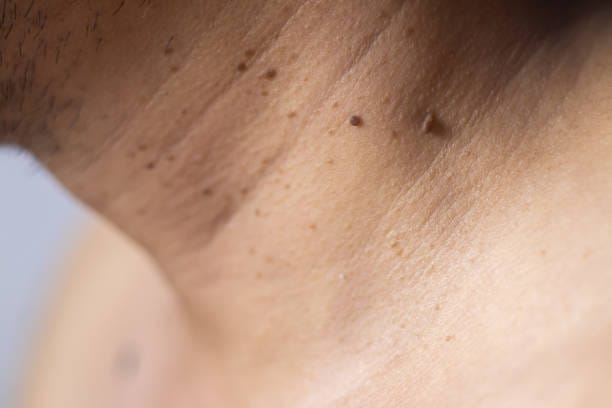
Skin tags are small, soft growths that occur most often in areas where skin rubs against skin or clothing — but with the right care, preventing skin tags is possible They are not harmful, but many prefer to have them removed for cosmetic purposes or to stop the irritation. Even after removal, skin tags can return, and if not taken care of, such as removing the cause, they can return.

After removal, skin tags can be prevented with proper skin care, lifestyle changes, and awareness of possible triggers. Reducing friction, keeping the skin clean and dry, maintaining a healthy weight, and managing hormonal change can all help to minimise their recurrence. Skin-friendly products and a balanced diet also help overall skin health and decrease the chances of new growths.

After removal, this guide will cover the best practices to prevent skin tags. These are the simple yet effective steps you can take to keep your skin smooth and healthy with the skin tags not coming back.

Keep the Skin Clean and Dry

Proper skin hygiene is essential after the removal for preventing skin tags. By keeping the skin clean and dry, you can prevent the buildup of bacteria, sweat, and oils that can lead to irritation and friction, two of the biggest causes of skin tag development.

Begin by washing the affected area daily with a gentle, fragrance-free cleanser. Avoid harsh soaps or exfoliators, which can irritate the skin. Pat the skin dry with a soft towel after cleansing; rubbing the skin too hard could create new growths.

Moisturising is also important, but go with a lightweight, noncomedogenic moisturiser to avoid clogging the pores. Applying mild talc-free powder, especially in areas that sweat, like the neck, underarm, and groin, can help absorb excess moisture and reduce friction.

In addition, wearing breathable, loose-fitting clothes made of natural fabrics such as cotton will also help keep your skin dry. Do not wear tight clothes that are too tight to rub against the skin, as repeatedly rubbing the skin can cause new skin tags to develop over time.

Additionally, if you work out physically or if you live in hot climates, pay attention to the sweat accumulating. After a workout, change into dry clothes and shower soon afterward to prevent irritation. Keeping your skin constantly clean and dry will dramatically reduce the chances of getting new skin tags.

Understanding Why Skin Tags Return

Skin tags pop up out of nowhere, but certain factors cause them to regrow after removal. Removing a skin tag removes the current growth but doesn’t prevent future growths. Knowing why skin tags come back can help prevent their return.

1. Friction and Skin Rubbing

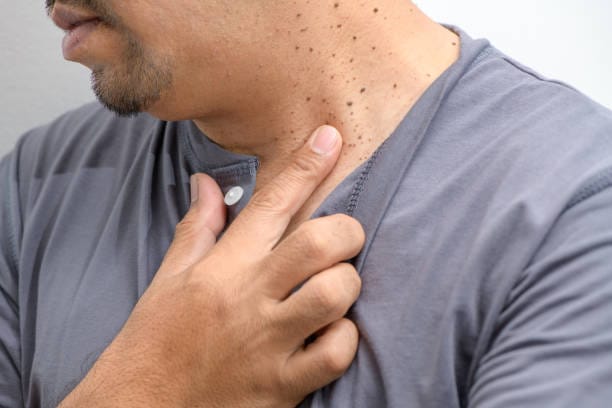
Continuous friction between skin folds or touching clothing is one of the leading causes of skin tags. Skin tags are more prone to developing in areas such as the neck, underarms, groin, and eyelids. Once the skin tags are removed, if these areas continue to have friction, new skin tags may develop over time.

Skin tags most often develop in places where the skin rubs against skin or clothing. Skin irritation from constant friction may cause new tags to develop.

2. Genetic Predisposition

Some people are prone to developing skin tags because of their genetic makeup. If your family members tend to get skin tags again and again, you’ve a higher chance of getting them again after removal.

3. Hormonal Changes

It will help to know that skin tag formation is often brought on by hormonal changes, most notably pregnancy, menopause and conditions such as diabetes. They also grow with high blood sugar levels and insulin resistance, which make people with diabetes more likely to have.

A skin tag is more likely to occur if you have hormonal imbalances, which happens during pregnancy, menopause, and with conditions that affect a woman’s reproductive system, such as polycystic ovary syndrome (PCOS).

4. Obesity and Excess Skin Folds

Weight gain causes skin folds and friction, which is ideal for skin tags to form. These develop in overweight or obese people because the skin rubs in these areas frequently.

Skin tags are more likely to develop among obese people or those with insulin resistance (a condition that includes type 2 diabetes). These benign skin formations may grow because high blood sugar levels and metabolic changes can stimulate their growth.

5. Skin Care Habits

Skin tag formation may occur when using harsh skincare products, applying too much moisturiser, or not drying the skin. These small growths can occur on skin that’s still moist or irritated.

Learn to identify and eliminate these factors, and you can significantly reduce your chances of skin tags returning after removal.

6.       Aging 

As we age, we are more prone to skin tag growths. With time, the skin may become increasingly prone to reduced elasticity and collagen breakdown.

Finding out what causes skin tags to form will help you take preventative measures to prevent them from recurring after they are removed. The following section includes some helpful skincare tips to avoid recurrence.

Daily Skincare Routine For Preventing Skin Tags
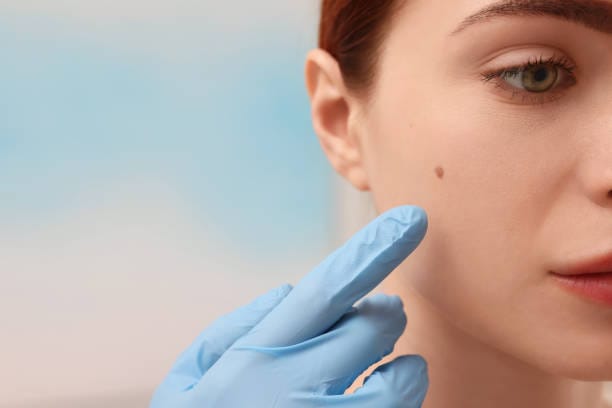
 Preventing Skin Tags

Proper hygiene after removal is essential to prevent the development of skin tags. Dry skin can reduce the risk of irritation, infections, and excess friction that cause skin tags to form.

Gently wash with a soapy cleanser: Dampen your face with water and use a gentle soapy cleanser to clean your skin gently every day. Avoid dish soap and harsh chemicals that can be irritating.

  • Don’t rub; pat dry. Avoid rubbing your skin dry with a towel after washing; instead, pat dry with a soft towel. Friction, such as rubbing, can also increase the chance of new skin tags.
  • Moisturise wisely: Go for a hydrating moisturiser that is light, non-greasy and does not have a high friction.

Control Excess Moisture

However, since certain areas are more prone to moisture buildup, such as the neck, underarms and groin, they are more prone to friction and irritation. To keep these areas dry:

Apply talcum or cornstarch powder: Using powder in high friction areas will help absorb sweat and prevent chafing.

Choose loose-fitting, cotton-based clothes, as they will reduce sweat buildup. Avoid tight or synthetic fabrics, which will trap moisture.

Wear different clothes: If you sweat a lot, it could be a good idea to change clothes now and then so that any moisture that has accumulated on the skin won’t last long.

Avoid Irritants

Avoid harmful skincare: Do not apply toners that contain alcohol, extremely fragrant creams, or hard exfoliants. These irritate the skin and may cause it to grow in unnecessary ways, promoting the occurrence of new skin tags.

Go for hypoallergenic products: It is better to pick skin-friendly products that will not cause irritation or allergic reactions.

When your skin remains clean and dry, you decrease the risk of skin tags coming back after removal and have long-lasting, smooth and healthy skin.

Keep Your Skin Clean and Dry 

After skin tags are removed, it is essential to keep the skin clean and dry. Friction and irritation can create an environment for moisture and dirt to form, which can encourage new skin tag formation.

Daily Cleansing Routine

Secondly, do not use a harsh cleanser on the treated area, and wash twice a day with a gentle cleanser. Harsh soaps can strip the skin of its natural oils, leaving it dry and irritated.

Instead of hot water, pick lukewarm water, as hot water can harm the skin barrier.

Instead of rubbing it dry, pat it dry with a soft towel, without rubbing, because rubbing will irritate the spot.

Preventing Excess Moisture

Powder or cornstarch should be applied to areas prone to friction, i.e., underarms and under the neck.

Wearing breathable fabrics such as cotton will help you avoid sweating.

Wear clothes regularly after workout or sweating.

Hydration vs. Over-Moisturising

Continue using a lightweight and non comedogenic moisturiser to keep the skin hydrated without obstructing skin pores.

Do not use heavy creams or oils in skin folds, as these tend to trap moisture and cause friction.

Proper hygiene and dryness reduce the chances of skin tag recurrence. Maintaining clear skin comes down to these simple habits, when followed repeatedly.

Avoid Skin Friction and Irritation 

Skin tags are mainly caused by friction and irritation. If the mole is removed, you can protect your skin from the rubbing that can cause new moles to form.

Wear Loose-Fitting Clothes

The constant friction also comes from tight clothing, such as around the neck, underarms, and thighs.

To avoid getting irritated, choose soft fabrics to breathe, like cotton or moisture-wicking fabric

Minimise Jewelry Irritation

They can rub against your skin and cause irritation, which could lead to the formation of skin tags.

Keep jewelry lightweight and hypoallergenic if you wear them to avoid excessive friction.

Be Gentle with Your Skin

Do not excessively scratch or rub the treated area. Aloe vera gel can soothe irritation; if it feels itchy, use a cold compress.

Instead of rubbing vigorously with hard towels, pat the skin dry with soft towels.

Reduces shaving Irritation

However, if you shave areas susceptible to skin tags (neck and underarms, for example), use a sharp razor and shaving cream to avoid irritation.

Waxing or laser hair removal can be gentler alternatives if friction is an issue in an area.

The friction that occurs can be significantly reduced to prevent skin tag regrowth. Simple changes in your daily lifestyle, such as wearing the proper clothing and being aware of daily habits, can keep your skin smooth and free of irritation.

Lifestyle Changes to Reduce the Risk of Skin Tags 

After removal, lifestyle adjustments can be significant as these can lower the chances of developing new skin tags. Genetics plays a role, but some habits and environmental factors also help.

Maintain a Healthy Weight

Excess weight causes skin folds and friction, which makes it easier for skin tags to develop. A balanced diet and regular exercise help maintain a healthy weight and, therefore, reduce unnecessary skin friction.

Choose Loose-Fitting Clothing

Constant rubbing of the skin caused by tight clothing can trigger the development of skin tags. Breathable and loose-fitting clothes help minimise irritation and allow the skin to be dry and comfortable.

Improves insulin Sensitivity

Skin tags tend to occur among people with insulin resistance or diabetes. Blood sugar levels can be managed through a healthy diet, exercise, and proper medical care. For instance, one can avoid high-sugar foods and have more fibre, lean proteins, and healthy fats to support insulin regulation.

Reduces skin Irritation

Skin tags can form from constant friction, shaving and jewellery rubbing against the skin. To prevent irritated, dry skin, one should use gentle skincare products, apply them gently, and keep the skin hydrated.

Eat nutrient-rich food and stay hydrated

A diet rich in vitamins and antioxidants and good hydration help to have healthy skin. The nutrients vitamin E, zinc, and omega-3 fatty acids help your skin heal and repair itself and help decrease abnormal growths.

With such a skin-friendly environment, you can decrease your chances of skin tag recurrence. Skincare, healthy living, and medical precautions are all introduced in a holistic approach that helps skin last longer after extraction. 

Avoid Excessive Jewelry and Accessories

Skin tags can arise from constant friction against the skin caused by wearing tight or heavy jewelry and accessories. This is most common with necklaces, bracelets and earrings that rub against sensitive areas on the neck, wrists or earlobes.

Choose Hypoallergenic, Lightweight Jewelry

Lightweight and hypoallergenic jewelry can be opted for. In fact, some materials used in surgical grade stainless steel, titanium, or some types of plastic are less likely to cause an allergic reaction and decrease the risk of skin tag formation.

Avoid Tight-Fitting Accessories

Tight accessories can cause continuous pressure and rubbing on the skin. Unnecessary friction is prevented by selecting looser-fitting items or adjusting the fit. For example, if necklaces are chosen with adjustable lengths, they will not be too tight around the neck.

Limit Prolonged Wear

Reducing the duration of jewellery wear, especially when jewellery is worn during activities associated with excessive movement or sweating, can reduce skin irritation. Moving accessories out of the way prior to exercise or sleep aids the skin's breathing and healing, making the development of skin tags less likely.

Wearing jewelry and accessories mindfully and being aware of how they engage with the skin will reduce your chances of getting new skin tags after removal treatments.

Why Choose Revitalise London for Removal &  Preventing Skin Tags?

Revitalise London offers safe and effective skin tag removal. We are an advanced skin clinic that offers our patients smooth, clear skin free from unwanted growths.

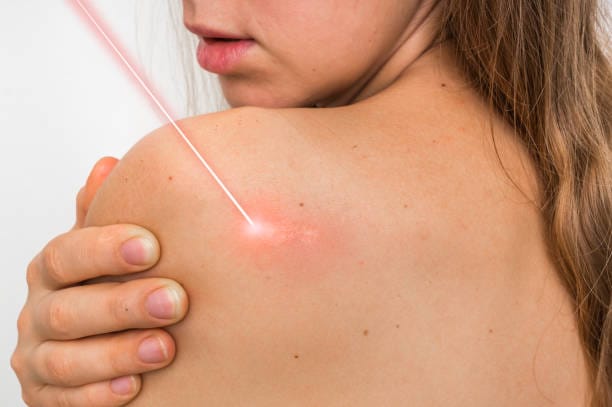
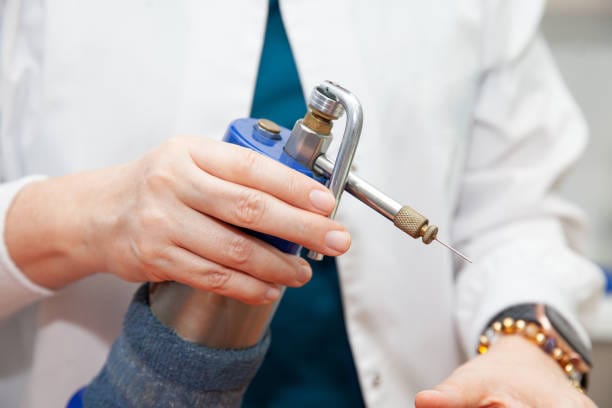
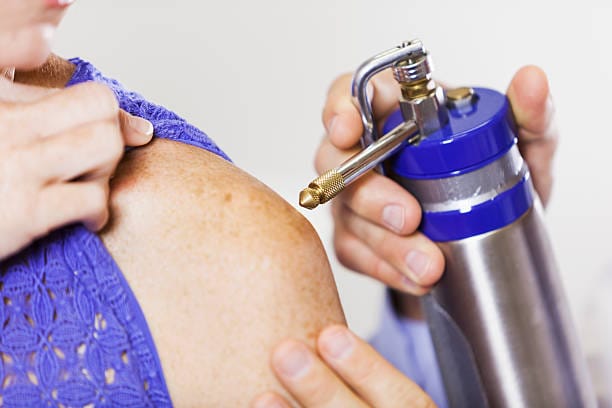
From laser therapy to cryotherapy to electrocautery, we employ various forms of removal that are quick, precise, and gentle, all in order to be an actual expert technique. In line with this, our highly trained professionals will examine your skin type and condition to suggest the best course of action, decreasing the likelihood of irritation or scarring.

At Revitalise London, we go beyond removing skin tags; we focus on skin health long-term, too. Preventing regrowth is one reason we give our post-treatment care advice. Sterile procedures, together with state-of-the-art technology, are also used to focus on your safety and comfort.

Revitalise London is an ideal place for professional skin tag removal. Our clinic environment is welcoming, and we have a good track record for excellence. Contact us today for your consultation, go ahead and book an appointment, and give us the chance to help you become a beautiful person by successfully treating your poor skin.

 Preventing Skin Tags Conclusion

After the removal of skin tags, it is essential to prevent skin tags so that your skin remains smooth and healthy. Skin tags are removed, but new ones can form unless the causes of the problem are addressed. Reducing excess moisture on the skin can be achieved by keeping it clean and dry. Loose, breathable clothing also helps to prevent friction, particularly in areas that may rub.

A healthy lifestyle is essential to maintaining skin health. This helps reduce skin folds and friction, reducing the risk of skin tags. It can also help prevent the recurrence of skin tags, as they are formed through insulin resistance. Exfoliation in regular skincare routines can also remove the buildups that can result in skin tags.

Professional treatments and expert advice are needed for long-term results. We offer advanced skin tag removal with excellent aftercare so that your skin stays healthy and smooth. With the help of our team, you will be able to prevent any further skin issues with a tailor-made skincare solution. Consultation is now available. We offer refreshing, straightforward, tag-free skin!

Read more...

Treatments Cyst Removal: A Step-by-Step Guide | Revitalise London 

Surgical Cyst Removal

Skin growths in the form of cysts are common and can occur anywhere on the body. Most are harmless, but if they become bothersome or painful, surgical cyst removal may be necessary to regain comfort and peace of mind. Cysts feel a bit sore and can become painful or infected, thus making cyst removal by surgery the best solution. With this procedure, cysts can be eliminated safely and effectively before complications occur.

Skin cells, fluid, or other substances trapped beneath the skin form cysts. Different types and sizes of cysts are available, with sebaceous, epidermoid, and ganglion cysts being the most common. Some cysts will go away independently, while others will remain and may need to be treated by a doctor.

Cysts growing, causing discomfort, or at risk of infection are usually recommended for surgical removal. This procedure is quick, done under local anaesthesia, and has a short recovery time. Professional removal is chosen because the whole cyst is removed, thus decreasing the chances of recurrence.

This guide takes you step by step through surgical cyst removal, from when you will need it to prepare for surgery to what you can expect during and after the procedure. Understanding what happens if you have a cyst removed will help you feel more comfortable removing one.

What makes Surgical Cyst Removal Necessary?

Some cysts need to be removed, but not all cysts do, and in some cases, surgical cyst removal is the best option. Small, painless, and non-growing cysts may not require intervention. Often, medical professionals recommend removal when a cyst is problematic.

Pain or discomfort is one of the main reasons that a cyst is removed. However, surgery is the best solution if a cyst puts pressure on nerves, grows on a sensitive area, or makes daily activities uncomfortable. Another common reason is infection. Abscess formation may occur with a cyst, which can become red, swollen, and pus-filled. Complete removal may be preceded by drainage of infected cysts.

Sometimes, cysts come back or grow more prominent, which could be a sign of other problems. In other cases, repeated inflammation makes surrounding tissue more challenging to treat. This prevents regrowth because the entire cyst, including its sac, is removed.

Some people choose surgical removal for cosmetic reasons. Embarrassing visible or large cysts can also be seen on the face, neck, or hands. A simple procedure can improve skin appearance, which can help boost confidence.

Surgery is necessary; medical evaluation is needed to determine this. The cyst will be assessed by a professional who will recommend the best action and discuss the symptoms. However, if removal is advised, prompt action is required to prevent further complications.

Surgical Cyst Removal

Surgical cyst removal is an exact procedure that removes cysts with a minimal risk of recurrence. The method is detailed below with a step-by-step breakdown.

Step 1: Consultation and Assessment

The doctor will examine the cyst before the procedure to see if it is large or of a particular type and where it is situated. Cysts may need extra imaging tests like ultrasound or MRI to determine their depth and appearance, which allows for planning the best surgical approach.

The doctor may recommend antibiotics or drainage if the cyst is infected or inflamed before scheduling the removal surgery.

Step 2: Preparing for the Procedure

The area around the cyst is cleaned thoroughly on the day of the surgery to avoid infection., The area is numbed with local anaesthesia so the patient does not feel any pain during the procedure. Very rarely, if the cyst is significant or in a sensitive place, sedation or general anaesthesia may be needed.

Step 3: Making the Incision

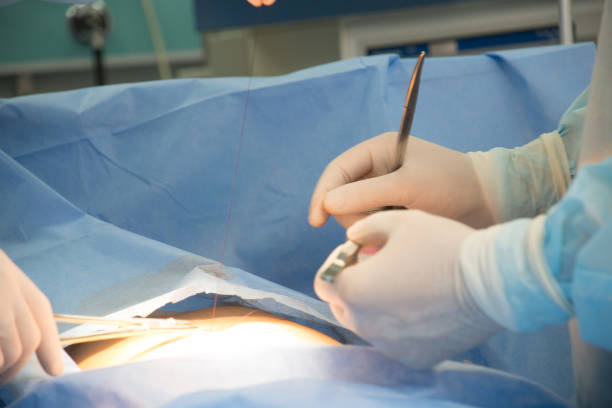
When the area is numb, the surgeon makes a small incision over the cyst—the bigger the incision, the deeper and more extensive the cyst. The aim is to obtain the cyst without harming the surrounding skin.

The doctor may drain the cyst first if it is fluid-filled or infected before attempting to remove it.

Step 4: Removing the Cyst Sac

This is the most essential part of the surgery. The surgeon separates the cyst from its surroundings and removes the entire sac. There is a risk of recurrence if any part of the cyst wall remains.

Surgical precision is needed to make cysts deeper without damaging nearby structures such as nerves and blood vessels.

5. Cleaning and closing the wound

After removing the cyst, the wound is cleaned well to remove all the remaining debris. The incision size will determine whether the surgeon uses dissolvable or standard stitches, which must be removed after 7 to 14 days.

After that, a sterile dressing is used to cover the area and help it heal.

Step 6: Post-Surgery Care and Recovery

After the procedure, patients receive aftercare instructions to prevent infection and help healing. These typically include:

Maintaining the area dry and clean

  • Following the advice of the doctor regarding changing dressings
  • Not putting too much movement or pressure on the treated area
  • If prescribed to take painkillers or antibiotics

Most patients experience minor discomfort, and recovery takes one to two weeks. The scar from the incision fades over time, but complications are rare with proper care.

What is the Time Duration of Surgical Cyst Removal?

Factors determining the duration of surgical cyst removal include the cyst's size and location, the procedure's complexity, and the patient’s overall health. The time required for each process stage is shown below in detail.

Surgical Cyst Removal

Consultation and Pre-Surgical Preparation

A specialist then sees patients before the surgery to see if the cyst needs removal. This lasts 15 to 30 minutes, and during it, the doctor might include:

  • Look at the cyst and the surrounding skin.
  • It may recommend imaging tests (such as an ultrasound) if necessary
  • Discuss the best removal method
  • Tell of potential risks and aftercare instructions

The doctor may suggest a short course of antibiotics before surgery if the cyst is infected.

Duration of the Surgical Procedure

The surgery itself is usually quick and straightforward on the day of. The time spent in the clinic or hospital depends on the case's complexity.

  • Superficial cysts that are small: These can be removed in 20 to 30 minutes under local anaesthesia.
  • These cysts may take 30 to 60 minutes to remove, particularly those that are larger or deeper and might need more careful dissection.
  • Complicated cases: In a difficult case where the cyst is in a sensitive area (close to nerves and joints), the procedure can take over 60 minutes.
  • The surgical removal involves an incision, extraction of the cyst sac, and closing the wound with stitches.

Recovery and Post-Procedure Observation

Patients are monitored after surgery for 10 to 15 minutes to make sure they are not having any immediate complications, such as bleeding excessively or having an allergic reaction to the anesthesia.

For more complex procedures, the monitoring period may last up to one hour before discharge, especially when sedation or general anaesthesia is used.

Total Period of Cyst Removal Treatment

In most cases, patients should expect 1 to 2 hours for the surgical cyst removal, including preparation, post-operative care, and the procedure. However, if further tests or pre-treatment steps are needed, the whole treatment process will take a few days to weeks from the first consultation to recovery.

What to Expect After Surgical Cyst Removal?

If surgical cyst removal is performed, recovery is essential to facilitate proper healing and prevent complications. This overview covers what to anticipate immediately following the procedure, how to manage pain, and what conditions might appear.

Immediate Post-Surgery Effects

Most of the mild side effects experienced happen immediately after the surgery. Some signs are mild pain or discomfort at the surgical procedure site, swelling, and/or redness in the first few days. Bleeding or fluid drainage is common, but it will stop within a few hours to a day and should not be excessive.

The feeling of numbness and tingling in the area surrounding the nerve near the cyst may be present if it is close to a nerve, but it should last only a few days.

Pain Management and Aftercare

It is essential for a smooth recovery to manage discomfort after the procedure. Typically mild, it can be managed with over-the-counter paracetamol or ibuprofen. Also, a cold compress can help reduce swelling and relieve any pain in the area of the surgical site.

Cleaning the area and following your doctor’s instructions for changing dressings are essential. Do not touch or scratch the site to avoid introducing bacteria that can cause infection.

If you have non-dissolvable stitches, you’ll need to return for them to be removed in about one to two weeks. Wherever dissolvable stitches have been used, they will have dissolved naturally as your skin heals.

Healing Timeline

Typically, the healing process following a surgical cyst removal works according to this timeline:

  • Days 1 to 3 or 5: There may be swelling and tenderness that tends to go away.
  • If non-dissolvable, stitches will be removed one to two weeks after surgery, and the wound will begin to close.
  • Healing will continue internally for three to four weeks, but most of the outside wound will be healed within that time.
  • Time, several months: The scar will fade and become less noticeable.

Most patients' cysts disappear within a few days to a week and they return to normal activities a few days to a week after treatment. 

Potential Complications

A few potential complications may occur after surgical cyst removal, although rare.

  • Excessive redness, warmth, pus drainage, and fever are signs of infection. They should prompt you to contact your healthcare provider.
  • The cyst could return if only part of the cyst sac is removed.
  • More noticeable scars: Larger cysts or deeper incisions will create scarring.
  •  Individuals may take longer due to diabetes or poor circulation.

However, if any of these complications develop, seeing a doctor as soon as possible is essential to prevent further problems.

When Should You Visit Your Doctor After Having Surgical Cyst Removal Done?

Many patients can expect to heal from surgical cyst removal without incident, but there are situations in which medical care is needed. Here are the symptoms and signs of a problem that warrants immediate attention.

Surgical Cyst Removal

Signs of Infection

There is often an infection after surgery. You are expected to have some swelling and redness, but if you have any of the following signs, you should contact your healthcare provider immediately.

  • Redness or swelling around the incision site may increase.
  • Pus drainage or unusual discharge from the wound
  • Fever above 100.4°F (38°C)
  • Inflammation as indicated by warmth at the site of the surgery

The infections can be treated with antibiotics, but you need to see a doctor as soon as possible so the disease doesn’t spread or worsen.

Excessive Bleeding

If bleeding is expected during the first few hours after surgery, excess bleeding could be a problem. If the wound continues to bleed profusely, even after you have put pressure on it or applied a dressing, it is essential to consult your doctor or go to the emergency room.

Severe Pain or Discomfort

  • Normal: Mild discomfort after the procedure is standard and can be treated with over-the-counter painkillers.
  • If the pain worsens or the area is swollen, it is best to see your healthcare provider.

Delayed Healing or Opening of the Wound

The wound can sometimes open up or heal slower than usual. There are several reasons, such as infection, poor circulation, or underlying medical conditions, such as diabetes. Your doctor may check the incision site if it starts opening or if healing does not occur within an appropriate period.

Signs of Recurrence

If some cyst sacs remain behind, the cyst may return, but this is rare. Signs of a cyst you should look for are if you notice any of the following:

  • A lump in the area where the original cyst was.
  • Swelling or redness that comes back or doesn’t heal after the first healing period

In such cases, further treatment or removal may be necessary.

When to Call for Help

If you have symptoms such as those listed above or are concerned about your recovery, it is always better to seek advice from a healthcare provider. At times, it can be critical for the disease to be treated early so that it does not aggravate further, creating complications and a smoother recovery.

Why Choose Revitalise London for Surgical Cyst Removal?

Selecting a trusted and experienced provider when choosing a clinic for your surgical cyst removal is essential. We aim to provide top-quality care, advanced techniques, and patient focus at Revitalise London. Revitalise London should be your first choice for surgical cyst removal.

Experienced and Skilled Surgeons of Surgical Cyst Removal

Our team of highly qualified and experienced specialists are experts in performing surgical cyst removals at Revitalise London. They are well-versed in different cysts and know the best methods to remove them with precision and minimum risk. Once you walk through our doors, you can feel comfortable that capable hands will be on you.

Comprehensive and Personalised Care Surgical Cyst Removal

We treat every case individually, and each patient is unique. We know you have many concerns, medical history, and specific needs, and we take it upon ourselves to ask for your name, problems, medical history, and particular needs. We offer the highest quality of comprehensive and personalised support from the beginning of the consultation to post-surgical care follow-up.

State-of-the-Art Technology and Facilities

At Revitalise London, the most recent medical technology and equipment are used, ensuring that your Cyst Removal procedure is as effective as possible. Your safety is paramount, and our facilities are more advanced than others, designed to minimise the risk of complications.

Surgical Cyst Removal Exceptional Aftercare

Our care isn’t complete once the procedure has ended. It is aftercare that we can provide you with extensive care to support your recovery and to heal you properly. If any questions or concerns occur, our team can always help and offer follow-up appointments to monitor your progression and ensure no complications.

Trusted Reputation and Positive Feedback For Surgical Cyst Removal

With a reputation for delivering high-quality, reliable care, Revitalise London has earned its name. Again, our happy clients always leave positive reviews, commending our staff for their professionalism, celebrating their treatment's success, and loving the whole experience. We are ready to assist you in improving your quality of life with excellent care and attention throughout the cyst removal process.

Revitalise London is a trusted clinic for surgical cyst removal. Our team offers great expertise, care, and support, and we are ready to give you what you need for a successful procedure and recovery. If you want to get started on the path to removing cysts, contact us today for a consultation.

Read more...

Cyst Removal Treatment: Everything You Need to Know | Revitalise London 

Cyst Removal Treatment

Professional cyst removal treatment is the best, safest, and most effective. Skin conditions, such as cysts, can appear anywhere on the body. Some cysts are harmless, but others grow, become painful, or become infected.

Many people neglect cysts or try to treat them at home, but this could cause infections or scarring. A professional cyst removal procedure can completely remove them, minimising the risk of recurrence. It is best to see an expert if your cyst is causing discomfort, lowering your confidence, or raising health concerns.

Cyst removal treatment varies; however, there are different types of cysts. Although it has changed from minor outpatient procedures to more advanced techniques such as laser removal, it has always been safe, quick, and minimally invasive. This guide will discuss cyst removal treatment, its benefits, procedures, recovery tips, and why Revitalise London is the perfect place for a professional to remove cysts.

What Is a Cyst?

A cyst is usually a fluid-filled sac under the skin or within tissue. Cysts range from small lumps to more considerable growths that may cause discomfort. Most cysts are benign, but if not treated, they may become inflamed, painful, or infected.

Cysts can form for several reasons, such as blocked glands, an infection, or an underlying medical condition. Sebaceous, epidermoid, and ganglion cysts are some of the most common types. Different types have different characteristics and thus might need different cyst removal treatments.

Cysts can either go away alone or remain and must be removed professionally. If a cyst continues to grow, causes pain, or leads to recurrent infections, a specialist should be consulted.

When Should You Opt for Cyst Removal Treatment?

Treating all cysts immediately is unnecessary, but some cysts require cyst removal to avoid discomfort or other complications. However, in most cases, small, painless cysts can be allowed to go with no harm. Though they do not cause any pain or other problems, it is best to have the cysts seen by a professional if they begin to cause pain, become infected, or affect your appearance. Some common reasons to remove a cyst are:

1. Cysts can cause pain and discomfort: Cysts, especially huge ones, can become painful if they pressure nerves or other tissues. Movement or pressure around cysts near joints or on the face and neck may worsen symptoms.

2. Serious health issues: Infected cysts can result in serious health problems, such as abscesses or even the spread of infections. The cyst will produce redness, swelling, heat, and pus if infected. To avoid further complications, it is recommended that cyst removal treatment be sought as soon as possible.

3. Sudden Growth: A sudden-growing cyst can be a symptom of an underlying condition and must be removed. Additional skin irritation can occur as rapidly expanding cysts, which may become more noticeable after removal.

4. Visible cysts, such as those on the face, scalp, or neck, can be of aesthetic concern since they can affect how you look and feel about yourself. Cyst removal treatment is chosen by many for cosmetic reasons, to prevent the cyst from being a visible issue, such as being unsightly or causing emotional distress to the patient.

5. Some cysts return even after drainage or minor removal. Complete Removal is often the best way of avoiding recurrence if you notice the cyst reappearing frequently.

A professional should treat growth to remove the cyst, eliminating the growth and making sure the cyst is removed safely and effectively without leaving you susceptible to infection, scarring, or development.

Cyst Removal Treatment Methods

Depending on the cyst's type, size, and location, it can be removed in several ways. Any treatment aims to safely remove the cyst and prevent it from returning with minimal scarring as soon as possible. Below are some of the commonly used cyst removal treatment methods.

Cyst Removal Treatment & Surgical Excision Option

Surgical excision is the most effective and permanent way to remove a cyst. In this case, a small incision is made in the skin, and the cyst and sac are carefully removed to prevent recurrence. This method of choice is for larger cysts, cysts deep under the skin, or infected cysts. 

The procedure is usually performed under local anaesthesia to make the patient comfortable. After the cyst is removed, it is closed with stitches, and the area is dressed to protect it. However, if the cyst has not returned after 6 months, surgical excision will require a more extended recovery period, but it is the most reliable way to ensure it doesn’t return.

Drainage

Finally, drainage treats especially large or swollen cysts. During this procedure, a needle punches a hole in the cyst, and the fluid inside is drained through this hole. This method relieves pain and swelling but does not eliminate the cyst sac. Therefore, after treatment, there is a risk of the cyst returning.

This procedure does not involve an excision. It is usually faster and less invasive than an excision and can be performed in a clinical setting. Drainage is generally regarded as a temporary cure for cysts that do not create significant complications.

Laser Removal

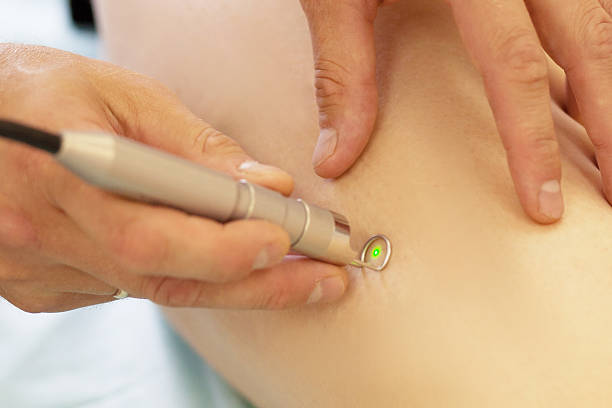
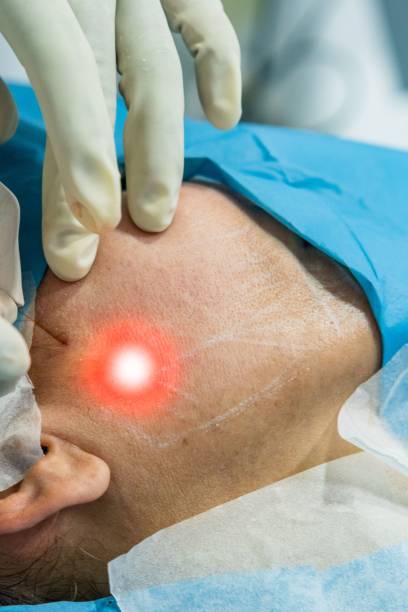
Laser removal is the treatment for smaller cysts that can be easily removed on a superficial level. This advanced, minimally invasive treatment is used for cysts in delicate areas or those visible on the skin's surface. The cyst is broken down and removed without requiring a large incision, and a laser is used to target it.

The advantage of laser cyst removal is that it often leaves less scarring than conventional surgical excision. It is relatively painless because it uses local anaesthesia, and the healing time is faster. Laser cyst removal is best for smaller cysts and may not work for more extensive or deep cysts.

Cryotherapy

Freezing the cyst with liquid nitrogen (cryotherapy) shrinks it and ultimately causes it to fall off. This is the most commonly used method to treat smaller, benign cysts, and it is beneficial for removing cysts on the skin’s surface.

Cryotherapy is a non-invasive option, but it may require multiple sessions to remove cysts altogether. Also, cryotherapy is not always used in all cases of cysts.

Which Method Is Right for You?

The proper cyst removal treatment will vary depending on the cyst's type, size and location and the patient’s medical history. Your case will be determined as to the most appropriate method, and you will be advised to get a professional consultation. Each treatment has advantages and disadvantages; a medical professional will help you go through this procedure in the best possible way to contribute to the result.

What to Expect During Cyst Removal Treatment

However, knowing what to expect before, during, and after the procedure is essential when choosing professional cyst removal treatment. This will make you feel more comfortable and prepared for treatment, even if you have had a drainage or a more extensive surgical excision.

Cyst Removal Treatment

Before the Treatment

Before getting treated to remove your cyst, you will have a consultation with a healthcare professional regarding the size and type of cyst and its location. In this consultation, the following are usually steps that are taken:

The Practitioner will ask about your medical history, allergies, and previous cyst problems. This information helps inform us about what you need and the best treatment.

Physical Examination: The cyst is examined to decide whether it needs to be surgically excised or can be treated by a less invasive method, such as drainage or laser removal.

Expectations: The healthcare professional will discuss expectations about outcomes, risks and how treatment will be done.

If your cyst is infected, you may be given antibiotics before the procedure to kill the infection so that there is no infection to treat during recovery.

During the Procedure

However, the treatment itself will differ based on the method used, but varies generally as follows:

  • Local anaesthesia: Local anaesthesia numbs the area around the cyst, preventing pain during the procedure. Sedation may be offered to relax you if you have larger cysts or more complex procedures.

Cyst Removal:

  • If excision is chosen, a tiny incision is made, and the cyst and sac are removed. After the cyst is carefully extracted, the area is stitched up.
  • Drainage—Fluid drainage within the cyst is accomplished through a needle or small incision. This method does not remove the cyst sac.
  • A cyst is broken down by a laser without a large incision.
  • Liquid nitrogen is applied to freeze the cyst and make it fall off.
  • Most treatments take 15-45 minutes, and the procedure is generally quick.

Cyst Removal Treatment After the Procedure

After removal of the cyst, your health care provider will give you aftercare instructions to make sure it heals properly. After the treatment, you are likely to experience the following:

Dressing and Protection: The area will be dressed to prevent infection and minimise risk. Topical antibiotic ointment may be applied to the affected area.

Cyst Removal Treatment Recovery Time:

Discomfort, swelling, and bruising may result after an excision, but if you have an excision, you will find that you are still normal. Stitches will be removed after one to two weeks when recovery has been made and typically takes 1-2 weeks.

Recovery from these procedures takes only a few days, and downtime is usually minimal with drainage. Usually, after Laser or Cryotherapy, patients can return to normal activities relatively quickly.

Post-Treatment Care: The area to be treated should be kept clean and dry. To reduce the risk of infection, avoid touching or scratching the area. If you had an incision while receiving treatment, follow your provider’s directions about changing the dressing and caring for the wound.

Recovery and Aftercare for Cyst Removal Treatment

Proper recovery and aftercare are essential once you have undergone cyst removal treatment to get the best results and decrease the possibility of complications. The treatment methods would differ in recovery time and aftercare instructions, but the following guidelines will help you recover.

Cyst Removal Treatment

Cyst Removal Treatment Immediate Aftercare

Once your practitioner removes your cyst, follow their instructions carefully to heal and prevent infection. Usually, the following steps are taken immediately aftercare:

After the procedure, the treated area is usually bandaged to protect it from dirt and bacteria. Clean and dry the area so that it does not get infected. If stitches were used, they may be removed after a few days to a week, depending on your particular case.

A complication of cyst removal is pain management, as mild pain or discomfort is normal after cyst removal, especially if an incision was made. Pain can be managed with over-the-counter pain relievers like paracetamol. Yet, follow your practitioner’s advice on managing pain and taking medication.

Pressure and Irritation Avoidance: Do not apply pressure to the treated area to avoid irritation or accidental injury to the healing wound.

Long-Term Care

Recovery from cyst removal usually takes a few days to a couple of weeks, but with proper long-term care, you will avoid complications and ensure proper healing. Key points to remember include:

If the cyst's treatment method or size allows, a follow-up appointment may be scheduled to monitor proper healing. This is vital after surgical excision, as your doctor will examine for infection, inflammation, or problems with the wound closure.

After the wound has healed, protecting the skin from the sun is essential. Regular sunscreen application can prevent scarring and pigmentation changes around the treated area.

Large Cyst Removal: For larger cyst removals, it’s best to avoid heavy lifting, intense exercise or any activity which may strain the area for a few weeks. At all times, you need to listen to your body and let it mend.

Aftercare: Despite the most thorough aftercare, there is always a risk of infection after any procedure. Look for symptoms like redness, swelling, pus, and too much pain. If you notice these signs, contact your health care provider immediately.

Potential Complications During Cyst Removal Treatment

Cyst removal is generally a safe and well-tolerated operation, but complications may occur in rare cases. 

  • Risk of infection: Like all surgery or procedures with skin cuts, there is a risk of infection. However, this risk can be significantly reduced by keeping the area clean and dry and following aftercare instructions.
  • Removal of cysts: All cyst removal procedures will leave some form of scar, but most patients find that scarring fades significantly over time. The scarring will depend on how big the cyst is, how it is removed and your skin type.
  • Although the cyst removal treatment aims to remove the cyst and prevent its recurrence completely, there is a slight possibility of recurrence, especially if the cyst sac was not entirely removed during the procedure.

By following your healthcare provider's advice for aftercare, you can reduce these risks and help guarantee a quick recovery. If you have any issues during your recovery, don’t hesitate to call your provider for help or advice.

Why Choose Revitalise London for Your Cyst Removal Treatment?

When it comes to cyst removal treatment, it is of utmost importance to get a trustworthy and experienced clinic to avoid complications and make the whole treatment smooth and efficient. The professional care that we offer at Revitalise London is tailored to care for your needs. What is the reason why you should choose us for your cyst removal?

Experience and Expertise: Our highly trained and experienced professionals have been performing various cyst removal treatments. We can care for you for a sebaceous cyst or a more complex growth, no matter how small.

Revitalise London uses the most cutting-edge technology and the latest treatment methods to give you the best possible results with minimal downtime. We have different solutions, from laser removal to surgical excision, depending on your need.

Personalised Giving: We dedicate time to carefully assess the condition and then cover all the options in detail before anything is done regarding treatment. We take comfort and our customers’ comfort very seriously.

Post Procedure Support: We do not end here after the procedure. We supply complete aftercare directions and offer to comply with appointments to verify correct healing and remedy any problems you might have.

Clean and Professional Environment: Our clinic's environment is clean and professional, making you feel safe and comfortable during your entire treatment process.

Revitalise London can trust that your cyst removal treatment is in expert hands. This ensures that it will go smoothly and produce the best possible outcomes.

Read more...

Best Cyst Removal Treatment for Different Types of Cysts | Revitalise London 

Best Cyst removal treatment, Skin cysts are prevalent and can happen anywhere on the body. Most cysts are not harmful; however, should a cyst start to grow even more, become painful, or be infected. The type and severity of the cyst and its removal will require you to find the best treatment. Knowing whether you prefer non-surgical treatments or require a medical procedure is essential.

This guide discusses the many types of cysts, what causes them, who can remove them, and the best cyst removal treatment options. It also outlines methods of control, from home remedies to professional medical procedures, to prevent the recurrence or reappearance of cysts. Revitalise London provides advanced cyst removal treatments to suit every need.

What Are Cysts and Their Reasons for Developing

A cyst is a sac-like tissue pocket containing fluid, pus, or other substances. It can occur anywhere in the body, including the skin, internal organs, and joints. Most cysts are benign, but some can be uncomfortable, cause infection, or present a cosmetic reason, making it necessary to remove them.

Cysts can form for numerous reasons, including blocked glands, infections, chronic inflammatory conditions, and genetic factors. Sebaceous cysts result from blocked oil-producing glands in the skin, and ovarian cysts appear from hormonal changes. Some cysts may be connected to medical conditions such as polycystic ovary syndrome (PCOS), ganglion cysts from joint stress, or other reasons.

Common Types of Cysts & Best Cyst Removal Treatment

Cysts vary in appearance; they all share some traits, but others can vary.

  • Some cysts contain keratin and sebum and are found under the skin. They usually appear on the scalp, face, and upper body.
  • Sebaceous Cysts: These, which are also formed from skin cells, are small, slow-growing, and painless.
  • Ovarian Cysts are common in women and develop in or on the ovaries due to hormonal changes. Some need to be treated, and some can be resolved independently.
  • Ganglion Cysts are known as fluid-filled lumps that appear over wrists or hands. 
  • Other conditions that may lead to painful or infected cysts include Pilonidal Cysts, which form near the tailbone. People who sit for long periods are more prone to them.

The type of cyst must be understood to determine the best cyst removal treatment. Cysts may go away on their own or require medical treatment.

When Should You Decide to Have Cyst Removal Done?

Most cysts are harmless and go away alone, while others need medical treatment. However, several factors, such as its size, location, symptoms, and potential complications, will determine whether or not a cyst should be removed.

Signs That a Cyst Needs Removal

Whenever you see any of the following signs: 

  • Discomfort or Pain: A painful cyst can result from pressing on nearby nerves, joints, or organs.
  • Some Infection Symptoms: Infection may be indicated by redness, warmth, tenderness, swelling, or pus drainage.
  • Cysts with rapid growth or change in texture may be evaluated to exclude any severe conditions.
  • Cyst Removal for Aesthetic Reasons: Some cysts, especially those located on visible areas, such as the face or neck, are removed because they may be a source of embarrassment and, thus, removed for cosmetic reasons.
  • Daily Life Interference: Removal may be necessary if a cyst affects mobility, vision, or bodily functions.

Potential Risks of Leaving a Cyst Untreated

If you ignore a problematic cyst, many issues, such as a rupture, infection, or scarring, may occur. Sometimes, a harmless cyst may be a more serious type of growth. To prevent further issues, seeking the advice of a healthcare professional can help you decide on the best cyst removal treatment.

Diagnosis: How Are Cysts Identified?

The best cyst removal treatment depends on accurate diagnosis as there can be several types of cysts of varying size and severity, A healthcare professional needs to assess a cyst before a course of treatment.

Best Cyst Removal Treatment

Initial Medical Examination

Physical examination is the first step in diagnosing a cyst. A doctor will:

  • Some cysts are small and not noticeable, while some are large and may be painful.
  • Some cysts are firm or solid yet fluid-filled; others are soft and fluid-filled.
  • Mobility: A moving cyst beneath the skin is usually benign; further testing may be needed if it is fixed.
  • Look for symptoms: Pain, redness, swelling, or abrupt growth could be an infection or other complication.

Imaging Tests for Deeper Cysts

Doctors may use imaging tests if the cyst is deep in the body or a difficult-to-see area.

CT scan: This scan helps determine whether the cyst is filled with fluid, solid, or a combination of both. It is commonly used for ovarian or sebaceous cysts.

Advanced imaging techniques like MRI or CT Scan—These advanced services mark images of significantly deeper cysts, particularly close to vital organs or even in a complex area like the brain or abdomen. They differentiate between benign and potentially harmful growths.

Biopsy: When Is It Necessary?

Most are harmless, but a biopsy is recommended if a doctor suspects an abnormality. This involves:

  • Taking a small piece of the tissue or fluid of the cyst.
  • Having the laboratory analysing it.
  • Looking for infections, growth of abnormal cells, or possible malignancy.

When a cyst grows at an unusual speed, is painful, or has an irregular shape, a biopsy is usually done. The treatment approach for a cancerous cyst will differ from the standard treatment for removing a cyst.

Why Proper Diagnosis Matters

A correct diagnosis helps choose the most suitable cyst removal treatment, whether medications, drainage, or surgical excision. It also helps avoid unnecessary procedures and complications.

Best Cyst Removal Treatment: Non-Surgical Options

Not all cyst removal treatment requires surgery. Non-surgical treatments can manage and remove the cyst, which can be done in many cases if the cyst is small, not infected, and does not cause significant symptoms. The most common non-surgical cyst removal treatments include the following:

1. Drainage

Drainage can be an effective option for certain cysts, such as sebaceous or abscesses. It involves making a small incision in the cyst and draining the fluid inside.

When is it used? It is usually advised if a cyst is infected, swollen, or hurting.

Drawbacks: Drainage may speed up the process and also has a faster recovery period. However, it may not eliminate the cyst wall, and the cyst could come back.

Prevention of infection: Proper aftercare is essential to prevent infection. It may include cleaning the wound and giving antibiotics if needed.

2. Corticosteroid Injections

Sometimes, the doctor may use corticosteroid injections to shrink cysts, for example, if the cyst is caused by inflammation or a skin condition like acne.

What happens: Corticosteroids are injected into the cyst to reduce inflammation, and the cyst will shrink over time.

Advantages: This noninvasive treatment may relieve small—to medium-sized cysts. It can also prevent cyst infection.

Limitations: The cyst is not entirely removed. However, it effectively reduces the size. Some of the cysts may return..

3. Laser Treatment

Laser treatment may be an option for some types of cysts. Epidermoid and sebaceous cysts, which are located on the skin, are also treated with laser treatments.

It works this way: The laser breaks the cyst and its contents without damaging surrounding tissue too much.

Advantages: Laser treatments are minimally invasive compared to traditional surgical methods, as they don’t induce as much scarring. Moreover, they usually have a quicker recovery time.

Laser treatment is mostly used to treat small, superficial cysts. Lasers cannot treat larger or deeper cysts alone.

4. Cryotherapy

Freezing treatment, or cryotherapy, involves applying extreme cold to a cyst to kill and shrink its cells. This method is commonly used for cysts such as warts or skin cysts.

Liquid nitrogen is applied to the cyst, and the tissue is frozen, causing the cyst to collapse.

The good thing is that it’s a quick treatment with a fast recovery time. It can also be done in a doctor’s office.

Application: This method is usually suitable for superficial cysts but not for deeper or larger cysts.

4. Antibiotics (For Infected Cysts)

When the cyst is infected, antibiotic treatment is sometimes necessary to resolve the infection before other removal methods can be tried.

The mechanics: Oral or topical antibiotics can minimise the inflammation, eliminate the infection, and stop the progression of complications.

Benefits: This treatment is necessary if the cyst is causing pain, redness, or pus drainage secondary to infection.

Although antibiotics can help control the infection, the cyst is not removed. Additional treatment may be necessary.

Depending on the type of cyst, it may not require surgery, and the treatments can be highly effective. However, surgery may be the better solution for more significant or recurrent cysts.

When Is Surgery Needed for Surgical Cyst Removal?

In some cases, non-surgical treatments can be effective, but surgical cyst removal is the most appropriate if the cyst is more significant or persistent. If other attempts have not been successful or if the cyst is causing considerable symptoms, complications, or cosmetic concerns, then surgery is usually recommended.

Best Cyst Removal Treatment

Why Opt for Surgery?

The reasons surgical cyst removal may be necessary include:

  • Recurrent Cysts: Once a cyst recurs after drainage or other treatment, surgical removal will make sure that the cyst is entirely removed and any recurrence is minimised.
  • Larger cysts: Larger cysts may not be well-managed with non-surgical means. Surgical removal also removes the cyst walls.
  • Severe Painful or Infected Cysts: A cyst that is causing painful or infected swelling or infection that will not respond to other treatments is usually best resolved by surgery.
  • Reasons for Cosmetic Purposes: If cysts are large or ugly, they may be removed for aesthetic reasons if they are visible on the body, such as the face, neck, or hands.

The Surgical Procedure

The cyst is usually removed surgically under local anaesthesia so that you will be awake, but the area around the cyst will be numbed. Sometimes, sedation is used for more complicated surgeries. There are several key steps in the procedure.

1. Cyst Removal through Incision and Excision: The surgeon makes a small incision over the cyst and removes it with its wall. That means the cyst will not come back.

2. If the cyst is infected or contains fluid, the surgeon will drain it before removing it 

3. Once the cyst is removed, the wound will be closed with stitches and dressed. A sterile dressing will protect the area during the healing process.

Recovery After Surgical Cyst Removal

Recovery time after surgery is usually short. However, it depends on how big and where the cyst is;

Care after the operation: The treated area should be kept clean and dry to prevent infection. Follow the doctor’s instructions for changing dressings and, if prescribed, taking antibiotics.

Mild discomfort or swelling after the procedure is normal, and over-the-counter pain relief is usually all that is required.

Return to Normal Activities: Most people will be fine within a few days and can return to normal activities with few exceptions; strenuous activities should be avoided for a few weeks.

Risks and Complications

Surgical cyst removal is usually a safe procedure, but you should know there are risks associated with it.

  • Infection: Just like any surgery, there is a possibility of infection at the incision area.
  • Incision: The incision is usually small but may be more pronounced with larger cysts; however, scarring is rare.
  • Rarely, the cyst may recur if the cyst wall was not entirely removed.

Problematic cysts can be removed surgically and effectively; this is mostly a permanent solution. It guarantees that the entire cyst is excised and decreases the risk of recurrence. 

Post-Removal Care: Ensuring a Smooth Recovery

Proper aftercare is necessary after cyst removal treatment, whether surgical or non-surgical, to avoid complications, reduce infection risk, and help prevent infection. This guide will help you go through the recovery process effectively.

Caring for the Wound

Both surgical and non-surgical cyst removal treatments require proper wound care. To prevent infection and adequate healing:

  • Clean the wound gently with mild soap and water. Don’t scrub the area, as this may irritate the skin.
  • When applied, change the dressing according to the instructions given by your healthcare provider to prevent the area from being infected.
  • Don’t pick at scabs: Scabs are part of the body's healing process. Although it may be tempting to pick at them, this will introduce bacteria and lead to scarring.

Managing Pain and Discomfort

After cyst removal, some discomfort, swelling, and tenderness are common, especially if the cyst is large or the surgery is extensive. To manage pain:

Taking Over-the-Counter Pain Relievers: Ibuprofen or acetaminophen, for example, may be the answer to taking medications for pain. Do not take in any quantity more than the suggested dosage. If you have any questions, consult your doctor.

If swelling is a problem, wrap ice in a cloth and apply it to reduce inflammation. To avoid frostbite, don’t touch the skin with the frostbite.

Avoiding Physical Strain

In recovery, don’t do anything that may strain or irritate the treated area.

When you have surgery, the days following your treatment should be rest days. Your body needs time to heal, so you need rest.

Avoid Physical Activities: For at least a few weeks, avoid carrying heavy objects, doing strenuous exercise, or doing anything else that might exert pressure on the area. Follow your doctor’s advice for restrictions on activity.

Monitoring for Complications

Complications are rare. However, one should be vigilant and watch out for symptoms of infection or any other potential problems.

Redness, warmth, more pain than usual, or drainage of yellow or green pus may be signs of an infection. If you observe these signs, seek the help of your doctor.

If the swelling or pain worsens after a couple of days, it may require medical help.

Best Cyst Removal Treatment When to Follow Up

After removing a cyst, follow-up appointments are usually made to check that the wound is healing. Your doctor may remove the stitches, and the area will be checked for signs of infection and recurrence. Attending these appointments and following any further instructions given are essential.

Diet and Lifestyle Considerations

To help in healing, diet and lifestyle can also be beneficial:

  • Hydrate: Regular drinking of water promotes healing and healthy skin.
  • Consume Nutrient-Dense Foods: An excellent Vitamin A and C nutrient mix helps the tissue repair and lessens inflammation.
  • Avoid Smoking and Alcohol: Smoking and drinking may inhibit healing, so it is best to avoid these during recovery.

Preventing Recurrence

Cysts may return, but taking prevention measures may also help avoid recurrence if you are prone to cysts recurring, especially if you have a history of multiple occurrences.

  • Practice good hygiene, especially skin care, to avoid blockages.
  • Acne or Skin Disorder: If you have a condition such as acne or a skin disorder, taking proper care of it may reduce your chances of having other cysts.

Following the aftercare steps suggested after cyst removal treatment can help you recover smoothly without complications.

Why Choose Revitalise London for Best Cyst Removal Treatment?

  • Revitalise London is an expert care, highly skilled professionals in both surgical and non surgical cyst removal treatments. Utilising state-of-the-art technology, we provide practical, safe, and comfortable procedures for your needs. At our agency, we always prioritise your comfort and ensure that they offer personalised treatment plans that guarantee the best results with minimal discomfort. In addition, we also provide aftercare that ensures recovery. Come to Revitalise London for a complete, thoughtful, and careful removal of cysts and count on us to provide you with excellent, compassionate care and results. More information can be learned by booking a consultation today.
Read more...

When to Remove Cysts for Comfort, Health & Confidence

When to Remove Cysts

When to remove cysts, Common skin or internal growths are known as cysts and often go unnoticed. Although some are harmless, others may cause discomfort, infection, or cosmetic concern. Every time you wonder when to remove cysts, you need to look into the size, the pain, the disease, and the chances of complications. Early evaluation will avoid further problems and make the treatment process smoother. In this article, we will explore the key signs that suggest cyst removal, the treatment options, and all signs indicating when to remove cysts and when you should seek professional help.

Signs You Should Remove Cysts 

Pain or Discomfort

Cysts may cause pain or discomfort, and they may need to be removed. If the pain indicates that the cyst is pressing on surrounding tissues or nerves, it may also indicate an infection or inflammation. Cysts in high-friction areas such as the armpits or groin can be very uncomfortable and may need treatment to get rid of them.

Rapid Growth

A cyst that grows quickly may be a sign of a problem. Most cysts stay small and harmless, but fast-growing ones can make it move, give it noticeable swelling, or worse, indicate a more serious medical condition. The doctor can tell if removal is necessary by the size and pattern of the cyst’s growth.

Infection or Inflammation

A red, swollen, and warm-to-the-touch cyst is often infected. It may also produce pus or fluid, which can lead to pain and discomfort. If untreated, an infection can progress to abscess formation and require urgent medical treatment. In such cases, the best thing for them is to remove the cyst to avoid further complications.

Recurring Cysts

The cysts will come back even after they shrink or drain independently. If a cyst keeps forming in the same spot, remove it to avoid repeated discomfort and infection. If the cysts recur, the problem is connected to the skin or with blocked glands, and you will need to see a professional.

Cosmetic Concerns

Cysts located on visible parts of the body, such as the face, neck, or hands, can affect self-confidence. Removal is a choice; many people get it removed to get smoother and blemish-free skin. If you see a cyst as an actual problem because of its appearance, a good choice is to consult a dermatologist for removal options. 

When to See a Doctor for Cyst Removal

When to Remove Cysts

Persistent or Growing Cysts

Seek medical advice if a cyst does not go away and keeps growing over time. Larger cysts can become painful, and their removal is preferable. A doctor can tell whether the cyst is benign or needs further examination.

Signs of Infection

An infection of a cyst can cause it to become red, swollen, and painful or to start leaking pus. Complications may occur when the infection spreads and goes untreated. You should see a doctor immediately if you see warmth around the cyst or have a fever.

Painful or Interfering with Daily Life

Professional evaluation is recommended when cysts are present in areas that rub against clothes or cause discomfort when moving. If the cyst is painful or prevents motion, removing it may improve comfort and quality of life.

Changes in Appearance

A cyst should be examined if it changes color, shape, or texture. Most cysts have no severe conditions, but others can have unusual changes, and more tests may be needed.

Recurring or Multiple Cysts

Cysts that come back in the same place or several cysts that form over time are more common in some people. If this occurs often, a dermatologist or healthcare provider can advise the most adequate means of treatment and /or removal of the condition to avoid recurrence.

Types of Cyst Removal Treatments

Cyst removal has several treatment options, each intended for a separate type of cyst. Treatment is chosen based on the cyst’s size, location, whether it’s infected, and the patient’s choice. The most common methods used to remove cysts are given below.

1. Surgical Excision

Surgical excision is one of the most effective and definitive methods of removing a cyst. This procedure entails making a small hole in the skin, draining the cyst's contents, and removing the entire cyst sac. This method prevents the cyst from recurring. This excision is usually done under local anaesthesia and is a quick and relatively low-risk procedure. If the cyst is removed, you may need some stitches, which may take a day or two to heal. Surgical excision is a good option, especially for larger cysts or those very bothersome. In most cases, the cyst leaves little or no scarring, but the location and size of the cyst can affect this.

2.     Drainage Procedure

Cyst drainage is sometimes performed, such as with inflamed or fluid-filled cysts. In this procedure, the incision is small and is made to drain out the cyst's contents. The sac itself is not removed as the cyst empties so that it may recur. Cysts that are infected or causing pain usually drain to relieve symptoms quickly. While the cyst sac is left in place, this approach is not as permanent as excision and is not always a suitable means of preventing recurrence.

3.   Laser or Electrocautery Removal

Smaller cysts are treated with laser and electrocautery treatments, especially on delicate or visible areas of the skin, such as the face. The treatments involve using heat or light energy to break the cyst tissue down and destroy it. Minimally invasive laser cyst removal does not result in much scarring. Because it is so effective, it is most useful for cysts near the skin's surface and has a short recovery time. This is also a treatment method that will reduce inflammation and reduce the risk of infection. Another option is electrocautery, which uses electric currents to remove cysts, similar to laser treatment, which minimizes scarring and helps heal faster.

4. Corticosteroid Injections

Cysts that are inflamed or causing pain are usually treated with corticosteroid injections, but these do not treat the cyst. The corticosteroid instead reduces swelling, relieves pain, and shrinks the cyst. It is often advised that this method be used in small cysts or those that require no surgical intervention. Excision or drainage is less invasive than corticosteroid injections. However, they do not altogether remove the cyst and may not fully resolve symptoms. However, when coupled with other treatments, they can significantly alleviate symptoms.

3. Home Remedies and When to Avoid Them

Some people treat the cysts at home with warm compresses, which will help reduce swelling and encourage drainage. However, these remedies are not suitable for larger or more painful cysts. It is not wise to try to pop or drain a cyst yourself; you can risk infection, scarring, and more problems. Consult a healthcare professional before trying any home remedy for cysts, especially if they are painful, growing, or appear to have an infection..

The Cyst Removal Procedure: Step-by-Step Guide

Cyst removal can be a simple procedure, but knowing what to expect before, during, and after the treatment is essential. Here is how the process of cyst removal is done step by step:

1. Pre-Treatment Consultation and Preparation

A cyst removal procedure must be discussed with a qualified healthcare professional or dermatologist before any procedure occurs. The cyst is examined, and your doctor discusses your medical history and whether the cyst needs to be removed. The cyst will be carefully described, and then they will talk about the treatment options available — surgical excision, drainage or laser removal — and their approach will be to help you pick which fits best with the size of the cyst, the type, and the site.

Medications that affect how well you heal and raise your risk of bleeding may be avoided before the procedure. He will also tell you if any pretreatment steps are needed, for example, cleansing the area of a cyst or applying a topical antiseptic to avoid infection. Depending on how the area is removed, local anaesthesia will numb the area and make the procedure pain-free.

2. The Cyst Removal Process

The actual removal procedure starts only when the area is adequately prepared. If surgical excision is performed, the doctor will make a small incision over the cyst. The cyst will be drained with great care, and the entire cyst sac will be removed to prevent recurrence. The cyst will be punctured, and the fluid inside removed; the sac will stay in place for drainage procedures. Laser cyst removal may be chosen, and the laser will destroy the cyst tissue with minimal invasion and precision.

It is usually a quick procedure that takes about 15 to more than 45 minutes, depending on the size and location of the cyst. You may feel some pressure or mild discomfort during the process, but this is generally painless as the local anaesthesia will make the process as painless as possible.

3. Post-Procedure Care

When the cyst has been removed, the treatment area will be cleaned and bandaged to prevent infection. In cases of excision, stitches may be needed to close the incision, which will be removed in a follow-up visit. The recovery time is shorter if laser or drainage treatment is used, and no stitches are needed.

Specific aftercare instructions will be given to ensure proper healing. It may include how to clean the wound, how often to change the pad, and what to avoid, like strenuous work that will aid in proper healing. Sometimes, pain relief is prescribed if needed.

4. Follow-Up Appointments

Following your procedure, a routine follow-up schedule will be made to check the healing process. During these visits, your doctor will examine you for signs of infection, confirm that the cyst has not come back, and remove any stitches, if any. The amount of follow-up care after removal depends on the type of cyst and the removal method used. Attending these appointments is vital to ensure the site heals where the cyst came out correctly and addresses potential problems early.

Benefits of Cyst Removal Treatment

Cyst removal offers many benefits, making it a favorite choice for many who have cysts. Here are some key advantages of opting for cyst removal that will improve your comfort and help you avoid health risks.

When to Remove Cysts

1. Prevention of Recurrence

Prevention of recurrence is one of the most notable advantages of cyst removal. Cysts can reoccur in many cases if not removed in total. Cyst removal through surgical removal, laser removal, or drainage procedures to ensure that the cyst is removed or drained completely, to significantly reduce the chances of it returning. For those who suffer from recurring cysts, it is essential because they do so frequently.

2. Relief from Pain and Discomfort

Larger cysts may cause pain or discomfort on their own or if they push against other tissues. The irritation, swelling, or even restriction of movement in specific areas such as the head, face, or joints can result from this kind of medicine. Cyst removal usually relieves the pain and discomfort, dramatically improving the patient’s quality of life.

3. Improved Aesthetic Appearance

Some of these cysts can occur on visible parts of the body, including the face, neck, or hands, and may cause a person to be negatively affected by their appearance. Sebaceous cysts are one of several causes of lumps under the skin that can become noticeable, even with small cysts. A cyst removal can eliminate these blemishes and return the skin to a more natural look, which is critical to those who have spent considerable time trying to hide the cosmetic blemishes of their cyst.

4. Reduced Risk of Infection

Infected cysts can cause complications, including abscess, increased pain, or the spread of infection to other parts of the body. Removing the cyst ultimately reduces the risk of infection, and it can be done with surgical cyst removal or other treatments. Draining regularly helps reduce inflammation or drainage of pus and reduces the chances of disease and other health problems.

5. Minimal Scarring with Modern Techniques

Cyst removal methods have advanced from laser treatment to more effective and less invasive methods. Laser removal is a minimally invasive procedure that utilizes a focused light to remove cyst tissue. This technique is usually associated with minimal scarring compared to conventional excision methods. In addition, if good aftercare is used, scarring can be limited, and there should be little trace of the cyst removal.

6. Faster Healing Time

Laser cyst removal is also minimally invasive, so there is a faster healing time than other methods. Usually, patients experience less pain, fewer complications, and quicker recovery. This is especially helpful for those expected to resume their routine quickly, as minimal downtime is needed.

7. Enhanced Skin Health

Cysts may also cause skin problems, such as acne, irritation, etc., especially if they are significant or in the face. Clearing these cysts can help skin health and make it appear more transparent, healthier, and less prone to future skin issues caused by the cysts or their contents.

8. Improved Overall Health

Cysts are not dangerous, but some may contain harmful bacteria or toxins. These can occasionally develop into other, worse health problems if they're left untreated. If you choose to remove the cyst, it will minimise the chances of any potential health risks, and you will maintain your overall health.

Why Choose Revitalise London for Laser Cyst Removal?

Revitalise London is an advanced laser cyst removal treatment focused on providing a fast recovery with minimum discomfort and precision. Our team does everything with elements of cutting-edge technology, and with the help of our expert team, each procedure is tailored around your unique needs. Our goal is to utilise our commitment to provide the highest levels of care while achieving excellent results comfortably and safely.

We give them personalised care and ensure every patient feels confident throughout treatment. Whether you are dealing with a small cyst or need more extensive treatment, Revitalise London will provide you with treatment that prioritises your health, comfort, and satisfaction.

Read more...

Laser Cyst Removal Treatment: Minimally Invasive Solutions | Revitalise London 

Laser Cyst Removal

Cysts can occur anywhere on the body. Though they aren’t harmful most of the time, they can be painful and unsightly. Modern advancements allow cyst removal without surgical excision and through traditional methods, like laser cyst removal. This technique's popularity has increased because of its precision, reduced scarring, and decreased recovery time.

This guide will explore all the benefits of laser cyst removal, what to expect during and after the procedure, potential risks, and how this procedure works. Understanding the process of this treatment, whether you are considering it or not, can help you determine whether this treatment is the ideal choice for you.

What Is Laser Cyst Removal?

A modern and minimally invasive treatment for removing cysts is laser cyst removal, which is done with precision and without much discomfort. Laser cyst removal differs from conventional surgical methods that involve cutting and stitching, as it uses focused light energy to break or remove the cysts without incisions. The laser heats the cyst, which shrinks or is vaporised while protecting the surrounding healthy tissue.

How It Works

In the procedure, laser fibre is placed with great care at the cyst. The type and size of the cyst will determine how the laser energy is absorbed; it may break the cyst apart or vaporise it. This target approach avoids damage to adjacent skin and tissue, providing a much less invasive alternative to traditional methods. Under local anaesthesia, the procedure can be performed to keep the patient comfortable throughout the process.

What Makes It Different from Traditional Methods?

In traditional cyst removal, an incision is made to physically remove the cyst, leading to longer recovery times, bleeding, and infection. However, laser cyst removal does not require large incisions, as it eliminates the risk of scarring and infection. The precision of the laser also ensures that the cyst can be precisely targeted without changing the surrounding skin, so the surgery is quicker and more comfortable.

Benefits of Laser Cyst Removal

Laser cyst removal is a key benefit since it is a minimally invasive procedure. Because it doesn’t involve cutting the skin, it reduces the risk of complications such as infection, and patients’ scarring is minimal. In addition, the procedure is faster; most people can resume normal activities within a day or two. In addition, laser removal of cysts can be very successful since the laser energy will destroy the cyst and not allow it to grow back.

Types of Cysts That Can Be Treated with Laser Cyst Removal

Laser cyst removal can treat many cysts, including small, benign growths or more complex cysts. Among the most common cysts that can be removed using this advanced technique are:

1. Epidermoid Cysts

The most common type of cyst people experience is epidermoid cysts, also called sebaceous cysts. They form on the skin’s surface, typically on the face, neck, or back, and contain keratin, a protein that skin cells make. These cysts can be removed with a high-efficacy laser that targets the cyst wall, causing minimal damage to surrounding tissue and preventing recurrence.

2. Sebaceous Cysts

Blocked oil glands or hair follicles are the most common causes of sebaceous cysts. They are generally harmless except when painful, infected, or cosmetically undesirable. These cysts are best removed by laser cyst removal because the laser not only gets rid of the cyst but also stops inflammation, which helps avoid infection and recurrence. The laser energy does not cut the cyst and does not require invasive cutting or stitches.

3. Ganglion Cysts

Ganglion cysts usually form along tendons or near joints, such as on the wrist or hand. The jelly-like fluid that fills them can press on nearby nerves and be very uncomfortable. Since the laser targets ganglion cysts, and there is no need for a large incision, laser cyst removal is a suitable option for treating ganglion cysts.

4. Other Treatable Cysts

Besides the known kinds listed, various cysts, such as dermoid cysts, pilar cysts, and follicular cysts, can be handled with laser cyst removal. The ability of the laser to accommodate cysts of all sizes and locations allows patients to receive this minimally invasive treatment for most types of cysts.

The Laser Cyst Removal Procedure: Step-by-Step Guide

Laser cyst removal is a straightforward and minimally invasive procedure. Below is what to expect during the treatment in step by step:

Laser Cyst Removal

1. Pre-Treatment Consultation and Preparation

You will consult a medical professional before the procedure to see if laser removal is the right option, as they will assess your cyst. The process includes a doctor reviewing the medical history, performing a physical examination, and discussing the treatment goals. Laser treatment may be performed, but it requires checking any cysts to ensure they are non-cancerous before it can occur.

On the day of the procedure, you will be asked to clean the affected area and apply a local anesthetic to numb the treatment site. It will make you feel no pain while the procedure is going on.

2. The Laser Treatment Process

Once you are comfortable and the treatment area has become numb, the doctor uses a small handheld laser to target the cyst. The laser energy is directed carefully at the cyst, where it tries to break down or vaporise it. It also helps seal blood vessels so they cannot bleed and become infected. Depending on the size and location of the cyst, this takes less than 15 to 30 minutes for most people.

3. What Happens After the Procedure

The treated area may be covered with a bandage or dressing after the laser treatment. The procedure is quite minimally invasive, so usually no stitches are needed. The doctor may recommend avoiding strenuous activities for a short time, and you can go home the same day.

For the most part, patients experience minimal discomfort or swelling and can take over-the-counter pain relief. Recovery is usually fast and uncomplicated, so follow-up appointments may be scheduled to monitor the healing.

Benefits of Laser Cyst Removal

Laser cyst removal is an attractive option to many patients because it offers many advantages over the traditional cyst removal methods. Some of the significant benefits of going for this minimally invasive treatment are as follows:

1. Minimally Invasive Nature

Laser cyst removal is one of the most significant benefits of minimally invasive surgery. Unlike traditional surgery, which involves cutting and stitches, the laser procedure only involves a small entry hole, usually without cutting the skin. It makes problems such as infections and having one's breath taken away much less likely and means the recovery is quicker and much more comfortable.

2. Faster Healing Time

However, laser cyst removal causes less trauma to the surrounding skin and tissues, so recovery time is far quicker than following traditional cyst removal. In most patients, swelling and redness will taper off in a few days, with few symptoms restricting their daily activities. Thus, laser cyst removal is a perfect alternative for people who prefer a quick recovery.

3. Reduced Risk of Scarring

The incision required to remove a cyst often leaves the cyst removal with noticeable scars. On the other hand, with laser cyst removal, focused light targets the cyst with little effect on the surrounding skin. Therefore, the risk of scarring is significantly reduced, and if scarring occurs, it tends to be small and less noticeable.

4. Precision and Effectiveness

Laser cyst removal offers unparalleled precision. With focused light energy exactly where it’s intended to go, it’s easier to aim at the cyst without damaging surrounding tissues. The increased precision makes the procedure more effective and can stop the cyst from returning.

3. Reduced Bleeding and Lower Risk of Infection

The laser energy seals blood vessels at the same time it works, causing less bleeding during and after the procedure. This decreases the chance of post-treatment complications, such as infection. The recovery is less stressful for the patient as there’s less bleeding.

Risks and Side Effects of Laser Cyst Removal

Laser cyst removal is safe and effective, but it has risks and potential side effects like any medical procedure. Understanding these will help you decide whether or not this treatment is right for you.

Laser Cyst Removal

1. Common Side Effects

Laser cyst removal usually results in mild side effects in most patients. These are generally temporary and should disappear within a few days if you suffer from them. Common side effects include:

  •  After the procedure, the treated area may be slightly swollen or red. Typically, this resolves within a few hours to a few days.
  • Bruising: Sometimes, the cyst may bruise, especially if it is large or deep. However, this should go away quickly.
  • After treatment, a burning or stinging sensation may be familiar, but it should not last long and will stop in minutes. Usually, any discomfort is best managed by over-the-counter pain relief.

2. Rare Complications

While rare, some potential complications can occur from cyst removal by laser:

Even with the laser, there is still a risk of infection as it helps to seal the blood vessels and reduce the likelihood of disease, but only if the aftercare instructions are not followed.

Scarring: Most of the time, laser cyst removal does not leave you with a lot of scarring, but there is always a chance that some scarring will occur, especially if the cyst was large or deep.

Hyperpigmentation or Hypopigmentation: In some cases, excessive heat from the laser may cause skin burns or changes in skin colour, such as hyperpigmentation or hypopigmentation. The laser is rare but can happen, mainly if the laser is misapplied.

How to Minimise Risks?

The risks from having a laser cyst removed should be minimised by:

  • Go for a professional with enough experience and qualifications to perform the procedure.
  • Always follow all pre and post-treatment instructions carefully.
  • The treated area should be kept clean and not picked at scabs or skin.
  • Follow up all appointments for proper healing.

Laser cyst removal can be a safe and effective way to treat cysts with minimal downtime if its risks are known and precautions are taken.

Recovery and Aftercare

Laser cyst removal recovery is quick and easy, especially compared to traditional surgery. It is essential to have proper aftercare to ensure that healing takes place at its best and to reduce the risk of complications. What to expect and how to care for the treated area:

1. Post-Treatment Care Instructions

Your doctor will give specific instructions after the procedure. These may include:

Avoiding excessive moisture or dirt: Keeping the area clean and dry is vital to prevent excessive moisture or dirt from entering.

Avoiding sun exposure: Direct sunlight can lead to pigmentation changes in the treated area, so if you have to be outside, it’s essential to protect the area with a bandage or sunscreen.

If the cyst removal is performed in an area where clothing may rub, wear loose clothing to prevent irritation.

2 How Long Does Recovery Take?

Laser cyst recovery is relatively shorter. Most patients experience mild discomfort and can return to normal activities within a day or two. Usually, the redness or swelling goes away within a few hours to a few days. The cyst itself, however, will not heal completely, taking anywhere from 1 to 2 weeks depending on the size and location of the cyst.

If you have had a larger cyst removed or situated in a more sensitive area like your face, recovery will be slightly longer. You must attend follow-up appointments to check that your location is healing correctly.

3. Understanding When to Seek Medical Help

Most laser cyst removal procedures heal without a problem, but watching for complications in the treated area is essential. Go to the clinic if you are feeling:

  • Redness, swelling, or pain that gets worse after a couple of days.
  • Signs of infection, such as pus, warmth, or a fever.
  • Abnormal scarring or persistent discolouration.
  • If you are concerned, you should seek advice if these symptoms occur.

Cost and Availability of Laser Cyst Removal

When deciding about laser cyst removal, the cost and where the treatment is available must be considered. The cost of laser cyst removal can vary due to factors such as where the cyst is located, how large the cyst is, and how experienced the practitioner is.

1. Average Cost of Laser Cyst Removal

Laser cyst removal is usually between £200 and £1,000. The price of removing a cyst will range from £200-£400 for smaller cysts or those in less complicated areas and more than £800 for larger cysts or more delicate areas.

Please remember that the price usually includes the consultation, performance, and future follow-up sessions to guarantee good healing.

2. Factors That Affect Pricing

The cost of laser cyst removal can be influenced by several factors, such as:

Area of the cyst: If the cyst is more extensive, the treatment may require more thorough care, resulting in a higher cost.

Price: The price will also depend on the location of the cyst, as it can be in an area that’s hard to reach or sensitive.

Clinic reputation: If the clinic is more established, you may have to pay more for their fees as the specialists will be more experienced.

Cost of additional treatments or consultations: Some of the price may be attributed to further consultations, follow-up treatments, or prescribed medications.

3. Where to Get the Laser Cyst Removal Procedure

Several clinics in the UK, including dermatology and cosmetic surgery centres, offer laser cyst removal. When searching for a clinic, ensure it is staffed by certified professionals with laser procedure experience. Additionally, the clinic should be confirmed to use advanced technology and follow proper safety protocols.

Why Choose Revitalise London for Laser Cyst Removal?

Revitalise London is committed to providing the best laser cyst removal care. Below are the reasons why we are the best choice for your treatment.

Expert Team and Advanced Technology

With the latest laser technology to help us, our skilled medical professionals use safe, effective, and minimally invasive cyst removal. Our team has many years of experience performing laser treatments and ensures that each procedure is performed to meet your individual needs for the best outcome.

Patient-Focused Care

Our priority is our patients, who receive a warm and welcoming atmosphere during their journey. From your initial consultation until your post-treatment care, we provide you with complete and supportive information, care, and confidence.

Proven Results For Laser Cyst Removal

We at Revitalise London are dedicated to delivering results that are better than or equal to expectations. We pay attention to detail, and our patients appreciate our care enough, focus on a minimum of downtime and quick recovery.

Read more...

Skin Tag Removal Treatment: Effective Options for Flawless Skin | Revitalise London

Skin Tag Removal Treatment

Understanding Skin Tag Removal Treatment

Skin Tag Removal Treatment is designed to eliminate small, harmless growths that commonly occur in areas where the skin rubs against itself, such as the neck, underarms, groin, and other regions. Although they're harmless, they may bother you by affecting your flawless complexion, and their appearance may not be pleasant. For this reason, expert skin tag removal treatment is one of the most common treatments at Revitalise London because even small skin imperfections can harm your self-confidence.

Impact on Confidence and Comfort

Skin tags are harmless, but their presence can cause discomfort and self-consciousness when irritated by clothing or jewelry. Often, the reason for these tags is a desire to improve your appearance and overall well-being. By taking the time to be professional and undergo safe and effective removal procedures, skin tag removal also means less downtime and less risk of scarring. Hence, your skin will be healthier and smoother.

This article focuses on different skin tag treatments, such as cryotherapy, laser treatment, and advanced chemical treatment. We’ll also provide all the aftercare tips to keep your skin flawless. Learn how Revitalise London’s expertise can revitalise your skin and boost your self-worth.

Definition and Characteristics

Skin tags are small, soft growths that usually hang off the skin by an attachment on the skin. They are flesh-coloured or slightly darker than the surrounding area and usually just a few millimeters to about a centimeter in diameter. Though these growths are benign, many people with flawless skin do not like them appearing on exposed areas or where friction can occur, such as the neck, underarms, or groin.

How Tags Form & How To Get Skin Tag Removal Treatment?

If you're wondering how skin tags form, it's sometimes nothing but friction! It is often associated with repeated friction on the skin. Irritation results when skin rubs against skin or clothing, forming little bumps. They are also believed to have formation caused by factors beyond friction, genetics, hormonal fluctuations, and natural aging. Skin tags form in people who are overweight or have very frequent skin irritation. Knowledge of these underlying causes helps select the most appropriate treatment and prevention strategies.

Differentiating Skin Tags From Other Growths

Once skin tags and other skin lesions are separated, it becomes important to differentiate them. Unlike moles, skin tags are soft, nonpainful, and don't change over time. While they are harmless, a professional should examine any important change in appearance and accompanying discomfort. The first thing to know is what’s special about skin tags and how they differ from other skin marks or aberrations so that it becomes easier and safer to pick a treatment appropriate for skin tags.

Causes and Contributing Factors Skin Tag Removal Treatment

Genetic and Aging Influences

There is also a big genetic factor in the development of skin tags. However, many people inherit a tendency to forming these benign skin tags, and if you have a family history of skin tags, you may fall prey to this risk as well. Also, skin tags result from the natural aging process. The soft, hanging growths appear as the skin loses elasticity and goes through changes in the cells over time. It is important to understand that skin tags can be due to genetic factors and time that has passed.

Friction, Obesity, and Hormonal Changes

Repeated friction is the most common cause of skin tag formation. Skin tags are irritating when skin rubs against skin or clothing, like on the neck, armpit, and groin. Obesity plays a major role, as it escalates the problem even more. The additional skin folds and more friction create an ideal setting for these growths to form. Hormonal fluctuations, especially during times of high change (such as puberty or pregnancy), are also recognised as contributors to the development of skin tags. The skin’s natural balance can be altered as these hormonal changes occur, and growths can occur in susceptible areas.

Environmental and Lifestyle Factors

Environmental factors like pollution exposure or harsh chemicals may also affect skin tag formation. Poor diet, stress, and inappropriate skincare can weaken the skin’s natural defenses and increase friction and irritation. Understanding some contributing factors to skin tags can lead to developing preventive strategies and selecting the best skin tag removal treatment. 

Medical vs. At-Home Treatment Options

Overview of Professional Skin Tag Removal Treatment

Skin tag removal treatment completed by professionals ensures that they are performed with a certain level of safety and precision. At the same time, over-the-counter or DIY methods do not always provide the same level of these attributes. At Revitalise London, the clinics are reputable, and specialists check each case individually to see if the right treatment will suit your skin type and the characteristics of your skin tags. All are done under controlled conditions, reducing risks and producing better results. The treatments aimed for are professional so that in addition to the skin tags being removed effectively, the skin surrounding the skin tag is also preserved, and there is no scarring or irritation.

At-Home Remedies: Risks and Limitations

At-home remedies tempt many people due to their convenience and lower cost. Nevertheless, these methods have significant risks. Chemical patches or natural extracts that can be bought over the counter may not produce reliable results and can even cause infections, burns or skin damage. Attempting to remove skin tags without medical supervision will likely cause the removal to be incomplete or worsen and may require further professional intervention. DIY treatments are not always cost-effective, as the lack of sterilization and precision often comes with them, making them less reliable options.

Why Is Professional Skin Tag Removal Treatment Preferred?

By opting for professional skin tag removal treatment, you will surely get expert advice and the latest technological developments. The professionals use State-of-the-art equipment and techniques to remove the skin tag safely and provide complete aftercare instructions that can help prevent the occurrence again. This personalised approach minimizes discomfort and downtime and offers the best aesthetic outcome. In other words, investing in a reputable clinic like Revitalise London for professional treatment is a safer, more effective option for having flawless, healthy skin. 

In-depth Look at Medical Skin Tag Removal Treatment Options 

Skin Tag Removal Treatment

Cryotherapy and Cauterization

Professional skin tag removal treatment uses cryotherapy and cauterization. For cryotherapy, the skin tag is frozen quickly with liquid nitrogen by a cryotherapy specialist. It breaks down the cellular structure of the skin tag, depriving it of its blood supply and making it drop off. Cauterization, like cauterization, uses controlled heat to break away the tissue not wished to be and also seals up blood vessels. Neither technique is invasive, both offer the benefit of reduced downtime, and both are performed with minimal intervention within a clinical setting. Patients like these methods because they are simple and the risk of complications is relatively low, and therefore, many patients choose to have multiple skin tags removed in one session.

Excision and Laser Skin Tag Removal Treatment

Treatment modalities such as excision and laser removal have high precision, especially when the skin tag is located in a sensitive or cosmetically critical area. The skin tag is excised by carefully removing the skin tag with a scalpel, facilitating direct removal and immediate results. However, this type of laser removal involves concentrated light beams that evaporate the skin tag's tissue while sparing the neighboring skin. Both methods are performed under local anesthesia to make the patient comfortable. This makes them very precise, which saves the patient from scarring and accelerates the healing process, thus making them a good choice for patients who desire a flawless skin appearance.

Chemical Treatments and Advanced Methods

An alternative to having the skin tag removed is non-invasive chemical Skin Tag Removal Treatment. These procedures involve the application of a special solution directly to the skin tag, which breaks down the tissue in a series of treatment sessions. While it may take longer to remove the chemicals, they are perfect for those patients who opt for gentler treatments. Advanced methods are continually perfecting chemical agents and light-based technology, often using both techniques to enhance results. They utilize these new innovative treatments to maximize the results while keeping patients safe and with low downtime.

Skincare and Aftercare Post Skin Tag Removal Treatment

Skin Tag Removal Treatment

The Importance of Aftercare Skin Tag Removal Treatment

Aftercare after skin tag removal treatment is important to ensure your skin heals properly without infecting or irritating it. Your skin is more sensitive and prone to complications after the procedure (scarring, etc.). Therefore, following the procedure, a carefully planned aftercare plan can greatly minimize scarring and other complications. During the recovery period, we at Revitalise London stress the need to seek professional advice for optimal skin health.

Post-Treatment Skincare Routine

For the treated area, it is important to develop a gentle skincare routine immediately after. Keep the area clean, but do not make it worse by using a mild cleanser. A good way to heal scar tissue is to use a lightweight, fragrance-free moisturizer to soothe and keep the skin hydrated. It is important to note that applying a broad-spectrum sunscreen daily will help prevent the development of pigmentation changes or scarring as it helps prevent the exposure to UV rays on the healing tissue.

Managing Scarring and Promoting Healing

Most skin tag removal methods use minimal scarring that good aftercare can further reduce. The products may contain vitamin E and aloe vera to support the skin's natural healing process and minimise inflammation. In certain cases, your specialist might advise particular scar reduction therapies if you are vulnerable to scarring. Treatments that promote faster recovery and a flawless, even skin tone post-treatment is consistent aftercare.

How to Prevent Recurrence and Maintain Healthy Skin 

Lifestyle Modifications for Lasting Results

Healthy skin does not end after care or immediate treatment—it is a way of living that promotes healthier and longer-lasting skin. To prevent your skin from being exposed to oxidative stress and inflammation, the two reasons skin tags develop, you can adopt a balanced diet full of antioxidants, vitamins, and healthy fats. Regular physical activity and weight management decrease friction in skin folds and lessen the chance of recurrence. These proactive lifestyle changes enable an internal environment favorable to continuous skin health and resistance.

Daily Skincare Practices to Protect Your Skin

When protecting your skin after treatment, it is important to do this with a consistent daily skincare routine. Mild and non-irritating products are gently cleansed to maintain a clean skin environment without further aggravating the problem. In any case, layering a lightweight, hydrating moisturizer will ensure your skin stays hydrated, and a daily application of a broad-spectrum sunscreen will protect it from UV rays. Furthermore, these practices are useful in ensuring that there are no skin tags and promote a more even complexion over a certain period of time.

Regular Monitoring and Professional Check-Ups

In addition to the daily care, periodic skin monitoring is important to detect new growths if they occur. By having regular check-ups with a skin care professional, you can deal with any problems in the early stages. A specialist can also apply personalised advice based on your changing needs, which will reach your skin, and intervene quickly at abnormal changes. This proactive approach encourages you to stick to long-term skin health and guarantees you never have to deal with the mentioned skin.

Risks, Myths, and Safety Considerations 

Common Misconceptions About Skin Tag Removal

However, many believe skin tag removal is a simple and safe procedure at home using over-the-counter products or natural remedies. However, such misconceptions can result in misguided efforts to self-treat. DIY methods can employ the precision necessary to perform completely and safely and increase the chance of infection, incomplete removal and scarring. This is important because it helps break down these myths so that people know the benefits of professional intervention.

Potential Risks and Side Effects in Skin Tag Removal Treatment

Despite treatment with skin tag removal, there is some risk involved with even the most experienced professional care. Temporary side effects such as redness, swelling or mild discomfort may occur in the patient's treated area. Rarely, complications such as infection or obvious scarring can develop from improper aftercare or if the skin is sensitive to the device. Knowing these risks will help us have realistic expectations and stress the importance of following the post-treatment guidelines. However, one must consider these factors when weighing them against the benefit of achieving a smoother and finer, or softer and more flawless, skin appearance.

The Importance of Professional Guidance Skin Tag Removal Treatment

Professional skin tag removal is opting for a safe treatment done with the help of advanced equipment and techniques suitable for your skin type. Skilled specialists provide personalised assessments, and they are given comprehensive aftercare instructions that help minimise complications and achieve optimal results. When you leave your skin tag removal to professionals, you will debunk the following myths and have it done most safely and effectively possible while also getting superior, healthy and flawless skin.

Why Choose Revitalise London for Skin Tag Removal Treatment 

Must Check Expertise & Experience For Skin Tag Removal Treatment

Revitalise London is a team of experienced dermatologists and cosmetic specialists providing the best skin tag removal treatment. Our professionals have practiced with years of clinical practice and a commitment to continuous learning of all the intricate things regarding skin health and the right way of elimination of skin tags without any risk of injury.. Each procedure is planned and done with attention to detail and precision, so you will get an effective treatment without compromising the minimal invasiveness. The basis of our reputation for delivering outstanding results while maintaining the integrity of your skin is the result of this extensive experience.

Advanced Technology & Safety For Skin Tag Removal Treatment

Every aspect of how we treat you is state of the art, and we are the types that use state of the art technology. We have the best equipment and procedures and offer cryotherapy, chemical, and laser removal procedures. The latest methods have been designed to bring out the best in patient safety and comfort. Our treatments are done in sterile and safe conditions to eliminate all complications during or after recovery. Revitalise London pioneered skin tag removal treatment because of this technological edge and our skilled practitioners.

Personalized Treatment and Comprehensive Aftercare

Certainly, no two patients are the same at Revitalise London. Lastly, our approach to skin tag removal treatment is highly personalized due to an in-depth consultation with your skin type, the condition of your skin tags and the overall check of your health. Based on this evaluation, we will design a treatment plan based on your needs. Additionally, we put a lot of focus on aftercare and provide detailed instructions and support for a smooth recovery. We offer a comprehensive aftercare program to heal better, lessen the chance of scarring and help you have flawless skin in the long term.

Commitment to Client Satisfaction and Proven Results

This is shown in the excellent feedback we receive from our patients. We know that perfect skin cannot be achieved simply by eliminating skin tags; it is about regaining self-esteem and improving one's quality of life. Revitalise London has a proven track record of treating skin and a focus on customer satisfaction, which makes it a trusted partner on one's path to healthy, radiant skin.

Read more...

 Laser Skin Tag Removal Treatment: A Safe and Quick Solution | Revitalise London 

 Laser Skin Tag Removal

A Modern Approach to Skin Tag Removal

Laser skin tag removal has become a very effective method of safely and quickly treating scaly skin tags. Nowadays, laser treatment is the fastest, most efficient, most comfortable, and most aesthetically pleasing way to remove skin tags.

Why Laser Technology?

When skin tags are located in a visible area, they can cause discomfort or self-consciousness. However, advances in laser technology have made skin tag removal an optional, noninvasive treatment that can be performed on unwanted tissue with laser and pinpoint accuracy. This treatment reduces the risk of scarring, speeds up recovery time, and gets patients back to normal activity very soon.

What to Expect in This Article

This is a detailed guide on laser skin tag removal treatment. In the next section, we’ll discuss what happens in the procedure, what the benefits are and whether aftercare is necessary for the healing process to be optimal. We will also compare laser treatment with other removal methods and explain why Revitalise London is the best option for flawless skin. In other words, if you’re considering the procedure for cosmetic or medical reasons, our article has all the information you need to make an informed decision.

What Is Laser Skin Tag Removal?

Defining the Procedure

Today, there is a modern treatment for laser skin tag removal. It is a noninvasive procedure in which skin tags are targeted and eliminated with concentrated light beams. The procedure involves directing the laser’s energy directly on the skin tag, which breaks down the tissue without damaging the surrounding skin. This targeted approach helps eliminate the unwanted tissue without affecting the surrounding regions and thus reduces the risk of scarring.

How the Technology Works For  Laser Skin Tag Removal

The laser's focused light beam absorbs the pigment in the skin tag. Because this energy absorption creates heat, the heat effectively destroys the tag's cellular structure. The process is quick, taking only a few minutes, and the treated area rarely feels painful. The laser targets the skin tag so precisely that the skin around it remains unaffected; therefore, the appearance afterwards is smooth and even.

A Safe and Modern Solution Of  Laser Skin Tag Removal

Laser skin tag removal is highly trusted for its safety and speed. This procedure is performed in controlled conditions by trained professionals, so each treatment is tailored to a patient's unique skin type and the specific traits of the skin tags. Laser removal, therefore, not only improves the appearance of the skin but also greatly minimizes downtime and the risk of complications.

Benefits of Laser Skin Tag Removal 

In case you're looking forward look forward to having laser skin tag removal, here are all the benefits it offers. Choosing laser skin tag removal can make a whole world of difference in your experience. 

Precision and Minimal Invasiveness

The main benefit of laser skin tag removal is its extreme accuracy. The laser’s focused energy allows the skin tag to be targeted specifically without affecting the surrounding tissue. This precision reduces the risk of any further damage and the probability of scarring, a problem often encountered with other removal methods.

Quick Procedure with Minimal Discomfort

Laser treatments are known to be quick. Each session takes less than a few minutes, making them perfect for patients on the go. Most people tolerate them well, with only mild discomfort during treatment. Laser removal is a quick procedure with minimal discomfort, making it attractive compared to other more invasive surgical methods.

Reduced Recovery Time Of  Laser Skin Tag Removal

Since the laser treatment is noninvasive and does not invade the unwanted tissue, patients usually have a short recovery period. The procedure is generally painless, and most people can return to normal activities immediately after it. However, the reduced healing time is particularly useful for those with tough schedules such as work or personal life.

Improved Aesthetic Results

This cosmetic procedure takes aesthetics seriously. This laser skin tag removal removes the unsightly growth and leaves the skin looking smooth and even. The laser is safe and retains a controlled precision to ensure the removed site is as invisible as possible, merging with the surrounding skin for an overall appearance and self-confidence.

Long-Term Effectiveness

Laser removal has a low recurrence rate if proper aftercare is applied. The procedure breaks the cellular level to prevent tissue regrowth. The long-term effectiveness means patients can rest easily and have a solution to a common cosmetic issue that will last

The Procedure Explained For  Laser Skin Tag Removal

Let's completely break down the process for you to have a better understanding 

Pre-Treatment Consultation

It is important to see a skin care specialist before undergoing laser skin tag removal. During this appointment, the professional will evaluate your skin type, the number and location of skin tags, and any medical history that could be involved in the treatment. This consultation is essential in designing a personalised treatment plan to treat the individual safely and effectively.

Step-by-Step Process  Laser Skin Tag Removal

Before the procedure, the area where the treatment will occur is cleaned and, if needed, numbed with a topical anesthetic to make it more comfortable. The area is then cleaned, and the laser device is used to apply it to the skin tag itself carefully. A concentrated laser beam can penetrate the tag and heat the tissue until it begins to break down. It is a swift process, usually taking a couple of seconds to a few minutes per skin tag.

Immediate Post-Treatment Experience  Laser Skin Tag Removal

Right after the procedure, you may see a little redness or mild swelling over the area where the laser was used. This is normal because it is a response to the laser's energy. The effects usually go away in a few hours, and most patients say they are not very uncomfortable. The skin tag will gradually shrink and slough off as the healing takes over. Your specialist will provide detailed post-procedure instructions so that you practice proper handling and minimize any potential complications.

What Patients Should Expect  Laser Skin Tag Removal

The whole thing aims to be as comfortable and efficient as possible. Laser skin tag removal is a great treatment because it causes no downtime and offers a quicker recovery than other methods. The high success rate is not just the result of the laser's precision; it also helps achieve a better outcome, as the laser provides a smoother skin tone.

Safety and Efficacy of Laser Skin Tag Removal

 Laser Skin Tag Removal

A Proven and Reliable Method

Laser skin tag removal has been tried and tested and is considered safe as a treatment method. The procedure is performed by experienced professionals who provide quality medical care within a certain time frame and are supported by years of clinical experience. As a result, it is primarily used for removing skin tags because the laser minimizes the risk of damaging surrounding tissues. 

Minimizing Risks and Side Effects

Like anything else, there is a possibility of risk. However, laser skin tag removal is free of side effects. Although symptoms may occur immediately after treatment (temporary redness, mild swelling, or a slight burning sensation), these symptoms usually disappear within a few hours. Laser devices use advanced technology that further decreases the chance of infection or scarring during treatment.

Professional Oversight and Tailored Treatment

At reputable clinics such as Revitalise London, the professional eye overseeing the safety of laser skin tag removal goes a long way towards adding security to the process. All treatments are custom-designed to the patients' particular traits to control the laser energy. This personalization not only enhances the efficacy of the treatment but also minimises the chances of complications, enabling the patients to wear a smooth, tag-free face confidently.

Aftercare and Healing Process 

 Laser Skin Tag Removal

Essential Post-Treatment Guidelines

Good aftercare is important for optimal healing and maintaining the aesthetic results of laser skin tag removal. Your skin may be slightly sensitive after the procedure, so follow your specialist’s recommendations immediately afterward. The treated area will be kept clean to prevent infection and allow rapid healing.

Skincare Routine for Optimal Recovery

After the treatment, gentle skincare is necessary. Wash the treated area with a mild cleanser, avoiding strong chemicals or exfoliants that might worsen the skin. Apply a moisturiser without fragrance, preferably with hydrating properties to soothe any remaining discomfort and keep the skin’s natural barrier intact. Moreover, cover the area with a broad-spectrum sunscreen to avoid hyperpigmentation and help the skin heal evenly.

Monitoring and Managing Healing

Most patients have minimal downtime, but watching the treated area for unusual redness, swelling, or pain is important. If there are any problems, consult your healthcare provider as soon as possible to avoid complications. Most of the time, the treated skin gradually improves over a few days, and the minor side effects resolve independently. Laser skin tag removal treatment is usually followed by these aftercare practices, which, if followed diligently, lead to a smooth healing process and ensure the long-term success of the treatment.

Comparison with Other Skin Tag Removal Methods

Laser Versus Cryotherapy and Cauterization

Cryotherapy and cauterisation are the two most common skin tag removal methods, and laser treatment has additional benefits. Freezing the skin tag during cryotherapy can sometimes spread to the surrounding tissue, prolonging healing. On the other hand, heat is used in roller cauterisation to burn away the tag, raising the risk of scarring. On the other hand, laser therapy creates a highly focused beam of energy that causes minimal skin damage, lessens recovery time, and results in less visible scarring.

Laser Versus Surgical Excision

There are many other approaches to skin tag removal, such as traditional surgical excision, which involves physically cutting out the skin tag. This approach is effective but also requires stitches and longer healing. However, removing a skin tag with a laser is noninvasive and usually does not require suturing. The laser's precision means that only unwanted tissue will be removed, lowering the risk of infection and the chances of scarring after the operation.

Laser Treatment: Preferred Option.

In general, laser skin tag removal is an effective, speedy, and safe method of living. Patients who elect to undergo laser treatment often experience greater satisfaction because it is much less uncomfortable than traditional treatment. Laser treatment is a good choice for people looking for a modern, efficient, and reliable solution

Who Is an Ideal Candidate

Assessing Suitability for Laser Treatment

Not everyone is suitable for laser skin tag removal. This is especially true because you should consult with a skin care specialist to determine whether your skin type, the size and location of your skin tags, and your overall health suit the laser treatment. Typically, individuals with well-formed, small skin tags in an accessible location are good candidates for this procedure.

Considerations for Different Skin Types

However, laser treatment is safe for most skin types, though the laser may need to be changed if you have extremely dark or sensitive skin. Your specialist will also examine your skin's features and decide on the most suitable treatment parameters to destroy your skin tag without harming the surrounding tissue.

Patient Expectations and Preparation

The ideal candidate is someone who has realistic expectations of the procedure and knows the significance of post-op care. Before the consultation, patients should discuss any medical conditions, medications, and former skin treatments that may influence the outcome. Such an open discussion lets a person plan a personalized treatment that ensures safety without compromising effectiveness. Ultimately, being adequately informed and willing to follow post-procedure tips would likely result in successful results and a long-lasting, perfect skin appearance.

Why Choose Revitalise London for Laser Skin Tag Removal

Expertise and Innovation

Our diligence at Revitalise London extends to our laser skin tag removal service in all respects. Fortunately, we have such state-of-the-art laser technology in our clinic, and we can offer treatments that are not only effective but also minimally invasive. With our highly trained professionals, your skin needs precise tailoring of laser procedures, which our team of highly trained professionals has done before. This advanced approach helps minimise the chance of scarring and shortens your downtime to get you back on your regular track within a short time.

Personalised Care and Comprehensive Support

Every patient must be treated with a treatment plan that is individualised for them. Once our process starts, we go about a process of consultation, where we get to assess your skin type, where the skin tags are, and how well your skin is. This enables us to perform a personalized evaluation that allows us to design a laser treatment plan that addresses your personalized problems, and doing so with safe and effective results. We also review detailed aftercare instructions and provide continuous support after your treatment. And we have an always active, dedicated team of people to answer questions and watch your progress until you have a smooth and even complexion.

A Trusted Partner in Your Skin Health Journey

Revitalise London means you partner with a popular clinic for its safe, effective, and aesthetically superior laser treatments. Focusing on innovation in flawless skin and providing compassionate care, we are proud of our record of helping patients achieve flawless skin. This drives us to improve our methods and adopt late advancements in laser technology to focus on patient satisfaction. Revitalise London stands by your care, with you receiving top-tier care to enhance natural beauty and skin health in the long term.

Conclusion:Laser Skin Tag Removal

A Safe and Effective Solution  Laser Skin Tag Removal

Today, laser skin tag removal treatment provides a modern, safe, and quick way to remove unwanted skin tags. This method is so precise, with a short recovery time, and aesthetically and practically perfect that we recommend it for those wanting a perfect complexion.

Empowerment Through Advanced Technology

Laser technology is beneficial for more than removing skin imperfections, and the precision and safety of laser technology gives patients the confidence they need to participate in the solution of skin imperfections. Going with the laser treatment means getting the results and scarring at a low risk. You can expect great improvements to your skin health.

Your Path to Flawless Skin Starts Here

Revitalise London is devoted to helping you achieve smooth, radiant skin. Our laser skin tag removal services are provided with expert care, advanced technologies, and personalised treatment plans to offer the services you need. This unique clinic is here to help you leap from a confidence crisis to renewed self-confidence and, therefore, a flawless appearance.

Read more...

Cryotherapy Skin Tag Removal: Is It Right for You | Revitalise London

Cryotherapy Skin Tag Removal

Introducing Cryotherapy Skin Tag Removal

Cryotherapy skin Tag Removal is one of the most popular methods of removing skin tags because it causes the least discomfort and has no downtime. The modern treatment freezes and destroys skin tag tissue using extreme cold, making it a safe, non-invasive alternative to traditional surgical treatment.

Why Pick Cryotherapy Skin Tag Removal?

Skin tags are benign, and soft growths often occur in skin areas under friction, like on the neck, underarms, and groin. Skin tags are harmless, but many people dislike them because they don't look good or because they are irritating due to being caught in clothing or jewellery. Cryotherapy removes skin tags, thereby reducing the appearance of the skin and helping to reduce any physical discomfort. Our experienced team at Revitalise London uses state-of-the-art cryotherapy techniques to ensure each of our patients gets a treatment plan suited to their specific requirements, thus enabling them to heal rapidly and obtain wonderful cosmetic results.

Understanding Cryotherapy Skin Tag Removal 

Defining Cryotherapy Skin Tag Removal

Cryotherapy removes skin tags involving liquid nitrogen to freeze and remove the extra skin tags. Cryotherapy is not surgical excision or laser treatment; it involves no incisions. The method entails directly applying liquid nitrogen onto it and destroying the targeted tissue. This method is very appealing for those who prefer not to have a scar and reduce recovery time.

The Science Behind Cryotherapy Skin Tag Removal

In cryotherapy, skin tag removal and extreme cold kill cells quickly. A special applicator is then used to apply liquid nitrogen with a temperature as low as –196°C (–321°F) directly to the skin tag. When the temperature falls suddenly, the cells' water inside them starts freezing, forming ice crystals. When trying this, the rupturing of the cell membranes and the breaking down of the skin tag’s cellular structure makes the skin tag die and fall off. This treatment targets the affected tissue, leaving the surrounding healthy skin more or less untouched.

Who Can Benefit from Cryotherapy Skin Tag Removal?

Cryotherapy skin tag removal is a good option for patients with small to medium-sized skin tags that they are concerned about due to cosmetic reasons or are annoying them. This is especially ideal for those searching for a non-surgical solution with rapid results and speedy recovery time. Depending on a person’s skin tags’ location, cryotherapy is a precise, cost-effective way to eliminate them. If cryotherapy is the route you want to go down, you can be assured of a quick, simple procedure that goes hand in hand with a hectic life yet promises skin health in the long run.

How Cryotherapy Skin Tag Removal Works

Cryotherapy Skin Tag Removal

Application of Liquid Nitrogen

First, liquid nitrogen is applied during the cryotherapy skin tag removal process. The device contains a precision applicator, through which the clinician delivers a small, controlled burst of the cryogenic liquid directly onto the skin tag. The targeted area is instantly brought to an extreme cold, freeing the skin tag cells. This is because the treatment time is very short—only a few seconds at most per tag—and, therefore, effective and comfortable.

Cellular Disruption and Tissue Destruction

When liquid nitrogen is applied, the skin tag cells contain freezing water, which forms ice crystals. This abrupt freezing destroys cell membranes and directly damages cells without any chance of recovery. The cells are now damaged, and the skin tag’s structural strength is lost. Therefore, the tag shrinks because the body’s natural healing begins.

Post-Treatment Cellular Response

Following the cryotherapy skin tag removal procedure, the area of the frozen skin tag begins to thaw. This damaged tissue is naturally reabsorbed or sloughs off over a few days to a few weeks, with the skin tag becoming more prominent and thicker. The inflammatory and healing responses of the body go on to help the surrounding skin return to a smooth, even tone. The risk of scarring is greatly reduced because the treatment targets only the tissue being treated. Overall cryotherapy skin tag removal is accurate and effective and is therefore a good option for being able to have cosmetic improvements that last.

Why This Method Is Effective

Cryotherapy skin tag removal’s success relies on its ability to destroy skin tag cells selectively without affecting the nearby healthy tissue. This precision helps reduce recovery time, and the procedure results in minimal discomfort and the best possible aesthetic outcomes.

Benefits of Cryotherapy Skin Tag Removal

Minimally Invasive and Safe

Cryotherapy skin tag removal is one of the most minimally invasive procedures because of this fact. Cryotherapy does not require skin cutting like surgical excision. The thing is that infection and scarring are much less likely. Cryotherapy skin tag removal is non-invasive, and its low pain and non-invasive nature means it is a good choice for patients who don’t want to undergo surgery or will have downtime and post-procedure recovery.

Quick and Convenient Treatment

Cryotherapy skin tag removal is known as the quickest and easiest method. The actual speed with which the skins are treated is very quick, each skin tag is treated in only a few seconds. The procedure's efficiency results in its convenience, as only a few skin tags can be treated in a single session. This means not much interruption to daily routines because many patients can return to normal routines almost immediately after the procedure.

Minimal Discomfort and Downtime

Applying liquid nitrogen to most patients results in a mild stinging or cooling that is brief and well tolerated. Redness or swelling is only temporary and minor discomfort and should resolve in a few days. The best aspect of cryotherapy skin tag removal is its minimal downtime, a massive contrast to other less invasive procedures that take much longer to recover from. The most attractive thing about this treatment is that it suits people with hectic schedules.

Cost-Effective and Long-Lasting Results

Cryotherapy skin tag removal is also a cost-effective solution besides benefitting the patient clinically. Generally, it is cheaper than other removal methods, including laser treatments and surgical excision. The results of cryotherapy are long-lasting when properly treated after the procedure and through preventive measures. A treatment that can make a patient’s skin look and feel better immediately and offers sustained skin health over the long term is better for patients.

Enhanced Cosmetic Outcomes

Due to its unique nature, cryotherapy specifically affects the unwanted skin tag tissue leaving the surrounding skin unaffected. The cosmetic outcomes are usually excellent, and the skin's natural appearance is preserved wherever possible. The area is then treated, and over time it heals, and the treated area may reveal a smoother, more uniform complexion. Cryotherapy skin tag removal is a practical and easier way to improve one’s skin as a whole.

Potential Risks and Considerations

Common Side Effects of Cryotherapy Skin Tag Removal

Cryotherapy skin tag removal is the most commonly used form of skin tag removal. Although it is safe, there are potential side effects that must be taken into consideration. Common reactions include temporary redness, swelling, slight burning, or stinging at the treatment site. These effects are usually quite temporary and normal to the skin’s response to extreme cold. These side effects usually disappear in a few days without further treatment most of the time.

Possibility of Blistering and Pigmentation Changes

However, in some cases, blistering may occur, depending on the degree of aggressiveness of the treatment and the skin's sensitivity. Usually, if they develop, blisters are generally small and resolve independently. Furthermore, there may be temporary changes in the skin pigmentation of the treated area. In a minority of patients, there may be some hypopigmentation (lightening) or hyperpigmentation (darkening), but these changes usually resolve with skin healing. Because of the skin sensitivity, it is important that patients discuss any concerns they might have before they undergo cryotherapy skin tag removal with their provider.

Suitability for Cryotherapy Skin Tag Removal.

Cryotherapy skin tag removal is not suitable for every person. Such factors as skin type, the size and location of the skin tag, and general skin health determine treatment suitability. People with sensitive skin or other preexisting skin conditions would need alternative treatment in certain rare cases. Going for cryotherapy skin tag removal at Revitalise London means you get to consult with a qualified skin care specialist who will do a thorough check to assess if the benefits of cryotherapy skin tag removal outweigh the risks for your case.

Long-Term Considerations and Preventive Measures

Additionally, although cryotherapy skin tag removal effectively removes existing skin tags, it cannot prevent the growth of new skin tags if the underlying causes, such as friction or hormonal factors, are not first addressed. Preventive skincare and lifestyle amendments may be combined to maintain the cryotherapy results. Regular checkups and extended consultations with your specialist contribute to long-term skin health.

The Cryotherapy Procedure Explained

Pre-Treatment Consultation and Evaluation

First, Cryotherapy skin tag removal begins with a detailed consultation at Revitalise London. During this session, our skin care specialists will examine your overall skin health, evaluate the size and number of your skin tags, and determine where they are located and any relevant medical history. With cryotherapy skin tag removal, you can get an individual evaluation of this treatment, determine if this is the best option for you, and, thus, choose a specific treatment plan.

Step-by-Step Treatment Process

Before your cryotherapy skin tag removal procedure, the area around the skin tag will be cleaned to remove any impurities. A topical anaesthetic may sometimes be used to make you comfortable during the procedure. Secondly, the expert uses a cryotherapy device with a precision applicator to apply a controlled burst of liquid nitrogen to the skin tag. The extreme cold that kills the unwanted tissue will destroy only a few seconds per tag, exposing the desired tissue on the target.

Immediate Post-Treatment Experience

You will notice a small redness or swelling of the treated area immediately after the procedure. These effects are expected and usually resolve quickly. When the skin tag freezes and thaws, the damaged tissue dies. The skin tag shrinks slowly over several days to a couple of weeks and finally falls off, healing itself to a smooth, even surface.

Monitoring and Follow-Up

We closely monitor the skin’s response to the procedure to achieve the best outcomes. Follow-up appointments can check the healing process and address further questions or concerns. Successful cryotherapy skin tag removal involves careful monitoring.

 Essential Aftercare for Cryotherapy Skin Tag Removal

Aftercare following cryotherapy skin tag removal is critical to avoid complications and ensure a smooth recovery. After treatment, it is crucial to keep the treated area clean and dry immediately after. Wash the area with a gentle, fragrance-free cleanser so as not to irritate sensitive skin, and avoid any rough rubbing because it can irritate the skin.

Moisturizing and Soothing the Skin

Maintaining hydration is also essential for promoting healing in the treated area. A lightweight, non-comedogenic moisturiser can soothe any remaining discomfort and aid the skin's healing. Your specialist may also suggest certain products used after cryotherapy to help heal. 

Sun Protection and Avoiding Irritants

After cryotherapy skin tag removal, it is necessary to protect your skin from direct sunlight because exposure to UV rays could cause pigmentation changes. After the skin has healed enough, apply a broad-spectrum sunscreen with a high SPF before sun exposure. Also, if your skin is not fully recovered, avoid products that contain chemicals or fragrances.

Monitoring the Healing Process

After the recovery, watch the treated area for signs of infection or inflammation that lasts longer than usual, like excessively red, swollen, or painful. If you experience any unique perplexed manifestation, get your card above your specialist in the early hours. Revitalise London's regular follow-up visits, ensure that your healing is as it should, and, if necessary, give any adjustments to your aftercare regime.

Comparison with Other Skin Tag Removal Methods 

Cryotherapy Skin Tag Removal Versus Surgical Excision

The skin tag is cut out surgically, a procedure which is done under local anaesthesia, incisions, and stitches. Despite being effective, cryotherapy skin tag removal is riskier regarding scarring and a longer recovery period than non-invasive skin tag removal by cryotherapy.

Cryotherapy Skin Tag Removal Versus Laser Treatment

Laser treatment provides precision and faster results, though it is generally more expensive and may not be needed for small or less complicated skin tags. Regarding cost-effectiveness and quick procedure, cryotherapy skin tag removal is almost the same as the other removals but with less discomfort and downtime. For many patients, it could be an excellent replacement.

Cryotherapy Skin Tag Removal Versus Cauterization

Heat can be used to place skin tags in a cauterized space, but this can damage surrounding tissue because of thermal injury. Cryotherapy skin tag removal, on the other hand, uses cold temperatures, minimising damage to neighbouring skin while eliminating unwanted tissue. It’s a controlled approach to reduce the risk of post-treatment scarring and pigment changes.

Overall Advantages of Cryotherapy Skin Tag Removal

Cryotherapy skin tag removal is superior to other methods since it is minimally invasive with a good balance of efficacy and safety. It's a preferred choice for patients who seek a reliable and comfortable solution due to its quick procedure, low cost and quick recovery.

Why Choose Revitalise London for Cryotherapy Skin Tag Removal

Cryotherapy Skin Tag Removal

Expertise in Cryotherapy Skin Tag Removal

We are proud to be one of the most experienced London cryotherapy skin tag removal practices. Our team of skin care professionals, who specialise in cryotherapy and use the latest advancements in cryotherapy technology, delivers safe and effective treatments. Our specialists have years of specialized training and a commitment to continual improvement, meaning each procedure is tailored to your unique skin and produces outstanding results.

Advanced Technology and Innovative Techniques

Liquid nitrogen is applied to state-of-the-art cryotherapy devices in our clinic. This technology lets us pinpoint the skin tag tissue without harming nearby healthy skin and only treat the unwanted growth. Innovative techniques are used to remove skin tags by cryotherapy, resulting in minimal discomfort, rapid healing, and a low complication rate, making it a very effective and reliable treatment.

Personalized Consultation and Comprehensive Care

Personalized care is our belief to be the key to successful cryotherapy skin tag removal. We start with an in-depth consultation to check your skin type; the size and location of the skin tags; and other factors that are important for us to consider. When a thorough assessment of your health is done, we can devise a personalised treatment strategy and put in place a plan which allows the benefit of cryotherapy skin tag removal without any risks involved. Apart from the procedure, we give complete aftercare instructions and continuing help to ensure ideal recovery and long-term skin wellness.

A Trusted Partner in Your Skin Health Journey

Choosing Revitalise London means working with a clinic with an excellent reputation for patient satisfaction and superb skin care. Having provided a proven track record in cryotherapy skin tag removal with our attention to innovation and personalized service, we are the answer for a smooth and flawless complexion. Revitalise London can assure you that your skin will be in the hands of experts who will help you look and feel your best.

Read more...

Best Skin Tag Removal Treatment for All Skin Types | Revitalise London 

Skin Tag Removal Treatment

Skin tags are more common than you think! They can affect anyone: no matter what your age or skin type is. Some people are looking for the best skin tag removal treatment that is both effective and safe, whether or not it causes discomfort or takes away the perfect appearance. At Revitalise  London, we believe every person should have a personal approach to skin care. This article will discuss the different options and why choosing the best skin tag removal treatment for everyone’s skin type is important.

Our guide will explain the basics of skin tags, the different methods of removal, and which one is the best. You will also know which treatment to choose based on your skin type, how important post-treatment care is, and what to expect during recovery.

The Need for the Best Skin Tag Removal Treatment

Skin Tag Removal Treatment

What Are Skin Tags?

Skin tags are small, soft, benign growths that often occur in skin and rub against other skin, such as inside the armpits, in the groin, under the breasts, and on the neck. They are not harmful but may be unsightly and may become irritated when clothing or jewelry rubs them. If you are searching for the best skin tag removal treatment, the first thing to know about this skin health problem is its nature.

Who Gets Skin Tags?

If you think Skin tags are associated with a certain skin condition, you're wrong! Skin type is generally irrelevant to your tendency to develop skin tags. Thus, they can happen to anyone, regardless of age or background. Certain factors, such as genetics, hormonal changes, and obesity, can enhance their probability. Therefore, the best skin tag removal treatment for every skin type must be effective to get lasting results.

 Why Removal Is Important for Skin Tag Removal Treatment

Skin Tags are not just a cosmetic issue, many times it can be a lot more than that. Frequent irritation can cause discomfort, self-consciousness, and even minor health concerns. Many seek the best skin tag removal treatment to regain confidence and have smooth and healthy skin. With the right treatment, these growths can be removed without compromising the structural integrity of the skin around them.

The Importance of Choosing the Best Skin Tag Removal Treatment for All Skin Types 

skin tag removal treatment

Suitable Solutions for Skin Tag Removal Treatment of Different Skin Types

Everybody’s skin is not the same find the best skin tag removal treatment. The best skin tag removal treatment must be flexible since skin tone, texture, and sensitivity may vary. One person’s solution might not be another person’s solution. Let us consider if a treatment might leave spots or lead to pigmentation changes if required or if the skin is more sensitive and treatments are needed to avoid irritation. For this reason, you have to select a treatment tailored to your skin type.

Ensuring Safety and Efficacy

Any cosmetic procedure is a matter of safety. The best skin tag removal treatment should safely remove unwanted growths without risk of scarring, infection, or damage to the surrounding healthy tissue. Typically, precision-based treatments that prove clinically acceptable give you quite consistent and satisfactory results. Opting for a tried-and-true method will help you enjoy a smoother recovery process and long-term benefits.

Enhancing Aesthetic Outcomes

A good skin tag removal treatment not only removes the tags but also improves the appearance of the skin. Therefore, the best skin tag removal treatment will leave your skin looking even and natural, with no visible scars or pigmentation issues. This means coming up with a method that destroys the skin tag itself and maintains healthy healing. Given the appropriate treatment, you can restore the glowing skin that comes naturally with the confidence you’ve had.

The Role of Expert Consultation

Before choosing any treatment, talk with a skin care specialist who understands the essence of different procedures. A doctor or expert can advise you based on your type of skin, the size and location of your skin tags, and your overall health about which treatment will be the best for you to get rid of skin tags. This approach is quite personalised; therefore, you are guaranteed the best care and possible results.

Overview of the Best Skin Tag Removal Treatments Available 

  • Cryotherapy: A Quick and Efficient Option

Liquid nitrogen is used in cryotherapy to freeze and destroy the skin tag tissue. This is one of the best skin tag removal methods available because they are precise and has minimal downtime. Small to medium-sized skin tags can be treated very well with cryotherapy, which takes only a few seconds. The extreme cold causes the tag to gradually work its way off without leaving a mark and onto the skin. Its noninvasive nature makes it suitable for all skin types and has a minimal risk of scarring and pigmentation changes.

  • Laser Treatment: Precision and Speed Combined

One of the best skin tag removal treatment fields is laser skin tag removal. High precision is achieved when removing the skin tag using concentrated beams of light to vaporize the target. Modern lasers can be precisely tuned to target only unwanted tissue, making it especially convenient for those people with sensitive or darker skin because you don't want to create any more color in the skin than you have to. The procedure usually takes minutes and leaves very little to no scarring. Laser treatment is already famous for its aesthetic effects and is a favorite for people looking for a fast but effective solution.

  • Surgical Excision: Traditional Yet Effective

Surgical excision is the best skin tag removal treatment if the skin tag is larger or more stubborn. The procedure with this method involves cutting the skin tag under local anesthesia and trying to take out the whole growth. Although this technique is very effective, it is more invasive than cryotherapy or laser treatment and may leave a small scar. Treatment of the skin tag with a surgical excision is best suited for skin tags that don’t respond to other treatment methods, and this gives immediate results. If properly taken care of, the scar can become almost unnoticeable.

  • Chemical Treatments: A Gentle Alternative

Chemical methods are another skin tag removal treatment method, like a topical solution that dissolves skin tag tissue. The noninvasive treatments can be carried out at home or in a clinical setting. They work slowly throughout several sessions and are very popular among people who like gentle exercises. These treatments are effective, but some vary in effectiveness, and it is important to use these treatments under professional supervision to avoid skin irritation or skin damage.

Comparative Overview

However, each method has advantages and disadvantages, and the proper skin tag removal treatment usually depends on individual factors, including skin type, size of the tag, site of the tag, and personal preference. Having a qualified professional discuss which method is more suitable for your needs allows you to get the most out of the methods with minimal risk.

In-Depth Look at Top Methods for the Best Skin Tag Removal Treatment

Cryotherapy for Skin Tag Removal Treatment

As one of the best skin tag removal treatments, cryotherapy is well known for its simplicity and efficiency. To do this, the skin tag is subjected to the direct application of liquid nitrogen, which freezes the cells and kills them. Cryotherapy is an excellent technique requiring no incisions; hence, the risk of infection and scarring is very low. The treatment is quick and very convenient for people who are busy with their lives. Cryotherapy is also effective for various skin types as it has a controlled application and causes no damage to adjacent healthy tissue.

Laser For Skin Tag Removal Treatment

The other best skin tag removal treatment is laser skin tag removal. This technique involves a focused beam of light aimed at and burns away the skin tag. This is very important because laser technology is so precise that it only affects the area where the laser is touching and doesn’t affect the surrounding skin. It’s almost painless, has a quick recovery time and is a favorite with those who want the speed and the best cosmetic results. Laser treatment is versatile enough to adjust to the different skin types and tag characteristics.

Surgical Excision for Skin Tag Removal Treatment

The best skin tag removal treatment is surgical excision, which can successfully remove large and complex skin tags. This method involves removing the tag using a scalpel, usually under local anesthesia. Although it is more invasive than cryotherapy or laser treatment, surgical excision ensures that the entire skin tag is removed, which can be important in avoiding recurrence. Although a small scar is possible, with proper technique and aftercare, many patients can have a nearly imperceptible mark left that will never fade.

Chemical Solutions and Their Role

Skin tag removal by chemical treatment has become popular as a non-invasive method. The solutions are such that they dissolve the skin tag tissue gradually over a series of sessions. While they are not as instantaneous as cryotherapy or laser treatment, chemical treatments provide a softer approach for sensitive skin or tags in such sensitive areas. Chemical treatments, however, can also be quite helpful with professional supervision and are good candidates for the best skin tag removal treatment for some patients.

How to Choose the Best Skin Tag Removal Treatment for Your Skin Type 

Determining Your Skin Type and Tag Characteristics

The first step to take when choosing the best skin tag removal treatment is to understand your unique skin type and the nature of your skin tags. Skin sensitivity, pigmentation, the location and size of the tags, and more are important. For instance, people with darker skin must use treatments with a reduced risk of hyperpigmentation or hypopigmentation. Revitalise  London can provide a professional evaluation that will help you find the best method to use so you are treated safely and effectively.

Consultation and Professional Guidance

It is always advisable to consult a skin care specialist before deciding. Discussing your skin type, concerns, and goals will help you get sound advice on which skin tag removal treatment is best for your skin. Such professional guidance enables you to choose an appropriate treatment that meets your expectations and reduces the risks of complications.

Balancing Efficacy with Aftercare

When choosing treatment options, consider the aftercare needed. The best skin tag removal treatment should be fast, effective, and easy to recover. Cryotherapy or laser removal typically requires little downtime, while surgical excision requires more healing time. The right treatment involves considering your lifestyle and the availability of follow-up care.

Post-Treatment Aftercare and Recovery for the Best Skin Tag Removal Treatment 

Immediate Post Skin Tag Removal Treatment Guidelines

Aftercare is important for smooth healing and cosmetic results after your best skin tag removal treatment. Immediately following the procedure, cleaning and protecting the treated area is imperative. Your specialist will give specific instructions, including using a gentle cleanser and avoiding harsh skin products to avoid irritation. 

Moisturising and Soothing the Skin

Keeping the skin hydrated after treatment to promote a quick recovery is important. Any discomfort or redness should be temporary. The skin tag removal treatment should leave your skin smooth and even; a moisturising routine will support that.

Sun Protection and Avoiding Irritants

It can make the healing process more difficult and may result in pigmentation changes or irritation from the sun exposure. Once the skin has healed enough, protecting the treated area with a broad-spectrum sunscreen with high SPF is important. Avoiding the skin tag removal treatment directly in the sunlight and harsh environmental factors is important.

Monitoring Healing and Follow-Up Appointments

It is recommended that you have regular follow-up visits with your expert to check on the healing process and answer any questions. These appointments ensure that the area heals properly and that the best skin tag removal treatment continues to produce the desired cosmetic results.

 Potential Risks and Considerations When Seeking the Best Skin Tag Removal Treatment 

Understanding the Risks

The best skin tag removal treatment options are usually safe; however, some risk is involved, like any procedure. Temporary redness, swelling or a mild burning sensation can be a common side effect after the treatment. These effects are usually a temporary part of the healing process.

Managing Specific Concerns for Skin Tag Removal Treatment

Some small risk of scarring or pigmentation changes exists for some treatments, such as laser removal or surgical excision. Risks to your skin should be discussed with your specialist, and a method suitable for your skin type should be considered. The best skin tag removal treatment manages these risks as little as possible with careful planning and proper technique.

Long-Term Considerations for Skin Tag Removal Treatment

The treatments also won’t prevent new skin tags from forming if the factors that cause them—such as friction, hormonal imbalances, or genetics—are not addressed. The best skin tag removal treatment can be prolonged by following a comprehensive skincare routine and making a few lifestyle changes.

Choosing a Trusted Provider

The expertise of the provider who provides the treatment is an important factor in minimising risks and ensuring the success of the treatment. By choosing a reputable clinic, such as Revitalise  London, you can have the most advanced treatment choice for skin tag removal based on your specific requirements.

Why Choose Revitalise  London for the Best Skin Tag Removal Treatment

Expertise in Delivering the Best Skin Tag Removal Treatment

Revitalise  London offers the best skin tag removal treatment options for various skin types. As a result, our highly experienced professionals are committed to excellence in everything to give you the best in every procedure, ensuring personalised, effective care. Our specialists are experienced with numerous removal techniques, including cryotherapy, laser treatment, and surgical excision, and after several years of training, they have been exposed to several removal techniques. Our diverse expertise allows us to select and execute the best skin tag treatment that fits your need perfectly.

State-of-the-Art Technology and Innovative Techniques Skin Tag Removal Treatment

We have the best skin tag removal treatment with the latest technology, allowing us to perform and decompose with the highest precision and safety in our clinic. Whether you choose cryotherapy for its fast and painless approach or laser treatment for its exactness and short recovery period, we use the most current devices, protecting surrounding healthy tissue while getting rid of skin tags efficiently. Our diverse skin type-friendly treatment allows the best skin tag removal treatment for all skin types.

Personalised Consultations and Comprehensive Aftercare for Skin Tag Removal Treatment

Each patient should receive a customised treatment plan they can expect to achieve from Revitalise  London. Starting from scratch, we have a complete consultation with people who can tell your skin type, how bad your skin tag is, and some information about your general health. After reviewing this evaluation and considering your needs, we recommend the best skin tag removal treatment. Furthermore, these instructions and support we also give afterwards are substantial aftercare instructions and support to let your skin heal beautifully and have good results, and last.

A Trusted Name in Skin Health Skin Tag Removal Treatment

By choosing Revitalise  London, you chose a clinic that stands for quality, safety and patient satisfaction. The success we deliver on proof of delivering the best skin tag removal treatment is living proof of our commitment to better appearance and health of your skin. We aim to provide you with the best service, an expertly clean, free complexion, and enhanced confidence.

Read more...
Please enable JavaScript in your browser to complete this form.