Monthly Archives - September 2025

Cyst Removal Risks And Benefits: Myths vs. Facts
Cyst Removal Risks

First, let’s discuss why it’s important to know the cyst removal risks and benefits.

If you’ve ever had a cyst that was bothersome or ugly, you might have asked if getting rid of it would be a good idea. Many cysts do not cause any harm, but when they become inflamed, cause pain or become infected, treatment may seem necessary. Make sure to learn about the cyst removal risks and benefits before you make an appointment.

Removing cysts is a widespread procedure at Revitalise London, and safety, comfort and lasting results are always given top priority. Still, as with any minor surgery, there are things to keep in mind. Knowing the process helps you feel sure about your choices and get ready for a more comfortable recovery.

The good thing is that for trained professionals, cyst removal is quick, poses few risks and is very effective. It helps keep infections away, eases discomfort and makes your skin look better. Still, scarring, a return of the spot or short-term swelling are some of the possible risks.

We’ll guide you through all the main points, including why early removal is beneficial and some of the risks that may occur. Knowing the cyst removal risks and benefits gives you more control over your health, whether you’re seeking treatment for aesthetic reasons or health.

We’ll go over the details of this treatment, who should get it, and why having a professional is crucial.

Learning How to Remove Cysts: Cyst removal risks and benefits

You should first know what cyst removal risks involves before considering the risks and benefits. A cyst is a small lump shaped like a sac that can grow under the skin. Depending on what type they are, sebaceous cysts, epidermoid cysts or ganglion cysts may differ in how they are treated during removal.

Common cyst removal procedures are surgery, draining the cyst, using lasers and, in some cases, cryotherapy. To treat the cyst, surgeons first numb the area and carefully cut it out with its sac to reduce the chance of it coming back. For bigger or deeper cysts, this method is frequently used.

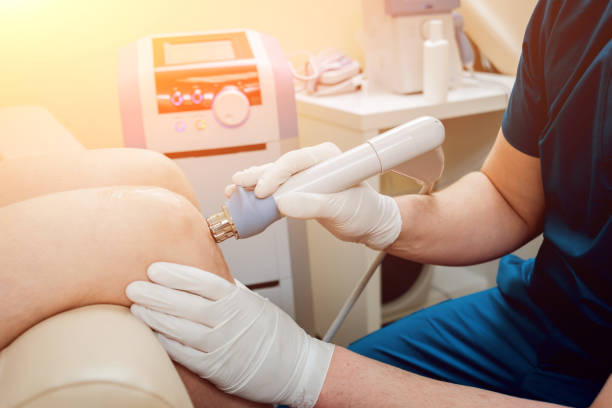
For cysts that are only small or shallow, doctors may suggest using drainage or laser treatment. To drain the cyst, a little incision is made to remove its contents, but the sac stays, and the cyst could return. Laser treatment can treat cysts with precision and leave little scarring. However, it is not right for every kind of cyst.

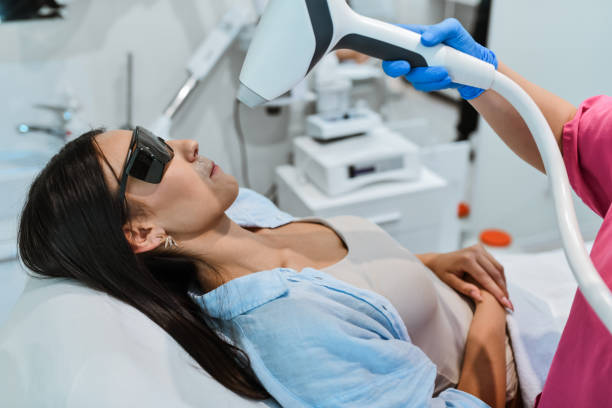
When you visit Revitalise London, your specialist will check the cyst’s size, where it is located and its type to decide on the best removal method. A procedure typically takes under an hour, and specialists make sure to use sterile equipment to prevent infections.

When you know how the process works, you can see why the risks and benefits should be balanced. Although surgery helps relieve pain and reduces risks, how it is done can influence how fast you heal, how much scarring you will have and if the condition comes back.

If you know the details of the procedure, you can be confident and expect a real recovery.

Who Is Suitable For Cyst Removal?

You need to learn if you are suitable for cyst removal before proceeding. It’s important to know the pros and cons of cyst removal and also to understand when the procedure is recommended by your doctor.

Signs You Should Consider Removing

If your cyst creates discomfort or pain, becomes inflamed or is infected, cyst removal might be necessary. When infections or swelling occur again, it’s usually recommended to visit a professional to avoid further issues.

Cosmetic problems are a typical motivation for patients. If a cyst affects your looks and lowers your self-esteem, you can have it removed to make your skin look better and feel better about yourself.

Cysts near parts that move a lot, like the neck, face or groin, may become irritated easily and should be checked for removal.

Medical Indications

If the cyst’s size, colour or texture shifts, doctors may recommend removing it. When a lump grows quickly or has unusual characteristics, a biopsy may be needed to check for cancer.

If your doctor cannot say for sure that the lump is a benign cyst, they may advise you to have it removed and tested.

When Should We Delay or Avoid Removal

In some cases, treatment must be put on hold. If you have problems such as diabetes or weak immunity, or if the infection is close to the cyst, your practitioner might advise waiting or beginning with other treatments first.

Those who are pregnant or breastfeeding should talk to their specialist about the best time to have the vaccine.

Handling the Pros and Cons

Looking at your health, what the cyst looks like, and your lifestyle can help you decide if having it removed is worth it.

Working with the experts at Revitalise London will ensure you get personal advice that suits your needs and helps to lower your risks.

Understanding the Cyst removal risks and benefits

It’s important to think about the benefits and risks before deciding on cyst removal. Learning about the options allows you to determine if treatment is the right choice for you.
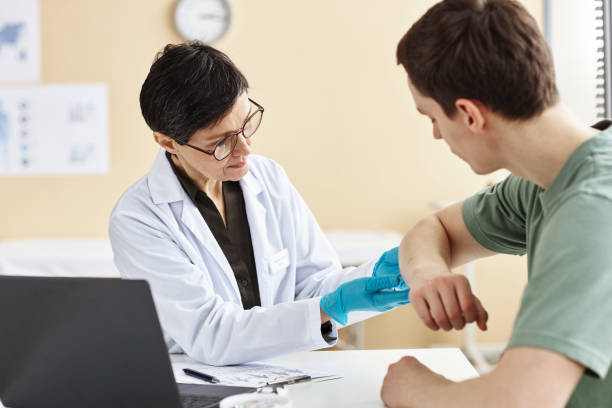
Cyst Removal Risks

Benefits of Removing Cysts

A major advantage is that it helps relieve distress. Cysts can be painful when they become big or infected. When a cyst is removed, the irritation stops, and the chance of forming an abscess is reduced.

The process of cyst removal can improve your skin’s appearance if the cyst is noticeable or rubs against other parts of your body. For a lot of people, it helps them feel more sure of themselves and less self-conscious.

Removing the cyst makes it possible to make an accurate diagnosis. Now and then, a cyst may look like another skin lesion, so removing it can help with a diagnosis and rule out cancer or other conditions.

The Risks Associated with Cyst Removal

Skin cysts are usually safe to remove, but the process has risks that change depending on the technique used, the skillset of the doctors, as well as factors like skin type and location.

Although rare, sometimes infection can happen when the aftercare instructions are not followed. Light bleeding or bruising can develop immediately following the procedure. Having a large or deeply placed cyst increases the risk of scarring. Revitalise London’s skilled doctors use methods that reduce scarring and encourage good healing.

A cyst can come back if part of the sac is left during the operation.

Removing cysts is usually advised when they bring pain, an infection or create a cosmetic problem. Having a professional look over the situation helps you decide on the right technique to gain the most while minimising risks.

Revitalise London’s team of experts focuses on your safety and happiness, making sure you reach the best results.

Various Methods for Removing Cysts and the Risks They Bring

It is important to know the cyst removal methods to understand both the risks and advantages for each method. Each method is designed for a different type of cyst, place or what the individual desires.

Surgical Excision

Most often, the cyst is removed with surgery, which means the whole sac is taken out as well. Using this method gives you the strongest chance of no recurrence, and a  biopsy is possible if needed. Risks are scarring, infections and it can take longer time to heal. Professionals at Revitalise London apply exact methods to lower the risks and ensure the best results.

Incision and drainage

If a cyst is infected or swollen, your doctor may treat it by making an incision and draining it. The material inside the cyst is released, but the sac is not removed, which is why cysts often come back. Infection, inadequate healing and the possibility of the injury returning can occur, so most often, it’s applied on a temporary or urgent basis.

Laser Removal

A laser cyst removal is a safe procedure that uses light energy to destroy unwanted tissue in the cyst. It helps lower bleeding and scarring and often allows patients to recover faster. Not every kind of cyst or location makes this the right treatment. Possible problems are pigment changes and residual moles, making it more likely that the cyst returns.

 Freezing methods

The cyst becomes frozen, shrinks and falls away after cryotherapy. While it’s generally risk-free, you may need multiple visits to remove all the affected tissue. Risks you may face include skin blisters, irritation and changes in skin colour. The best use for this method is on smaller cysts that are easy to reach.

Finding the Right Equilibrium

There are pros and cons to every way of removing cysts. Speaking with your healthcare provider about these options helps you pick the best and safest treatment for your cyst.

Our team at Revitalise London examines your needs and picks the treatment that gives the best results and least risk, so you are safe and pleased with the outcome.

What Happens After Removing a Cyst and How Long Will Recovery Take

Learning about recovery after a cyst removal surgery helps you decide if the procedure is worthwhile. How you recover after having a removal will depend on your procedure and your body’s ability to heal.

How Well Are You Feeling

The average time for healing after surgical excision is 7 to 14 days. During this time, the place you treated may feel tender, be red or swell up. Patients are typically able to remove their stitches in a week and return to everyday living immediately afterwards.

Most people only need a few days to recover after having laser removal or cryotherapy. Even so, more than one session could be required to dissolve the cyst completely.

What Happens After Removal 

You may find that you have some bruising or slight pain right after your cyst is removed. You will usually feel better in just a few days. While you heal, your skin may scab, but you should not pick them so they do not scar.

It’s possible to notice temporary changes in your skin colour in the treated area, mainly after freezing or using lasers. They normally disappear after only a few weeks.

Approaching Side Effects

Having some redness, swelling and light pain is usual and using painkillers and gentle care will help. Washing your hands and drying them after using the toilet helps stop the rare chance of getting an infection.

If there is more pain, redness that won’t go away, pus or fever, these may mean you have an infection and should see your healthcare provider right away.

How to Begin Doing Things Again

Most patients are able to follow their normal schedule soon after, apart from avoiding difficult activities and swimming until they recover fully.

Professional Help Comes In Handy.

Our team gives you easy-to-follow aftercare tips and organises follow-up meetings to keep your recovery safe and successful. We aim to make sure you get the most out of cyst removal and suffer the least risk so that you can look your best with confidence. 

Supportive Care After a Cyst Is Removed and How to Stop Recurrence

It is helpful to recognise both the chances of the procedure and how you can help your skin avoid future cysts.

Looking After Clean and Healthy Skin

It is very important to clean the treated area after the cyst is removed. Cleansing gently on a regular basis helps stop infections that might affect your healing. Don’t use products that might irritate the area during your surgical recovery.

A Good Moisturiser Never Goes Wrong! 

A gentle moisturiser without fragrance helps your skin stay moisturised and aids in repairing tissue. You can also prevent the sun from darkening your skin and causing scars by covering it or using sunscreen.

Learning How to Spot Signs of Cyst Coming Back

Even though getting your cyst removed by a pro can lower the risk of it returning, some might reappear if the whole sac wasn’t taken out. The first indication may be tiny lumps or swelling at the spot where the cyst began. If you see your practitioner right away, you can avoid issues and start treatment fast.

Choosing a Healthy Way of Living

If you eat healthy, stay hydrated and avoid cigarettes, your skin will heal better and you’ll experience lasting benefits.

Regular Follow-Ups

Check-ups after your cyst is removed should be scheduled periodically, according to Revitalise London. They allow your doctor to notice if there are any changes and to address them, keeping your skin clear of cysts.

Considering Cyst removal risks and benefits

Cyst removal over the long term gives you greater benefits and protects you from infection, scars or having the cyst return. Most people can achieve clearer skin and improved confidence by following a dermatologist’s guidance.

Why Choose Revitalise London 

At Revihttps://www.revitaliselondon.co.uk/cyst-removal-clinic-harley-street-london/talise London, you get skilled care that offers the best results and lowest risk possible.

Cyst Removal Risks

It’s very important to learn about the possible risks and benefits of cyst removal, but you should also choose a respected clinic for the procedure. Our team at Revitalise London focuses on giving you the best care to ensure you get the most from your treatment and suffer the least risk.

Trained Experienced Professionals

We have trained specialists on our team with plenty of experience in finding and removing all kinds of cysts. Because of their knowledge, the doctors can avoid complications such as infection, scarring or a cyst appearing again.

Personalised Treatment Programmes

Because patients are all different, each cyst is as well. Revitalise London personalises your treatment by looking at your skin, the type of cyst and your health history to decide the best removal treatment. The kind of treatment we use, surgical excision, laser procedures or cryotherapy, depends on your situation for the best results.

Methods That Are Advanced and Safe

We apply the latest medical devices and sterile practices to ensure your surgery goes safely and provides comfort. We use methods that are gentle on tissues and help you get better faster and with fewer setbacks than traditional methods.

Care Continues After You Leave The Facility.

Learning about the cyst removal risks and benefits helps your skin as it recovers. Revitalise London looks after you with full aftercare advice and regular follow-up visits to check your progress and manage your worries early.

Having a place that’s comfortable and private

We always make sure your comfort and privacy are top priority. Our clinic is set up to help you relax and trust in your treatment process.

Patients Find Our Service Reliable

At Revitalise London, many patients choose us for cyst removal because of our safety, success and personalised care.

Want to remove your cyst using a safe and effective method with expert help? Feel free to contact Revitalise London now to make an appointment and see what professional cyst treatment can do for you.

Making the Best Decision and Avoiding Cyst Removal Risks

You should learn about the benefits of cyst removal risks before you decide on treatment. Although removing cysts can relieve pain, stop infections and make the skin look better, it’s good to know that minor risks like scarring or infection can be kept to a minimum when treated by a professional.

You will receive expert advice, special treatment plans and the latest techniques when you choose Revitalise London. We assist you from the first meeting through aftercare to ensure you get the best results.

If you think you have a cyst and want to learn about removal, make sure to talk to people who know all the pros and cons. A professional approach is needed to both get rid of cysts and give you peace of mind.

Call Revitalise London today to set up your appointment and start healing your skin with the best cyst removal treatment.


Read more...

Why Choose Professional Cyst Removal Treatment for Safe Results”

Professional Cyst Removal

Can You Treat Cysts Yourself at Home? Dealing with Risks vs. Going to a Professional Cyst Removal

Cysts are a common type of skin problem: they are small, generally painless lumps under the skin that can be treated with professional cyst removal treatment.. Squeezing or draining cysts at home may bring about severe health problems. If you’ve ever wanted to try DIY cyst removal or wondered about professional treatment, you're not alone! 

In this article, we will investigate the hazards of removing a cyst yourself, explain why getting professional cyst removal is the best and describe what to expect when you visit a clinic. Handling cysts correctly can keep you safe from pain, infection and permanent marks.

Let’s examine what takes place when you handle a cyst on your own—and see why an expert is always the better option.

What Will Happen If You Remove a Cyst Yourself?

Home remedies for removing cysts seem fast and simple, but they can generally make the situation worse. A cyst is an enclosed sac containing fluid, pus or different materials. If you do not have proper tools, knowledge or ways to sterilise, you could injure yourself while trying to remove it on your own.

The Most Common Problems With Home Cyst Removal:

If you use tools that haven’t been sterilised or touch the cyst, bacteria can enter the skin, resulting in redness, swelling, pus and inflammation.

A complete removal of the sac lining is needed to avoid the cyst from coming back. DIY processes tend to miss some cysts, which can cause it to grow back again.

If you squeeze or cut a cyst by yourself, you might damage the area and leave a permanent mark.

Misdiagnosis: Some lumps you find might not be just cysts. Something you think is a cyst could actually be a lipoma, an abscess or a very rare type of tumour. Only a healthcare professional can correctly diagnose a disease.

Rupturing a cyst with incomplete drainage can drive the content of the cyst deeper into your skin, causing infection and sometimes requiring surgery to drain an abscess.

Even though tutorials and over-the-counter products claim easy results, they cannot replace the accuracy and safety found in a clinic. Even if the cyst is small, it should be treated with sterile methods and proper care afterwards to prevent problems.

If you’re thinking about removing a cyst, it’s always a good idea to see a professional for both your peace of mind and a proper recovery. A specialist is able to remove the mole safely and completely, and will leave behind less scarring.

What is Professional Cyst Removal? 

Cyst removal treatment from a professional is a reliable way to remove a cyst from the skin or deeper tissues safely. Professionals perform this treatment in a sterile clinic, which guarantees accuracy, safety and good results in the long run.

A Brief Account of How Professionals Remove Cysts

1. Evaluation and Diagnosis: A healthcare professional will check the lump to make sure it’s a benign cyst and not something more serious. They can perform a visual check or run imaging tests when needed.

2. To provide comfort, the area will be numbed with a local anaesthetic just before the procedure.

3. Most often, the cyst and its sac are carefully taken out through a small cut. This is done to prevent another outbreak.

4. Sometimes, your doctor will close the wound with sutures, clean it properly and cover it with a sterile bandage for healing.

5. You will get instructions on how to care for the area, ease your pain and avoid infection or scars.

Reasons to Choose Professional Cyst Removal Treatment:

  • Taking out the cyst as well as the sac where it is found
  • Scars are reduced when the right methods are used.
  • A low risk that the infection will happen again
  • Identifying what the growth is
  • Immediate recovery and skilled follow-up care

Going for professional cyst removal puts your health and the safety of your skin first. Most of the time, the procedure is over in 30–60 minutes, and recovery is easy if you follow the doctor’s instructions. If you experience a cyst that is painful, growing or noticeable, meeting with a specialist is the best and safest way to manage it.

Is It Possible to Remove Cysts on Your Own? 

Even though it might look easy, home remedies for removing a cyst are very risky. A lot of people believe that draining a cyst is easy, but it can cause problems and sometimes harm the skin permanently.

Reasons Why Home Removal Can Be Dangerous:

Having a cyst removal with unsterilised instruments can introduce bacteria and cause more infection, abscesses and increased swelling.

• Partially Complete Removal: Home methods usually do not eliminate the wall of the cyst. When the sac is left behind, the cyst frequently returns, this time bigger and hurting more.

It’s possible that what you think is a cyst might actually be another skin problem. Removing a cyst yourself may mean hesitating in getting proper treatment.

• If techniques are not done correctly, they can result in skin tears, heavy scarring and alter the skin’s quality for a long time.

Popular DIY Strategies and the Problems They May Cause:

• Squeezing or popping a cyst can cause the infection to spread and lead to inflammation.

Not only does needle drainage hurt, but it only removes the fluid, meaning the sac remains to promote regrowth.

• Examples of home remedies include warm compresses and essential oils, which might help reduce surface inflammation but won’t treat the problem inside the cyst.

When You Must Never Try DIY Removal:

• The cyst can be painful, get red or have pus

• It is developing rapidly or forming in a new way

• It’s close to a sensitive part like the eyes or genitals

• You have a lowered immune system or a skin problem

If you are uncertain, it’s best to stay away from taking action. It is better to get your cysts treated by specialists who have the knowledge and experience to treat them safely.

The Problems with At-Home Or Professional Cyst Removal

Even though taking care of a cyst at home may seem like a good idea, there are big dangers involved. Using the wrong tools, not being properly trained and working in an unsterile area could actually harm your patients.

1. A high possibility of infection

Bacteria can easily enter the procedure if you use unsterile equipment or do not wash your hands before touching the area. A fever with swelling, redness or pus, along with an infection, often means you will need antibiotics or emergency care.

2. Incomplete Removal

Keratin or fluid is held in a sac beneath the skin by a cyst. Just popping or draining a cyst at home won’t remove the cause of the problem. Because of this, there is a strong chance the cyst will return, often larger and more uncomfortable.

3. Scars and skin wounds

People often make improper incisions or tear the skin during a DIY removal. It increases the risk of you getting permanent scars or keloids. Doctors perform cyst removal using methods that protect tissue and encourage a cleaner recovery.

4. Misdiagnosis

A lump in the breast could be a problem, and not just a cyst. Sometimes, it’s a lipoma, an abscess or, in unusual cases, a growth that should be biopsied. If you don’t see an expert, you might not realise a serious condition that needs immediate attention.

5. Bleeding and pain.

The doctor will cut into the skin to remove a cyst. Removing the cyst yourself can result in bleeding that you can’t stop and a lot of pain, especially if the cyst is deep or next to nerves or blood vessels.

There are many reasons why having your cysts removed by a professional is safer.

You can be sure you’re getting a safe and sterile procedure when you opt for professional cyst removal. Every step at clinics like Revitalise London, your comfort and both your safety and skin health are cared for. This approach helps prevent problems and results that won’t last.

When should you visit a doctor to have a cyst removed?

When your symptoms are unusual or more severe, it’s very important to see a doctor for a cyst. With some cysts, it’s okay to wait, but others can become more serious if treatment is delayed.

1. If the Cyst Hurts or Begins to Grow

An enlarged or painful cyst is likely to be infected or undergoing inflammation. Based on these signs, you should start thinking about getting professional cyst removal. If you don’t treat it, it can cause the skin to tear, fill with pus or be damaged over time.

2. Having an Infection

Cheque for areas that are red, warm, have pus, are swollen or are feverish. An infected cyst shows these symptoms, so a doctor should see it. At-home treatment of it could cause the infection to spread more widely.

3. Cysts In Sensitive areas 

Cysts that develop on or near the eyes or in the genitals should never be treated at home. Scarring, nerve problems and complications are much more likely in these spots. A cyst removal performed by a seasoned healthcare provider will be done safely.

4. Recurring Cysts

If the cyst returns, chances are you didn’t remove the whole sac originally. A professional can remove all of the lining to keep the cyst from growing back.

5. Cosmetic Concerns

A number of people request removal when the cyst changes their self-esteem or how they look. When a cyst is removed by a professional, it is done with less scarring and a more planned  result.

6. Uncertain Diagnosis

If you aren’t sure if what you feel is a cyst, you should talk to a doctor. Your doctor might suggest getting an image or biopsy to check for other diseases.

Our skilled team at Revitalise London uses modern, gentle methods to take out your cyst accurately. We assist you in relaxing and enjoying improved skin health using safe techniques.

What Happens If You Try to Remove Cysts at Home vs. Professional Cyst Removal 

It’s possible to remove cysts at home, but this can be dangerous and lead to complications which cyst removal by a professional avoids.

The Risks of At-home Procedure Vs Professional Cyst Removal

  • Infection: The risk of getting diseases that can spread increases if tools and the area aren’t sterilised before surgery.
  • Many times, people who remove cysts themselves don’t get rid of the whole sac, which can cause it to grow again or become more inflamed.
  • When done incorrectly, these techniques can harm your skin, leave scars and sometimes injure your nerves.
  • Cutting or squeezing a cyst can cause serious bleeding and much pain when anaesthesia or aftercare is not provided.
  • Home treatment may cause you to ignore a cyst if it is a more serious condition.

Why You Should Have Your Cyst Removed by a Professional

  • Sterile Workspace: Clinics always make sure their tools are sterilised so infections do not occur.
  • Professionals make sure the whole cyst sac is removed, so the cyst can’t return.
  • During local anaesthesia, the area is not painful during the procedure.
  • Skilled work decreases the appearance of scars while improving how the body heals.
  • Medical specialists analyse the kind of cyst and choose the best approach for removal.

Doing surgery on your cysts can create problems that need serious medical management. If you want safe, effective and lasting results, it’s best to have cysts removed by a professional.

We use both our skills and modern techniques at Revitalise London to safely remove cysts that fit your skin well.

Why You Shouldn’t Remove Cysts at Home vs professional cyst removal 

Professional Cyst Removal

How is a professional cyst removal performed?

A lot of people ask if they can take care of cysts at home. Even though it is possible to remove cysts on your own, there are major risks.

Problems with home removal

Lack of clean tools and a clean place to work makes home removal much more likely to cause infection, with serious consequences.

  • Unfinished Removal: Cysts contain a sac just beneath the skin. If you don’t get the cyst totally removed, it is likely to come back or get worse.
  • Unsafe Technique: If you don’t know what you’re doing, you could cause cuts or damage to the nearby tissues.
  • Anaesthesia is important to avoid painful bleeding, as experience can lead to big problems in such situations.

What is the Benefit of Professional Cyst removal?

  • All clinics at Revitalise London use medically approved sterilisation to stop the spread of infection.
  • Experienced practitioners take out all of the cyst sac to cut down on the risk of it happening again.
  • You will feel no pain during the procedure, thanks to the local anaesthesia.
  • A professional can check the cyst and confirm it is not dangerous, helping you relax.
  • After your procedure, you receive advice and help to encourage fast healing and avoid complications.
  • The best way to deal with cysts is to have them removed professionally because it’s safer, gives better results and looks better afterwards.

What Should You Expect When During Professional Cyst Removal

If you choose cyst removal with a doctor, learning what will happen can alleviate your concerns.

Initial Consultation

The first step for your practitioner is to analyse the cyst, noting its size, where it is and the symptoms you have. By doing this, doctors can choose if a skin lesion should be surgically removed, drained or treated with a laser.

Preparation

The area is sanitised and cleansed before starting the procedure. A numbing anaesthetic is given to the area to make sure the patient feels comfortable.

The Procedure

The type of cyst you have determines the most effective technique.

  • With surgery, the cyst and its sac are removed very carefully so as not to harm the surrounding skin.
  • If a cyst is infected, the practitioner will open it to allow the pus to drain before removing the sac.
  • Sometimes, a controlled laser is used to remove the cyst with only minor damage caused.

Tolerance Levels 

Removing most cysts takes only about 30 minutes. Because of local anaesthesia, the procedure is not painful for patients.

Aftercare Instructions

Your doctor will offer specific advice about caring for your wound, warning signs of infection and when you need to go back for another appointment.

When you have cysts removed by a professional, you are safer, the risks are lower, and your healing process is better.

Differences between Home and Professional cyst removal

A lot of people want to get rid of cysts at home to avoid going to a clinic, yet this option can be quite dangerous.

Professional Cyst Removal

The Risks of Removing at Home

Squeezing or cutting a cyst yourself may cause various problems.

  • Bacteria can enter the body through improperly clean hands and equipment, which can cause severe infections.
  • If the procedure is not done carefully, it can badly affect the tissues nearby and cause noticeable scars.
  • If even a small amount of the cyst sac is left, it could come back or get worse.
  • If you cut yourself without proper care, bleeding may occur without stopping.

Why is it safer to have professional cyst removal? 

Choosing to have cysts removed by a professional can reduce your chances of having problems. Experienced people in the field use clean tools and techniques to safely and completely remove the lesion. 

Taking care of a cyst with professional care reduces scarring and helps prevent it from coming back. Revitalise London, among other clinics, creates a recovery plan tailored for your cyst’s position and type so that you can recover more safely and quickly. If the cyst is uncomfortable, full of pus, growing quickly or close to a sensitive body part, don’t try to remove it at home. Always talk to a professional before making any decisions.

Why Should You Rely on Revitalise London for Professional Cyst Removal

We put your safety and comfort first at Revitalise London by providing expert cyst removal treatments designed for you. Because our specialists are trained in Britain, they use the best methods and equipment to offer quick, painless treatments that result in little scarring. We assess your cyst in detail and advise you about the best method for removing it, depending on your skin and daily life. Revitalise London ensures personal care and reliable aftercare to help patients achieve great and durable results from their cyst removal. For your peace of mind and the best treatment for your skin, pick us.

Read more...

Essential Cyst Removal Aftercare Tips for a Smooth & Safe Recovery

Taking out the cyst is standard surgery, and cyst removal aftercare is equally as significant as the operation. Inadequate care after removing a cyst can result in infection, difficulty with healing or leaving a scar. Regardless of your type, now that your cyst has been removed, your skin must be looked after to recover and remain healthy.

Aftercare includes cleaning the wound, but also involves learning about the process, how to manage any pain and what to do to ensure the skin heals well. Depending on the site of your cyst, the aftercare plan could differ for each person.

Along with cyst removal, we advise our patients on caring for their skin. Our advice is personalised, allowing for a quick recovery and healthy skin.

We will advise you on caring for yourself during the first day and over the long run after cyst removal. We will also explain ways to avoid getting more cysts and care for your skin more actively. All set to ensure your skin heals properly? Now, we will explore each step in the post-care process.

Cyst Removal Aftercare

What Options of Cyst Removal Aftercare

Proper care after removing your cysts is vital for your skin’s health. If the surgery site is not taken care of properly after removing a cyst, the area can develop infections, become inflamed and scar. Regardless of how simple or complicated your surgery was, your skin should be cared for properly to heal completely.

During the first two days, the situation is the most important. At this stage, bacteria can easily enter the wound if not cleaned and left exposed. Making contact with the wound using your unwashed fingers can also result in delays in healing. For this reason, professionals advise keeping the area clean, dressing it so it does not get dirty and avoiding rubbing the treated site.

Forgetting to take care of your surgical wound can lead to complications.

• It takes longer for the wound to heal

• A painful area accompanied by infection

• Dark and discoloured scars

Often, cysts return if the area where the cyst was detected does not heal completely.

Proper cyst removal aftercare promotes the quick growth of new skin cells, protecting your skin from scars and other issues. This is most important when cysts are removed from the face, back or underarms.

Aftercare also becomes necessary to stop any future issues. If your pores or skin are not properly cared for after a cyst, more cysts may grow in the future. Keep your skin moisturised, stay away from harsh chemicals and use non-comedogenic items after removing your makeup.

Taking care of your skin as recommended helps you achieve the best possible outcome. If a wound is taken care of, it heals quickly, appears nice and reduces the risk of forming cysts later.

Things to Do Immediately After Having a Cyst Removed

You should keep in mind that what you do for the first few hours after your cyst is removed can impact your recovery. Aftercare for cyst removal should begin when you are discharged from the clinic.

1. Ensure that the area is always clean and dry.

As advised by your practitioner, the area treated should be covered with a clean dressing. Don’t get the article wet for at least half a day. If your wound is not dry during bathing, it can take longer to heal, and bacteria could enter the wound.

2. Adhere to the rules for caring for your wound.

Only wash the wound with the suggested antiseptic or saline solution. Do not use alcohol or hydrogen peroxide unless directed, since they may irritate your skin and cause it to heal slowly. Wash your hands before working on the area.

3. Leave your scabs and stitches alone.

Even though it is natural to want to scratch at a healing wound, this might open the wound and create more scars. If your wound is stitched, do not remove the stitches until your next check-up.

4. Be aware of any suspicious activities.

Consult your clinic if you observe pus, extra pain or warmth around the wound. If you seek care for an infection quickly, you may avoid facing complications.

5. Try to do less physical exercise.

If the cyst developed in the back, groin or underarm, do not try to stretch much, overexert yourself during exercise or wear clothing that rubs the area.

These quick cyst removal aftercare tips form the base for skin to heal properly. The idea is to let your skin heal and repair itself in peace and without any disturbance.

Maintaining a Clean Area 

Keeping the area clean after surgery is necessary, but avoid intense scrubbing since it could damage the area. If you are gentle during your aftercare, cyst removal will be more effective.

1. Always Stick With Mild Soap

Do not use antibacterial soap for your skin. Pick a cleanser that is fragrance-free and has a pH close to 5. Don’t strip away the natural oils on your skin, as they are helping it heal.

2. Always Pat Dry.

After washing the area, always pat it dry using a clean and soft towel. Massaging the healing skin may disturb it and remove scabs that protect the area.

3. Avoid anything that contains alcohol.

When you use disinfectants with alcohol or strong astringents, they may burn and cause redness. Your practitioner should advise you to try a saline solution or diluted antiseptics.

4. Shifting Dressings Should Be Done Properly

If you still have a covering, change it as directed by the prescribed guidelines. Utilise sterile gauze and medical tape, and ensure your hands are clean before you come in contact with the cut.

5. Practice wisdom and don’t do much in one day.

Too much washing can hinder the process of new tissue formation. Twice a day should be enough, unless your doctor instructs you otherwise.

When gently cleaning your skin after cyst removal, you avoid infection and irritation, so your skin recovers easily and painlessly. It matters most in the case of cysts removed from sensitive or active body parts.

Essential Cyst Removal Aftercare

Things to Keep in Mind While Healing

While you should follow the proper steps, knowing what not to do is vital during aftercare. If you want healthy skin to heal well and avoid complications, avoid these mistakes.

1. Picking or Touching of the Wound

Do not try to remove healing tissue or scabs, no matter how appealing they appear to you. Consequently, it may result in scars, a prolonged recovery or infections. The golden rule is just to let things be.

2. Sunlight should be allowed into the area.

Too much UV radiation after a skin injury can lead to long-term spots on the skin. Do not forget to keep the area covered or apply a sunblock that your doctor recommends once the wound has healed.

3. Using Products That Hurt the Skin

Avoid using retinoids, exfoliants, acne creams, or similar products for at least 1–2 weeks after piercing. They may bother the healing area and hinder the body’s regrowth of tissues.

4. Sweating Heavily

Stay away from strenuous exercises, saunas and hot showers during the first few days. Sweating a lot allows bacteria to enter the body, and it takes longer for you to recover.

5. Wearing Clothes That Are Too Tight

If a cyst is taken out of an area that comes into contact with clothing — back, thighs or underarms- do not wear very tight or scratchy clothes. Select loose clothes and allow your skin to breathe.

Staying away from these triggers and habits allows your skin to heal effortlessly, with a lower chance of complications.

How to Minimise Scars After Having a Cyst Removed

Scarring occurs during healing, yet the proper cyst removal aftercare can help reduce scarring. Here are some actions that help your skin heal and likely avoid permanent marks:

1. Maintain hygiene and ensure it is well-moisturised.

After the wound heals, begin using a soft and fragrance-free moisturiser. Aloe vera, vitamin E and silicone gel added to creams can soften your skin and assist in smoother healing.

2. Stay out of the sunlight as much as possible.

Exposure to sunlight may darken scars and cause them to become worse. Add a broad-spectrum SPF 30 sunscreen to the area when the cyst is closed.

3. Keep away from itching or scratching.

Even though it’s tempting, you should resist picking at your scars as it can make them worse. Let the wound take its course to heal.

4. Be gentle while massaging the area.

Once your wound is completely closed and healed, rubbing a thin layer of moisturiser or scar cream can help soften the scar.

5. Try Treatments That Emphasise the Scar

If you easily scar, try using silicone scar sheets, scar gels or treatments suggested by your doctor. By using these daily, faded scars can be expected to reduce over time.

The scarring will be less noticeable if you care for your skin after the procedure.

Tips to Keep Scars Minimised and Help the Wound Heal After a Cyst Is Removed

Looking after your skin afterwards helps ensure that your skin looks smooth and prevents scarring. There is always some scarring after surgery, but there are methods that help to decrease its visibility.

Alternatively, you may use Silicone Gels or Scar Creams.

Among the most recommended ways to minimise scarring after cyst removal is to use silicone gel or a cream containing silicone. They are a barrier on your skin, helping it remain moist and balancing collagen production. According to your healthcare professional, silicone gel will gradually soften scars and reduce their visibility.

It is often found that getting silicone treatment only when the wound is fully healed leads to the best results. Let your practitioner tell you when and how to start using the products.

Using Sun Protection Factor (SPF)

If you stay in the sun right after getting a cyst removed, your scars may become darker and more noticeable. To keep the treated area safe, use broad-spectrum sunscreen with an SPF of at least 30.

After surgery on your face or neck, you can protect yourself in the sun by wearing hats, scarves and sunscreen.

Best Ways to Massage and Hydrate

Massaging the healed part of the skin gently may open up the blood vessels and increase its flexibility, which might decrease scar formation. They can demonstrate the proper method and how often you should start massaging the scar.

Adequate water intake improves your skin’s health and helps it heal. If you use moisturisers suggested by the clinic, the skin will be flexible and less prone to getting dry, helping to reduce scarring.

Staying away from irritating 

While healing, do not apply chemicals that burn, rub the skin too hard or use tight clothing that may irritate the area. Choosing the proper clothing and using a gentle skincare routine will benefit your wounds and reduce the chances of scarring.

Following these tips for scar prevention and healing, your skin should recover and look its best. If you have concerns about how scars will heal, discussing them with your healthcare provider is important.

Essential Cyst Removal Aftercare

After the Removal of a Cyst: When You Need to See a Doctor

Although most cysts heal without problem, you should be aware of issues that might indicate there is a complication. If you notice these symptoms, report it immediately to prevent any issues from getting worse.

Spotting Infection

After removing a cyst, infection is a significant thing to remember. Watch for:

• Noticing that the area around the wound is swollen or red

• Tenderness that gets worse as time goes on

• There is pus or another kind of discharge present at the site

• Continued or increased pain

• Feeling cold or hot

Contact your doctor immediately if you observe any of these issues.

The wound takes longer to heal and is likely to become inflamed.

Sometimes the area is red and swollen at first, but if it remains red or the wound has not started healing after a week, this may be a sign of concern. If the wound suddenly starts bleeding or reopens, consult a doctor. 

Allergic Reactions

Some people may experience itching, a rash or irritation after using a cream, dressing or medication during aftercare. Should you notice serious itching, blisters or discomfort, be sure to mention it to your practitioner so they can help you.

These are some additional issues to keep an eye on.

• Formation of hard lumps near the point of the rash

• Skin colour turning into something more than just a mild reddish shade

• Having a constant feeling of numbness or tingling at the site

They could indicate that scar tissue has developed or a nerve might be involved, so further examination is needed.

When should you call Revitalise London?

If you have any strange symptoms after your cyst removal, our team at Revitalise London advises you to get in touch as soon as possible. If you receive care soon after the accident, it is more likely that your healing will be smooth and you will avoid complications.

Remember to be observant and communicate with your doctor promptly during aftercare for cyst removal. Whenever you are uncertain about how you are recovering, reach out to a professional.

Here are some reasons to use Revitalise London for Cyst Removal Aftercare.

Pick a clinic that suits you well if you want the best care and results after cyst removal. At Revitalise London, we ensure your recovery is comfortable and easy by providing more than just the surgery.

A Specialist Team Just for You

Our staff of professionals trained in the UK understands that no two patients have same needs. Our aftercare plans are customised to your skin, the area where your cyst is and your daily activities. When surgery is tailored, it results in better scarring, less pain and a speedy recovery.

Up-To-Date Technology

Revitalise London applies the latest methods and skincare products to promote healing and avoid complications. To help you heal well, we provide quality silicone products, scar treatments and the guidance of our wound experts. We use a method that protects your skin, nourishes it and provides the best care throughout your recovery.

Full Assistance After Surgery

We ensure that you get the help you need after removing cysts. We ensure you understand what will happen, how to treat your wound, and what to note for complications. Moreover, we arrange follow-up visits to track your healing and address your concerns as soon as you need us. Having continuous support makes you feel comfortable and confident as you recover.

We make it a point to use easy techniques on the surrounding skin. Minimising the damage allows for a reduced risk of prominent scars. After we advise you on aftercare, you can expect your skin to be healthier and clearer.

All Skin Types Are Compatible

Revitalise London has dealt with various skin types and problems. We provide medical services that are secure and effective for even patients who have skin problems or difficult cysts. We always want you to feel safe and comfortable.

If you opt for Revitalise London, you will receive care that looks after your well-being, from cyst removal to recovery. The experts here are ready to guide you and give you personalised care to achieve the best outcome.

If you’re about to undergo cyst removal or need aftercare tips, you can contact Revitalise London for help.

Conclusion: Healing with Confidence After the Procedure

To ensure a smooth healing process, it is essential to look after the area where the cyst was removed. Following a doctor’s advice can avoid problems such as infection, scarring and delayed healing. You can depend on Revitalise London for personal support and guidance throughout your recovery. If you are preparing for treatment or recovering, we will do our best to ensure you feel secure and at ease. To provide a good recovery after cyst removal, put your trust in Revitalise London, your companion in skin health.

Read more...

Skin Tag Freezing Treatment: A Quick and Effective Way to Say Goodbye to Skin Tags

Skin Tag Freezing Treatment

Skin Tag Freezing Treatment is Simple

Having skin tags is frustrating, since they can show up in areas that matter most to us. Skin tag freezing treatment is one of the quickest options for getting rid of these tags. Another name for it is cryotherapy, and it works by freezing the unwanted skin growth so that surgery isn’t needed.

But if you do it incorrectly, it could leave you with scars, redness or cause the hair to grow back. This is why doctors recommend professional care for people with sensitive skin. This article explains all you need to know about having skin tag freezing treatment. You can find out if you are a good candidate for skin tag freezing treatment, how to take care of your skin afterwards and why seeking help from Revitalise London is the best decision.

Let’s find out how freezing will make your skin smoother and help you avoid pain or any other worries.

An Overview of Skin Tag Freezing Treatment 

Cryotherapy, or freezing treatment, is a technique used in clinics to remove skin tags by making them very cold. The skin tag is frozen by placing liquid nitrogen directly on it. The freezing destroys the tissue by disconnecting the blood flow to the skin tag. As time goes by, the tag dries up, turns darker and will fall off by itself.

An Outline to Understand Cryotherapy:

1. The first stage is cleaning the area to make sure no infection occurs. The application of a topical anaesthetic depends on the size and position of the skin tag.

2. Applying the liquid nitrogen: After seeing the temperature, you apply it to the skin tag using a cotton swab or the device. It only takes a few seconds to freeze the tissue completely.

3. When the skin tag is frozen, it becomes white and firm. Afterwards, a blister or scab might appear—this is all part of the healing.

4. Between 5 and 14 days, the tag becomes dry and falls off. If the treatment is done by a professional, the skin rarely scars.

Small to medium skin tags can be successfully treated using cryotherapy on the neck, underarms, groin and eyelids. Still, some skin tags that are quite large or flat may benefit from other types of treatments.

Skipping over-the-counter kits is important as they are not as precise or safe as those used in medical centres. If used incorrectly, they may cause burns, change the colour of your skin or harm your healthy skin.

It is safest to freeze skin tags at a licensed clinic like Revitalise London.

Is Having a Skin Tag Frozen a Painfqul Experience?

Many people often wonder if skin tag freezing is painful before deciding to have it done. The bright side is that… This type of surgery is not usually painful, provided it is done by skilled and experienced surgeons using professional techniques.

What Should I Expect During the Treatment?

A majority of people experience a chilly and stinging feeling when liquid nitrogen is used in cryotherapy. The process only takes a few seconds to freeze the tissue of the skin tag. If someone is getting a treatment on their neck or groin area, applying numbing cream beforehand will make the experience more pleasant.

For a few minutes after the treatment, you could feel a burning or tingling sensation in the treated area. It is much like the way you feel after being in contact with something very cold for too long. If the skin becomes red or swells a little, it is normal and will go away in a short while.

Pain that Happens After the Procedure:

After the frozen skin tag heals, it may develop a blister or form a scab. Normally, this is just a natural step in the healing process and isn’t painful. Most people say that their tenderness is not severe and they get back to their usual activities right away.

If you feel discomfort, pain relievers and aloe vera gel usually help. Don’t try to scratch or pick the skin to prevent it from becoming irritated.

Generally, removing skin tags by freezing is one of the gentlest and most comfortable options. If dealt with professionally, it takes no time, isn’t painful and gets things done—that’s why many people choose it.

Aftercare for Skin Tag Freezing Treatment 

After getting skin tag freezing, you need to look after your skin to facilitate healing and decrease the chances of problems. Even though this approach is safe and gentle, caring for the treated area can help achieve the best possible results.

Things to Do Directly After Surgery

  • Clean the area that has been treated with mild soap and lukewarm water. Do not rub the towels; just pat them dry.
  • Avoid dryness and speed up the healing process by applying either petroleum jelly or aloe vera gel. This also stops bacteria from entering the skin.
  • Keep the area open so that the air can flow. If you need to cover the wound, pick a clean dressing that allows air to reach it.
  • Keep your hands away from the area, even if it forms a blister or scab. This is a natural step in healing and will come off by itself.
  • Try to avoid any physical actions that could rub or touch places such as the neck, underarms or groin.

Days After the Treatment

  • Do not use any makeup or intense skincare products on the area until it has fully recovered.
  • Take a break from taking hot baths, visiting saunas or swimming in pools to prevent infection.
  • To avoid irritating skin, put on loose and breathable clothes after removing the skin tag in a sensitive spot

Sun Protection & Healing Guide

  • After your skin forms small scabs, begin using broad-spectrum SPF on the face and neck to avoid getting any dark spots.
  • It often takes 7 to 14 days for a frozen skin tag to fall off. It could take up to three weeks for someone’s skin to fully recover, depending on the skin type and the size of the tag. While some mild redness and swelling follow, you should get treatment right away if the pain, pus or colour of the wound is not right.
  • If you use the correct post-care method, skin tag freezing treatment leads to very little scarring, so your skin can soon look smooth and even.

What Are the Risks and How Long Does It Take to Heal?

Skin tag freezing treatment is a commonly used, safe procedure, but it’s helpful to learn about the aftercare process and the side effects you may face.

Things You Can Expect After Undergoing Freezing

After freezing a skin tag, the area may become red and swollen. This is expected because the liquid nitrogen is freezing and destroying the skin tag. It is possible to feel a short-term stinging or burning feeling after the procedure.

In a few days, the skin tag will usually darken and create either a scab or a blister. This means the skin tag is about to separate and fall off by itself. You should not bother or force the scab, as it might cause your skin to become irritated or scar.

Typical Ways the Body Heals

For most patients, healing is simple and uncomplicated. After one to two weeks, the scab comes off, and you find fresh and healthy skin underneath. A small degree of redness or tenderness can be present for a while, but it should disappear as the skin renews itself.

You may be advised by your practitioner to use soothing creams and to keep the affected area clean and dry during the healing process.

When the Healing Process is Abnormal and You Should Get Support

Although it's rare, sometimes when the right protocols aren't followed, patients might face persistent redness, too much swelling or notice pus, more discomfort or a rise in body temperature. If you notice these symptoms, don’t hesitate to visit your doctor for an evaluation.

Some people may notice that the skin colour in the treated area becomes darker or lighter. Normally, these changes only last a short time, but there are cases where individuals with darker skin keep the discolouration.

Recovery Time of Skin Tag Freezing Treatment

This type of treatment allows for fast and easy recovery. After undergoing the procedure, most people are able to go back to their normal activities quickly. Skin tags usually completely heal and are renewed within two to four weeks, depending on their size and position.

In case your skin tags are removed in several places or from sensitive areas, your practitioner will guide you on how to ensure you recover properly and safely.

If you know what to expect from skin tag freezing, you can feel secure that it is a sensible way to remove skin tags safely.

Things to Know After Receiving Skin Tag Freezing

Aftercare plays a key role in getting excellent results and avoiding any issues after skin tag freezing. If you know the right and wrong ways to help your skin, your recovery will go smoothly.

What Happens After You Freeze a Skin Tag

Always ensure that the treated skin is clean and dry after treatment. As your practitioner advises, wash the skin gently with mild soap and water, but do not soak it for at least two days. It stops infection and aids in faster recovery.

Soothing products recommended by your clinic can relieve irritation and also protect the skin. Always check with your practitioner about the safe use of products after skin tag freezing.

Leave the scab alone and allow nature to help it fall off. If you touch or scratch the area, it can lead to scarring and infection, both of which can harm your final appearance.

Prevent the area from getting direct sunlight. Fresh skin after freezing treatment is vulnerable to becoming darker due to UV sunlight. Choose a sunscreen with a high SPF if you are out in the sun.

Avoid These After Getting Skin Tag Freezing

Don’t apply strongly active chemicals, exfoliators or scrubs to the treated skin until the healing is complete. They can trouble the skin and make recovery slower.

Do not apply makeup or use heavy makeup around the area until the skin heals, especially if the skin tag was taken from the face or neck.

Do not attempt to get rid of the treated skin tag or scab on your own. It can lead to bleeding, an infection or scarring.

During your recovery, you should avoid going into swimming pools, hot tubs or saunas since they may introduce harmful bacteria.

How to Know When to Follow Up Of Skin Tag Freezing Treatment

Remember to go to all the follow-up appointments you have scheduled with your practitioner at Revitalise London. They will ensure the area is healing properly and will respond to any worries you might have.

If you find that the skin is red, swollen or hurting for more than a few hours and you notice pus or fever, visit your clinic right away.

Observing these guidelines will give you the best results and leave you with smooth skin in less time.

Why Should You Choose Revitalise London for Skin Tag Freezing?

Selecting the right clinic is important for a positive and effective treatment using skin tag freezing. Our team at Revitalise London ensures your procedure is precise, safe, effective and comfortable by using modern technology and developing personalised care plans.

Personalised Care and Individual Approach

Each member of our team is trained and knows that skin is not the same for everyone. Before choosing a treatment, we check your skin type, the appearance and location of the tags and any underlying problems. This way of treatment ensures that the freezing is customised for you, which helps achieve the best results.

Modern Tools and Technology For Skin Tag Freezing Treatment

At Revitalise London, we rely on up-to-date cryotherapy tools that permit the safe application of liquid nitrogen. So, freezing the skin tag involves only the affected area and leaves the surrounding healthy skin untouched. With our modern techniques, we manage to reduce any discomfort and lower the risk of scarring or differences in skin pigmentation.

The procedure is gentle, and the scars are hardly noticeable.

Freezing skin tags at our clinic is meant to be as painless as we can make it. As soon as the area is frozen, patients experience only small feelings of cold or tingling. They also use methods that reduce scarring, so you get the best results and your skin looks natural after having delicate areas treated.

Special Care for the Delicate Parts of the Body

A lot of skin tags form in places that are difficult to treat. Those performing skin tag freezing at Revitalise London have ample expertise with the delicate skin under the eyes, in the underarms and the groin area. Your health and confidence will be looked after with great care and professionalism.

Extensive Support And Assistance After the Programme.

Good treatment continues after the procedure ends. After your surgery, our team will explain the aftercare procedures and will be available to answer all your questions. When required, we arrange follow-up visits to check your condition and quickly answer any concerns.

If you use Revitalise London for your skin tag freezing treatment, you’re under the care of professionals. Because we offer personal care, high-quality technology and ensure patient comfort, we are trusted by many for skin tag removal in the UK.

Conclusion: Is Freezing a Safe Way to Remove Skin Tags for You

Freezing your skin tags is a fast, safe and non-invasive option for removing them. Many people like it because it treats the area where the problem is, facilitates quick recovery and can be done safely on various parts of the body. This option is effective if your skin tags are irritating, make you feel embarrassed, or simply cause discomfort.

Before having skin tag freezing treatment, be sure to talk to an expert in the field. They will identify your skin type, check where your skin tags are and what they look like and suggest the safest and most effective way to deal with them.

Here at Revitalise London, we freeze skin tags by using innovative cryotherapy methods that are safe and gentle. Because we care for our patients and offer personalised treatment, saying goodbye to skin tags is the right decision.

If you seek a fast, secure and trusted way to remove skin tags, consider getting skin tag freezing at Revitalise London. You can get in touch with us now to ask questions or arrange a consultation and begin improving your skin.

Read more...

Skin Tag Removal Procedure | Safe & Same-Day Procedure by Experts

Skin Tag Removal Surgery

Skin Tag Removal Surgery: When Is Surgery Needed to Remove Skin Tags?

Skin tag removal surgery is a quick medical procedure meant to remove skin tags that are difficult to treat or are close to sensitive spots. For those whose skin tags cause discomfort, pain, or bleeding, surgery is often needed.

Some consider skin tag removal surgery because it improves their overall comfort. Many people experience discomfort and chafing in the eyelids, groin, underarms, or neck folds, so surgery is considered the best and most effective way to address these concerns. If a skin tag appears to be growing faster, darkening, or causing inflammation, your doctor might suggest surgery to rule out something serious.

During the procedure, you will be awake and pain-free in the area that is treated. If the tag is accessible and large enough, your doctor may prefer to use surgical scissors, a scalpel, or even electrosurgery instead of pulling it out. The objective is to take off the tag in the best way possible to avoid any scarring or regrowth.

Skin tag removal surgery is recommended when you have tried other non-invasive methods without success, or when they are not appropriate. It gives a sense of security because professionals clean the area expertly and use sterile methods, unlike home methods.

What to Expect When Having Skin Tag Removal Surgery

If you decide to have skin tag removal surgery, you should find out what your options are and what is involved in each procedure. How the surgery is done depends on how big, numerous, and positioned the skin tags are. Here are the most frequently used surgical techniques by professionals:

1. Using Surgical Scissors or a Scalpel

This is one of the simplest ways to do it. After applying local anaesthetic to the area, the skin tag is cut off using sterile scissors or a scalpel. It is most suitable for locations where tags are easy to reach. The amount of bleeding is usually not much, and stitches are rarely required.

2. Electrosurgery (Electrocautery)

A very high-frequency electrical current is used to remove the skin tag. Tags in difficult spots often benefit the most from this approach. Electrosurgery removes the tag and also closes the blood vessels to avoid bleeding. This shortens the amount of time needed to heal and also decreases the possibility of infection.

3. Cryosurgery 

Even though it is not invasive, cryosurgery is usually carried out at a medical facility. It is possible to freeze off the skin tag with specialised equipment that sprays liquid nitrogen on it. Most of the time, the scalp gets back to normal within just a few days. However, using this option might not work for larger or more complex tags.

4. Laser Surgery

A laser is used to target and burn the skin tag with as little contact as possible. This method is pricier, yet it gives a very precise result and less possibility of scarring. This procedure is best for delicate or facial areas of the skin.

Details About the Procedure

  • Your doctor will sanitise the area and then use a local anaesthetic to numb it.
  • Most skin tag removal surgeries take between 15 and 30 minutes, depending on the number of tags being treated.
  • During this procedure, the surgeon may use tools that feel like pressure or a pull, but you will not feel any pain.
  • Recovery: Most patients are able to resume usual activities on the same day, needing only some minor care.
  • When skin tags are both noticeable and difficult to remove, surgical removal can give you accurate, quick, and sanitary results.

Is Undergoing Skin Tag Removal Surgery Painful or Dangerous?

Many people are concerned about the possibility of pain and risks during skin tag removal surgery. This reaction is normal when you are thinking about any kind of skin treatment. It’s positive news that, when a skilled doctor removes skin tags, it is normally safe, fast, and less painful.

Skin Tag Removal Surgery

Is the Surgery Going to Be Very Painful?

A lot of patients experience little or no pain during the actual treatment. The reason for this is that a local anaesthetic is applied to the area to numb it before the surgery starts. There will be no pain, but you may sense a slight push or movement as the clinician takes away the skin tag.

The anaesthetic given locally ensures that you feel comfortable during the procedure. Since skin tags are usually only small and on the surface, the operation is a straightforward one. Being minimally invasive, surgical removal, cauterising, or laser treatment helps to prevent or reduce any pain.

After the Procedure

Once the anaesthetic has worn off, you might feel a little sore or tender where the treatment was done. It feels much like a little cut or scrape and often goes away in a few days. You can use paracetamol as an over-the-counter medicine if you feel some discomfort.

Most people find that the aches they experience after the procedure do not prevent them from continuing their daily lives. Skin can feel tender to the touch, yet they should improve after you look after them properly. Listening to the clinic’s recommendations for wound care and prevention will help your wound heal faster and reduce irritation.

Is There Any Danger?

When a trained professional provides skin tag removal surgery, the risks are little to no. Still, as with many small operations, there are a few possible side effects that could occur:

  • Infection: If the wound is not cleaned regularly, an infection can develop which happens rarely. Revitalise London and other such clinics maintain sterility to avoid infections.
  • Scarring can occur, mostly when the skin tag is big or found in a sensitive region. Expert clinicians aim to perform procedures that result in less scarring.
  • Bleeding: Some minor bleeding may occur during or right after the procedure, which the surgeon handles easily.
  • Each once in a while, a skin tag can grow back if it isn’t completely taken off. You will be told about the risks before the procedure by your clinician, who will also guide you on how to minimise complications after the surgery.

Skin Tag Removal Surgery May Lead to Certain Side Effects and Risks

When carried out by trained professionals, removing skin tags using surgery is considered to be safe. However if you're not careful enough while choosing a good clinic, there are risks and side effects you should know about before choosing to have it.

Bleeding

It is common for patients to experience only a small amount of blood. It is normal for this to occur when the skin tag is surgically removed. In most cases, the practitioner is able to control minor bleeding fast and effectively with techniques such as cauterisation or applying pressure. Mention any bleeding issues you might have to your clinician prior to the procedure.

Infection

Even though infections are uncommon, there is a chance for one if the treated area is not looked after after surgery. At clinics such as Revitalise London, antiseptics are used during and after the procedure to minimise the risk of infections. They help by providing information on caring for your body, such as cleaning and protecting the wound. Being careful to follow these steps will prevent you from facing problems.

Scarring

Scarring could take place after skin tag removal, especially if the tag was large or stitches were applied to close the wound. In most cases, the scars are barely noticeable and disappear slowly, but the results may differ from one person to another. Laser treatment and electrosurgery usually help reduce scarring, so they are often used in areas where scars would be noticeable.

Hyperpigmentation 

The skin colour can change in the area where the treatment occurred. In some cases, the healed skin might be a slightly different colour from the rest of the skin. It usually happens in those with darker skin and often resolves within weeks or months.

Things to Consider Before Removing Skin Tags Without Medical Help

Many people decide to remove skin tags at home, but it can be very dangerous. Pulling out your hair may result in:

Since there was no medical equipment and expertise, uncontrolled bleeding could occur.

  • Scars can result when instruments or wound care are not properly cleaned.
  • Leaving some skin tags behind, so they might regrow or become uncomfortable.
  • Sometimes, skin around the treated area is permanently damaged.

Therefore, it is always important to have skin tag removal surgery done by skilled personnel in a clean and orderly environment.

Skin Tag Removal Surgery, Is It Too Risky?

Most people find that the advantages of getting skin tags removed outweigh the very low chances of any issues. You should do the following:

  • Completing these transactions is easy and takes only a few minutes.
  • Carried out safely in sterile settings by trained doctors.
  • Designed for your skin type and your skin tags size and position.

Professional removal is reassuring and will also make your results look nicer. We at Revitalise London ensure that your safety and satisfaction always come first.

Who Could Benefit from Skin Tag Removal Surgery?

In some cases, removing a skin tag through surgery is a good choice for comfort, cleanliness, and better self-esteem. People often decide to leave skin tags alone, but if they get in the way, others choose to have them surgically removed. As a result, is it the path you should follow?

Skin Tag Removal Surgery

People Who Are Ideal Candidates for Surgery to Remove Skin Tags

If skin tag removal surgery is on your mind, you might be wondering if you are eligible for the treatment. Generally, certain features indicate that someone could benefit from the surgical removal of skin tags.

When You Have a Good Chance

If skin tags rub against your clothes, jewellery, or affect you while shaving, you may be eligible for skin tag removal surgery. Sometimes, the discomfort can even result in bleeding or infection.

Many people decide to get skin tags removed in delicate places such as the eyelids, groin or underarms. Since these areas are risky for removing them yourself, surgery becomes the better and safer option.

If you often experience pain from bleeding due to friction or accidental scratches, surgery may be necessary to alleviate this. Many people are bothered by skin tags on parts of the body that others can easily see, such as the neck and face. Getting the skin removed can boost your confidence by improving your appearance.

If a skin tag is large or there are many skin tags, remove them surgically. Unlike home remedies or shedding, this method leaves your pet with a clean coat for a longer duration.

Times When You Could Consider Delaying Your Surgery

There are instances when surgery is delayed. For example, during pregnancy, skin tags appear frequently, but they often disappear on their own after giving birth, so don’t rush to have them removed.

Some skin issues, such as eczema or using blood thinners, may delay your surgery until your skin recovers or your medication is adjusted.

If there are still infections in the treatment area, it is better to wait because surgery done while the patient is infected can be risky.

Using the Proper Method for Removal

Your doctor will consider various things before recommending how to remove your skin tags. The factors to consider are the size and position of the tag, the nature of your skin, the usual process of healing, and the length and appearance of recovery.

Depending on the results of the assessment, your doctor may say that surgical excision, laser removal, cryosurgery, or electrosurgery can help you achieve the best outcome.

Why is Revitalise London the Best Choice for Skin Tag Removal Surgery?

For safe, efficient, and painless skin tag removal, select a reputable clinic. We realise that skin tags are harmless but may still bother many people visually. Being experts and prioritising patients’ needs, we are chosen by many for professional surgery for skin tags.

Experienced and Skilled Treatment

Revitalise London’s specialists are well-trained and skilled in carrying out skin tag removal surgery. Since our clinicians focus on dermatology and cosmetic treatments, each patient receives care that matches their skin and its needs. Such knowledge protects against scarring or infection and provides the best outcomes.

The latest equipment and methods are used in our skin tag removal surgery, meaning treatments are accurate, burden-free, and fast. If your skin tags are large or seem insignificant, our professionals will take care of them skillfully.

Modern methods for treating illnesses

There are several ways to remove skin tags offered by Revitalise London, so people can choose the one that suits them best. We offer surgical excision, cauterisation and cryotherapy, as well as some other options. Consequently, your treatment plan is developed considering the size and position of your skin tag, along with your medical background.

Thanks to modern technology, such as CO2 laser treatment, we provide painless therapies and help reduce scars. The laser technique is widely chosen for sensitive spots or people with numerous skin tags, as it is both safe and effective. Choosing advanced approaches gives Revitalise London an advantage in performing skin tag surgery.

A Good Environment — Comfortable and Safe.

We make sure to provide safe and comfortable care to our patients. The highest standards of hygiene and sterilisation are used at Revitalise London clinics to prevent the spread of infections. Both our skill and compassion allow us to support patients and make them feel comfortable and well-informed during their care.

From the very start to the end of the treatment, we ensure clear and helpful communication. Those treated get instructions on how to care for their skin, making healing faster and easier. Because of this, Revitalise London is recognised as a reliable choice for skin tag removal surgery.

 Skin Tag Removal Surgery Convenient Appointments .

Patients in London and from surrounding areas have easy access to Revitalise London, which is based centrally. Because we know your days are often full, we have appointments that you can set for any day of the week.

Because we are located conveniently and because our clinic is friendly, your surgery to remove skin tags is as hassle-free as it can be. Most patients are pleased that they can complete the sessions quickly, enabling them to get back to their normal lives with only minimal disturbance.

Positive Feedback And Satisfaction For Skin Tag Removal Surgery.

Many happy patients suggest Revitalise London for skin tag removal surgery. We have earned a good reputation by always providing excellent results, professional care, and individual attention. Many people have praised the clinic for its skilled workers, kind attitude, and successful procedures.

When you choose Revitalise London, you are choosing a clinic that has successfully removed skin tags for many people, with your comfort and results being its main priority.

Read more...

Armpit Skin Tag Removal: Prevent Irritation, Hyperpigmentation & Regrowth

Armpit Skin Tag Removal

Explaining Armpit Skin Tags – What Causes Them and the Time to Take Action

While skin tags in your armpit are very common and harmless, they can still be a problem during regular activities, making Armpit Skin Tag Removal a practical and effective solution.
The reason these soft, fleshy growths appear is because of constant rubbing, for example, skin on skin, clothing that is too tight, or lots of shaving. Warmth and moisture in the armpits make it easy for skin tags to develop.

What are the reasons for you to consider armpit skin tag removal? Even though they are usually safe, skin tags located in the armpit area can be uncomfortable and irritate the skin. Sometimes, piercings catch on what we are wearing, cut when we rub them the wrong way, or become red from applying deodorant.

Some people may not know that skin tags can get bigger, and there can be more of them if the source of irritation doesn’t go away. If your skin tag is causing you discomfort or you feel less confident because of it, you could consider getting professional removal.

Home remedies, such as flossing or using scissors or an over-the-counter cream, may seem like a good idea, but armpit skin shouldn’t be treated this way. Some of the possible complications after DIY removal are infection, scarring, and uneven skin colour.

To ensure the procedure is safe and personalised, consider having it done by a medical professional. Revitalise London can correctly check your skin tags, confirm if they are harmless, and choose the best way to get rid of them with little risk involved.

Whether you just have one skin tag or a lot, the objective is the same: comfortable underarms that are not irritated. Getting advice from an expert will save you from making blunders that make the situation worse.

Problems You Could Have With Armpit Skin Tag Removal

Armpit Skin Tag Removal

Why Care Should Be Taken for Armpit Skin

Your underarm area has thin and delicate skin that is always affected by moisture and constant rubbing. Therefore, getting rid of armpit skin tags requires more attention than you may realise. A lot of people try to remove skin tags at home, yet these actions in a sensitive spot can be very uncomfortable and risky.

Hyperpigmentation and Scarring

Hyperpigmentation is one of the most common problems that arise after DIY removal. When the skin is damaged during armpit skin tag removal, it may heal unevenly and result in dark spots. At times, the skin can scar after treatment, and this may also be a bothersome problem.

The Risks of Infection in a Moist Area

The fact that armpits are sweaty and warm means that a broken skin barrier can easily lead to infection in the area. Using improper methods or polluted tools to remove armpit skin tags may cause skin irritation, swelling, the buildup of pus, and very painful abscesses. Not treating these infections quickly can allow them to infect others, and most of them call for medical attention.

Pain, Bleeding, and Improper Healing

Removing a skin tag on your own may result in a lot of blood and pain. The presence of many tiny blood vessels in the armpits means you may cause more harm than you realised after making a little mistake. On top of that, sometimes amateur methods do not take off the tag entirely, which makes the healing and regrowth process less effective.

Regrowth After Incomplete Removal

If skin tags are not removed properly, they may grow back and be bigger than they were before. When you use over-the-counter armpit ski tag removal, regrowth is often a problem. Over and over again, injuring the same area can make the pigment darker, increase sensitivity, and make it harder to get rid of the skin tag in the future.

The Safer Option: Professional Armpit Skin Tag Removal

Getting professional help guarantees that the treatment is cleaner, safer, and more effective. Regrowth and damage are minimised by using cryotherapy, electrocautery, or laser during these treatments at clinics. It is gentle on your underarms and helps you have smoother, healthy skin without any complications.

Having Skin Tags and Unwanted Hair Taken Care Of. What You Need to Know

Armpit Skin Tag Removal

Can the process of removing hair from the armpits lead to skin tags?

Yes, it can. Shaving, waxing, or epilating your underarms often can cause the skin to become irritated and tear up. Over time, this situation could result in skin tags. Because the armpit is sweaty and moves a lot, any aggressive method for hair removal increases the danger.

The presence of skin tags can make the process of removing hair difficult.

When you already have skin tags, it is risky to shave or wax them. Using sharp razors or sticky wax on skin tags can be dangerous, since it may lead to bleeding, infections, or permanent scars. During hair removal, clients may first notice the growths and realise that they need to remove the armpit skin tags to continue grooming.

Ways to Minimise the Risk of Skin Tags During Hair Removal

You can minimise the risk of getting new skin tags by:

  • Be sure to use a clean and sharp razor every time.
  • Do not keep working on the same part of your canvas with the same stroke.
  • Use mild and skin-friendly hair removal creams after making sure you are not allergic to them.
  • Consider getting laser hair removal for safe and smooth skin in the long run.
  • They help reduce both friction and skin trauma, which are the major causes of skin tags under the arms.

Is It Necessary to Get Rid of Skin Tags Before Getting Your Hair Removed?

Absolutely. Having skin tags in the armpit by a professional minimises the chance of injury or infection during regular hair removal. After having a hair removal treatment, most clinics advise you to wait at least 7–10 days before shaving.

How to Remove Hair After Getting a Skin Tag

After the procedure, check whether your grooming habits need to be updated. Choosing laser hair removal will reduce the number of times you get irritated, and it can help reduce future skin tags in the long run.

Tips for Taking Care of the Area After Armpit Skin Tag Removal

Armpit Skin Tag Removal

Why Is It Important to Consider Post-Care for Armpit Skin

It is important to take care of your underarm area after having a skin tag removed. It’s a delicate area that comes into contact with friction, sweat, and lots of movement. Skipping care can make you more likely to experience irritation, changes in skin colour, or further hair growth. How you care for your skin after a treatment can influence your recovery as well as the way your skin looks in the long run.

Gentle Cleaning and Moisturising

It is crucial to make sure the area of the skin tag stays clean and dry for the first few days after you remove it. Apply a light cleanser on your face, rinsing it off with water, and softly dab the skin dry. Use a non-comedogenic moisturiser next to calm your skin and prevent it from getting too dry. It is important not to use strong skin products or deodorants until the area is completely healed.

Be Cautious with Hair Removal

Wait around 10 to 14 days before you shave or wax your armpits. Going back to hair removal early can disturb the healing of the area and even slow down the recovery. Once the tags have cleared up, choose laser hair removal, as it will be less likely to cause tags in the future and doesn’t involve direct friction.

What to Avoid After Removal

Leave tight clothes and strong deodorants alone, and also cut down on the sweating during your first recovery days. As a result, healing may be delayed, and there is a greater risk of dark spots or scars. If you feel any pain, notice redness, or swelling, check with your doctor to see if your body is responding correctly to treatment.

Long-Term Skincare Tips

After removing the skin tag, remember to exfoliate the area gently once each week to avoid any skin irritation or clogged pores. Staying hydrated and applying sunscreen on your armpits helps keep your skin healthy and reduces the chance of getting dark spots over the years.

What Makes Revitalise London the Best Option for Armpit Skin Tag Removal

The clinic you pick for armpit skin tag removal will help ensure you have smooth and blemish-free skin, as well as make you feel secure throughout the process. We at Revitalise London are aware of the difficulties in underarm treatment, and we pride ourselves on offering a treatment that is safe, precise, and effective.

Expertise in Delicate Areas

Underarm skin is usually more sensitive than skin found elsewhere on your body. The combination of friction, removing hair, sweat, and not much air makes this area more likely to get irritated, become pigmented, or infected. All our practitioners are skilled and trained to work on these sensitive areas. Armpit skin tag removal is customised for every patient, as we use different techniques depending on your skin, the tags’ size and quantity, and how comfortable you are.

Advanced, Painless Techniques

Using cryotherapy and advanced laser technology, the process of removing your armpit skin tag is quick and nearly painless. They are chosen so that the area surrounding the skin tag experiences less trauma and there is a low risk of hyperpigmentation or scarring. Thanks to localised numbing, you won’t feel any pain, and our precise tools get rid of all the tags, lowering the risks of regrowth.

Focus on Aesthetic Outcome

Even if armpits aren’t visible all the time, we shouldn’t forget to take care of them. A lot of our clients seek us out because they wish to have clean underarms that are blemish-free and leave no marks behind. The main goal of our skin specialists is to achieve a great cosmetic result for your treatment. Not only do we take out the skin tags, but we also strive to make your skin look perfect.

Personalised Aftercare and Support

Treatment is only one part of your process. Revitalise London creates an aftercare plan to help you feel comfortable as you heal and keep the results. We can help with moisturising, using products, and also explain how to manage future hair removal so new skin tags do not form. If you need assistance or have any questions after your session, our support team is waiting to help you.

Trusted by Clients Armpit Skin Tag Removal

We are recognised for being trustworthy, professional, and achieving top results. Many happy clients and regular positive reviews have made us one of the top-recommended places in London for removing skin tags. We offer personalised consultations to help you understand every part of the process.

Choose Comfort, Precision, and Confidence

Removing armpit skin tags can be easy and not cause any discomfort. Revitalise London makes sure your skin is cared for and treated with the right level of knowledge. We’ll help you achieve smoother and clearer underarms without feeling any pain, discolouration, or unnecessary hassle.

Some Key Tips On The Go! 

Taking care of your skin after removing armpit skin tags helps you recover well, keeps complications away, and provides lasting positive results. The underarm area gets sensitive because of the constant motion, moisture, and use of hair removal methods. Taking care of your aftercare is very important to us at Revitalise London, especially in the delicate area of the armpits

Proper hydration is very important for healing your skin. It is best to go for a mild, hypoallergenic moisturiser or one chosen by your practitioner. Just a little bit will help the skin and prevent it from drying out and scabbing. Avoid creams that are very thick and oily, since they can clog the pores and cause more sweating.

Mild redness or tenderness after the removal of an armpit skin tag is usual, but if you observe swelling, pus, dark patches, or more pain, get in touch with your clinic. If professional treatment is sought quickly, such problems are very unlikely to occur.

After the area has healed, use gentle exfoliants once a week to clear your pores and avoid the production of skin tags. It helps to hydrate, protect yourself from the sun if you are outside, and shave your underarms gently to stop breakouts.

If you care for your skin after the removal, your skin tag won’t return, and your skin will be healthy and clean-looking.

Conclusion For Armpit Skin Tag Removal

Getting rid of skin tags from your armpits may greatly improve your sense of ease and self-esteem. Because the area’s skin is sensitive, you should select a clinic that specialises in treating these types of problems. Revitalise London provides a safe and painless way to remove skin tags from the armpits, with treatments made just for this area.

Having a professional remove your skin tags reduces the chance of getting infected, scarred, or having hyperpigmentation, as these things are commonly seen after at-home skin tag removal. They take care of your skin and make sure the tags are removed properly. We give you personalised care tips to help your underarms heal properly and remain healthy.

In addition to removing the skin tags, we recommend the best way to prevent future irritation and help prevent other skin tags. We prioritise keeping your underarms healthy and helping you avoid any discomfort while making them smooth and free from bumps.

When you go with Revitalise London, you can trust that your care and results will be the best they can be. The team is committed to making sure you are safe, comfortable, and satisfied from the time you arrive for the consultation until you are on the road.

Don’t allow skin tags under your arms to disrupt your self-esteem or how you go about your routine. Make an appointment with Revitalise London today and let their experts make your skin feel fresh, smooth, and tag-free.

Ready for Smooth, Tag-Free Armpits? Book Your Appointment Today!

If you’re not happy with how your armpit skin tags look or feel, now would be a good time to do something about them. Our team at Revitalise London specialises in easy and pain-free armpit skin tag removal for every patient. Our team of professionals will take you through the whole process, from the initial consultation to aftercare, to help you achieve the best results with as little discomfort as possible.

Take action now and get back your confidence with silky, clean underarms. Get in touch with Revitalise London right away to arrange your personalised consultation. Your skin requires the greatest attention, and we’re here to make sure you get it.

Call us or visit our website today to set up an appointment and see what a difference our treatments can provide.

Read more...

Why Pilonidal Cyst Removal Could Change Everything Discomfort to Comfort

Pilonidal Cyst Removal

A pilonidal cyst is a painful, yet uncomfortable and embarrassing condition to live with, often requiring pilonidal cyst removal for lasting relief.Although they are relatively small and persistently troublesome, these stubborn lumps can be located near the tailbone and lead to continuous irritation, infections, and sudden outbreaks, making sitting, walking, or even wearing certain clothes a daily challenge. There are a lot of people who experience this problem and live in silence, not knowing whether there is a good solution to their problem or fearing surgery.

The truth? The procedure to remove a pilonidal cyst is also a safe and simple procedure that would transform your life entirely. Whether you are experiencing a single episode of pain or you have to manage recurring infections, the best way to end the cycle is usually cyst removal.

In this article, we will guide you through everything you need to know about pilonidal cyst removal, including the reasons cysts form in the first place and what to expect during your recovery after the procedure. We will also demonstrate why professional treatment with Revitalise London may be the best choice you can make for your skin, comfort, and overall well-being

What is a Pilonidal Cyst?

Pilonidal cyst is a tiny sac-like swelling that develops under the skin around the tailbone; this is typically on the upper part of the crease of the buttocks. It is usually full of hair, skin particles, and fluid, and may become swollen, painful, or even infected. Although it may be a minor bump at first, it can quickly turn into a painful abscess if left untreated.

What Is The Cause Of A Pilonidal Cyst?

It is considered that ingrown hairs are the primary cause of pilonidal cysts. Once the hair becomes embedded under the skin due to friction, pressure, or prolonged sitting, the body reacts as if it is dealing with an object that is not part of it, which leads to inflammation and, in some cases, infection. Other causative factors, such as excessive sweating, tight-fitting garments, and poor hygiene, can also exacerbate the condition in the long term, contributing to the area.

Pilonidal cyst is more prone in some people than others. Individuals with rough or heavy body hair, or those who sit a lot or have sedentary occupations, and people who struggle with obesity or sweat too much are at a greater risk. Moreover, the tailbone area may have been previously injured or traumatised, which increases the likelihood of this condition occurring.

What to Watch for Symptoms

Pilonidal cyst usually begins as a painful, swollen bump close to the tailbone. As it runs, it may become red or warm. In the case of infection, the cyst can secrete pus or blood, which is sometimes accompanied by a bad smell. Another usual symptom is pain during sitting, walking, or even repositioning.

Untreated pilonidal cysts are likely to recur, and subsequent infections could be more challenging and disruptive than before.

When you experience recurring symptoms, the most effective long-term remedy is the removal of a pilonidal cyst. Below, we will take a closer look at why these cysts are likely to recur and what you can do to break the cycle. 

Recurrence After Pilonidal Cysts Removal

Once you get and overcome a pilonidal cyst, you are likely to have concerns about the cyst recurring. However, unfortunately, there is a high chance of recurrence, which is very frustrating to many. Understanding the causes of this condition is crucial in determining the most effective treatment, particularly when considering the surgical removal of a pilonidal cyst.

Incomplete Healing

Failure to heal completely is one of the most frequent causes of a pilonidal cyst recurrence. When only the drainage of a cyst (also called lancing) is performed, there may be some release of pus and fluid, although the source of the problem, e.g., embedded hair or the cyst wall, remains. It can lead to the refilling of that cyst or its reinfection.

Short-Term and Not Permanent Solutions

Several over-the-counter remedies or home remedies are only temporary solutions. Warm compresses, topical creams, and even antibiotics may temporarily alleviate inflammation (or infection), but they seldom prevent the cyst from forming again. Unless the cyst structure is eliminated, the chances of a recurrence are high.

Lifestyle Triggers

Recurrence is also greatly dependent on daily habits. Sitting for long hours, particularly on hard surfaces, may exert pressure on the lower back at all times. Tight clothes can contribute to there being more friction in the region. Lack of hygiene in the lower back and gluteal area may also lead to skin irritation. Additionally, rough body hair and the absence of routine grooming can cause the clinging of hairs, leading to the formation of another cyst. Such lifestyle factors may still worsen the area even after treatment has been administered successfully.

Hidden Pilonidal Cyst Removal

In more severe or chronic cases, pilonidal cysts may develop into sinus tracts under the skin. These are not easy to diagnose and usually go unnoticed when undergoing simple therapies. If left untreated, these tracts may become reinfected, resulting in the formation of multiple cysts or permanent skin openings.

All this is why the removal of a pilonidal cyst by a professional medical worker would be the best way to halt the cycle.

What to Expect When Having Pilonidal Cyst Removal

When you have exhausted the benefits of using antibiotics or draining procedures and the results are not long-lasting, pilonidal cyst removal may be the best help. Luckily, the surgery is simple, less invasive, and in most cases, transformative for people who have to deal with frequent cysts.

Pilonidal Cyst Removal

Diagnosis and Consultation

It starts with a professional consultation. During this visit, the practitioner will evaluate the size and extent of the cyst, search for any concealed sinus tracts, and review your past medical history. They will also talk about your symptoms, previous treatment options, and what would be the most appropriate one. In cases where the infection persists or drainage surgeries have been unsuccessful, surgical removal is typically the preferred option.

What is the Procedure?

The majority of pilonidal cyst removals involve a local anaesthetic. You will not sleep, but the part will be anaesthetised, and you will not experience any pain. In more complex cases, general anaesthesia can be used to ensure total comfort.

The surgical technique involves a small incision to allow for exposure and excision of the entire cyst sac, as well as any communicating sinus tract. The surgeon then thoroughly cleans the area to minimise the risk of infection or recurrence. The wound can be sutured using dissolvable stitches or may be left open to heal on its own, depending on the technique. In any case, the priority is to eliminate the issue and facilitate healthy healing.

It is primarily an outpatient treatment, which means you will be allowed to leave immediately after the procedure, typically taking only a few hours.

How long does it take?

The surgical process itself is estimated to be approximately 30 to 60 minutes. Once the surgery is complete, you will be monitored during the post-operative stage to ensure that you feel stable and well. The majority of patients are released to go home within a few hours

Is It Hurtful?

There is also mild pain that is experienced after the anaesthetic wears off, and over-the-counter pain relievers can resolve this. The majority of patients report that although the pain experienced in the short term is considerable, it is overshadowed by the long-term relief that they experience after pilonidal cyst removal.

This is because knowing what to expect will put you at ease and prepare you for a more straightforward healing process.

Pilonidal Cyst Removal Recovery

As soon as your procedure is done, the healing process starts. Recovery is a crucial component of the process of removing a pilonidal cyst, and understanding what to expect can help speed up the recovery process and make it more comfortable.

1. Immediate Aftercare of Pilonidal Cyst Removal

It is expected to experience some soreness, swelling, or pain around the surgical area during the first 24-48 hours. The use of pain relief drugs such as paracetamol or ibuprofen usually controls these.

Depending on the type of procedure, your wound can be closed with dissolvable stitches or left open to heal on its own. Both of these will involve:

  • Maintaining the place cool and dry
  • Dressing change as directed by your clinician
  • Not taking baths or soaking, except that showers are generally allowed
  • Reducing sitting down on a long-term basis, and having short and gentle walks to enhance blood circulation

2.  Pilonidal Cyst Removal Recovery Timeline

  • The time it takes to heal will differ based on whether you had a closed wound or an open one:
  • Closed wounds (using stitches) usually take 2 to 3 weeks to heal.
  • The healing time of open wounds (left to heal naturally) is 4-8 weeks

The majority of patients can resume their daily activities within one week, although rigorous exercise or direct pressure on the area should be avoided until complete healing is achieved.

3. Observation of Infection Symptoms

Despite the low incidence of infections, one should be keen to notice that something is wrong. Call your clinic in case you experience:

  • Enhanced redness or swelling at the location
  • Foul-smelling or pus discharge
  • Chills or fever
  • Pain that becomes worse than it was during the first few days rather than getting better

Treatment at an early stage prevents complications and ensures a faster recovery.

Tips on Wound Care to Facilitate Healing

  • Avoid wearing tight clothes that leave little room to breathe, as this can cause friction and discomfort.
  • Do not sweat or have moisture around the wound.
  • Apply clean gauze or sterile dressings as suggested.
  • Avoid using creams or ointments without a prescription.
  • The key to successful avoidance of recurrence and cosmetically successful healing outcomes is proper aftercare.

Preventive Measures Of Recurrence After Removal

Prevention is also a considerable factor even after successful removal of a pilonidal cyst to safeguard your outcomes and remain symptom-free. A couple of good habits can make a difference.

1. Make the Area Dry and Clean

The critical area is hygiene, particularly the crevice of the tailbone where moisture and rubbing are usual. Be sure to

  • Clean in lukewarm water and mild soap every day
  • Dry off using gentle pats after a shower.
  • Avoid scrubbing or using highly fragranced products
  • This prevents bacteria and ingrown hairs that cause the appearance of another cyst.

2. Prevent Sitting for Long Hours

The pressure on the tailbone and the stimulation of the hairs to penetrate the skin occur because when one sits for long hours on hard surfaces. When possible, use a cushioned seat, and get used to standing up or moving around.

3. Hair Removal Options

Growing hair at the location may aggravate the problem. Consider:

  • After the wound is completely healed, gentle shaving
  • Hair removal creams (Applying medical advice only)
  • A more long-term solution, which includes laser hair removal, particularly in chronic cases

Laser treatment in individuals with excessive hair growth has great potential in preventing the occurrence of cysts in the future.

4. Dress Loosely and in Breathable Clothes

Wearing tight clothes enhances friction and sweating, both of which are known to irritate the region. Select a light, soft cloth and avoid using materials that stick too closely to the lower back.

5. Keep an eye on the Area

Look out for redness, swelling, or irritation. The earlier the symptoms are detected, the easier the treatment becomes and the complications are avoided.

By paying mild attention to your daily routine, you can achieve a comfortable life and long-term outcomes after the pilonidal cyst removal.

Why Choose Revitalise London For Pilonidal Cyst Removal?

At Revitalise London, we are sure that even small surgical operations require significant attention. Pilonidal cysts can significantly impact your everyday life, comfort, and confidence, and we are here to help you take charge.

Pilonidal Cyst Removal

Precision and Care Specialist-Led Treatment

We have a well-trained minor surgery team utilising modern methods for the clean and effective pilonidal cyst removal. We are not only interested in alleviating symptoms but also in eradicating the cause of the situation to prevent its recurrence in you.

Whether this is your first cyst or you have experienced it multiple times, we will create a personalised treatment plan tailored to your specific needs. We listen to you and evaluate your concerns as we explain each step.

Clean Surroundings

We know that this process can be personal or even humiliating. This is why we have developed a professional atmosphere that prioritises your comfort and dignity. You will be respected through the whole process in a sterile environment with a caring staff.

Post-appointment Aftercare

We do not give up our care after your surgery is complete. At Revitalise London, we remain engaged in your healing process by offering:

  • Easy-to-understand aftercare and wound care advice
  • Follow-ups. Routine follow-up appointments are crucial to ensure that patients stay on track with their progress and are closely monitored.
  • Scar minimisation Support
  • Pre-preventive lifestyle advice

We follow up with you after your appointment to provide comprehensive and supportive care throughout your recovery.

Confidence-Driven Results

Pilonidal cysts may be painful and emotionally exhausting. We are here to help you forget about those problems and regain confidence in your body. Revitalise London will make you feel comfortable and confident, with expert treatment, a kind approach, and excellent cosmetic results, allowing you to move forward.

Relied on by Patients in London

People select Revitalise London as we can offer:

Individualised treatment throughout the process of consultation to recovery

  • Clear, fair prices and no markups
  • A central London location where it is easy to access
  • A straight 5-star service by individuals who care about your well-being

When you are ready to end the pain and infection cycle, it is time to consider pilonidal cyst removal with a clinic that cares about you. Your comfort is not something we think about at the end of the process; it is our top priority at Revitalise London.

Conclusion

Having a pilonidal cyst is not only frustrating, painful, and emotionally draining, but also frustrating when the flare-ups recur. Short-term solutions can provide reprieve, but seldom address the actual issue. This is why excision of a pilonidal cyst is sometimes the best long-term option.

The surgical excision is aimed at excision of the whole cyst and any underlying sinus tracts with a genuine prospect of an everlasting end to the pain. Most patients experience long-term relief, increased mobility, and high confidence in their everyday life with appropriate aftercare and some lifestyle changes.

There is everything in the choice of where you seek treatment. We are here at Revitalise London, and we don't just focus on the process; we're interested in your entire experience. Whether it's the expert care and a clean, private setting, or the personalised aftercare that will support you at every stage of your recovery, we are here to help you feel your best.

When you're tired of living with the problem, it's time to take charge. Discover the relief and liberation that comes with pilonidal cyst removal, provided by reliable services at Revitalise London.

Read more...

Lipoma Treatment Guide: When To Treat Lipoma

When To Treat Lipoma

What are Lipomas, and why would you care about the Timing 

Lipomas are fat lumps which are soft to the touch and have the tendency to grow slowly just beneath the skin but it's important to know when to treat lipoma for proper care and prevention. Lipomas are fat lumps which are soft to the touch and have the tendency to grow slowly just beneath the skin. They are not usually serious or cancerous, but occasionally they grow excessively, cause discomfort to a person, or bother the way or what they dress. Since lipomas are often painless and grow gradually, individuals tend to leave them unattended for a while.

However, what most do not realise is that lipoma is more pronounced in the timing of when it should be treated. Even a small painless lump can be perceived as harmless when it is small, but when it grows painful or exerts pressure on other tissues, the complications might be more challenging to manage in future.

Lipomas are most common in adults between 40 and 60 years of age, although they may occur in anybody. They are harmless, but certain red flags should capture your attention. Time matters, even in the case of non-dangerous lipomas, as early treatment may help to avoid any inconveniences and challenging surgery in the future.

This article will explain why it is necessary to treat a lipoma in time and what the risks and benefits of such a decision are. You will also learn how Revitalise London elite services ensure that your treatment is safe and comfortable for you.

Lipoma: How to Tell When It Is a Problem

Lipomas are usually harmless round lumps beneath the skin that are soft to touch and often cause no bother to people. Nevertheless, you should know about the indications that may signal the necessity to have the lipoma examined by a physician. Provided that we are able to notice these signs promptly, it may assist in providing the patient with adequate care in time.

1. Rapid Growth

The growth of most of these lipomas often requires months or years. When you observe the lump that starts growing rapidly within a brief period, then this should worry you. A rapidly enlarging lump may be an indication that the condition has progressed and is now a more aggressive form known as a liposarcoma, which is a rare cancerous tumour. A doctor should examine any rapid skin growth as promptly as possible.

2. Pain or Sensitivity

In the majority of cases, lipomas do not cause inconvenience. When the lump gets painful, tender or uncomfortable, mostly when you press or move it, it may be putting pressure on the nerves, blood vessels or muscles which are nearby. Pain could indicate that the tissue is irritated or inflamed in the area adjacent to the lipoma.

3. An observable alteration in the appearance of the skin

Lipomas are usually soft and will shift under the skin when you touch them, most of the time. You must visit the doctor immediately whenever the lump is hard, irregular in shape, attached to the skin or when its colour changes. These changes may be signs that someone has an infection, inflammation or a serious health issue.

4. Disruptions to everyday Life

In some cases, lipomas that occur in or around joints and muscles can restrict movement or result in pain during the execution of daily activities. When a lipoma prevents you from engaging in physical activities, you may consider treatment to ease your daily life and mobility

5. Signs of an Infection

Though lipomas are rarely infected, they can become infected. The redness, warmth, swelling, pain, or liquid or pus draining from the lump are warning signs that may indicate cancer. When one gets infected, they should visit the doctor as soon as possible to get medicine or drainage.

6. Cosmetic Concerns

A lipoma can bruise your self-esteem or confidence when it is located on your face, neck, or arms, despite the fact that it is not harmful. In some cases, patients choose to remove lipomas in order to improve their appearance, feel more comfortable and alleviate their concerns.

Be sure to see a medical practitioner when these symptoms occur. When the condition is identified early, the doctor will be able to handle it adequately and eliminate any possibility that it could be a cyst or tumour.

Our group of experts studies you carefully and gives you tailor-made care plans to help you know when to treat your lipoma.

The Reason You Want to Get a Lipoma Removed Fast

The removal of lipoma at an appropriate time has many more advantages than just altering its cosmetology. The sooner you do something about it, the more comfortable you will feel, the fewer risks you will have, and the better your overall health will be.

When To Treat Lipoma

1. Preventing It from Growing and Making You Feel bad about it.

Lipomas have a slow rate of growth, and when they are not removed, they may become uncomfortable. Lipomas may compress the neighbouring nerves or muscles once they become huge, thus causing the patient to feel numb or have limited movement. Removing the debris as soon as possible will create comfort and avoid potential complications.

2. Reducing the Risks of Infection

Lipomas are generally safe, though they are prone to becoming inflamed or infected, usually when they are traumatised. The timely diagnosis will assist in avoiding infections, and hence, there is a minimal probability of swelling, redness, and pain that would require special medical attention.

3. Heading off Image Trouble.

Other individuals can experience stress or shame because they have visible lumps on their neck, arms, or face. When early treatment of lipomas is undertaken, the skin acquires its smooth shape back and serves to boost the confidence of a person.

4. Reducing the Surgery Risks

Small lipomas can be removed more easily through minimally invasive means. By waiting to treat the lump, it may grow bigger, and the operation will be more complicated, which may take longer to heal. When the issue is diagnosed and addressed early, the surgeons can do more minor cuts, which result in fewer scars and quicker healing.

5. Peace of mind

Finding a lump may cause one to be concerned about the possible causes. Getting it over with will give you a clear notion, and you will feel relieved. When one realises that the lump is not dangerous and it has been eliminated, they feel better in the mind.

6. Attempting to Create the Least Amount of Alterations in Daily Routine.

Large or painful lipomas can prevent the person from wearing specific clothes, exercising, or having a good night's sleep. When these problems are treated early enough, they help you lead an everyday life.

7. Cost-Effective Treatment

It can be cheaper to handle lipomas when they are still small in size. Not too large may require only minor operations, brief doctor visits, and fewer follow-ups, allowing you to save time and money.

In conclusion, the removal of lipoma within a short time alleviates pain, improves the cosmetics, and provides psychological calm. It reduces the risks of complications, and thus you can be less worried about your health. It is essential to find out when to treat your lipoma to get positive results.

Experts say: At What Point Do You Need to See a Consultant about Lipomas in London?

Seeing a specialist when it matters is a considerable step to receiving the proper treatment for your lipoma. Experts recommend that you visit a doctor as soon as you discover any changes or symptoms.

When is it time to visit a specialist?

Whenever you detect a lump or any alterations in a previous one, such as rapid growth, pain, redness or tenderness, you need to book an appointment with a medical specialist. Even though lipomas are commonly harmless and grow gradually, any sudden changes indicate the necessity to visit a doctor.

  • When the lipoma becomes problematic, one is advised to visit a consultant.
  • Grows over weeks or months exponentially.
  • Causes pain or tenderness
  • Restricts the flexibility of movement or functioning of a part of the body
  • The skin region becomes inflamed or infected.
  • It occurs where there are nerves or joints nearby.

Choosing the right expert in London

Several clinics in London will offer you effective treatment for lipoma; however, you need to ensure that you select a provider that has extensive experience in dealing with such issues. The physician will examine the patient thoroughly, in some instances along with the aid of scanning and image technology, to determine the best way to treat the problem.

The group of specialists in Revitalise London is dedicated to providing individual care to every patient. Doctors can make proper diagnoses and treatments with the knowledge they have.

The Consultation Process.

During the visit, the specialist will discuss your health history and will thoroughly examine the lump. In that case, they can recommend that you take an ultrasound or MRI scan to determine the size and the location of the lipoma within your body. The assessment enables the expert to provide you with a therapy that suits your issue.

Most health specialists recommend that it is best to visit a doctor early to prevent difficulties and experience an improved treatment process.

When To Treat Lipoma & How Revitalise London Assists You

At Revitalise London, you get the best of everything: technology, professional surgeons and caring staff throughout your journey. The team has worked with you ever since your diagnosis, ensuring that you are kept aware and comfortable throughout.

On the whole, it is essential to find a specialist about lipomas when you first feel some unusual symptoms. With clinics like Revitalise London in London, you are assured of the best treatment for your lipoma.

Lipomas that Can Arise due to Neglect

Although lipomas are not cancerous and develop at a slow rate, the failure to remove them in time may lead to health risks. Awareness of these dangers explains why you should get medical assistance and advice as quickly as possible.

1. They grow when we are in our comfort zones.

Lipomas tend to grow gradually smaller or larger over time; however, untreated lipomas can grow to sizes that cause pain or restrict normal functions. In the case of large lipomas, they can influence the surrounding tissue, muscles, or nerves, resulting in recurrent pain, limited range of motion, or daily discomfort. It can cause you to have difficulty performing regular tasks that you could easily perform previously.

2. Nerve Trouble

When a lipoma grows close to a nerve, the growth can cause the nerve to be compressed. Due to this fact, the region could be numb, tingling, or weak. When nerve compression is prolonged and untreated, it can lead to nerve damage and produce permanent sensory or movement loss.

3. Infection Risk

In rare cases, when a lipoma is not treated, it can become infected. In some cases, lipomas may become infected and swollen, red, painful and drain pus. Such infections should be treated immediately in order to prevent further complications and the spread of the infection.

4. Treatment Issues

Lipomas can be harder to treat later when they are delayed. When a lipoma is giant or grows in depth, then the surgery may become a little complex and may cause more problems, delayed healing and conspicuous scarring. Early treatment means that there are fewer demanding and time-consuming methods of removing the lipoma.

5. Some symptoms and their association with other severe disorders.

In some cases, a lipoma can turn out to be a liposarcoma (cancer) or any other kind of soft tissue tumour. Delaying treatment may result in these conditions worsening unexpectedly, thus becoming more difficult to cure and decreasing the likelihood of recovery. A conversation with a medical worker at the beginning can ensure an accurate diagnosis and treatment.

6. The Emotional Psychological Impact

A person can get more anxious, stressed out and more self-conscious by a growing or painful lump. The failure to get timely treatment can result in additional harmful feelings and low self-esteem in social life. With early treatment, it is possible to take care of these issues and improve the life of the patient.

Specialists at Revitalise London are particular about these dangers and recommend early intervention when it counts. They also ensure that they apply safe techniques that suit your requirements, and thus you do not suffer any complications and instead feel good and healthy.

Why choose Revitalise London to treat Lipoma

Lipomas can be safely and effectively treated by going to the right clinic and specialists. We are a unique mixture of talented teams, the use of modern technology, and patient care that makes us special among others.

When To Treat Lipoma

When To Treat Lipoma with Experienced Specialists

We have consultants and surgeons with extensive experience in the identification and treatment of lipomas. Their knowledge and experience give them the opportunity to ensure that they treat you according to your needs. Regardless of whether you need an operation to remove your lipoma or not, our experts will provide you with the most exceptional treatment.

It can be treated in a lot of ways.

We can treat lipomas in Revitalise London using various methods. Whether your doctor is doing a minor procedure or surgery, they will utilise the most recent procedures and technology. Our priorities are to alleviate pain and shorten the period of time you will not be able to perform your best, whilst delivering the best results.

Individualised care for the patient

We understand that the needs of patients vary. This is why we always arrange a personalised consultation to discuss your symptoms, what concerns you and the outcome you are willing to achieve. We will be glad to answer your questions thoroughly and explain everything, so you will not feel lost.

State-of-the-Art Facilities

We are well-equipped, and hygiene is highly observed. Our setting here enables us to provide you with a comfortable professional treatment at all times, bearing in mind your well-being.

Effort to leave the skin with minimal scarring and heals fast.

As we all know, the appearance of lipoma is a big deal, especially the ones located on the body. Our experts use the latest methods to minimise scarring and make the recovery process occur more quickly. There is also aftercare advice to help with easy recovery. The people who require medical care in London appreciate Revitalise London. Our services and the satisfied experiences of our patients have given us many good reviews and recommendations.

It is conveniently located and has flexible appointments.

Our clinic is located in central London and as such, it can be easily accessed via public transport. Our appointment hours are varied to suit you, and you can be treated without any unnecessary delays.

In choosing Revitalise London, you will be visiting a clinic that will provide the best lipoma care. You should know that you are in good hands, and we take special care of you due to our experienced staff.

When To Treat Lipoma Conclusion

Time is valuable; therefore, do something to take care of your health. Knowing when to treat a lipoma is essential for your overall health and well-being. Although lipomas are not usually harmful, negligence of the symptoms or long delay in treatment can lead to specific problems such as discomfort or inconvenience in daily life. When treated early, it can prevent any risks as well as make the healing quicker, with less scarring, and it will boost your self-esteem.

In case the lipoma is timely removed, you will be able to get rid of the discomfort and observe the positive difference in your appearance. Lipoma may be bothering your appearance, or you feel uncomfortable; either way, it is best to see a specialist as soon as possible and decide on further actions.

Here at Revitalise London, our team knows how to provide personalised care to lipoma patients. We offer various safe and efficient methods which suit your individual needs. Since we are attentive to our patients, you will receive thorough examinations, valuable recommendations, and compassionate assistance at any stage of your therapy.

Before your condition becomes serious, seek help. In case your lipoma changes in any way or it starts to pose problems, visit a doctor by scheduling an appointment at your earliest convenience. An early start to the evaluation will allow the treatment to pass smoothly and result in a good outcome.l

To feel better about yourself and your health, contact Revitalise London. You can count on us to be there to offer you our professional lipoma treatment when the need arises.

Read more...

Non-Invasive Lipoma Treatment Options: Are They Effective?

Non-Surgical Lipoma Treatment

Learning about Various Non-Surgical Lipoma Treatment

Lipomas are lumps below the skin that are made up of fat, and can often be addressed with non-surgical lipoma treatment. Most of the time, they do not cause problems, but if they become big or show up in visible places, they may become bothersome or result in cosmetic concerns. Though surgery has been common for treating lipomas, lots of people now opt for less invasive ways that allow for a quicker recovery.

Non-surgical lipoma treatments focus on reducing the size or visibility of the lump without making an incision. They are suitable for people who do not want much intervention and have not yet considered surgery. Although steroid injections, laser therapy and natural remedies have become popular, not all of them are supported by medical data.

In this article, we’ll explore the most common non-surgical lipoma treatment options available. Let’s examine how good they are, what risks they involve and how they differ from having surgery. If you are seeking gentle and non-invasive care in London, it helps to find out the services offered, which approaches work and when to talk to a professional.

We make sure that patients at Revitalise London receive clear advice and safe options. If you’re choosing a non-surgical approach or just want more information, this guide will assist you.

Common Non-Surgical Lipoma Treatments

Surgery is the surest treatment for lipomas, but many individuals like to use other methods first. Let’s see which non-invasive treatments are discussed the most and determine how well they work.

1. Steroid Injections

Many doctors use corticosteroid injections as a popular non-surgical solution. They are given directly into the lipoma area to make it smaller. Although lipoma removal does not always get rid of the entire growth, it can shrink it a lot. This procedure suits people with small lipomas or who prefer not to go through surgery. Nonetheless, you may need to have the injections several times, and each person experiences different results.

2. Fat-Dissolving Injections.

Some specialists use injections to dissolve fat in the lipoma. They are usually applied in cosmetic fat reduction, though some medical staff have used them for lipoma treatment. The procedure sometimes helps and sometimes does not, so it is still labelled as experimental for treating lipomas.

3. Laser Therapy

Using lasers has been considered a gentle approach to reduce lipomas. The purpose is to break down fat cells by using intense light. Yet, this approach is not commonly used in clinics because there is not much proof, and the outcomes vary. It is more effective to use laser therapy on the skin, rather than for very deep fatty lumps called lipomas.

4. Natural Home Remedies

Natural oils (such as turmeric, tea tree oil or apple cider vinegar) may help reduce lipomas when used topically. These methods have not received a lot of support from scientific research. While it is usually safe to apply them to your skin, they do not give meaningful benefits. Using home remedies as the only solution might prevent you from getting proper care.

5. Weight Loss and Everyday Habits

Being overweight does not cause lipomas, but staying healthy and active is always good for your health. Although weight loss has little effect on lipomas, healthy living benefits your skin and tissue in general.

Non-surgical techniques could offer some relief or minor improvements, yet do not usually get rid of the lipoma completely. In many cases, these options are tried first, until surgery is considered. If the lump changes in any way, grows fast or starts to hurt, you should always seek advice from a professional before trying treatment.


Benefits and Limitations of Non-Surgical Lipoma Treatments

Non-surgical lipoma treatments offer a more conservative approach for those hesitant about surgery. Although they look attractive because they are minimally invasive, some significant limitations need to be considered.

Perks of Choosing Non-Surgical Lipoma Treatment Options.

Non-Surgical Lipoma Treatment

Minimally Invasive

Most of these procedures, for example, steroid injections and laser therapy, are non-surgical and don’t require incisions or stitches. As a result, these treatments attract people who do not want to go through the risks or recovery periods of surgery

Lower Probability of Scarring

With no cutting, the chance of scarring is very low, so this is important for lipomas in places people can see, like the face, neck or arms.

Quick and Easy Recovery For Non-Surgical Lipoma Treatment

You usually need very little time to recover after non-surgical treatment. You can go back to your usual routine right after your appointment, which is suitable for people with jam-packed schedules.

Temporary Relief

Specific treatments exist to make the lipoma smaller and alleviate the discomfort caused by its pressure. It is beneficial for people who are not prepared for surgery.

 Issues And Challenges Involved

Incomplete Removal

Treatments besides surgery usually do not get rid of a lipoma completely. Almost all treatments just shrink the lump, and it can return or grow again.

Limited Effectiveness

Sometimes, fat-dissolving injections or laser therapy do not work as expected. There is not much proof from science that these methods help as much as surgical removal does.

Not all Lipomas Are Suited For This Treatment

Lipomas that are big, very deep or have symptoms don’t often get better with non-surgical approaches. Such cases are usually treated best with surgery, which is both safe and effective.

Sessions Should Be Repeated

Surgery usually takes care of lipomas in a single session, while non-surgical treatments might need you to come in more than once. And this process might cost you or take a lot of time in the future.

A Personalised Approach Is Critical Non-Surgical Lipoma Treatment .

The type of treatment you need should depend on how big the lipoma is, where it's present in your body, your overall health and what you want. A medical professional can advise you on whether you should try a non-surgical approach or get surgery.


Pros and Cons of Non-Surgical Lipoma Treatments 

When considering non-surgical lipoma treatment, it’s essential to weigh the pros and cons to make an informed choice. Even though these are helpful, not everyone can use them, and they aren’t the best approach for every lipoma.

Pros For Non-Surgical Lipoma Treatment

  • Non-surgical treatments are usually performed without cuts, stitches or scarring. People who are concerned about how they look may find this process ideal.
  • Because surgery is not needed, you recover faster. Many times, you are able to get back to your usual activities right away.
  • Sometimes, treating back pain without surgery, such as with steroids or natural remedies, is less expensive than having surgery.
  • Since there are no cuts, the risk of an infection occurring is very low compared to surgery.

Cons For Non-Surgical Lipoma Treatment

  • Non-surgical ways of treating lipomas can shrink them, but they usually do not get rid of them completely.
  • Without the entire lipoma being removed, it can reappear in the future.
  • Sometimes Large or Uncomfortable Lipomas Must Be Treated Surgically: Large or deep lipomas or those that cause pain or pressure are often treated by surgical means.
  • With some treatments, such as injections, it takes more than one session and a period before you can notice the benefits.

Most of the time, non-surgical options work best for people with small, simple lipomas who do not want to have surgery. In cases where the lipoma increases, hurts or disrupts your body’s functions, it may be best to see a specialist for surgical help.

The Role of Lifestyle in Supporting Non-Surgical Lipoma Treatment 

Non-Surgical Lipoma Treatment

Even though non-surgical treatments are easier on the body, they should be used along with good daily habits. Although changing your lifestyle won’t get rid of pre-existing lipomas, it can help improve your skin and lower your chances of getting more.

1. Picking Healthy Food

A healthy diet that has plenty of antioxidants, omega-3 fatty acids and fibre can reduce inflammation and improve how fat is burned. Leafy greens, berries, fatty fish, nuts and seeds are foods that provide advantages. Cutting down on foods that are processed, high in refined sugars and contain trans fats may lower the chances of extra fat forming.

2. Weight Management

While lipomas are not related to being overweight, being active and fit by exercising often helps relax your body’s fat metabolism. Obesity increases the risk of fatty deposits, which makes it essential to exercise regularly to avoid them.

3. Avoiding Trauma

Certain specialists think that repeated trauma or wounds in the same area may lead to the development of lipomas. Watching out for physical stress on your body can assist in prevention, particularly if lipomas have affected your family.

4. Health Check-ups Should Be Given Regularly

If people are at genetic risk for lipomas and notice new lumps, they should see a doctor. Regular checks of your skin enable you to find changes early, which makes treatment easier.

Changing your lifestyle may not get rid of lipomas, but it supports alternative treatment and is suitable for your skin in the long run.

Preparing for Your Non-Surgical Lipoma Treatment

Before starting any non-surgical lipoma treatment, it’s essential to have a thorough consultation with your specialist. At this appointment, your doctor will check the lipoma’s size, position and type to figure out the best way to treat you. Your doctor will also check your medical background and your allergies to guarantee your safety.

Pre-Treatment Guidelines

Before starting treatment, you might be told to stop taking blood thinners to prevent extra bruising. It helps to stop drinking alcohol and smoking a few days before your visit, since these slow down the healing. If you wear something comfortable and have a companion with you, the day at the clinic will be less stressful.

Getting Your Mind Ready and Setting Goals

Having reasonable expectations before starting treatment is very important. Some of these methods need you to be patient, since good results take time, often weeks or months. Your specialist will give you a schedule and help you understand what is to come, which helps ease your fears and boosts your confidence.

Why is it better to try Non-Surgical Treatments first?

Surgical risks are lowered since it is a less invasive procedure.

One of the most significant benefits of non-surgical lipoma treatments is that they are minimally invasive. They are considered safer than surgery since they avoid cuts and therefore lessen the risk of infection, scars and other problems. Because of this, more people can rely on them, notably those whose health makes a surgical procedure more risky.

A faster process of getting back to normal

Most non-surgical treatments are quick and easy for patients. Most people can go back to their everyday activities straight after the procedure. Usually, it takes days or even weeks for the area to heal after surgical removal.

It is both inexpensive and convenient.

The fact that non-surgical procedures don’t use expensive hospitals and anaesthesia makes them cheaper. Since they are done quickly in clinics, they are simple for people with limited time to get.

Lipomas that are small to medium in size are best treated with this method.

In some cases, lipomas are best treated with non-surgical methods because surgery would be more complicated. Therefore, more patients who want gentle therapy can now receive these treatments.


How Confidence and Your Lifestyle Are Affected by Non-Surgical Techniques

Improved Look With No Surgery

The presence of lipomas, which are not dangerous, can sometimes make you feel self-conscious, especially if they show up in visible parts of your body. Treatments other than surgery can cause these lumps to shrink, which can reduce discomfort and give you more confidence.

No Disruption to the lifestyle 

Non-surgical treatments do not hurt much, and you can get back to normal soon, making them perfect for daily life. Being able to continue with your job, physical activity and social life does not interrupt you, which helps reduce stress and improves your emotional health.

Supporting Good Mental Health

Being worried about lumps or bumps may influence mental health. Gently treating a lipoma can raise your spirits and let you feel more confident in your appearance.

Information on Follow-Up Care and How it is Monitored

Regular Check-Ups

After you have the non-surgical treatment, the specialist will set up regular appointments to check on the lipoma. Visits to the doctor help them review the results of the treatment and determine if more sessions are necessary.

Taking Care of Possible Side Effects

Some people may get redness, swelling or tenderness in the treated area after their procedure. Most of the time, they go away quickly, but you should inform the doctor if they get worse. Your clinic will guide you on how to look after the treated part for a faster recovery.

Long-Term Monitoring After Non-Surgical Lipoma Treatment

After successful treatment, a few lipomas might come back. Keeping an eye on things at regular intervals prevents new growth issues from getting worse. Your specialist will tell you when you should come back for check-ups according to your situation.

Why Choose Revitalise London for Non-Surgical Lipoma Treatment 

When considering non-surgical lipoma treatment, choosing a trusted and experienced clinic is essential for safe and effective results. Revitalise London is among the top providers of advanced treatment for lipomas in the United Kingdom.

Experiences and Qualifications

Our team at Revitalise London includes highly trained specialists with extensive experience in both surgical and non-surgical lipoma treatments. We review every patient’s details to suggest the best treatment plan. The team regularly updates their skills to provide you with modern care.

Plans made just for the individual

We feel that at Revitalise London, every patient should receive personalised attention. Treatment is customised for your lipoma, its size and where it is located and your overall health. If you decide on non-invasive care or need surgery, our team will guide you through every part of the process kindly and clearly.

Advanced Techniques That Do Not Require Surgery

We provide new non-surgical treatments, including lipolysis and specialised ultrasound therapy. These techniques are meant to make the lipoma smaller with less pain and a quick recovery time. We want to ensure your comfort and convenience at all times, and we work hard to deliver effective outcomes.

State-of-the-Art Facilities

Revitalise London has access to the newest medical tools and keeps things clean and safe. You will be treated in a comfortable and secure environment at our modern facilities, guaranteeing excellent care all the time.

Help is provided with all aspects of aftercare.

Taking care of yourself after surgery is an integral part of successful lipoma treatment. After the procedure, we give complete instructions on how to heal properly and avoid future problems. Our team is always available to meet with you again, making sure your treatment results are as you expected.

Non-Surgical Lipoma Treatment Patient-Centred Approach

We focus on open talks, instructions for patients and support for your emotions as we treat you. We want you to feel sure and informed about what you can choose, so you enjoy your visit to us.

When you pick Revitalise London, you can be sure that your well-being, safety and contentment matter to us. Contact us today to learn more about our non-surgical lipoma treatment options and schedule a consultation. 

Conclusion: Taking Control with Non-Surgical Lipoma Treatment

Non-surgical lipoma treatments offer a safe, effective, and convenient alternative to surgery. Since the risks are smaller and recovery is fast, these options can give you better looks and higher self-esteem without getting in the way of your normal activities. If you prepare well, set reasonable goals and continue your aftercare, you are more likely to get the best results. You can choose non-surgical treatment, as your needs are easily addressed without surgery. If you are planning to treat a lipoma in London, meeting with experts at Revitalise London can assist you in making the next move towards a lump-free skin.

Read more...

 Groin Skin Tag Removal: Safe, Discreet, and Expert Care for Sensitive Areas

Understanding Groin Skin Tag Removal: Why It Is Important to Pay Attention to This Area

Groin skin tag removal is not done in the same way as with other body areas. Since the groin area is very sensitive and often comes into contact with clothing, even minor mistakes during hair removal can lead to problems and discomfort. It is therefore important to learn about skin tags in this part of the body and how to remove them safely.

The moist and warm conditions around the groin make it likely for skin tags to develop, mostly where skin meets skin or is affected by tight clothing. Many people also have chafing in this location, and this can either cause existing skin tags to hurt or result in more skin tags appearing. Anytime skin tags in the groin lead to discomfort, bad odour, or embarrassment, you should take extra care when removing them.

Not every type of treatment should be used for this area. Many people try using home-made remedies that can cause burns, infections, or scarring, mainly when applied to the delicate folds. It is therefore highly recommended to see a professional for groin skin tag removal.

If you go for cryotherapy, electrosurgery, or laser removal under a professional’s supervision, you avoid most risks of new growth, scarring, and uneven skin colour. Treatment is customised to the patient’s specific needs, making sure the tags are removed safely and the results last.

In the next part, we will look at the most common reasons for groin skin tags so that you can avoid them after treatment.

What Causes Groin Skin Tags?

Knowing the main reasons for groin skin tags helps you avoid them and decide on the best way to remove them. There are a number of risks in this sensitive region that can lead to tag formation.

1. Friction from Skin and Clothing

The groin is an area where there is a lot of friction. Frequent rubbing against the skin from tighf clothing can irritate. In the long run, this friction could lead to small harmless growths like skin tags.

2. Weight and Skin Folds

Often, those who are overweight or obese have more noticeable folds of skin. They hold moisture in and cause extra friction, which puts the groin at risk for skin tags.

3. Hormonal Changes and Diabetes

Conditions like pregnancy, puberty, and menopause can cause hormonal changes that increase the chances of skin tags, mainly in the sensitive groin area. People who are insulin resistant or have type 2 diabetes may notice that the skin in this area is becoming marked by more tags.

4. Genetics and Family History

If someone in your family has skin tags, you are also more likely to get them. Skin tags are more likely to develop in the groin, as the genetic predisposition means even little triggers can cause them to form.

5. Sweat, Heat, and Hygiene

Frequent sweating down there can cause the skin to break down and become irritated. If you have restricted airflow and are not cleaning yourself properly, it becomes easier for skin tags to appear.

Why It Is Important to Get Groin Skin Tags Removal Done by Experts

Skin tags in the groin area should not be treated the same way as those on the arms or neck. It is an area that can easily become complicated, especially because of moisture, friction, and movements that happen around it. It is very important to use a professional and specialised method.

Delicate Skin, Higher Risk

Skin in the groin is more sensitive and less thick than other parts of the body. DIY techniques for skin tag removal may result in cuts, infections, or a persistent rash. Dermatologists and other professionals use methods to care for and restore this soft tissue.

Risk of Hyperpigmentation and Scarring

If you don’t use a proper method, especially with over-the-counter products, it might lead to discoloration. The groin area is more likely to become darker or patchy after experiencing any inflammation. The aim of specialist treatments in a clinic is to prevent these outcomes.

Hygiene Concerns

Being a moist and covered space, the groin can easily become infected during or after removing the hair. Having sterile equipment and using proper hygiene lowers the risk of infections in hospitals.

DIY: A Recipe for Disaster

If the base of the tag is not completely removed or if heat-based tools are used incorrectly, tags can come back. Cryotherapy, laser, and electrosurgery treatments are options for a more long-term solution.

Comfort and Privacy

These clinics are set up to keep your privacy and comfort in mind. Here at Revitalise London, we give you personalised care, making sure your dignity and comfort are always protected.

What to Do About Hair Removal and Groin Skin Tags: A Delicate Balance

While hair removal below the waist is usual for many, it can be harder when skin tags are present. Extra care is needed in this area when there are tags, or they could develop.

 Groin Skin Tag Removal

Getting Hair Removal Can Make Tags Worse

The act of shaving, waxing, or sugaring can be rough on the skin. If you already have skin tags in that area, it’s more likely that they could be nicked or irritated when you remove hair. It can result in swelling, bleeding, or an infection, which can mean that pulling the tooth later is more difficult.

Ingrown Hairs and Friction: The Real Culprits

Most of the time, skin tags develop gradually and not overnight. Repeated rubbing from tight fabrics and exposure to razors or wax can result in small growths forming. Another factor is that ingrown hairs can lead to micro-inflammation, which over time promotes the development of skin tags.

How to Groom Safely When You Have Skin Tags

 Groin Skin Tag Removal

• Trim, don’t shave: Keep your hair short and avoid injuries to your skin by trimming it with scissors or an electric trimmer.

• Avoid aggressive exfoliation: Harsh scrubs should not be used on the groin area, as they might make irritation worse.

• Skip the wax: Do not wax your skin until all tags have been professionally taken care of.

• Laser hair removal: A long-term way to minimise friction and stop hair from growing back — perfect for use after tattoo removal.

The takeaway? Keep in mind that a proper grooming routine plays a big role in both preventing and taking care of groin skin tags. Taking a soft approach could lessen the number of times you need to go to the clinic.

How to Care for Your groin Area After Skin Tag Removal: Always trying to Keep It Clean, Calm, and Clear

Taking care of the area properly after skin tag removal is vital to avoid any irritation, infection, or scarring in the groin.

Why It’s Important to Look After the groin Area

The groin area is warm, moist, and always comes into contact with underwear or as we move. If you do not properly look after your skin, even a simple skin tag removal could result in discomfort, slow healing, or noticeable skin discolouration. A routine helps keep the area healthy and promotes a good recovery.

Step-by-Step Groin Aftercare

 Groin Skin Tag Removal

1. Make sure the area is kept dry and tidy at all times.

Rinse the treated skin with clear lukewarm water and use a mild, unscented soap. Use a soft towel to remove any extra water from the dishes. Do not rub the skin, as it might be sensitive for a while.

2. Apply a Soothing, Non-Greasy Moisturiser

Aloe vera gel or a non-comedogenic moisturiser is a good choice for soothing your skin without causing any pore problems. Make sure your cleanser contains things like chamomile or niacinamide to help calm skin inflammation.

3. Avoid Tight Clothing

Make sure your underwear is breathable and the bottoms are loose for at least a few days after the procedure. By doing this, you keep the skin from being irritated, and the risk of hyperpigmentation is lowered.

4. Don’t remove hair from the skin for at least one week.

You should avoid shaving, waxing, or any other method of grooming until the area is fully healed. Trying to remove hair before the skin is ready can cause ingrown hairs or result in an infection.

5. Watch for Signs of Infection

You can expect some redness and tenderness, but if you see pus, too much swelling, or heat near the site, you should see your clinician.

6. Avoid Excessive Sweating

Do not do gym workouts, take hot baths, or go on long walks that can cause more sweat or moisture in the groin area. As a result, you are less likely to get irritation or bacteria on the skin.

Long-Term Care Tips

Always use gentle movements in the area after the injury has healed. Keep away from rough products, and keep up with light exfoliation to avoid getting skin tags due to friction. If hair removal is something you want, talking to a professional may lead you to choose laser treatment for better long-term results.

Risks When You Get Groin skin tag removal At Home

Even though dealing with groin skin tag removal at home seems easy, the risks outweigh the benefits. Since the groin has a lot of friction and is sensitive, any mistake in removing skin tags can lead to complications. 

High Risk of Infection

The groin area is always warm, has moisture, and is a home for a lot of bacteria. If you try to get rid of a skin tag by cutting or burning it with contaminated or chemical tools, you can easily become infected. Infections in the genitals can hurt, often go unnoticed, and might require a visit to the doctor.

Hyperpigmentation and Scarring

Freeze sprays and acids meant for DIY groin skin tag removal may end up damaging the sensitive skin around that area. Misusing these products might cause your skin to become discoloured, and the marks may not go away easily.

Painful and Ineffective

Trying to remove a skin tag yourself can be very painful if you do not use the proper technique. Not getting rid of the entire tag can cause the skin to grow back or become inflamed. Most home methods are not completely painless, and this is especially true when dealing with skin tags near the groin.

Dangerous Threading Techniques

A few people try to stop blood by knotting the tags with a piece of thread or floss. It can go wrong when it affects the groin. Moving and squeezing the wound too often can cause harm to the tissues, make healing uneven, or prevent the wound from closing up.

Emotional Stress and Embarrassment

When a groin skin tag removal is not done properly, it can cause pain and discomfort for both the body and mind. Not feeling confident in the outcome could cause you to wait before seeking medical attention, which could make it worse.

Best To Have groin Skin Tags Removed By A Professional

The possible risks of trying to take out skin tags in the groin area are not worth taking. With professional treatment, you can have your skin tags removed safely and without leaving marks, pain, or embarrassing you.

  Professional Methods for Removing groin Skin Tags

If you want to remove a groin skin tag, it is best to let a professional handle it. Professionals use advanced methods to ensure your skin is safeguarded, the healing happens fast, and the results are cleaner than if you tried a DIY procedure.

 Groin Skin Tag Removal

Cryotherapy: Quick and Targeted Freezing

Liquid nitrogen is applied in cryotherapy to freeze the skin tag, which will then fall off after a few days. Many people choose this method for removing groin skin tags since it is both rapid and requires little recovery time. A trained doctor guides the treatment very carefully to make sure no damage is done to the surrounding skin.

Electrocautery: Precision Using Heat

It makes use of tiny heated probes to burn off the skin tag. When used by a doctor, electrocautery can take it out  with very little bleeding. It helps a lot with small to medium-sized tags in the groin, as skin folds sometimes make it difficult to shave or dress.

Laser Removal: A Modern, Painless Approach

Laser groin skin tag removal is on the rise because it is painless and carries a low risk of getting infected. The laser is able to vaporise the tag with extreme precision. It offers a perfect solution for patients who want their skin to heal cleanly and without risks of pigmentation or scars.

Surgical Excision: For Larger or Multiple Tags

If skin tags are large or numerous, the best treatment is to excise them surgically. The area will be numbed, and the surgeon will carefully cut away the tags using sterilised scissors. You’ll be given advice that is specific to your groin to help you recover well.

Choosing the Right Method for Yourself

The best approach to removing a skin tag from your groin will vary based on how many you have, their size, where they are, and your skin type. Because of this, you should talk to a doctor who specialises in skin tags in these parts of the body.

What Makes Revitalise London the Best Place for groin Skin Tag Removal

It is important to pick the right clinic because the area is sensitive and requires attention from an expert. Revitalise London specialises in offering safe and effective treatments for intimate skin problems, like those in the groin.

Expert Care by Skilled Professionals

The team of medical professionals working here has the knowledge and skill to care for the groin area. They make use of new techniques to avoid causing much pain and to prevent scarring or infection. Rest assured that your medical staff pay great attention and use precise methods for every surgery.

Personalised Treatment Plans

No two people’s skin and skin tags are the same, especially when it comes to sensitive spots. We alter your treatment depending on your skin, the size and number of skin tags you have, and your past medical records. By personalising the process, the experience is made as effective and comfortable as it can be.

 Groin Skin Tag Removal Advanced Technology for Optimal Results

We use the most advanced technology and equipment to provide modern ways to remove groin skin tags, using lasers, cold freezing procedures, and electrocautery. Using these options allows for a speedy recovery, less pain, and a reduced chance of skin damage or discolouration.

 Groin Skin Tag Removal Privacy and Comfort Guaranteed

The removal of groin skin tags can be a sensitive matter for individuals. That is why we focus on keeping your privacy and comfort in mind. Our clinic is designed to be welcoming and private, making you feel relaxed all the way through your treatment.

Comprehensive Aftercare Support Of  Groin Skin Tag Removal

We don’t stop our commitment once a threat is taken away. After groin reduction surgery, Revitalise London recommends washing, moisturising, and avoiding things that can irritate the groin skin. We can arrange follow-up sessions to check on your pet’s recovery and answer any questions. 

Positive Patient Experiences For  Groin Skin Tag Removal

Many people have turned to Revitalise London for skin tag removal and feel better about themselves after receiving excellent results. By being compassionate and well-trained, we ensure you get the highest quality of care throughout your treatment.

Revitalise London provides groin skin tag removal with attention to detail and ensures every patient is comfortable and well cared for.

All in all, removing groin skin tags calls for careful attention since the area is very sensitive. If you decide to remove the mole without talking to a professional, you could get infected, scarred, or have hyperpigmentation. For this reason, going to a clinic like Revitalise London is necessary for proper and safe results.

Revitalise London provides individual treatment plans that fit your needs and rely on the latest technology and methods to reduce pain and help with your recovery. For your comfort and privacy, our team always supports you and puts you at ease during the process.

Aftercare should be taken seriously to encourage fast healing and avoid further trouble from the skin condition. Following the advice of experts on hygiene, moisturising, and hair removal can help a lot in looking after your skin once you have finished the treatment.

In the end, visiting a professional for groin skin tags helps improve your skin and makes you feel better about yourself. If you decide to remove a groin skin tag, Revitalise London will make sure you get a safe, discreet, and effective experience.

Talk to our expert team about your skin today to find out how you can improve it. Your happiness and contentment are what matter most to us.

Read more...
Please enable JavaScript in your browser to complete this form.