Mole Removal Cost in London: Pricing, Factors & What to Expect
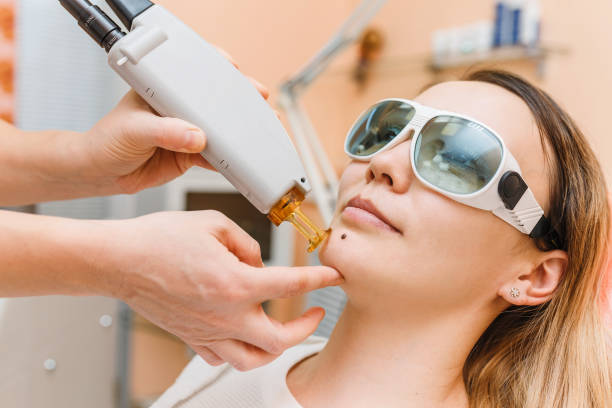
Mole Removal Cost.

Whether you want to get rid of an ugly mole or a mole that might be dangerous to your health, it is good to understand the Mole removal cost. The price can vary considerably, and it really must be viewed in terms of the influence factors, including the technique, the skill of the service provider, and the cost of living within the clinic’s location.

This article will explore what influences Mole removal cost so you can choose wisely when selecting the perfect treatment. We’ll discuss the different removal techniques you can choose, the aftercare needed, and other details so you may know what to expect and what the investment is for. This guide will help you decide whether to opt for laser, surgical, or cryotherapy methods to kill or remove your mole and ensure that you are already prepared for the costs of such treatment.

Factors Affecting Mole Removal Cost 

Mole removal cost is high but varies based on key factors when considering mole removal. With this insight, you’ll be able to select a spot based on the various parameters, avoiding any unexpected costs in the future. According to some, the main factors that influence mole removal cost are as follows:

1. Size and Location of the Mole

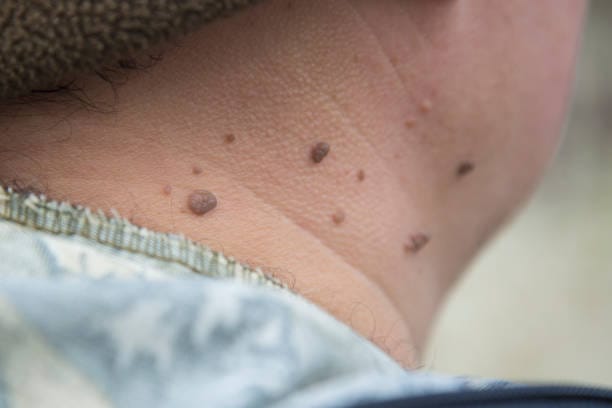
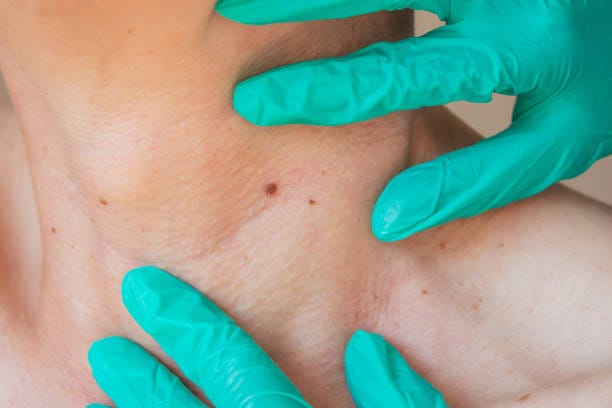
The mole's size and place are the most significant cost factors. Removing moles of larger size or in difficult-to-remove areas requires more time and skills, so the overall cost increases. For example, moles on the face or other sensitive body parts may require more fineness and longer procedures and, therefore, may be more expensive than those with skin on less sensitive body parts.

2. Method of Removal

The cost will depend on the technique used for the removal of moles. Common methods include:

Surgical Excision: A larger or deeper mole or a mole in which you suspect melanoma may require excision. Normally, when a mole is surgically excised, the mole and some surrounding skin are cut out, making surgical excision more costly due to needing stitches or a more involved recovery process.

Laser mole removal is a less invasive method for smaller benign moles. Although this method might be quicker and less expensive, the price point will vary depending on the clinic and the number of moles removed.

Cryotherapy: the liquid nitrogen is used to freeze the mole. Smaller moles are a quick and less expensive procedure, but they are less precise than laser or surgical excisions. However, they do less well at precisely removing moles. As a result, it may not be ideal for all types of moles

2. Provider’s Experience and Expertise

Other factors equally involved in mole removal cost include the provider's experience. If these professionals are skilled dermatologists or always trained in mole removal, then the charges are higher. Although you might pay a higher fee for an experienced provider, it’s usually worthwhile. A reputable provider tends to cause fewer complications, such as scarring or infection, which would later result in extra cost.

3. Clinic Location

The cost could also depend on the clinic's location. Overhead costs are usually higher for clinics in urban or high-cost areas, which can be passed on to the patient. Clinics in small towns or rural areas may be more affordable, but good quality of care should be preferred over the cost.

4. Consultation Fees and Aftercare

Consultation at some clinics will charge a fee to assess the mole and the best treatment. Another aspect of the total cost is aftercare. If the method used to remove the mole is required, there may be a need for a post-visit appointment and the products needed to heal the skin. While these costs may be forgotten, they should be considered when budgeting for mole removal.

5.  Number of Moles

Some clinics may discount the cost of multiple malignant moles removal, or in other words, the price per mole may decrease. But the more moles you remove, the more time it will take, and it will even result in higher costs in total.

All these factors should be considered when determining the cost of mole removal. The final price and results will depend largely on choosing the right method, provider, and clinic.

Different Mole Removal Methods and Their Costs 

Those looking to remove moles have several options. The price of the procedure depends on the method, its complexity, and the clinic you choose. Knowing which method best suits your needs and budget will help you make better decisions. The following details the most ordinary mole removal techniques and how they influence the overall mole removal cost.
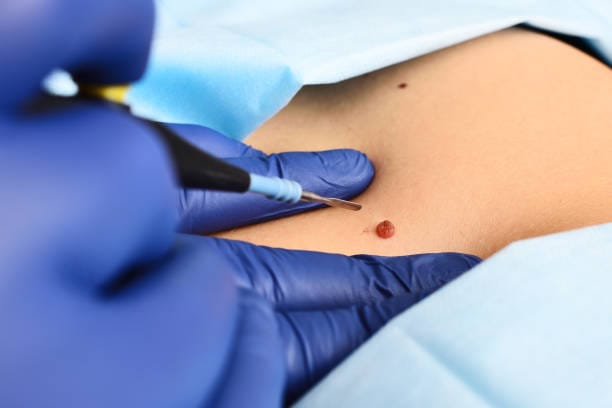
Mole Removal Cost

1. Surgical Mole Removal Cost

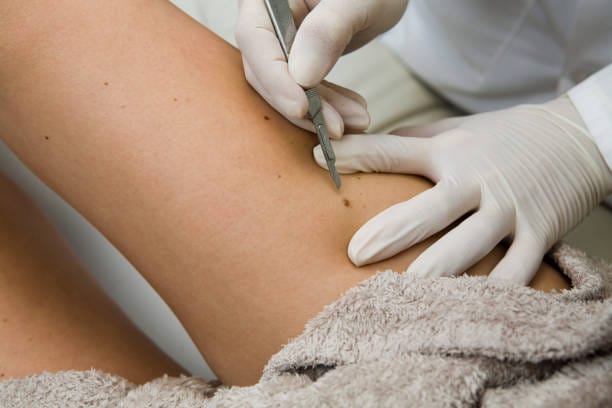
Usually, large, deep, or suspected cancer moles are surgically removed. During this process, the mole is cut out, including a small margin of the surrounding skin, and the area is sewn together. This technique is used when the mole may develop into a malignant or thicker mole.

Regarding mole removal costs, surgical excision is usually one of the more expensive methods. The price usually includes the procedure, local anaesthesia, postoperative care, and follow-up appointments to ensure proper healing. Due to the need for stitches and a slightly longer recovery period, it can be rather pricey compared to other methods.

Cons: It is a highly effective technique, especially when worried about the mole’s nature. It also offers a well-defined way of performing a biopsy if needed.

Pros: The skin can be smoothened to some extent in this process.

2. Laser Mole Removal Cost

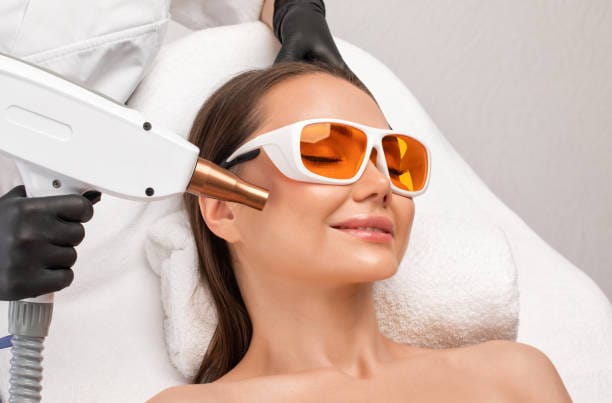
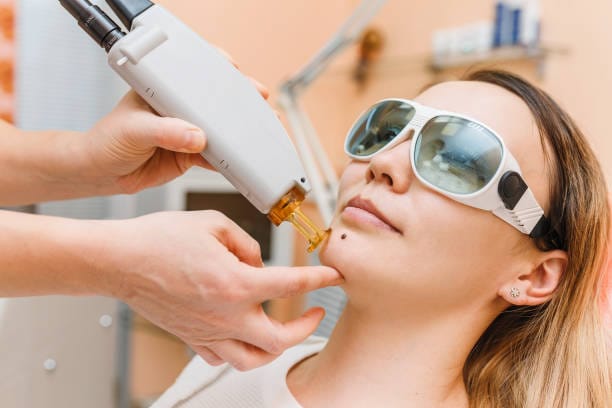
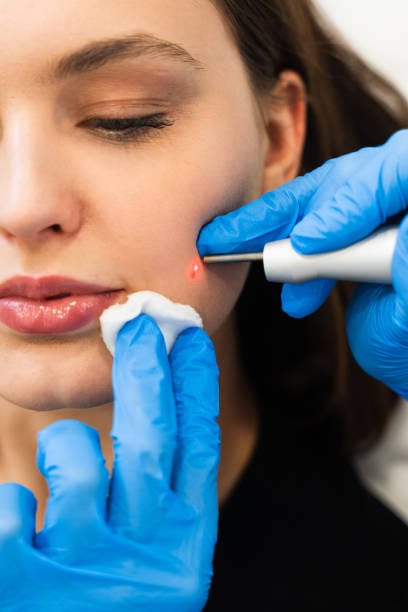
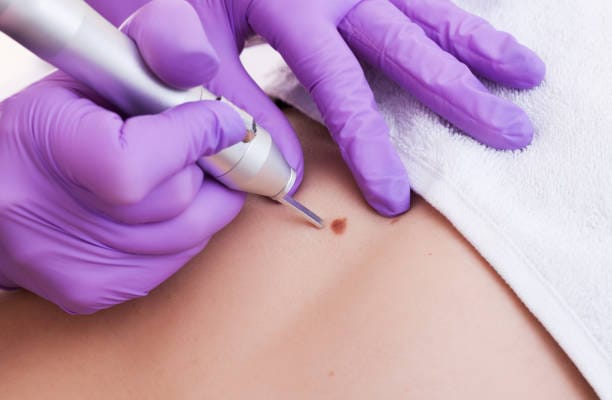
Laser mole removal is a noninvasive method for removing moles using concentrated light. It’s usually a good option for smaller, benign moles, whether flat or raised. Laser treatment is quick and exact and usually doesn’t require a long recovery period, so it is a preferred option for patients looking for a less intrusive technique.

In terms of cost, laser mole removal is usually cheaper than surgical excision and is, therefore, much more affordable for those with small moles. Still, the price can increase depending on the number of moles being treated, the clinic's location, and the provider's skill. Sometimes, more than one session is needed to remove the mole completely, increasing the overall cost.

Pros: Quick recovery, minimal scarring, and no need for stitches.

Cons: Non-invasive; however, it is unsuitable for all mole types, and several sessions may be required.

3. Cryotherapy

Cryotherapy involves freezing the mole using liquid nitrogen, which causes it to fall off over time. This technique is commonly performed for smaller moles with little downtime. It is the most suitable method for removing benign moles raised or less than 1 cm in diameter.

Cryotherapy is typically the least expensive method of removing a mole. The procedure is less costly because it does not require anaesthesia or extensive follow-up care. However, a second session may be necessary in some cases, and there could be extra costs.

Pros: Affordable, quick procedure, and effective for smaller moles.

Cons: It could leave behind temporary discolouration or scars and is less accurate than other methods.

3. Electrosurgery

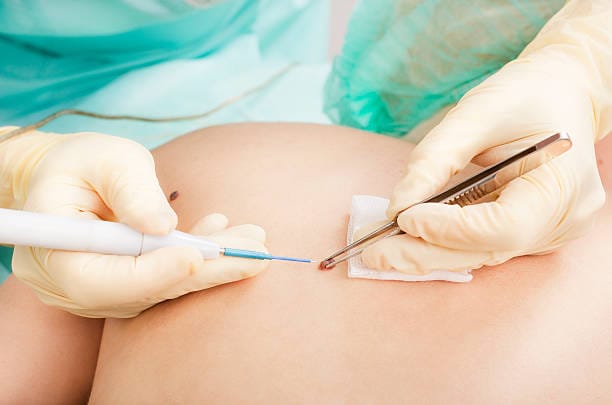
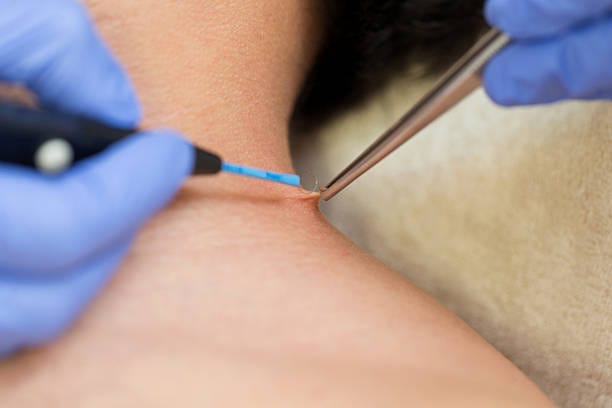
Electrosurgery involves burning the mole with a high-frequency electrical current. This method is used primarily for cosmetic and medical reasons and works well for smaller to medium moles. It could be a good choice for those who wish for a quick procedure with little to no bleeding.

Costs: Electrosurgery tends to be moderately priced, between laser removal and surgical excision. The pricing depends on the complexity of the procedure and the clinic’s location.

Pros: It is a quick procedure with little bleeding, which makes it a good option for removal of a precise mole

The cons are that small scars can be left after the procedure, and if the moles are large, more than one session may be needed.

How to Choose the Right Clinic in Terms Of Mole Removal Cost

Selecting the most appropriate clinic for your mole removal treatment is as significant as choosing the right way. A procedure is ensured, and mole removal costs justify a safe method because the clinic must be well-qualified. This is what you should consider when choosing a clinic:
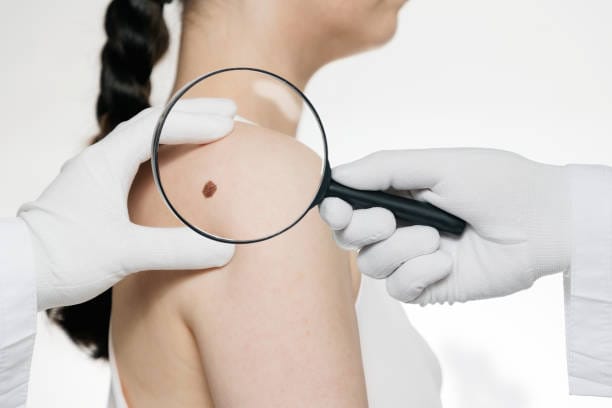
Mole Removal Cost

1. The Provider – Experience and Qualifications

It depends on the experience and qualifications of the provider performing the procedure. A skilled provider will remove the mole safely, with little risk of complications or scarring. Try to find clinics with board-certified dermatologists or surgeons specialising in mole removal. Check for certifications, relevant experience, and customer reviews to verify that the provider is an expert.

Why is that important? It means you can be in safe hands regarding your care with a provider with every cup of the mark about the knowledge and experience they have to handle what you have.

2. Reputation and Reviews

Read reviews from earlier patients to research the clinic’s reputation. Reviews online, word of mouth, and testimonials can indicate the quality of care and the results you can expect. Check the clinics for the highest satisfaction rates and good feedback on their mole removal services.

Patient feedback clearly outlines what to expect from customer service, treatments, and overall experience. A clinic with a good reputation will increase your trust in its decisions.

3. Technology and Equipment

Related to the cost, how mole removal is performed can greatly impact the price. Modern and advanced equipment, such as CO2 Lasers, YAG Lasers, or other specific devices used in clinics, usually offers more effective and minimally invasive procedures. Check out clinics that use the latest technologies and techniques to achieve the best results possible.

It matters because, as it turns out, using more advanced equipment improves the precision of the procedure, accelerates the recovery time, and reduces risks of scarring.

4. Consultation Process

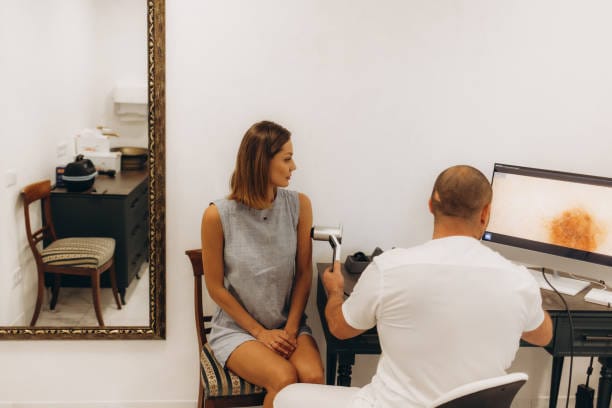
A reputable clinic will conduct an extensive consultation before the procedure. The provider will examine the mole at this meeting and explain the removal options and cost. At the same time, the consultation can be an excellent opportunity to ask any questions concerning the process, recovery, and aftercare.

A proper consultation is significant because it ensures you are fully aware of treatment choices and the associated expenses. It also allows you to assess the clinic professionals and their approach to patient care.

3. Aftercare and Support

Not only is the removal of a mole about the procedure itself, but it is also about the appropriate aftercare so that it heals and doesn’t develop further complications. After the procedure, a good clinic will also provide instructions on dealing with your recovery and schedule follow-up sessions to see if you are recovering. Also, find out whether they would offer more support, such as advice on preventing scarring or skincare products.

Why this matters: Aftercare affects how well you get the best results and helps prevent problems such as infection or the formation of excessive scarring. Having a clinic with good aftercare makes a big difference in your recovery and satisfaction.

4. Mole Removal Cost Transparency

The pricing should be transparent since, in a trustworthy clinic, all the costs involved in the procedure will be set out: the consultation fee, the fee for the removal procedure with prices for anaesthesia and the follow-up appointments or aftercare products. Stay away from clinics that aren’t transparent about how much things will cost or drastically low ones since this means there may be hidden costs ahead, or they are scum services.

Since you know the complete cost in advance, you can make an informed decision and avoid unpleasant surprises when it is time to pay. Transparent pricing indicates a clinic's professionalism and honesty.

5. Location and Accessibility

The clinic’s location influences the cost and convenience. If the clinic is nearby, travel expenses and time will be saved. However, the site alone should not be the final decision.

What to Expect Mole Removal Cost & Procedure 

Knowing what to expect on the day of your mole removal appointment can help you feel less anxious and ensure you are prepared. Although the costs of removing a mole can vary depending on the technique used, the clinic, and the country, the procedure itself is rather simple and minimally invasive. Below, we describe what to expect during your appointment.

1. Consultation and Pre-Procedure Evaluation

The healthcare provider will assess the mole before the procedure to decide how to remove it. This may entail a visual evaluation; sometimes, a biopsy will be suggested to eliminate worries. During this consultation, the provider will explain the procedure in detail, discuss your treatment options, and answer any questions about the recovery process, the costs of the mole removal, and possible associated risks.

It is necessary to understand the process and be told what procedure will be used for research. This enables the provider to customise the treatment to your needs.

2. Preparing for the Procedure

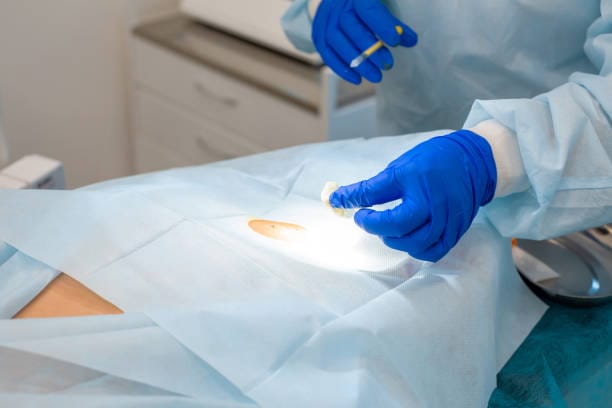
On the day of your mole removal, you will be asked to tidy the area around the mole. The method chosen will determine the discomfort, but you may be given a topical numbing cream or local anaesthetic. If the mole is large or the procedure is invasive, you may receive an injection to numb the area completely.

Numbing the area means the procedure will be pain-free, and you will feel more comfortable.

3. Performing the Mole Removal

The provider performs Surgical Excision by carefully cutting around the mole and removing a small amount of the tissue. You may also be instructed on caring for the wound, and the area will be stitched up.

Laser removal: A laser will break the mole down into smaller particles through which the skin will naturally absorb it. The procedure is fast and does not require stitches.

Cryotherapy: Liquid nitrogen applied to the mole causes it to freeze and fall off. This method may be used several times on larger moles.

Electrosurgery: This method removes the mole using an electrical current, which also cauterises the area to prevent bleeding. It is very fast and can be used for smaller moles.

Shave Removal: The mole is removed by simply shaving it off the skin's surface with a scalpel, leaving no stitches required.

Therefore, it is important to know the method beforehand so that any concerns can be reduced and you are mentally prepared for the procedure.

4. Post-Procedure Care

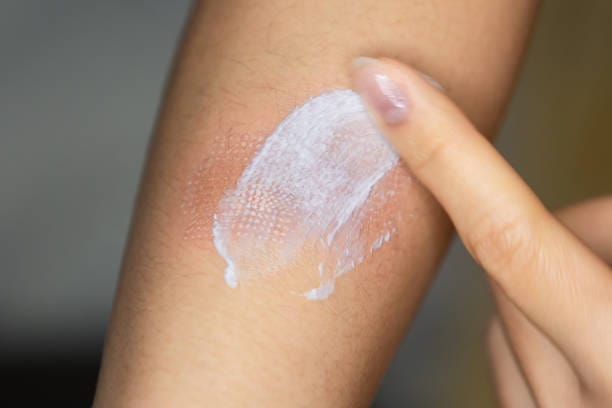
After removing the mole, the treatment site may experience slight redness, swelling, or tenderness. These symptoms are usually temporary and dissipate within a few days. The provider provides aftercare instructions, including keeping the area clean, using ointment, and avoiding direct sun exposure.

Follow the instructions: It is very important to follow the instructions for aftercare to ensure no complications or scarring.

3. Follow-Up Appointment

After certain mole removal procedures, the area may need to be checked to ensure it is healing properly, and a follow-up appointment may be scheduled. This allows the provider to look for signs of infection, scarring, or mole recurrence. The visit will also discuss whether any further treatment is needed.

Follow-up visits matter because they allow us to ensure that healing is following along as it should be and enable us to deal with any issues that arise following the procedure.

Book Your Appointment With Revitalise London 

What are you waiting for? Gain your confidence back with cost-effective and budget-friendly mole removal packages with Revitalise London, where quality meets affordability. We ensure high-quality delivery of services at the best prices possible. 
Read more...

Cryotherapy for Mole Removal: Is It Effective | revitalise London

Cryotherapy for Mole Removal

Moles are a fairly common skin condition that can be uncomfortable or even problematic if they impact your looks or develop unusual symptoms. Fortunately, today’s dermatological solutions present several ways of removing moles without causing more harm than good, and cryotherapy mole removal is one of the most common methods.

Cryotherapy mole removal is a safe and effective way of treating unwanted tissue without the need for surgery. It might be familiar to many people as a treatment for warts and skin tags but it is now being used more often in the removal of moles, including those that are benign. The process includes the use of liquid nitrogen to freeze the mole and make it die and then fall off.

However, is cryotherapy mole removal good for everyone? This article will look at the way the process is done, the advantages and disadvantages of the process, and if it is a good method of mole removal. We will also discover how it works in relation to other therapies and what you may have to pay for it as well as the time needed for healing.

In this article, we will discuss what cryotherapy mole removal is, what it involves, and what results to expect. Continue reading to find out why this creative treatment could be your perfect solution for getting clear and healthy skin without surgery.

How Cryotherapy Helps in Removing Moles? 

Cryotherapy is an exciting method which employs the use of cold temperature to solve some of the skin issues. But how exactly does it work?

The most common treatment is cryotherapy, which uses liquid nitrogen and can have temperatures of up to -196°C (-320°F). If we use Liquid Nitrogen on a mole, it’s going to freeze the mole and the tissue around it. This freezing process affects the moles’ cells to the extent that they are destroyed. The mole treated becomes small, forms a crust and finally disappears leaving a clean skin without any mole.

The treatment is believed to act in a way that affects the cells of the mole in one way or another. Consequently, as the mole cells freeze, ice crystal formation takes place in the cells and as a result, the cells burst and die. The body then follows up by eliminating the damaged tissue and rebuilding the skin on its own.

Is Cryotherapy Mole Removal Right For You?

Cryotherapy mole removal is not possible for all moles. This treatment is typically used for:

  • Benign (non-cancerous) moles.
  • Moles that are level with the skin or only a little higher than the skin.

Cryotherapy cannot be done on suspicious or cancerous moles. It is recommended that a dermatologist check your mole to see if this method may be used.

Why Is Cryotherapy Effective?

Cryotherapy is very useful in treating superficial moles, and these moles are the most common skin lesions. It’s a very simple treatment that can mostly be done in a single session with no incisions being made. The process of using liquid nitrogen helps in controlling the areas that need to be treated hence avoiding the destruction of the surrounding healthy skin.

Limitations to Consider

Cryotherapy Mole removal is efficient, yet it is not ideal for large or deep moles. At times, more than one treatment may be required to get the expected outcomes.

Cryotherapy mole removal has become an ideal treatment option because of its scientific approach and ease of use for the elimination of moles. Next, let’s dive into the next steps to make sure you understand what will happen.

The Procedure: Step-by-Step Guide

In this article, we will discuss the entire process of cryotherapy mole removal to help you determine if it is right for you. The following is a process that will help you know what to expect when you are undergoing this treatment.

Cryotherapy for Mole Removal

Step 1: Consultation and Assessment

The first thing to do before going for cryotherapy mole removal is to see a dermatologist or a skincare expert. At this appointment, they shall review the mole to confirm it is indeed benign and ready for cryotherapy. The professional will also ask you about your medical history, skin condition and what you want to achieve to find out if cryotherapy is the right treatment for you.

Step 2: Preparing for Treatment

When ready for treatment, the area around the mole will be scrubbed clean. This peels off any dead skin, dirty or oily layer on the skin preparing the skin for the penetration of the liquid nitrogen. Sometimes a local anaesthetic may be injected to numb the area, but many people do not even feel pain during the process.

Step 3: Liquid Nitrogen Usage

Now comes the exciting part: However, the following are the details of the actual cryotherapy treatment. A professional will then use a small applicator and apply liquid nitrogen right on the mole. The freezing process normally takes between 10-30 seconds depending on the size and depth of the mole. You may experience a tingling or burning sensation at this time, but this is okay and should not last long.

Step 4: Post-Treatment Care

All the same, after the cryotherapy mole removal treatment, the area will be covered up, and you shall be provided with guidelines on how to care for it. It is advisable not to touch the treated mole or the area around it and not to scratch it. In the following days, the mole may crust over and within a few days, the crust will peel off as the skin regenerates.

Step 5: Recovery and Follow-Up

Healing after cryotherapy mole removal is usually fast. The scab may take 1-2 weeks to heal and the new skin will appear beneath the scab. You may have some redness, swelling or even blisters and that is completely okay. The area should be shielded from the sun and should be clean at all times to prevent further problems. More often, a follow-up appointment may be arranged to assess the healing of the skin and to confirm the excision of the mole.

Now that you know how the process works, let’s look at the advantages of cryotherapy for mole removal.

Risks and Side Effects For Cryotherapy for Mole Removal

Cryotherapy mole removal is safe and efficient, but, as with any other medical procedure, has some possible complications and adverse effects. Knowing about such risks will enable you to decide whether this treatment is suitable for you.

1. Swelling and Redness

The most frequent adverse effect of cryotherapy mole removal is inflammation at the application site. This is a normal side effect of the freezing process and should disappear on its own within a few hours to a few days. Sometimes the treated area may be sore or warm and this is normal and should subside after some time without causing much pain.

2. Blistering

It is not uncommon for a blister to develop around the treated mole as the body heals. Blistering is generally painless and is a sign of the skin’s repairing process. There is also the risk of infection or scarring if the blister is popped or drained.

3. Scarring

This is so in cases where the mole was big or deep, or in cases where the right care was not taken after the procedure. The majority of patients have minimal to no scarring and if there is scarring, it is usually mild and decreases over time.

4. Changes in Skin Pigmentation

Cryotherapy mole removal also has other possible side effects, including changes in pigmentation. It is also possible that the skin in the treated area will be lighter or darker than the rest of the skin on the body. Most of these changes are transitional, but there are cases where they are definitive. Sun protection and avoiding the sun is the way to reduce the likelihood of pigmentation changes.

5. Infection

While it is not very common, infection is a possible complication of any skin treatment. To prevent infection it is recommended that the treated area should be kept clean, and should not be scratched or manipulated. If you observe symptoms of infection including reddening, discharge or pain contact your dermatologist promptly.

Cryotherapy mole removal has relatively few adverse effects and complications which are usually mild and may only require simple management. Now, let’s take a look at the effectiveness of this treatment and what patients can expect to achieve.

Cryotherapy Mole Removal Cost 

Cryotherapy mole removal costs will also differ depending on the size and number of the moles you want to remove, where the clinic is located and the experience of the clinician. Here’s what you need to know about the costs involved:

Price Range

The price for cryotherapy mole removal is between £100 and £400 per session. The cost of such a service will generally depend on the size and complexity of the moles; thus, smaller and less complex moles will be cheaper than large or multiple moles. There are those that price per mole while others may price per mole but have a discount if more than one is to be removed.

Cryotherapy Mole Removal – Can it Help You? 

Cryotherapy mole removal is a good choice for several people, but it is not for everyone. This is where knowing when to go for this treatment and who is most suitable for it becomes very important. Here’s what to keep in mind:

1. Benign Moles

Cryotherapy is best for benign moles, that is non-cancerous moles. It is safe for use on small, raised or flat moles that do not need to be biopsied for possible skin cancer. If you have a mole that is concerning to your appearance and has been diagnosed as benign, cryotherapy mole removal may be right for you.

2. Small to Medium-Sized Moles

Cryotherapy is advised to be most effective for the removal of small to medium-sized moles. Moles that are big or those that are deep-seated may not get as good results from this treatment and may need further procedures or even a different treatment option. It is wise to see a dermatologist when the mole is big or in tender parts of the body to decide on the best course of action to take.

3. Healthy Skin

The ideal candidate for cryotherapy mole removal is a person with healthy skin, which does not have many scars or is not easily infected. Cryotherapy has its side effects, and if you have a history of keloid scarring, you should tell your doctor to avoid worsening the situation.

4. Mild Cosmetic Concerns

When you’re planning for a cosmetic procedure that does not require surgery, then cryotherapy mole removal could be the solution you need. It is perfect for those who desire to get rid of those inconvenient moles in their skin but don’t want to undergo surgery. But if the mole is painful, or if one has any doubts about its cancerous nature, then a more detailed examination may be required or another treatment may be needed.

5. Patient’s Compliance to Aftercare Instructions

Cryotherapy successfully removes a mole but one must take care of the area by avoiding sun exposure and not popping the blister. If you are willing to adhere to these guidelines, the likelihood of a good and uneventful recovery will be uppermost.

Cryotherapy Mole Removal Aftercare 

It is crucial to follow the correct aftercare measures after the process of cryotherapy mole removal to get the best results and avoid the worst. Here’s a comprehensive guide to what you should expect and how to care for the treated area after your procedure:

Cryotherapy for Mole Removal

1. Cryotherapy for Mole Removal & Immediate Aftercare

The mole may also start to peel off and crust after the cryotherapy mole removal process is done. It can even become darker and develop a scab which is alright since the skin is repairing itself. One should avoid popping or itching the scab as this may result in the formation of a scar or even an infection.

What to Do: Keep the area clean and dry. Use mild soap and water to clean the area as gently as possible. Rinse it with clean water and then wipe it with a towel.

What to Avoid: Avoid the following: rub, scratch, or even pick at the treatment site. Do not use very close-fitting clothes that may rub against the skin.

2. Protect from Sun Exposure

The most important aspect of the aftercare process following cryotherapy of mole removal is to avoid direct exposure of the area to sunshine. Newly treated skin is much more sensitive to ultraviolet light which results in pigmentation and scars.

What to Do: If you need to go out into the sunlight you should apply a broad-spectrum sunscreen with SPF of 30 or higher on the treated area.

What to Avoid: Do not sunbathe or any way expose the treated area to sunlight for the next several weeks.

3. Complication or Infection Check

Although uncommon, infection may occur after the cryotherapy mole removal procedure. If you observe signs of inflammation, swelling, pus or warmth at the site of treatment, you should see your doctor.

What to Do: For this reason, use a topical antibiotic ointment that your doctor has recommended to apply on the affected area.

What to Avoid: Do not use chemicals or scrub the area that has been treated.

4. Healing Process

Cryotherapy for mole removal has minimal downtime and the scab that forms will usually peel off within 1-3 weeks. The area of skin beneath might be pink but it will return to normal color within the shortest time.

What to Do: It is advised to be patient as the treated area will repair itself as any other skin injury. After the mole has healed, the skin should be flat and the mole should no longer be visible.

What to Avoid: To prevent injuries do not touch the treated area often or rub it from time to time to give it time to heal.

Now let's look at some of the possible complications and dangers of cryotherapy for mole removal to help you prepare for the days after the procedure.

Considering Cryotherapy Mole Removal: 

As we have discussed the advantages, disadvantages, and cost of cryotherapy mole removal let us find out whether this treatment is suitable for you. Here are some factors to consider when making your decision:

1. Type of Mole

Cryotherapy is the best for small and harmless moles and they are a simple and easy-to-perform procedure. If you have a mole that is raised, dark or does not have an irregular shape, this treatment may be appropriate for you. But if your mole is big, deep or has the features of skin cancer including irregular shape and colour, then you may need excision to remove it.

What to Consider: Consult with your dermatologist and describe the nature of the mole, and if cryotherapy is suitable for you.

2. Recovery Time

If you need to get rid of the mole as soon as possible and with the least downtime, then try cryotherapy mole removal. Surgical excision often results in scarring that may need stitching and is followed by a longer recovery period while cryotherapy is generally less invasive, causing little or no scarring and little downtime.

What to Consider: If you require a treatment that will enable you to get back to your daily routine after the treatment, cryotherapy would be the best solution.

3. Budget

The cost of cryotherapy mole removal is going to depend on your location and the number of moles that you are having treated. However, it is cheaper than surgical procedures; however, the cost can be cumulative if you want to remove more than one mole.

What to Consider: Check that the cost is affordable for you. Also, it is recommended to know whether your healthcare provider accepts an instalment plan or provides a discount for several treatments.

4. Aesthetic Preferences

Cryotherapy mole removal is more attractive than surgical methods because it leaves behind small scars or no scars at all for most people. However, it is crucial to understand that there may be some minor colour changes or scars after the procedure.

What to Consider: If you value less scar appearance, then cryotherapy is a great option provided you stick to the post-treatment instructions for the best outcome.

5. Long-Term Results

Cryotherapy mole removal works however it is important to know that some moles may be capable of re-growing once they have been treated. However further examination may be needed in this case. In further cases of mole removal with a higher efficiency in the long term, it may be more efficient to use surgical excision.

Final Thoughts

Therefore, cryotherapy mole removal is an efficient painless technique for the removal of small, non-cancerous skin growths without the need for a surgical procedure. If you want minimal scarring and if you’re on a tight budget, cryotherapy can be the answer. However, for the large or the suspicious ones, or if the person wants a more permanent solution, there other procedures like surgical removal can be used.

Please, always seek the advice of your healthcare provider to determine your best course of action.

Why Choose revitalise London?

At revitalise London we provide mole removal services and cryotherapy mole removal as part of our professional care. We have a panel of experienced professionals who offer professional advice on the most suitable treatment for you. We have created sophisticated healthcare facilities and always prioritized the safety of our patients to provide the best services.

Read more...

Cosmetic Mole Removal: Safe & Effective Methods for Flawless Skin

Cosmetic mole removal

There are many ways to remove moles today ranging from simple laser therapy to surgical procedures. Every treatment protocol has its advantages and it all depends on the type of mole to be removed and the cause of the removal. If you are in a position where you need to have a mole removed for cosmetic reasons or if you are in a position where you need the mole to be checked for cancerous cells then knowing the right procedure to undergo is important.

Cosmetic Mole Removal: What You Need to Know

Learn about techniques, benefits, and how to choose the right option for your needs.

Mole removal treatments have become increasingly popular due to both cosmetic and medical concerns. Whether you have a mole that you find problematic for aesthetic reasons or one that requires medical attention due to health concerns, there are multiple options available to cater to your needs. While cosmetic mole removal focuses on enhancing your appearance and boosting confidence, medical mole removal is often a precautionary measure to prevent skin cancer and ensure your health.

The advancement in medical technology has provided various mole removal methods, from non-invasive laser treatments to surgical procedures. Each treatment method has its benefits depending on the type of mole and the underlying reasons for removal. Whether you are considering cosmetic mole removal to improve your appearance or need a medical procedure to ensure the mole is not cancerous, understanding the right treatment for your situation is crucial.

In this article, we will explore the key differences between cosmetic and medical mole removal treatments, the techniques available, and what factors to consider when selecting the best approach for your needs. By the end of this guide, you will have a clearer understanding of how to choose the best mole removal treatment that aligns with your skin type, needs, and concerns.

Understanding Cosmetic Mole Removal

Cosmetic mole removal

a) What is Cosmetic Mole Removal

Cosmetic mole removal is a process which is mainly used for the enhancement of the looks of the skin rather than the removal of moles that may be bad. Cosmetic mole removal is popular because many people want to change the way they look, feel better about themselves and feel more confident in the way they look. Regardless of whether the mole is located on the face, neck or any other area, the aim is usually to get a smoother and mole-free complexion.

b) Scope

This process involves the surgical elimination of benign moles that are usually harmless growths but can affect your looks. These may be raised, coloured black or brown and people may be uncomfortable with them due to their shape, size or location. Mole removal for cosmetic reasons can be done in several ways, and laser mole removal is one of the best techniques. It is less invasive and does not leave much scar on the skin thus ideal for those who would wish to improve their skin appearance without having to spend much time recovering.

c) Who Can Have It

Cosmetic mole removal has several advantages for anyone who would like to get rid of skin moles without the perfect look. This is a short and very efficient procedure with immediate results which do not require the patient to take much time off work. Additionally, the current generation of lasers enables very specific elimination of the abnormal tissue to be excised without causing harm to neighbouring tissue.

Medical Mole Removal: When It Has To Be Done? 

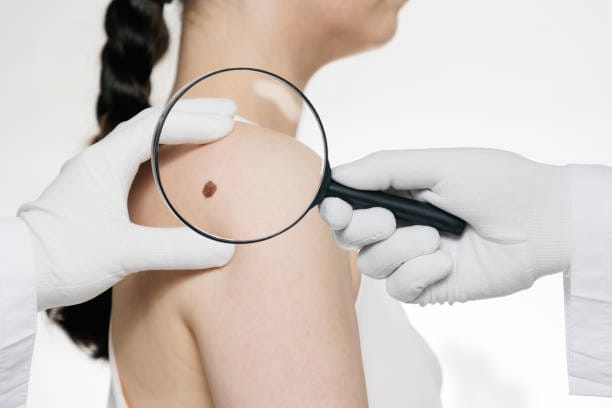
Cosmetic mole removal is all about aesthetics while medical mole removal is all about health risks. Moles that have symptoms of change in size, shape, colour or if they have developed uneven edges may be an indication of skin cancer or other illnesses. At such times, it is advisable to undergo medical mole removal not just to get rid of a possible danger but to also protect your health.

The major cause of medical mole removal is to reduce the risk of skin cancer, especially melanoma which is a kind of skin cancer that may look like an enlarged mole. It is recommended that moles be checked regularly for signs of change that might be indicative of a problem with the skin.

  • Asymmetry: One half of the mole is different from the other half.
  • Border: Irregular or blurred borders.
  • Colour: Diameter that is bigger than the eraser of a pencil, or a colour which is not uniform, which means it has a different shade of colour
  • Diameter: Painful, red and slightly larger than a pencil eraser, about 6mm. 
  • Evolving: The development of new sizes, shapes or colours.

 Various Ways of Cosmetic Mole Removal and Health Reasons

There are several ways of performing mole removal depending on the patient’s requirements, which can be purely aesthetic or due to the need to remove a threat to health. These options make it easier to know which one to take to achieve the best results depending on the circumstance. The most frequent procedures include laser mole removal surgery, cryotherapy, excisional surgery and shaving. All the methods are good in their way depending on the size, type and location of the mole to be removed.

1. Laser Cosmetic Mole Removal

Laser mole removal is one of the most common procedures used for cosmetic mole removal. The process does not involve cutting the skin in any way, instead, a laser beam is used to disrupt the mole tissue which is then vacuumed away. The laser ensures that the moles are eliminated with as much harm as possible to the surrounding skin making it appropriate for facial moles or any areas that require the least invasion.

Cosmetic mole removal is best done by laser because it does not leave a scar or takes a long time to heal. It also has a short recovery time as most patients can return to their daily routines in a few days. Also, laser mole removal can easily reach and destroy the shallow moles to give the patient clear, flawless skin without the need for sutures.

2. Surgical Excision

Shave excision remains the most preferred way of removing moles because it is safe, especially where the mole is suspect or has grown deep into the skin. This involves the complete surgical removal of the mole with some extra normal skin around it to ensure that no other risky cell is left behind. The procedure is done under local anaesthetic and the site is closed after the mole is removed.

3. Cryotherapy (Freezing)

The other technique that may be used to remove moles is cryotherapy where the mole is frozen. This involves the application of liquid nitrogen on the mole such that it freezes then after a while it simply dries up and falls off. Cryotherapy is the most effective when used to treat smaller and may be used only when the lesion is benign and only superficial.

The benefit of cryotherapy is that it’s a fairly non-invasive and relatively fast method. If you are in search of a good and affordable method of removing small moles, then it is the right choice for you. However, cryotherapy may not be effective for large or deep-seated moles as it may not remove the whole mole. It can also cause skin discolouration occasionally; this is usually temporary.

Cryotherapy is an excellent choice for those who want to get better quickly with little pain, although some bruising or redness may occur in the treatment area.

4. Shaving

Shaving or cutting off is another popular method of removing raised, non-cancerous moles. In this procedure, the dermatologist haphazardly excises the mole with a scalpel or any other sharp object to leave behind a flat or slightly sunken mark. This method is fast and the healing time is short and thus preferred for the removal of small, benign neoplasms known as moles.

Treatment Follow-up and Healing Process For Cosmetic Mole Removal

It is crucial to take the right measures after mole removal; failure to which one can end up with complications such as infection or bad scar. The time taken to recover differs with the technique used but the general care measures are the same. Here is a guide to aftercare to help you achieve healthy skin with little to no irritation or downtime.

1. Keep the Area Clean and Dry

It doesn’t matter the type of cosmetic mole removal procedure that is conducted, it is important to ensure that the area is cleaned and dried up. This way there is no form of infection which means faster healing. Rinse the area with lukewarm water and a mild soap, do not use abrasive cleansers or washcloths! If you clean the area then make sure to dry it with a clean towel in order not to scratch it.

In laser cosmetic mole removal and shaving, this area may develop a scab or crust which is a formality. Scab should not be scratched because it may lead to the formation of keloids or even infection. Don’t peel the scab off to allow the wound to heal as it should.

2. Apply a Healing Ointment

Your dermatologist may also advise you to use some ointment or cream to treat the affected skin or may prescribe you a topical antibiotic. These products can be used as a preventive measure against infection, as a topical aid for the skin and as a means of promoting healing. As directed by your doctor, use the ointment as often as you are advised to do so.

For surgical excision, the sutures should be kept clean and dry and you may be given some ointment to apply to the area to minimize the chance of infection and to aid healing.

3. Reduce the Chances of Sun Exposure in the Area.

Side effects include redness, swelling, bruising, hyperpigmentation or scarring at the treatment area. The operative area should be shielded from sunlight exposure. Whenever you are going out in the sun, especially after a mole removal surgery, be sure to use a broad-spectrum sunscreen with an SPF of at least 30 and apply it liberally on the affected area if it is on the face or neck.

Consequently, when undergoing a laser cosmetic mole removal procedure, the skin is vulnerable and requires protection from sun exposure for some weeks.

4. Follow-Up Appointments

You should have a follow-up appointment with your doctor after the mole has been removed to check on how well the body is healing. If you had a surgical excision or a medical mole removal, your doctor may advise you to get the biopsy results to make sure that there is no evidence of skin cancer or other problems. If you had laser or shaving treatments, a follow-up visit will confirm that the mole has been fully removed and no more treatment is required.

5. Look for the Symptoms of Complications

Cosmetic mole removal is mostly safe, however, you should look for side effects in the treated area during the process. These include redness, swelling, pain, or discharge of pus or an unpleasant smell. If you have any abnormal signs, please consult your doctor to avoid more problems.

The following guidelines will help you after the treatment to have a quick and minimal discomfort recovery and get the best results from the mole removal. It is worth bearing in mind that the healing time will depend on the technique used and that the most important thing for a successful result is to follow all the recommendations given by the healthcare provider and to take care of the skin properly.

Cosmetic Mole Removal Treatment: How to Get It Right 

There are several cosmetic mole removal procedures that you can choose and this makes it crucial to look at issues such as the kind of mole, its placement, type of skin, and any other sicknesses that one may have. When considering these factors, you should be able to make the right decision thereby coming up with the right decision.

Cosmetic mole removal

1. Consider the Type of Mole

The first thing to do when choosing a method of mole removal is to determine the type of mole you have on your skin. Moles are not always the same size or shape; they can be flat or raised, and may or may not be cancerous. For aesthetic reasons, other procedures such as laser mole removal or shaving are appropriate if the moles are small and have no medical complications. But if you have a mole that looks different from others or is larger, deeper or has an irregular shape, then a more extensive treatment, such as surgical removal may be recommended.

If you have any mole that looks suspicious or has any signs of potential skin cancer, it is important to choose the medical treatment of having the mole completely removed and biopsied.

2. Location and Size of the Mole

Size, location and type of the mole are crucial factors that define the most appropriate treatment procedure for the mole. Moles in easily visible areas for instance on the face, neck, or hands are better to be removed using procedures such as laser therapy as well as shaving to reduce scar formation and quick healing. In case you have a mole in an area that requires a high level of accuracy, laser treatments might be the most efficient.

For larger or deeper moles, surgical excision is usually advised, especially for those moles that are in difficult-to-access areas that require a high level of precision. If it is established that the mole is malignant, surgical excision is also the most effective way to remove the entire growth.

3. Skin Type and Sensitivity

This is because the type of skin that one has as well as his or her sensitivity level will determine the type of mole removal that will be used. Some of the treatment options like cryotherapy or surgical excision might be painful or cause scarring, and therefore people with sensitive skin should avoid them. For such situations, non-invasive procedures such as laser mole removal would be more effective and less painful than others.

Laser treatments can be done in a way that will accommodate any skin type ensuring that the individual does not have to worry about adverse reactions. For people with dark skin, it is advisable to seek the services of a qualified practitioner to determine whether laser treatment is suitable for them.

4. Medical History and Concerns

Shave excision might be preferable for people who have to remove a mole to its entirety for biopsy reasons. Also if you are at high risk of getting keloids or have other scars you should consult your doctor on the best way to go about it.

Cosmetic Mole Removal Treatments in revitalise London: Why Should You Choose Us? 

At revitalise London our well-trained staff uses the most effective methods of cosmetic mole removal such as laser therapy and surgical removal depending on your requirements. For this reason, revitalise London offers its patients comfort, safety and most importantly, the best results possible. This is because our treatment is tailored to your skin type and the issues you want to address thus guaranteeing you the best results. Let us assist you in experiencing a simple and complicated free cosmetic mole removal process.

Read more...

How to Choose the Best Mole Removal Treatment for Your Skin | revitalise London 

Best Mole Removal Treatment

Moles are skin growths that are very common and may develop anywhere on the human skin. Although most moles are not dangerous, some give people a reason to go for mole removal either for cosmetic purposes or medical reasons. Moles are not the same size, they may be different in shape and color and some of them may change and cause skin malignancies such as melanoma.

In this article, we help you get familiar with: how to select the best mole removal treatment for the skin, the types of treatments, the characteristics of the skin, the characteristics of the mole, and the role of consulting with a specialist.

It is important to know the various types of mole removal treatments to get the best outcome from laser mole removal to surgical excision. You might have come across these treatments but how do you get the best out of it? 

Best Mole Removal Treatment With Different Methods of Getting Rid of Moles 

There are many types of mole removal treatments; each of them has its different aspects for use depending on the kind of mole, its location, and the patient’s skin type. This is important because it will help you to decide which treatment would be most effective for you. Let’s explore the most common mole removal treatments available today:

1. Laser Mole Removal

Laser mole removal is one of the most popular options for the removal of moles without surgery. This technique is to direct high-intensity light on the pigment within the mole to disintegrate it and then the body will eliminate it. It is especially useful for the treatment of flat, benign growths and is chosen for its accuracy and cosmetic results.

Why Laser Mole Removal is Recommended

Non-Invasive: No incisions or stitches needed, reduction of the chances of getting scars.

Minimal Downtime: It is very rare for a patient to have to take more than a day or two off work to recover from the procedure.

Precision: The laser only acts on the mole and has no impact on the other parts of the skin.

Fast Healing: The majority of patients regain their normal health soon after the treatment with little or no pain

There are many reasons why laser treatments are suitable for most people, including the fact that they are fast and give immediate results with little to no downtime. However, it cannot be effective for a large or deep mole that may require surgical removal.

2. Surgical Excision

Excision is the most common technique of removing a mole and is commonly used for raised large or deep moles. During this procedure, the mole is excised and the skin around it is closed with stitches. However, this procedure may take a longer time to heal and leave scars, but it is sometimes done for moles that have features that raise suspicion or large-sized growths.

Surgical Excision: Its Benefits

  • Effective for Large Moles: Used for the mole that cannot be removed by non-invasive procedures.
  • Safety: It is the best option for moles with features that may be suspicious (the border is uneven, the size or colour changes).
  • Long-Term Results: This method is a better solution for removing deeper moles as compared to the earlier method.

Here are some cases where surgical excision is usually advised; if the mole is likely to be dangerous in any way it has to change shape or colour or if it is in a difficult area.

3. Cryotherapy 

Cryotherapy also known as cryosurgery involves the use of cold to freeze the mole and the surrounding tissue to make it come off after some days. It is mainly employed for non-malignant, superficial tumours and is offered when other forms of treatment are contra-indicated.

Advantages of Cryotherapy

  • Quick Procedure: The treatment can be done in a short time, it may take only a few minutes.
  • Minimal Pain: Many patients experience minimal discomfort if any discomfort at all during the procedure.
  • Suitable for Superficial Moles: Good for smoothing out flat moles that are located directly on the skin’s surface.

But cryotherapy may cause some scar formation or pigment changes, particularly in persons with a darker complexion, and should not be used for more raised or larger moles.

4. Shave Excision

Shave excision is a form of treatment that is less aggressive than conventional surgical excision. It is done by removing the mole from the surface of the skin and does not require a stitch. Best used when the moles are raised from the skin and are not too deep in the skin tissue.

Advantages of Shave Excision

  • Less Invasive: Fortunately, no stitches are required, and the healing time is faster compared to the surgical removal of the growth.
  • Minimal Scarring: This technique is good for small, raised moles and does not leave a visible scar.

However, shave excision cannot be used for large moles or those that have their base deep in the skin.

5. Electrosurgery

In electrosurgery, an electrical current is used to burn off the mole. The electric current causes the death of the mole’s cells by producing heat. This method is often used for minor moles and has a very brief recovery period.

Advantages of Electrosurgery

  • Precise and Fast: Good for small, raised moles.
  • Minimal Pain: Many of the patients have minimal pain during the process.
  • Reduced Bleeding: The heat from the electric current seals off the tissue to minimize bleeding.
  • Electrosurgery cannot be used effectively for large or deep-seated moles and has a possibility of leaving a scar.

 Best Mole Removal Treatment – How to Get the Best One for Your Skin.

The following factors can greatly help in determining which mole removal treatment can be most suitable for your skin. Knowing your skin type, the features of the mole you wish to remove, and your desired outcome will help to determine the best treatment for you. Here’s a breakdown of the key factors you should consider when making your decision:

best mole removal treatment

1. Mole Type and Location

The mole type and site of the lesion are the most significant factors in choosing the right approach to management. For instance, flat and pigmented moles are most probably best for laser mole removal, because the laser light can easily be set to target the pigment without affecting the rest of the skin. Consequently, flat moles that have been raised or those that have irregular edges might need to be removed by surgical shave or excision.

Key Considerations:

  • Flat vs. Raised Moles: While flat moles are often excellent to be treated by laser therapy, raised moles may need to be surgically excised.
  • Size and Depth: Hence, laser treatment may not be ideal for larger or even deeper moles since the laser may not be able to penetrate deeper layers.
  • Location: Moles located on the face or close to the eyes are usually safer to remove using non–invasive procedures such as lasers to reduce the chances of scars.

2. Skin Type and Sensitivity

Depending on the type of skin you have, one procedure may be safer and more effective than the others for removing moles. In dark-skinned people, the treatment may require some modification to prevent pigment alteration or scar formation. On the other hand, people with lighter skin may discover that the lasers offer better results with less risk.

Key Considerations:

  • Darker Skin Tones: The downside of the laser treatments is that they may cause pigmentation which means that a patch test should be done.
  • Sensitive Skin: It is important that those who have sensitive skin, opt for non-invasive procedures such as lasers to prevent Breakouts or adverse reactions.

3. Medical history and Risk factors:

It is recommended that the patient’s medical history be considered when picking a treatment method for removing a mole. If you have had skin cancer or if you have any worrisome spots on your skin, you should first see a dermatologist before trying to remove the mole.

Key Considerations:

  • Skin Cancer Concerns: If a mole has characteristics of cancer including size, colour, and shape changes, surgery is done to excise it for biopsy and removal.
  • Previous Treatments: If you have had mole removal treatments before, it will be useful to inform a specialist of your medical history to avoid complications with new procedures.

4. Goals of Management and Facial Aesthetics

It is therefore important that your treatment choice harmonizes well with your ideal look. If you are looking for a fast and almost painless procedure with little to no recovery period, then laser mole removal might just be what you need. But in case you are worried about the scar or if you want to be very certain that all of the mole is removed then surgical removal may be the best option.

Key Considerations:

  • Minimal Downtime: Laser mole removal is the best method for those who require to get back to work or other routines in the shortest time possible.
  • Long-Term Results: Shaving, however, takes less time to heal than surgical excision, surgical excision may provide longer relief from the mole especially if it is large or deep-rooted.

5. Cost and Convenience

You also have the factor of cost, because the treatments are not expensive in the same way. Laser mole removal might be more expensive at first, but it can be beneficial for those who want a procedure that doesn’t involve surgery. However, surgical removal might be cheaper than other options but it can be costly in case you require a follow-up or to get stitches.

Key Considerations:

  • Budget: Also, consider your financial plan and if the treatment gives the most return on the investment you need.
  • Convenience: From the aspect of convenience non-invasive methods such as laser can be done in less sittings and take less time to heal than invasive ones.

Best Mole Removal Treatment: Why Professional Removal Is the Right Choice

Mole removal is a process that is best done by a professional, and there are many advantages to getting it done by a professional. Although home remedies or do-it-yourself procedures are relatively cheap they are dangerous in that they may lead to complications like infection, scarring, or even misidentification of malignant moles. In this article, we will look at some reasons why only professional mole removal should be considered.

1. Expertise and Precision

  • Accurate Diagnosis: A doctor will check to determine if the mole is a benign tumour or one that has malignant potential.
  • Advanced Techniques: Professional members possess the current equipment and methods thus increasing the efficiency and reliability of the results.
  • Tailored Approach: The kind of mole and its location will determine the best course of action that a professional can suggest.

2. Reduced Risk of Complications

  • Infection Prevention: It is important to maintain aseptic measures during treatment to minimize the chances of infections.
  • Scarring Minimization: The professionals employ new strategies to reduce the appearance of scars and enhance the outcome of the skin.
  • Safe Removal: Any such moles are taken care of in a very special way to make sure that they are completely removed and checked.

3. Personalized Aftercare

  • Healing Guidance: You will be informed on measures to take to speed up the healing process as well as minimize scarring.
  • Follow-Up Care: Some professionals will check for the healing of the mole removal area and if the area is healing well.

4.  Access To Advanced Technology 

  • Advanced Equipment: Such technologies as lasers or cryotherapy equipment can help reduce risks and enhance the effectiveness of a treatment.
  • Minimized Downtime: Generally advanced methods tend to heal faster and you will be able to get back to your normal routine faster.

5. Peace of Mind

  • Trustworthy Diagnosis: Some of the benefits include that you are sure that any health risks related to the mole are being looked into.
  • Stress-Free Process: The services of a professional mean that you do not have to guess how best to remove your mole and ensure that it is done correctly.

Best Mole Removal Treatment: The Recovery and What To Expect Afterwards

best mole removal treatment

1. Immediate Aftercare

  • Protect the Area: Avoid exposing the area to water for the next 6 hours after the treatment. It is advisable not to touch or rub the area to avoid infection.
  • Avoid Sun Exposure: UV radiation from the sun may cause inflammation and alterations in skin colour. Do not expose the area to the sun and keep it covered until the wound is completely healed.
  • Pain Management: If you have pain or discomfort, you can use simple painkillers like Ibuprofen to reduce the pain and inflammation.

2. Cleaning and Hygiene

  • Use Mild Cleaners: This is the best way to clean it; use mild soap and warm water.
  • Change Dressings: The following dressing changes should be followed and the site should be kept as clean as possible.
  • Avoid Picking or Scratching: Let the process of recovery take place without any hindrance. If you scratch the scabs, they will end up with scars or get an infection.

3. Managing Swelling and Redness

  • Cold Compress: If, however, the area is puffed up, use an ice compress to reduce the inflammation. Do not put the compress on the skin and do not leave it on the skin for too long.
  • Monitor for Signs of Infection: Look for signs such as redness, heat, and or/ unusual discharge. If any of these happen, it is advisable to contact your practitioner immediately.

4. Avoiding Strenuous Activities

  • Rest and Recovery: No heavy lifting, running, or any form of vigorous exercise in the next week following the procedure.
  • Gentle Movements: If you require movement, then take a walk or do some stretching but do not apply pressure to the area in question.

5. Long Term Care and Scar Prevention.

  • Sunscreen Application: After that, to prevent UV-induced damage to the treated skin, the area should be shielded from the sun, and sunscreen with broad-spectrum protection and SPF 30 or higher should be used.
  • Moisturize the Skin: Maintain skin hydration so that the wound will heal well and there would be less chance for the skin to peel and form scar.
  • Avoid Picking Scabs: After the skin is injured, some small sores may develop into scabs. Do not pop them or scratch them to avoid making them sore and infected.

Why revitalise London for Best Mole Removal Treatment Here Is Why

At revitalise London, we understand that your experience matters which is why our main focus is on safe, comfortable, and effective mole removal treatment. Our highly skilled staff employs the latest, non-surgical methods like laser mole surgery to reduce your chances of developing scars and promote healing. We need to understand that each client is different, and we offer a service that is specific to the type of skin and the mole you have. If you are looking for an aesthetic enhancement or medical hair removal, revitalise London has the best treatments guaranteed with professional advice. For safe and efficient mole removal go to revitalise London and experience the kind treatment from the experts.

Read more...

Laser Mole Removal Treatment: A Non-Invasive Solution | revitalise London 

Laser Mole Removal

Moles are a common skin feature, but for various reasons, some individuals may choose to have them removed. Whether it’s for aesthetic reasons, medical concerns, or simply a personal preference, there are various methods available to remove moles. One of the most effective and non-invasive treatments for mole removal is laser mole removal. This modern technique offers a safe, efficient, and minimal downtime solution that is increasingly becoming the treatment of choice.

Unlike traditional methods like excision or freezing, laser mole removal uses focused light to target the mole, breaking down its pigment without affecting the surrounding skin. This makes it a precise and gentle option, particularly for people with sensitive skin or those looking for a quick recovery. Additionally, the procedure is relatively painless, with minimal discomfort during and after the treatment.

In this article, we will explore everything you need to know about laser mole removal, including its benefits, the procedure itself, potential risks, recovery, and cost. We’ll also explain why revitalise London is a top choice for this treatment, ensuring that you have all the information necessary to make an informed decision.

 What is Laser Mole Removal? 

Laser mole removal is a modern, non-invasive technique used to safely and effectively remove moles from the skin. The treatment works by using focused laser light to target the pigment within the mole, breaking it down without harming the surrounding skin. This makes it a precise method of mole removal, which is a major advantage over older techniques like excision or cryotherapy.

The laser works by emitting light in specific wavelengths that are absorbed by the pigment (melanin) in the mole. This energy is absorbed and converted into heat, which destroys the cells in the mole and causes it to gradually fade away. The surrounding skin remains unaffected by the procedure, which reduces the risk of scarring and ensures a smooth, even result.

One of the key benefits of laser mole removal is its ability to treat a wide range of moles, whether they are flat or raised, small or large. The procedure is especially useful for individuals with sensitive skin, as it causes minimal irritation and is generally well-tolerated by most skin types.

Typically, a laser mole removal session lasts between 15 and 30 minutes, depending on the size and number of moles being treated. Since it is a non-invasive procedure, there is no need for stitches or significant downtime, making it a convenient option for those with busy lifestyles.

Benefits of Laser Mole Removal 

Laser mole removal has gained popularity due to its numerous benefits over traditional mole removal methods like excision, cryotherapy, or shaving. This innovative treatment offers several advantages, making it an attractive option for those looking for a non-invasive, effective way to remove moles. Here are the key benefits:

1. Minimal Pain and Discomfort: One of the most significant advantages of laser mole removal is that it causes minimal pain. While the procedure may involve some mild discomfort, most patients find it much less painful compared to excision or freezing methods. The sensation is often described as a slight tingling or warmth, and a local anaesthetic may be applied to further reduce discomfort.

2. Precision and Accuracy: The laser is highly precise, allowing it to target the mole specifically while leaving the surrounding skin unharmed. This reduces the risk of complications such as infection or scarring, which can be more common with traditional methods. This precision is particularly beneficial for smaller moles or those in sensitive areas of the body.

3. Minimal Downtime: With laser mole removal, the recovery time is relatively quick compared to other methods. Most patients can resume normal activities immediately after treatment, although they should avoid direct sun exposure to the treated area for a short time. There is also no need for stitches, and the procedure is often completed in a short amount of time.

4. Reduced Risk of Scarring: Traditional mole removal techniques, especially those that involve cutting or shaving, can sometimes result in scarring. Laser mole removal, however, significantly reduces the chances of scarring, as the laser vaporizes the mole without disturbing the surrounding tissue. This is ideal for people who are concerned about post-treatment scarring.

5. Suitable for Various Skin Types and Moles: Whether you have light or dark skin, laser mole removal can be tailored to suit your specific skin type and the characteristics of the mole. The procedure can treat a wide variety of moles, including flat, raised, or even pigmented moles, making it a versatile option.

6. Quick Procedure: The treatment itself is typically quick, with most sessions lasting between 15 and 30 minutes, depending on the size and number of moles being treated. This makes it convenient for individuals with busy schedules who want to address multiple moles in one visit.

With these benefits, laser mole removal has become a preferred choice for many individuals seeking a quick, effective, and minimally invasive way to improve their appearance and remove unwanted moles.

The Procedure: What to Expect in Laser Mole Removal

When opting for laser mole removal, it’s important to know what the procedure entails, from the initial consultation to the aftercare. Understanding the steps involved ensures you are well-prepared and comfortable throughout the treatment. Here’s a step-by-step breakdown of what you can expect:

Laser Mole Removal

1. Consultation and Assessment: Before undergoing the procedure, you'll have an initial consultation with a qualified professional. During this appointment, the practitioner will assess the mole or moles you wish to have removed. They will examine the size, type, and location of the mole to determine if laser treatment is the best option for you. The professional will also discuss your medical history, any medications you are currently taking, and your skin type to ensure that the procedure is safe for you.

2. Preparation: On the day of the treatment, the area around the mole will be cleaned, and a local anaesthetic may be applied to minimize any discomfort. The anaesthetic will numb the area, making the procedure virtually painless. Depending on the size and number of moles, the practitioner may apply a cooling gel or other techniques to further enhance comfort during the procedure.

3. Laser Treatment: During the procedure, the practitioner will use a specialized laser device to target the mole. The laser emits short pulses of light that are absorbed by the pigmented cells in the mole, breaking it down without affecting the surrounding skin. The session typically lasts anywhere from 15 to 30 minutes, depending on the number and size of the moles being treated.

4. Post-Treatment Care: After the laser mole removal, the mole will begin to fade and eventually scab over. The treated area may appear red or swollen immediately after the procedure, but this usually subsides within a few hours. The practitioner will provide aftercare instructions, which may include avoiding sun exposure, not picking at scabs, and applying sunscreen to the treated area.

5. Follow-up Appointments: Depending on the results, you may need a follow-up appointment to ensure that the mole has been successfully removed and there are no complications. In some cases, additional treatments may be necessary, particularly for larger or deeper moles.

The entire process is quick and minimally invasive, allowing you to return to your daily activities in no time. With laser mole removal, you can expect a smooth, effective procedure that offers lasting results with minimal discomfort.

Risks and Side Effects 

While laser mole removal is generally considered safe and effective, like any medical procedure, it carries certain risks and potential side effects. It's important to be aware of these to make an informed decision and understand how to mitigate them. Here are the main risks and side effects associated with the procedure

1. Hyperpigmentation or Hypopigmentation: After the procedure, some patients may experience changes in skin pigmentation, where the treated area either darkens (hyperpigmentation) or lightens (hypopigmentation). This is more common in individuals with darker skin tones, though it is usually temporary. These changes in pigmentation may take several months to resolve, and in rare cases, they can be permanent.

2. Scarring: Although laser mole removal significantly reduces the risk of scarring compared to traditional methods, there is still a small chance of scarring, particularly if the aftercare instructions are not followed. Scratching or picking at the scab can result in scarring or infection, so it's crucial to avoid disturbing the treated area during the healing process.

3. Infection: As with any skin procedure, there is a slight risk of infection. However, this is rare when the procedure is performed in a professional setting and proper aftercare is followed. Keeping the area clean and dry, and applying the recommended ointment or sunscreen, can significantly reduce the risk of infection.

4. Swelling and Redness: It’s common to experience some redness, swelling, or tenderness in the treated area immediately after the procedure. These side effects are usually temporary and should subside within a few hours to a day. Cold compresses or prescribed creams can help alleviate these symptoms.

5. Allergic Reactions: In rare cases, patients may experience an allergic reaction to the laser light or the topical anaesthetics used during the procedure. Symptoms may include redness, swelling, or itching, and if any of these occur, it’s important to contact the clinic immediately.

By following the aftercare instructions provided by your practitioner and attending any follow-up appointments, you can minimize the likelihood of these side effects and ensure a smooth recovery.

Recovery and Aftercare For Laser Mole Removal

Laser Mole Removal

One of the reasons why laser mole removal is so popular is the minimal downtime required for recovery. Most patients can return to their regular activities immediately after the procedure, but following proper aftercare instructions is key to ensuring a smooth healing process and preventing complications. Here’s what you can expect during recovery and how to care for your skin afterwards:

1. Immediate Post-Treatment: After the procedure, the treated area may appear red, swollen, or slightly irritated. This is a normal reaction to the laser and should subside within a few hours to a day. A cold compress can help reduce swelling and provide relief. It’s important to avoid touching or scratching the area to prevent infection and scarring.

2. Scabbing and Healing: Within a few days, the treated mole will start to form a scab, which is a natural part of the healing process. The scab should be left undisturbed and should fall off on its own. Picking at or scratching the scab can result in scarring and potential infection, so it’s essential to avoid this. Healing typically takes 1 to 2 weeks, depending on the size of the treated area.

3. Sun Protection: After laser mole removal, your skin will be more sensitive to sunlight. To prevent pigmentation changes and protect the healing skin, it is crucial to apply a broad-spectrum sunscreen with SPF 30 or higher to the treated area wherever you go outside. Reapply sunscreen regularly, even on cloudy days. Wearing a hat and avoiding direct sun exposure for a few weeks can also help protect the area.

4. Moisturization: Keeping the treated area moisturized is essential to promoting healing and preventing dryness or flaking. Your practitioner may recommend a soothing ointment or cream to apply to the area after the treatment. Follow their instructions carefully, as using the wrong products can interfere with healing.

5. Follow-Up Appointments: Some patients may require follow-up visits to check the progress of the healing process and ensure that the mole has been successfully removed. During these appointments, your practitioner will assess the area and determine whether any additional treatments are necessary.

6. Possible Side Effects to Watch For: While rare, it’s important to keep an eye on the treated area for signs of infection, such as increased redness, swelling, or pus. If any of these symptoms occur, contact your practitioner immediately. It’s also important to monitor for abnormal scarring or pigmentation changes, although these side effects are usually temporary.

By following proper aftercare instructions, you can enjoy a quick and effective recovery with minimal discomfort and an excellent final result.

Why Choose revitalise London for Laser Mole Removal? 

At revitalise London, we pride ourselves on offering cutting-edge, non-invasive treatments with a focus on providing the best possible care for our clients. When it comes to laser mole removal, choosing the right clinic is crucial to ensure the treatment is safe, effective, and tailored to your individual needs. Here are a few reasons why revitalise London stands out:

1. Expert Practitioners: Our team of qualified professionals has extensive experience in performing laser mole removal treatments. With their expertise and attention to detail, they ensure that each procedure is carried out with precision and care, minimizing risks and maximizing results.

2. State-of-the-Art Technology: At revitalise London, we use the latest laser technology, ensuring that the treatment is as effective and safe as possible. Our advanced equipment targets moles with precision, reducing the risk of scarring and promoting faster healing.

3. Personalized Care: We understand that each client is unique, which is why we offer personalized consultations and treatment plans. During your initial consultation, we will assess your moles and recommend the best approach for you, ensuring the procedure is customized to meet your specific needs.

4. Comfort and Support: From the moment you walk into revitalise London, you’ll experience a welcoming and comfortable environment. Our team is committed to ensuring you feel supported and informed every step of the way, from consultation through recovery.

5. Affordable Treatment Options: We believe that high-quality treatments should be accessible to everyone. revitalise London offers competitive pricing and flexible payment options, making it easier to achieve the skin you desire.

When you choose revitalise London for your laser mole removal, you’re opting for a clinic that combines expertise, technology, and care to provide you with outstanding results.

Read more...

Mole Removal for Different Skin Types: What You Need to Know

Mole Removal for Different Skin Types

Mole Removal for Different Skin Types

Moles are common skin growths on the body chose wisely Mole Removal for Different Skin Types. Most are harmless, but many still decide to have them removed for cosmetic or health reasons. Most people have no problem with mole removal treatments, but not all skin types are the same. Factors such as oiliness, dryness, sensitivity, and pigmentation risks determine the kind of removal and aftercare.

If you choose a treatment that does not suit your skin type, you may itch and become hyperpigmented. Therefore, you must learn about different Mole removal methods for various skin types. 

Here, we will discuss Mole removal for different skin types, the perfect treatment options available, and aftercare tips to avoid scars and discoloration.

Knowing What Effect On Mole Removal for Different Skin Types

It is important to understand that not all mole removal procedures are the same, and the key to how your skin reacts depends on your skin type. Some skin types will heal fast with little scarring, while others tend to respond to irritation, dryness, or hyperpigmentation. Learning your skin type also allows you to determine the safest and most effective mole removal method.

1. Normal Skin

Luckily, if you have normal skin, your skin should heal well after removing a mole. It is a balanced skin type with proper amounts of oil and moisture, decreasing the chance of getting too dry or irritated. Laser or surgical mole removal is good because they have little risk of complications.

Best treatments for normal skin:

  • Laser mole removal for precise removal with minimal damage.
  • Surgical excision for larger or deeper moles.
  • Surgeons use cryotherapy if the mole is small and superficial.

2. Oily Skin

The skin produces Extra sebum, which slows healing and increases the chances of infection or clogged pores. If you have acne-prone skin, selecting the proper mole elimination method is vital to avoiding acne.

Challenges of mole removal for oily skin:

  • Increased risk of post-procedure acne or breakouts.
  • Treatment may cause more skin oil.
  • There is a risk if care is not properly followed aftercare.

Best treatments for oily skin:

  • It causes minimum trauma to the skin
  • Helps in controlling the extra oil and bacteria: electrosurgery.
  • Do not practice cryotherapy to prevent irritation and overproduction of oil.

3. Dry Skin

A person with dry skin will also experience flaking, irritation, and slow healing of wounds. Proper moisturisation is crucial for preventing scars once mole removal can cause dryness in more places, and the latter thus must be dealt with.

Challenges of mole removal for dry skin:

  • More prone to cracking and irritation afterward.
  • The healing process is slow and leads to the formation of a scab.
  • After mole removal, the skin may be red or flaky.

Best treatments for dry skin:

  • Surgical excision, with a focus on proper moisturisation afterward.
  • Harsh chemical treatments should also be avoided to reduce the dryness even more.

4. Sensitive Skin

Mole removal on sensitive skin induces redness, inflammation, and irritation. If treated improperly, the skin can become very sensitive and irritated, burning, having excessive scars, or even prolonged redness

Challenges of mole removal for sensitive skin:

  • Higher risk of Redness, swelling, and irritation.
  • Increased risk of post-inflammatory hyperpigmentation (PIH).
  • Some treatments may cause burning and itching.

Best treatments for sensitive skin:

  • As it’s gentle and precise, laser mole removal is ideal.
  • Cryotherapy, but only with controlled application.
  • Never use aggressive excision methods as they might lead to skin irritation.

5. Combination Skin

Combination skin generally has oily and dry areas, so a balanced mole removal approach is required. The cheeks and jawline may be the driest places, although the T zone (forehead, nose, chin) may be oilier.

Challenges of mole removal for combination skin:

  • Targeted aftercare in different areas of the face.
  • Risk of clogged pores in oily zones after the course of treatment.
  • Flaking or irritation may occur in the affected dry area.

Best treatments for combination skin:

  • It is laser mole removal, which works well for oily and dry areas.
  • Dry areas requiring surgical removal - and then lathering post-care

6. Dark vs. Light Skin Tones

Mole removal also depends on skin tone because hyperpigmentation risks are very important. Lighter people may experience redness or scarring, while darker skin tones are more likely to develop post-inflammatory hyperpigmentation (PIH).

Challenges of mole removal for dark skin:

  • There is a high risk of hyperpigmentation or dark spots after mole removal.
  • The darker your skin tone is, the more likely you will get keloid scarring.
  • Laser treatments must be adjusted so that the burns or discoloration don't occur.

Best treatments for dark skin:

  • Controlled removal is provided by surgical mole removal.
  • The right setting of laser treatments to avoid pigmentation problems.
  • Don’t get aggressive cryotherapy, which can cause white patches.

Challenges of light Mole Removal for Different Skin Types

Redness or scarring will be more visible after the procedure, as portable light treatment is less powerful than a dermatologist’s office procedure.

Skin may be reactive to heat-based treatments.

Best treatments for light skin:

  • Blur Laser mole removal is a good choice for fair skin tones.
  • Since lighter skin is less susceptible to hypopigmentation, cryotherapy.

Best Mole Removal Methods for Different Skin Types

How your skin reacts to treatments determines whether or not you should use a certain mole removal method. The intention is to remove the mole without injury, effect on pigmentation, or irritation. Here, we outline the most efficient ways to rid yourself of those grown moles and secure them, using the most suitable method for different skin types.

Mole Removal for Different Skin Types

1. Laser Option Of Mole Removal for Different Skin Types

Laser mole removal is one of the most advanced methods for people who do not want scarring. It involves a high-energy laser breaking the mole’s pigment apart so the body can absorb and remove it naturally.

  • Best for:

It heals quickly with little after-effect.

For the risk of clogged pores

Non-invasive and gentle but may cause temporary redness.

Less risk of pigmentation if the proper settings on the laser are used

  • Not ideal for:

It can lead to temporary flakiness and very dry skin.

As laser removal is best for flat or small pigmented moles, large, raised moles, as you describe them, are best treated with laser typing and removal.

2. Surgical Excision: Best for Large or Suspicious Moles

A more old-school method of surgical mole removal is where a dermatologist cuts out the mole with a scalpel and stitches the area. Moles that are large, deep, or might be cancerous are often recommended for. 

  • Best for:

It will heal well if properly cared for afterward 

If moisturization is maintained after surgery, it works fine for dry skin

Less noticeable scars 

  • Not ideal for:

It can break out or heal slowly because of too much oil if you have oily skin

Keloid scarring due to a higher risk of dark skin tones.

3. Cryotherapy Mole Removal for Different Skin Types

In cryotherapy mole removal, liquid nitrogen freezes and destroys mole cells. The mole eventually scabs over and falls off on its own. This is the best method for smaller, superficial, and non-cancerous moles.

  • Best for:

They avoid hypopigmentation — which is easier when your skin tone is light

Since they heal relatively fast, they are good for normal and oily skin.

  • Not ideal for:

It can also leave pigmentation in pigmentation-prone skin types that may not fade.

Since freezing can cause excessive redness or irritation on sensitive skin.

4. Electrosurgery Mole Removal for Different Skin Types

Electrosurgery involves using high-frequency electrical currents to burn off the mole layer by layer. It is often combined with scraping to remove the mole completely.

  • Best for:

It also helps to reduce bacteria if your skin is oily and acne-prone.

It heals without major problems.

  • Not ideal for:

Dry and sensitive skin due to the risk of redness and prolonged healing.

It may leave hyperpigmentation or scarring and works best with darker skin tones.

5. Shave Excision 

This method involves shaving the mole at the surface level with a special blade. It takes very little time and does not involve stitches, making it a nice option for a speedy recovery desired by those who want minimal downtime.

  • Best for:

Skin-colored raised moles that do not extend deep into the skin.

It heals relatively well and better on normal and combination skin.

  • Not ideal for:

If you have sensitive skin, the process may be uncomfortable.

For dark skin tones, there’s a chance of post-inflammatory hyperpigmentation.

Which Method Is Right Mole Removal for Different Skin Types?

  • And for oily skin, you are better off with laser or electrosurgery to avoid blocked pores.
  • If you have dry or sensitive skin, go for laser mole removal to prevent a painful treatment.
  • Cryotherapy and electrosurgery are dangerous for dark skin tones because they may cause pigmentation issues.
  • The safest option is surgical excision for larger or deeper moles.

Post-Treatment Care Mole Removal for Different Skin Types

Regardless of the type of mole removal you opt for, you must take good care after the procedure to help heal, prevent scarring, and regain good skin health. The care used for different skin types varies but helps prevent infection, irritation, or discoloration.

1. Aftercare for Normal Skin: Simple and Effective Healing Mole Removal for Different Skin Types

In most cases, normal-skinned people recover smoothly after mole removal. However, simple aftercare is still needed to avoid negative consequences.

Best Practices:

  • Wash the area gently with mild soap and water to keep the area clean.
  • Leave the area bandaged for the first 48 hours, then breathe.
  • To avoid darkening of the scar from excessive sun rays.

2. Aftercare for Oily and Acne-Prone Skin: Preventing Breakout

Blemishes typically take longer to heal if you have oily skin, as oily skin's pores are prone to clogging and breakouts. After the removal, care should be taken to keep the area clean and oil-free.

Best Practices:

  • To stop the excess sebum buildup, use an oil-free cleanser.
  • Avoid thick creams or ointments to prevent pores from clogging. Instead, use a lightweight antibiotic gel.
  • Avoid using makeup around the treated area to prevent bacterial growth.
  • It is important to change pillowcases regularly (as it keeps the area free from bacteria).

3. Aftercare for Dry Skin: Hydration Is Key

Because of a weaker skin barrier, dry skin may take longer to heal. Hydration is critical for reducing flakiness and the time it takes to recover.

Best Practices:

  • Moisturize the skin gently (with fragrance-free moisturiser) to prevent drying.
  • Alcohol based skincare products should be avoided since they are irritating.
  • To keep skin hydrated, use a humidifier if you live in a dry climate.
  • Support the skin’s natural healing by drinking plenty of water.

4. Aftercare for Sensitive Skin: Minimizing Redness and Irritation

After mole removal, people with sensitive skin could experience redness, itching or long-lasting irritation. It is necessary to approach gently to avoid reactions.

Best Practices:

  • Clean the area with a fragrance-free and hypoallergenic cleanser.
  • A dermatologist-approved healing cream or aloe vera gel will do the trick.
  • Also, avoid harsh exfoliants, acids or retinoids for at least two weeks.

Walking around for a while will also be beneficial without putting any pressure on the healing area. To this end, you should wear soft, breathable fabrics. 

Aftercare for Dark Skin Tones: Preventing Hyperpigmentation

Finally, PIH more often appears in darker skin tones after mole removal. Special care is required to prevent dark spots and uneven skin tone.

Best Practices:

  • Use sunscreen (at least SPF 30) daily to avoid dark marks.
  • To even out the healing, make use of a silicone-based scar gel.
  • Picking scabs is to be avoided since it lends itself to pigmentation changes.
  • If you’ve healed, vitamin C or niacinamide can brighten the area.

Healing Timeline of Mole Removal for Different Skin Types

Redness, minor swelling and scabbing may occur in the first few days.

The wound closes, and scabs will fall off in 1-2 Weeks.

No specific period: This is based on your skin type and aftercare technique.

People with delicate or dark skin tones may heal a little longer. If you want scar-free mole removal, be patient and follow the correct aftercare.

Which Procedure Is Effective for You When Going Mole Removal for Different Skin Types?

Mole Removal for Different Skin Types

Your skin type and how it heals are the deciding factors for the best method of Mole Removal for Different Skin Types. When your skin is normal, both shave excision and surgical excision are good options since your normal skin is also likely to heal without any complications. If you have oily skin, shave excision and electrosurgery are good choices for removing raised moles, as they don’t overagitate or cause excessive irritation.

Laser removal and surgical excision are better for dry skin since they don’t dehydrate or irritate excessively. Laser removal or cryotherapy is preferred for people with sensitive skin as these procedures cause minimal discomfort.

Since dark skin is prone to hyperpigmentation and scarring, laser removal and shave excision are the best methods due to the reduced risk. Surgical procedures, such as excision, that can leave noticeable scars may often be less desirable in the body areas where the color is darker. If you are unsure which device best suits you, consulting a professional dermatologist will allow you to make a reasonable choice according to the type of your skin and mole features.

Why Choose Revitalise London Mole Removal for Different Skin Types?

When removing moles on each skin type, you should pay attention to the particulars you seek to select the right clinic and guarantee healthy, reduced, and scarless outcomes. Here at Revitalise London, we provide tailor-made mole removal treatments based on your skin type, mole size, and any personal preferences.

 Advanced Techniques Mole Removal for Different Skin Types

However, our clinic offers professional mole removal methods, including laser, cryotherapy, shave, and surgical excision. We use gentle laser technology to avoid scarring and pigmentation changes in sensitive and dark skin tones. Our precise shave and electrosurgery techniques also prevent additional irritation in oily or blemished skin.

Minimising Scarring for Flawless Skin

Revitalise London is a priority for scar prevention. We offer various advanced techniques and aftercare plans to reduce scarring. Our experts are talented and experienced enough to provide personalised aftercare advice, such as how to treat your wound and sun and skin care advice to make your skin heal beautifully.

Why Patients Trust Revitalise London? Mole Removal for Different Skin Types

Safe Mole Removal by Experienced Dermatologists: Our professional helps ensure precise and safe mole removal. Treatments are varied in scope, and we use more than one, depending on skin type.

Latest Equipment: Used for scar-free results.

Aftercare: It’s all-inclusive up to maintenance with smooth, even standard skin. That’s what we believe at Revitalise London. Book now to get expert mole removal experience over minimal downtime and maximum confidence!

Conclusion: Achieve Safe and Effective Mole Removal for Different Skin Types

In other words, mole removal is not a one-size-fits-all procedure. Your skin type, mole characteristics, and personal preference will all determine which mole removal method you choose. If you choose laser removal, cryotherapy or surgical excision, you’ll make an informed choice which is safe, effective and with no scars.

We at Revitalise London have different treatments for all skin types. We specialize in mole removal treatments that suit our customers’ needs. Our expert dermatologists are dedicated to performing all procedures with precision and minimal scarring while maintaining safety. Treating it as soon as possible and following an appropriate aftercare means that you can have smooth, clear, happy skin without lingering ugly marks.

If you want professional mole removal, book an appointment with Revitalise London today. We will help you select the most suitable procedure that will not make you uncomfortable and produce flawless results.

Read more...

Top Mole Removal Methods: Safe, Effective, and Expert-Approved Treatments

Mole Removal Methods

Best Mole Removal Methods, Skin growths known as moles are common and harmless. However, an investigation is required to determine if something is wrong with you. Some people seek treatment to remove moles for cosmetic reasons, and some need to remove them for irritation or medical conditions. Many mole removal methods are available, such as laser, surgical, and cryotherapy; however, choosing one can be confusing.

Each method is appropriate for certain mole sizes, depths, and locations. Laser mole removal methods respond best to superficial moles, with minimum scarring. Surgical Mole removal is the best option for deep or suspicious moles, and cryotherapy, which involves quick freezing of the mole, is used for small and raised moles.

Read on to learn about all mole removal methods, their pros, cons and recovery. Ultimately, you will understand which treatment suits you and why Revitalise London is the place to visit for your mole removal.

Understanding Different Types of Moles

Not all moles are the same, and the type of mole you have determines which is the best mole removal method. Therefore, before choosing between laser, surgical, or cryotherapy mole removal, it’s important to understand the different types of moles and how they influence the treatment option.

Common Types of Moles

1. Flat vs. Raised Moles

Many flat moles are brown or black and lie on the skin's surface. As lasers target pigmentation, these are good candidates for laser mole removal.

The raised moles grow from the skin and are normally flesh-colored. Surgical or cryotherapy mole removal is better for these.

2. Pigmented vs. Skin-Colored Moles

Moles with pigment contain more melanin and are, therefore, darker. Often, laser removal is best.

Moles that are not pigmented, or skin coloured moles, may be excised under local anesthesia (surgical excision) or using a local anesthetic (shave removal, which is performed by shaving).

3. Benign vs. Suspicious Moles

Some of these moles are benign, but people remove them for cosmetic reasons. Any of the mole removal methods can be used.

Rash-shaped moles may have irregular borders, changing color, or extreme growth. They need to be removed surgically to rule out the risk of skin cancer and perform a biopsy. 

Why Mole Type Matters for Removal

The mole's depth, location, and pigmentation determine the type of mole removal treatment you should use. Laser mole removal is the method of choice for superficial moles. Surgery is best for treating deep-rooted or medical moles, and cryotherapy is best for small raised growths

Mole Removal Methods

Laser Mole Removal Method: A Scar-Free Option

Laser Mole Removal works in the following way.

Laser mole removal is a noninvasive procedure in which focused light energy breaks down pigmented skin cells. The laser directs beams into the skin and through the mole to destroy the mole’s melanin with very little harm to the surrounding tissues. Depending on the amount of pigment in the treated mole, the body will eventually eliminate the pigment.

This technique is good for small, flat, black moles that do not penetrate the skin deeply. Laser mole removal is considered the best scarless mole removal method for cosmetic purposes because it does not involve cutting or stitching.

Who Should Get Laser Mole Removal?

The best type of laser mole removal is for:

  • Superficial moles that are non-raised or deep rooted
  • Scarring is a big concern for facial or visible moles.
  • As darker skin can experience pigmentation changes, it applies to individuals with fair to medium skin tone.
  • People who want a fast and no-downtime treatment without being invasive
  • It is unsuitable for large, raised or suspicious moles, which should be surgically removed.

Benefits of Laser Mole Removal

  • Minimal Risk of Scarring – Since there’s no incision, there’s little risk of scarring.
  • Fast and Painless – Takes 15–30 minutes and only a mild stinging sensation.
  • Patients Do Not Have To Spend Time – Patients can return to normal activities immediately.
  • Best for Sensitive Areas – Good for use on sensitive areas such as the face, neck or chest.

Downsides of Laser Mole Removal

  • Not Suggested For Deep Moles – It works only for pigmentation on the surface.
  • Some require more than one treatment for removal. Several moles will need a few treatments.
  • Inspection – Unlike other methods, the person can see what is happening to avoid unforeseen disabilities.

Recovery and Aftercare

  • Once the laser mole removal surgery is over, healing is quick, but proper aftercare is needed to achieve scar-free results.
  • In the first 24 hours, keep the area clean and dry.
  • Avoid the sun and apply SPF 30+ sunscreen to prevent developing dark spots.
  • Do not bite at scabs that may form because this can lead to scarring.
  • Moisturise the skin gently, using a moisturiser to help heal the skin.
  • Results are seen in most patients in 1–3 weeks as the mole fades over time

Is Laser Removal of a Mole the Right Choice?

Laser treatment is a wonderful option for a noninvasive, scar-free mole removal method, especially if your mole is small, flat, and on the face or body. Deep or raised moles may be more successfully removed surgically.

Surgical Mole Removal: The Gold Standard for Deep Moles

A very effective method of removing the mole is surgical removal. This involves cutting out the mole and, if needed, stitching the skin back together. Deep, raised, or large moles and those that would like to be biopsied for potential health concerns are especially good candidates for this method.

When Should Surgical Mole Removal Be Chosen?

  • Moles that are raised or deep and extend beyond the top layer of skin
  • Moles that cannot be removed by laser treatment are larger than the size of a nickel.
  • Lab testing is needed for moles that are atypical or potentially cancerous.
  • Those moles in high friction areas (underarm, foot) can be irritated.

Advantages of Surgical Mole Removal

  • Permanent solution – It is removed completely in just one session.
  • Won’t return – Unlike laser removal, surgical excision prevents the mole from returning.
  • Histological examination can confirm whether the mole is benign. If it appears irregular, a biopsy is the best option.

Disadvantages of Surgical Mole Removal

Deep excisions may leave visible scars. Smaller moles do not leave very noticeable marks, but deep excisions can leave visible scars.

  • The wound does not heal fully until about 1–3 weeks.
  • A mole with stitches is required after 7–14 days of being removed.

Recovery and Aftercare

The mole's size determines whether healing will occur and is also a factor in deciding the removal method

  • Cover the wound and apply antibiotic ointment to avoid infection.
  • Don’t do heavy exercise that pulls, or could pull, on the skin and work against healing.

Your doctor will recommend that you care for your wound to minimise scarring and use scar-reducing treatments, such as silicone gel.

The Right Choice of Surgery for Mole Removal?

Getting rid of an irregular, deep, or raised mole is the safest and best way, and the safest and best way to do that is surgical removal. While the risk of scarring is small, the advantages of removal are much greater for most patients.

Cryotherapy Mole Removal: A Quick Freezing Solution

Mole removal using liquid nitrogen, or cryotherapy, is a safe, noninvasive technique for destroying unwanted moles. Extremely cold temperatures freeze the mole’s skin cells, making them crystallise and die. Over the next few days or weeks, the mole shrinks, scabs, and falls off.

The process is simple:

1. The dermatologist sprays Liquid nitrogen on or applies it with a cotton swab or spray device.

2. Almost as soon as the mole finishes, it turns white or gray.

3. The skin may sting, numb, or tingle briefly.

4. Within the next 5–14 days, the mole becomes darker, crusts, and fades away.

One benefit of mole removal with cryotherapy is that it is fast and reliable. Thus, it is a popular option for those who want to remove a mole without surgery.

Who Is an Ideal Candidate for Cryotherapy Mole Removal?

Cryotherapy is best suited for:

  • Small and benign moles do not extend deep into the skin.
  • Small or flat moles that are slightly raised. 
  • People are looking for convenience, quick procedures, and little downtime.

Individuals who wish to remove moles without undergoing any surgery or injecting chemicals.

However, cryotherapy isn’t always the best technique for bigger or deeper moles since it affects only the skin's surface layers.

Advantages of Cryotherapy Mole Removal

  • Short procedure – It takes only a few minutes per mole.
  • There’s no incision – Unlike surgical removal, there’s a large incision.
  • Minimal discomfort – Some mild stinging but no major pain.
  • There is no downtime, so you can continue your daily activities without interruption when a session expires.
  • Cost-effective – More affordable than laser or surgery.

Disadvantages of Cryotherapy Mole Removal

  • Not effective for deep moles. It works best for surface-level moles.
  • Possibility of uneven results – Some of the moles may require multiple sessions.
  • Skin discoloration risk – This may cause lighter or darker skin patches.
  • The injury time for the molar mole varies, but it takes 1–2 weeks for the mole to fall off fully.

Recovery and Aftercare

After cryotherapy mole removal, the treatment area can form a blister or scab that heals. Follow these aftercare tips:

  • It is better not to pick at scabs because they may scar.
  • Keep the affected area dry for 24 hours and avoid frequently applying moisture.
  • If the skin is a bit dry, apply a decent moisturiser.
  • Sun protection to protect from pigmentation changes.
  • Usually, in 10–14 days, the mole heals and flakes off.

Is Cryotherapy Mole Removal the Best Mole Removal Choice for You?

Cryotherapy is the best option for quick, painless, and inexpensive mole removal. However, if your mole is very deep or resistant to other treatments, other methods, such as laser mole removal or surgical excision, may be superior.

Looking for A Precise and Scar-Free Solution? 

Laser mole removal is a non-invasive, high-precision treatment by which  mole cells are broken down with focused laser energy under the guidance of a laser. Insulated from the surrounding skin, the laser vaporises the pigment in the mole. As more time passes, the mole shrinks, scabs, and disappears without the need for cutting or stitches.

The procedure involves:

1. Cancellation of the appointment to deal with any skin infections or a system of local anesthetic to numb the area has been introduced by the dermatologist for comfort.

2. Function: It uses a high-energy laser that aims at the mole's pigment and shatters it.

3. Healing Process Begins: In 1 to 2 weeks, the mole darkens, scabs, and falls off naturally.

Laser removal is easy on moles of any flat, pigmented type and works very well on people who want a scar-free treatment.

  • It is a rapidly developing field that children and people looking for a minimally invasive, scar-free option turn to.
  • Sensitived areas, face, neck and hands.
  • Patients wishing for fast recovery without stitches or wounds.

However, due to the depth of the mole, lasers don’t work very deep or on raised moles.

Advantages:

  • Targets mole pigment without damaging the skin around it – Highly precise.
  • Scar-free results – No cutting, stitches, or deep wounds.
  • Shorter and less uncomfortable – A session lasts 15–30 minutes and is much less painful.
  • Least amount of downtime – Most people return to normal activities immediately.
  • It can treat several moles in one session – Multiple moles.

Disadvantages 

  • It is unsuitable for deep-rooted moles but works best for flat moles.
  • Some moles may take 2–3 treatments for complete removal.
  • Temporary side effects usually happen in a few days, including slight redness or swelling.
  • Money – It is more expensive than removal by cryotherapy.

Recovery and Aftercare

Laser mole removal heals quickly, but you must take proper care after it to ensure smooth results.

  • Keep the treated area clean and dry for at least 24 hours.
  • Do not be exposed directly to the sun to avoid pigmentation changes.
  • Moisturise the skin with a mild moisturiser or aloe vera.
  • Do not scratch or pick at scabs to limit the chance of having a scar.
  • Fading of any redness takes 1–2 months, and most patients see full healing in 1–2 weeks.

Laser mole removal is perfect for someone looking for a quick, scar-free, and exact treatment. It will also help if your mole is deeply rooted or suspicious. For complete removal, a biopsy or surgical procedure may be recommended.

Looking For The Most Reliable and Permanent Solution? 

Surgical mole removal is highly effective for removing deep, raised, or possibly cancerous moles. The process involves removing the mole and some surrounding skin, as the mole is not cut out to ensure complete removal.

The two types of surgical mole removal are:

1. Excision with Stitches

  • The doctor cuts out the mole and a skin margin using a scalpel.
  • Stitches are used to close the wound, which are removed 7–14 days after.
  • This is a good method for deeply rooted or suspicious moles.

2. Shave Excision

  • The surgeon uses a surgical blade to shave off the mole at the level of the skin.
  • It doesn’t need any stitches, and the healing is quicker.
  • Best used for raised, non-cancerous moles without penetration into the skin.

Should You Get It? 

Therefore, surgical mole removal is recommended.

  • Other methods can’t remove large, raised, or deep moles.
  • Cancer moles will need biopsy and lab testing.
  • Those who want a one-time and permanent solution for removing a mole.
  • Increases or stations of skin rubbing frequently on clothing, like underarms or waistline.

Advantages 

  • The mole is completely removed in one session, meaning a lasting result.
  • Operative in all moles – For deep-rooted and raised moles.
  • Testing possible – If suspicious, the mole can be tested for abnormalities.
  • Will not regrow – Laser or cryotherapy only kills the affected tissue, which will regrow due to healing.

Disadvantages 

  • More time to heal all together – Stitches need 1–2 weeks to recover fully.
  • Although a scar is small, it is usually visible, and the risk of scarring is high.
  • Some mild discomfort from the anesthesia requires a numbing injection.
  • Less downtime: Don’t do strenuous activities if stitches have been placed.

Recovery and Aftercare

  • Proper care after surgical mole removal leads to smooth healing.
  • Cover it and leave the wound clean for at least 24 hours.
  • Treating the infection includes using antibiotic ointment.
  • Don’t stretch the skin to prevent an increase in the widening of the scar.
  • To prevent darkening of the scar, protect the area from sun exposure.
  • Usually, it’s good to recover in 2–3 weeks, but scars fade for months.

Who Should Go For It?

You will go for surgery if you want a definitive, one-time solution to remove the mole. Medical examination is highly recommended for moles located in deep roots.

Why Choose Revitalise London for Mole Removal?

At Revitalise London, we specialise in scarless mole removal using advanced laser, surgical, and cryotherapy techniques. Our experienced dermatologists have backed up their experience to assure safe, precise, and effective treatments appropriate for your skin type. With cutting-edge technology and flawless healing, we concentrate on minimising scarring as much as possible.

In our clinic, you will have a comfortable and professional environment that allows you to practice confidence throughout the process. Revitalise London offers personalised care and excellent results for whatever type of mole you need, from quick mole removal to more extensive treatments for deeper moles.

Book our expert mole removal services for a consultation today, and you will achieve blemish-free, healthy skin.

Read more...

Scar Free Mole Removal: Safe, Effective, and Painless Solutions

Scar Free Mole Removal

Best Practices of Scar Minimization After Scar Free Mole Removal Treatment

Scar Free Mole Removal is a common procedure. However, many individuals are concerned about the scars that can be left behind. The good news is that scar-free mole removal is possible with the right techniques and care afterwards! Whatever the reason you are removing a mole, your skin will heal just fine if you do so correctly.

In this guide, we’ll learn everything you need to know about removing mole scars without scarring, including the best treatments available, tips on the best aftercare, and the proficient methods to minimise scarring. It’s time to work on your dull, lifeless-looking skin and go for a shiny, healthy, glowing skin. 

How Scarring Occurs: Scar Free Mole Removal 

Although mole removal is simple, many fear what will happen after removal. Understanding how the skin heals and which factors influence scars is key to achieving scar-free mole removal. However, carefully following all the tips can help leave little to no marks on your skin and allow it to recover easily.

How the Skin Heals After Scar Free Mole Removal

When a mole is removed, the body begins healing automatically. This process has three main stages.

1. The treated area is red, swollen, or even a little tender during the inflammation phase. This is normal while the immune system seeks to heal the skin and close the wound against infection.

2. New skin cells start forming over it within the first 2 weeks during the Tissue Formation Phase. Stitches are used to close the skin to prevent scarring when they are used. It can scab and should not be picked because it protects healing tissue.

3. The next phase is the Remodeling Phase (up to 6 Months), during which the skin gradually strengthens and the redness or pigmentation fades. Proper aftercare speeds up this process, resulting in scar-free mole removal.

Why Some People Get More Scars Than Others

Not everyone heals the same. Factors that affect scarring include:

  • Skin Type: However, if you have darker skin, you might develop hyperpigmentation, and those with lighter skin may leave red or pink scars. Keloid scars are more common in some people. 
  • Superficial Mole: Superficial moles can be removed with fewer scars. However, deeper moles may need stitches, and the chance of minor scarring increases.
  • Some techniques, like Laser mole removal, cause less damage, as no damage occurs during the removal. It is an ideal technique for performing scar-free mole removal. Other techniques, like Surgical excision, might leave a fine line after mole removal.
  • Poor aftercare: Scarring after treatment can get worse with continued bad aftercare, for example, by exposing them to excessive sun or picking at the scab.

Which Mole Removal Method Has the Lowest Risk of Scarring?

Looking for one of the best mole removal methods can help you get scar-free mole removal, as it selectively targets the mole without cutting the skin.

Raise Excision – This is good for raised moles and heals well with little scarring with diligent work.

Necessary for deep moles, this means surgical excision may leave a fine line, especially if stitches are required.

Effective – Cryotherapy & Electrosurgery may not leave raised scars, but little pigmentation changes are likely.

To remove mole scars that do not require surgery, you must consider the best method and the aftercare needed to achieve scar-free mole removal and smooth, flawless skin.

Best Aftercare Tips for Scar-Free Mole Removal 

Mole removal aftercare is crucial to scar-free mole removal. When your mole is removed, your skin is healing, and how you care for it will determine if your skin leaves a scar. Here are the expert recommended aftercare tips to follow after that to ensure smooth, flawless healing.

Scar Free Mole Removal

Immediate Post-Treatment Care

Depending on the removal method, your dermatologist will apply specific instructions right after your procedure. However, general post-care steps include the following:

Area Clean – After treating the area with gentle soap and water to prevent infection. Avoid harsh scrubbing.

Apply antibiotic Ointment—A prescribed or over-the-counter ointment will help keep the wound moist and decrease the chance of a scar.

Bandage – If a Bandage is needed, cover it with it. Change the dressing as advised.

Long-Term Care to Minimize Scarring

1. Hydrated skin heals faster, and moisturising daily will help your acne scabs. Preventing scab formation depends on using a gentle moisturiser or healing ointment (like petroleum jelly) on dry wounds, as dry wounds can cause scarring.

2. Don’t Sunbathe. Going out in the sun with newly treated skin may darken it, increasing pigmentation problems. After the area heals, it will become sensitive to the sun, so always apply SPF 30+ sunscreen.

3. Pick scab – leave the wound on its own to heal. Scabs can be annoying because you may be tempted to pick at them, and healing can be slowed, and a permanent scar can be caused by picking at scabs.

4. Stay Away from Physical Irritation – Refrain from scratching, rubbing or over-movement near the area treated if there were stitches in use.

How Long Does Healing Take of Scar Free Mole Removal?

The healing time will depend on the method you use for mole removal:

  • Laser & Cryotherapy: 1–2 weeks to recover completely with little marks.
  • Shave Excision: 1–3 weeks skin will blend naturally.
  • Surgical Excision (with stitches): Skin will take 2–4 weeks to heal, and the scar may take months to fade.

Additional Scar Prevention Tips For Scar Free Mole Removal

You can use silicone gel or sheets to flatten and fade scars over time.

Gently Massaging the Area with Vitamin E or Rosehip Oil—If this scar is completely healed, massage the skin with vitamin E or rosehip oil to improve its appearance.

Head for Professional Treatments. If scarring does happen, you’ll be better off with laser resurfacing or a micro needling device.

The best practices on scar-free mole removal will ensure that you get scar-free mole removal and achieve flawless, even-toned skin.

How to Choose the Right Mole Removal Method for Scar Free Mole Removal

The procedure selected mostly determines the scar-free mole removal. The method will depend on the size, depth, location, and skin type. Therefore, choosing the most suitable procedure for preventing scars is important.

Minimally Invasive Techniques for Scar Free Mole Removal

Laser mole removal is a top choice if the moles are small and flat. This method involves targeting concentrated light energy on the mole to break down the pigment without cutting or stitching, thereby lessening the chance of scarring. It is especially effective on dark superficial moles and has a short recovery time. However, the complete removal of the accumulated material may require multiple sessions.

It is also possible to use shave excision, which would be best suited for textured moles. A dermatologist shaves a sharp precision blade the mole off at the skin’s surface. This method has very little scarring since it does not penetrate deeply into the skin. However, healing is quick, and any early redness or slight discoloration may take a while to fade.

It is a non-invasive technique that involves freezing the mole with liquid nitrogen. As time passes by, the mole dries up and eventually falls off on its own. Although effective, it can result in temporary pigmentation changes in dark skin tone. So, when performed properly, it never leaves any noticeable scarring.

Advanced Procedures for Larger or Deeper Moles

Electrosurgery is a suitable option for moles deeper into the skin. Controlled heat removes the mole layer by layer in a blood vessel sealing fashion, eliminating or minimising the bleeding. Aftercare is required, and the skin heals well with minimal scarring.

Surgical excision is preferred when the mole is large or potentially cancerous. It is a cutting-out procedure in which the mole is removed and the skin is closed with stitches. This method has a greater risk of scarring, but with an expert process and post-procedure care, the skin can heal nicely.

 Scar-Free Mole Removal 

Not everyone has the same characteristics as some moles will be tender, some will be freckle-like, some will be large, some will be medium, some will be small, and some will stand out from the skin. In contrast, others won’t; some will appear on the chest, back, eyelids, face, buttocks and shoulders, and some will be around the mouth and nose. Individual skin type and characteristics play a role in the best mole removal technique for an individual. If the mole is on the skin's surface and is smaller than laser removal, shaving excision or cryotherapy is the better approach given its effectiveness with a lesser likelihood of scarring. Electrosurgery or surgical excision is needed for deeper or irregular moles and can cut off maximum blood supply for less noticeable scars if strict aftercare is followed.

Before mole removal, it is important to consult a dermatologist. They will check the mole, recommend the treatment, and provide aftercare guidance. Scar-free mole removal is possible if you use the proper method and care, and your skin will look clear and healthy afterwards.

Best Aftercare Practices for Scar-Free Mole Removal 

Aftercare is essential for scar-free mole removal and skin healing. Proper post-procedure care following the right procedure minimises the chances of scarring, infection, and pigmentation changes.

Scar Free Mole Removal

Immediate Aftercare: First 24–48 Hours

After mole removal, the treated area will be red, swollen, or slightly tender. Your dermatologist will apply the bandage to the site to protect it from bacteria and other irritants. To promote proper healing:

  • Keep the area clean and dry. It shouldn’t be washed for at least 24 hours unless instructed.
  • Apply prescribed ointments. Antibacterial creams ensure that infection doesn’t occur and help speed up healing.
  • Avoid touching or scratching. It can introduce bacteria and does delay healing.
  • Limit sun exposure. UV rays cause the area to darken and increase hyperpigmentation as it heals.

Healing Stage: First Week of Scar Free Mole Removal

When it repairs, the skin may form a protective scab over the treated area. It’s important to:

  • Allow the scab to fall off naturally. It can’t be picked at without scars or without slowing healing.
  • Gently clean the area. If you want to avoid irritation, use mild soap and lukewarm water.
  • Reapply fresh bandages if needed. Deep excisions require wound protection, which is applied all around the wound.

Minor itching is common at this stage as new skin forms over the old, cracked skin. If this action does not relax your body, a dermatologist can help you apply a moisturiser that is specifically used according to market recommendations.

Long-Term Scar Prevention: Weeks to Months With Scar Free Mole Removal

Additional care after the wound has healed allows for less scarring and speedy skin regeneration.

Moisturise daily. Keeping the skin hydrated enhances elasticity and decreases your chances of having scars on your skin popping out.

Apply silicone scar gels or sheets. These help minimise the appearance of scars over time and flatten them.

Apply sunscreen (SPF 30 or higher). Dark skin from sun exposure can make the healed skin seem darker and more noticeable.

Massage the area gently. Light massaging breaks down scar tissue after the skin has healed completely.

Signs of Complications

Most mole removals are done without issue and can heal by watching out for infection or abnormal scarring that includes:

  • Redness, swelling, or pus formation that keeps coming back.
  • Keloid or hypertrophic scars are raised, thickened scars.
  • No fading og skin discoloration.

Consult your dermatologist immediately if any of these take place.

Thanks to the aftercare steps mentioned above, mole removal leaves your skin scar-free and free of blemishes or spots.

Why Choose Revitalise London for Scar Free Mole Removal? 

Choosing the right clinic for scar-free mole removal is crucial to obtaining the best medical outcomes. At Revitalise London, we care for you with our expert, state-of-the-art, personalised solutions, making the healing process smooth and scar-free.

Expert Dermatologists for Precise Scar Free Mole Removal

Mole removal is a delicate procedure, precise and demanding, to minimise scarring. Our experienced dermatologists at Revitalise London are readily available to treat scar-free mole removal with medical techniques to obtain great work. Before the procedure, we do a thorough skin assessment of the mole and remove it using the most appropriate method for its size, location, and depth.

We understand that patients are also concerned about scarring, so we do everything we can to prevent scarring. If we remove moles from the face, neck, or other visible areas, we aim to leave your skin as natural as possible.

Advanced Techniques for Scar Free Mole Removal

A variety of modern state-of-the-art methods are used to minimise trauma to the skin and reduce the risk of scarring. These include:

  • Laser Mole removal prevents scarring. A laser targets and breaks down the mole pigment without cutting the skin.
  • Acid procedure: This uses a cream applied to the skin before surgery to identify the mole.
  • Deep Mole Treatment: If moles are located deeper beneath the skin, we use fine suturing techniques from the smallest possible size to minimise the marks left behind.
  • Freezing (cryotherapy) the mole off with liquid nitrogen provides a clean removal with minimal effect on surrounding skin.

Mole removal involves each method chosen depending on the characteristics of the mole and your skin type to leave you with no scar.

Scar-Free Healing Aftercare Program.

When you come to Revitalise London, you won’t eliminate moles; your skin heals beautifully. Our personalised aftercare plans include, to get the best scar-free mole removal results,

Specialized post-treatment skincare advice.

Silicone gels and healing ointments can reduce inflammation and aid in skin regeneration.

Sun protection is recommended to prevent pigmentation changes in the treated area.

Monitoring of healing and address of any concerns through follow-up appointments.

We applied dermatologist-approved aftercare, and you can be assured that you won’t have any noticeable scars with the help of your aftercare plan.

Why Trust Revitalise London for Scar-Free Mole Removal?

Choosing Revitalise London also means choosing expertise, safety and long-lasting results. Here’s why we stand out:

  • We have years of experience performing mole removal and scar prevention.
  • Latest medical equipment: This is so that we have the best aesthetic results with state-of-the-art technology.
  • Patient care: Our patient care is unique. It is personalised for every patient, with a customised treatment plan for maximum healing.
  • Minimally invasive: We practice minimally invasive procedures for patient comfort.

If you trust Revitalise London for mole removal without leaving scars, you choose a practice that prioritises skin health and the prospective aesthetic outcome. Book a consultation today to achieve smooth, flawless skin, which you can only get with confidence.

Read more...

Treatments Mole Removal Treatment: What You Need to Know | revitalise London 

Surgical Mole Removal

Moles can be your unique beauty spot but people don’t always like them, especially if they are big, awkwardly shaped, or cancerous. If you’re fed up with hiding away your unattractive mole, or if you have concerns about its potential for malignancy, surgical mole removal may be the best option for you.

Surgical mole removal is considered one of the most reliable methods which ensures maximum result and accuracy. Unlike other creams that one can buy from a drugstore, this procedure guarantees that the mole is eliminated and cannot regrow. If you have a suspicious mole or you just want to get rid of the rough and blemished skin then this treatment can work wonders for you.

In this article let’s discuss more about surgical mole removal; the process, indications, and everything you need to know about it. Are you prepared for the initial move toward enhanced and improved skin health? Let’s get started!

What is Surgical Mole Removal? 

Surgical mole removal is a process of removing unsightly or potentially cancerous moles from the skin. Unlike other treatments that may only involve the removal of the outer part of the mole, this one involves the complete removal of the mole and nothing is left behind.

Done by dermatologists or surgeons, it is usually done for moles that are strange, increasing in size, or just for cosmetic reasons. The procedure is usually done with local anesthesia hence it is not very painful to the patient. The mole is then surgically removed with a scalpel to avoid enlargement and possible reappearance of the mole.

This is because this method works for all kinds of moles; be it flat, raised, or irregular in shape. It is particularly suitable for moles that have symptoms of cancer including changes in size, shape, or color. In such cases, surgical mole removal shall not only improve the look but also is a very important preventive measure against severe health complications such as melanoma.

The major strength of surgical excision is the capability of giving a permanent solution. Within this manner, patients are assured of getting a skin check-up with no more moles and hence are free from skin diseases. For any issue of concern, be it health or beauty, this treatment is a secure and effective one.

Surgical Mole Removals — When Are They Necessary?

This is where understanding when to go for surgical mole removal comes in handy when it comes to the health and appearance of your skin. Although most moles are harmless, some circumstances demand their elimination.

Surgical Mole Removal

1. Suspicious or Cancerous Moles

The most important indication of surgical mole removal is the presence of suspicious skin cancer. Moles that appear to vary in size, shape, or color or moles that are itchy, bleed, or painful may be manifestations of melanoma. Removal helps with the biopsy process and your care provider can get the updated condition and information about the type of mole to minimize the risk of future complications.

2. Moles Causing Discomfort

Moles that are found in areas of the body that rub against each other for instance under the clothing, on the head, or near the joints may be irritating. Having friction for a long time, or in contact with fabric or accessories, can cause irritation, redness, or even infections. Such issues can be easily solved through surgical treatment.

3. Aesthetic Concerns

To some people, a mole may cause a lot of discomfort especially if it is located in a part of the body that is easily exposed such as the face or neck. Surgical mole removal is a safe method of getting rid of moles and other skin imperfections to give you an even, flawless skin and increase self-esteem.

4. Preventative Measures

Some dermatologists may advise that a mole has to be surgically removed for instance if it has some unusual shapes or if it has been changing over time. Complications can be avoided if the early intervention is done.

Any change in the size, shape, color, or if they start to itch or bleed one should seek help from a dermatologist. Surgical mole removal is a reliable procedure that ensures your health is protected and you get a smoother and healthier skin appearance.

The Procedure Surgical Mole Removal: What to Expect 

Learning more about the procedure of having a surgical mole removal done may put your mind at ease and help you get ready for the procedure. This simple approach is intended to be effective, safe, and associated with minimal tissue damage.

1. Pre-Procedure Surgical Mole Removal Consultation

Before the actual removal process, one will be advised by a dermatologist or a surgeon. On this visit, the mole will be assessed to see whether or not it is malignant or if a biopsy is necessary. This is also the time to tell the doctor your fears, your ailments, and your allergies. If needed, your doctor may order other tests before further action.

2. The Day of the Procedure

The process is relatively simple and can be done in a doctor’s office or at any surgical facility. Here’s what happens:

Local Anesthesia: To prevent any discomfort, the area around the mole is injected with a local anesthetic to make you as comfortable as possible.

Excision: The doctor uses a scalpel to cut out the mole. In some cases, the size and depth of a small part of the adjacent tissue may also be removed to eliminate any possibilities of recurrence.

Closure: Larger moles are stitched up, but smaller ones may not even need stitches to be taken to close.

3. Duration and Pain

This process normally may take between half an hour to an hour. Thanks to the local anesthesia, you won’t feel any pain during the treatment. There may be some swelling and tenderness after the treatment but patients can alleviate this easily.

4. Biopsy 

If at all there is any suspicion that the mole could be cancerous, it will be sent for a biopsy. This step is very helpful to determine the condition of your skin.

5. Post-Procedure Care

You will be advised on the necessary measures to take to ensure the wound heals as well as possible incision scars. It may involve cleaning up the area, applying the recommended creams, and refraining from going out in the sun.

No matter the reason, be it medical or cosmetic, surgical mole removal is a sure method of attaining good skin with no mole. It is fast and efficient with the help of professional service and proper techniques to follow through the process.

Recovery and Aftercare Of Surgical Mole Removal

It is advisable to take the following precautions after having a surgical mole removal to promote quick and smooth healing with little scarring. Although the procedure is not complicated at all, what you should do after the surgery is equally important in terms of your outcome.

1. Immediate Post-Surgery Carue

After the treatment is done the doctor will have to apply a bandage to the treated area to prevent it from exposure to dirt and bacteria. Your doctor will provide detailed instructions on how to care for the wound, including:

  • Keeping it clean: Clean the affected area with soap and warm water, being very careful not to rub the area too hard. Do not rub or use tough detergents.
  • Changing bandages: Be sure to follow your doctor’s instructions about when and how the dressing should be changed. That is why it is important to keep the wound covered to avoid getting infected.

2. Managing Side Effects

Some people may have some discomfort at the injection site in the form of redness, swelling, or slight soreness. Some of these are usually temporary and may take a few days to heal. Any pain can be alleviated by taking over-the-counter pain relief medication. If there is a lot of bleeding, if the area becomes more red, or if there are other signs of infection, see your doctor.

3. Promoting Healing

To speed up recovery and minimize scarring:

  • Use prescribed ointments: These reduce the chances of getting an infection to enhance the rate of recovery.
  • Avoid sun exposure: Stay out of the sun or wear sunscreen over the treated area to keep it from getting darker than the rest of your skin.
  • Avoid strenuous activities: Avoid activities that can lengthen or rub the wound if one has stitches or not.

4. Stitches and Follow-Up

If stitches were used, the doctor will remove them in 1 to 2 weeks after the surgery. This visit is also a chance to check that the area is healing nicely.

5. Long-Term Care

After the site has healed, you may be able to see the slightest scar. Applying silicone gels or sheets on the affected area can also reduce the scars because they are used frequently over some time. The skin should also be kept moisturized to enhance the easy regeneration of the skin in the area.

Adverse care management is vital to get the most desirable outcomes for surgical mole removal. It is possible to have smoother, healthier skin and have the confidence that the healing process is going just as it should.

Consequences and Disadvantages of Surgical Mole Removal

Choosing surgical mole removal comes with  many advantages, making it one of the most preferred methods for mole treatment:

1. Complete Removal

Surgical excision will remove the whole mole and this minimizes the chances of recurrence. This is very crucial, especially for the suspect or unusual moles that need extensive treatment.

2. Accurate Results

The procedure is particularly useful in the shaving off of the lesions especially the deep ones or larger ones. It is also the safest way of coming up with a biopsy when there is suspicion of cancer.

3. Quick and Reliable

The process is quick, it normally does not take more than an hour. Most of these procedures can be done with very little downtime so the patient can get back to their normal routine right after.

4. Health Benefits

If the mole is believed to be cancerous, it can be surgically removed to stop the spread of abnormal cells and be an important part of early intervention.

5. Aesthetic Improvement

For those in search of getting rid of acne and getting an even skin tone, this is a permanent solution. Scars are few if any and they also heal up nicely and become almost invisible with time if the area is nourished properly.

Possible Complications of Surgical Mole Removal.

While surgical mole removal is generally safe, it’s important to be aware of potential risks:

Surgical Mole Removal

1. Scarring

However, it is quite possible that after the mole removal, there will be some scar tissue left. However, with today’s advanced technology and the right skincare, the scars are usually small and hard to see.

2. Infection

Still, there is a small chance of developing an infection if the wound is not treated properly. This risk can be minimized by following the aftercare instructions given. Moreover, following aftercare instructions can greatly minimize this risk.

3. Bleeding or Swelling

Bleeding or swelling may occur shortly after the procedure and should not last long. The symptoms described should be reported to your doctor even if they do not subside.

4. Allergic Reactions

On occasion, the local anesthetic given during the procedure or the medicines may cause a reaction in the patient. Preventing this is possible by informing your doctor about any allergies you have before the procedure.

Based on this analysis then, it is rather safe to say that surgical mole removal is the best way to go in removing moles for both health and beauty reasons. Therefore, with the help of an expert, you will be able to get what you want and avoid various pitfalls.

Cost of Surgical Mole Removal

The price of the surgical mole removal depends on the size of the mole, its location, and whether the surgery is done for medical or aesthetic purposes. Here's a breakdown to help you understand what to expect:

Factors Affecting Cost For Mole Removal

Medical vs. Cosmetic

If the mole has to be removed for medical reasons then the health insurance may help you in paying some or all amount of the cost. However, for the cosmetic purpose of removing the moles, you have to plan to pay from your pocket.

Complexity of the Procedure

Moles that are big, or deeper in the skin, or are in areas that are easy to see may take longer and may need more precision hence more costly.

Provider and Location

The rate also depends on the physician’s experience, whether a dermatologist or surgeon and the location of the clinic. In this case, the service providers in the metropolitan areas may be more expensive than those in other regions.

Average Costs For Surgical Mole Removal

In the UK the average price for surgical mole removal is between £150 and £500 per mole for cosmetic treatments In case of biopsy, extra charges may be incurred.

Is It Worth It?

Surgical mole removal may seem costly at the outset but the advantages of having the mole removed surgically are worth the cost. Although the prices are quite high, many clinics also provide a possibility to divide the sums into installments, so that it will not be challenging to pay for it.

Please contact your provider for an estimated price depending on your requirements. It is always wise to spend some money on yourself and improve your health and confidence!

How to Choose the Right Medical Centre for Surgical Mole Excision

It is therefore important to ensure that when you are going for a surgical mole removal you get a professional to do the job for you. Let’s find out what you should pay attention to when choosing a professional who will perform the procedure carefully and effectively.

Qualifications and Experience

First, check whether the provider is a dermatologist or surgeon and should be in a good position to have removed many moles. They should be competent in dermatologic surgery and should also have previous success in the procedures carried out. It is quite okay to ask the doctor how many times he or she has performed surgical mole removal especially if it is yours.

Reputation and Reviews

Read the comment that has been posted by other clients who have ever received treatment from the same doctor. A good provider should have reviews and testimonies on how competent they were in the service, and how they followed up on the client. Moreover, you can also request pictures of patients who have undergone the procedure to have a concept of how the results will be.

Consultation

Many providers provide an initial visit beforehand. This is a great time to voice concerns, and even ask questions about the provider’s attitude towards the patient. These are some of the questions you should ask during the consultation; how is the procedure done, what can I expect from the procedure, the time it will take for me to recover, and the possible complications.

Tidy and Business Like Atmosphere

Please check that the clinic or surgical center is clean, neat, and orderly and has appropriate cleanliness and safety criteria. To achieve a successful procedure with minimum chances of an adverse event, a safe environment is key.

Aftercare Support

A reliable service not only does the treatment properly but also will give detailed guidelines on how to look after you after the procedure.

Selecting the right surgeon for the surgical mole removal makes sure that you are in the right hands all through the process hence more confident with the treatment.

Surgical Mole Removal – Final Thought

Moles surgery is a safe, efficient, and guaranteed way of removing unwanted suspicious, or even annoying moles. If you are looking for a treatment for either cosmetic purposes or for health issues then this procedure is capable of giving you long-lasting results with very little downtime.

Surgical mole removal will help you get rid of skin irregularities and possible skin diseases like mole cancer. It is a simple process, done with a lot of accuracy, and is followed up with care to help in healing with little or no scarring.

Some side effects are very few and include scarring and infection but they can be reduced by choosing a professional and adhering to after-treatment guidelines. 

Why revitalise London for Surgical Mole Removal?

For surgical mole removal, revitalise London is here for you, and we always consider your health and your appearance. Our staff of dermatologists and surgeons will offer you individualized treatment and will make sure that every procedure suits you well.

Using the most advanced methods, we ensure to remove moles with as little pain and downtime as possible. If you are informational about some medical issues or just want to improve your looks, our team will be glad to help you at each stage.

The one thing that makes us different is the sheer fact that we focus on aftercare. At revitalise London we offer specific aftercare guidelines and follow-up treatment so your skin will recover perfectly. It is not only to get rid of the mole but also to make your skin healthy and make you more confident.

For quality service, reliable treatments, and a staff that will make sure you feel comfortable and look great, visit revitalise London.

Read more...

Mole Removal Treatment: Your Guide to Clearer Skin | revitalise London 

Mole Removal Treatment

Moles are normally distributed on the body surface of many people, but sometimes they will become itchy or affect our appearance. Moles can be more than just a disturbance, and for whatever reason you find yourself in need of it, mole removal treatment can come to your rescue. In this guide, we will look at the different mole removal treatments that are available, their advantages, the time it takes to heal, and why we are the best in London at revitalise London for clearer and healthier skin.

Same Day Mole Removal Treatment 

Mole removal is the removal of moles from the skin through the use of several types of treatments. Moles may be smooth or elevated, pigmented or non-pigmented, and they can be formed for genetic or environmental factors or no apparent reason. Most of the moles on the skin are harmless; however, some may be the symptoms of skin diseases including melanoma, which is why it is recommended to consult a dermatologist for the removal of moles.

Today there are various methods of mole removal, from very gentle laser treatment to more aggressive surgeries like excision. The mole removal treatments vary with the size, the position and kind of mole that you have; your skin type, and even your personal choice.

For individuals who want an alternative to surgery, laser procedures are very effective in that they focus on the pigment of the mole and once it is destroyed, the mole disappears. Moderate larger or more invasive moles may need surgical removal where the mole is shaved off and the skin is stitched up. Another way to remove a mole is cryotherapy in which the mole is frozen off using liquid nitrogen.

Even though most moles are harmless, some of them may be dangerous. You should consult a doctor if there is any change in the size, shape, or color of the moles that you have. Once your dermatologist has assessed your condition, he or she will be in a position to recommend the most appropriate measure to take and mole removal treatment will help to give your skin back its normal look.

Techniques of Mole Removal Treatment

The most effective method of mole removal depends on several factors such as the size of the mole, the area in which the mole is located as well as the type of mole, whether it is cancerous or benign. Below are some of the most common methods used by professionals:

1. Laser Mole Removal

Laser surgery is considered to be the most common procedure to remove moles without having to make incisions on the skin. In this method, a high-intensity light is directed to the pigment of the mole which leads to fragmentation of the pigment and consequently, the mole disappears. Because the skin around the treatment area remains undisturbed, healing is fast and the chance of scarring is low. Laser mole removal is most suitable for small flat painful moles especially if they are on the face. This is an excellent option for any person in search of a fast, with little to no downtime treatment.

2. Surgical Excision

Surgical excision is done for larger or deeper moles or when the mole is Suspected to be cancerous or precancerous. In the process, the dermatologist will use a scalpel to remove the mole and stitch the wound up. This kind of treatment may cause a slight scar, but the mole will be eliminated permanently and effectively. It is a very good choice for large or potentially cancerous moles as it enables the removal of the mole and taking a piece of it for an analysis, called biopsy. If the wound is taken care of well, the scar tends to disappear with time.

3. Cryotherapy (Freezing)

Cryotherapy is where the mole is treated with liquid nitrogen to freeze it, and it dies and then falls off. This method is normally done for small moles on parts of the body and is quite fast and uncomplicated. Cryotherapy does not involve discomfort which makes it suitable for use in patients with small, non-cancerous moles. But there may be some redness, puffiness,s or crusts, which are normally only present for a day or two.

4. Shave Excision

Shave excision is when the mole is cut off using a blade without having to make an incision deep into the skin. It is common for the excision of raised moles or small moles that are not too deep in the skin. The recovery period is shorter, however, there is a risk that the mole will regrow if it isn’t wholly excised. Shave excision is faster than surgical excision but may result in a small, flat scar.

5. Electrosurgery

In electrosurgery, the mole is burnt off by using an electric current which is most useful in removing small, flat, and benign moles. The procedure is fairly fast and causes little discomfort and is sometimes used in areas such as the face. Although it is used to address the issue of moles, it may cause some marks on the skin but they normally heal within a short period.

All of the methods of mole removal treatment listed above have advantages and disadvantages. A dermatologist will evaluate the features of the mole and advise on the most suitable treatment for removal depending on the type, size, and position of the mole that you want to be removed say the expert at Brookdale Skin and Laser clinic.

What to Expect Before Your Mole Removal Treatment

Preparation is important to get the best results from a mole removal treatment before going through the process. Here's a step-by-step guide to help you prepare:

Mole Removal Treatment

1. Schedule a Consultation

The first and foremost is to make an appointment with a dermatologist or a skin specialist. At this stage, your dermatologist will examine the moles you want to be removed and consider their dimensions, as well as their shape and other features. They will also assess your medical suitability for the procedure to be done on you. If there’s any suspicion that a mole might be cancerous or require further investigation, your dermatologist may recommend a biopsy before proceeding with the mole removal treatment. This is crucial so that you can get the best care for your skin as possible.

2. Discuss Mole Removal Treatment Options

After your dermatologist examines the mole, he or she will recommend the most appropriate course of action. The treatment options for mole removal may differ in aspects such as the position of the mole, size, and the type of mole. It is necessary to know the procedure that is recommended to you in detail. These may include; the level of pain you should expect during treatment, the time it will take to heal, and the possible complications of the treatment. It is also important at this time to review your own needs and desires so the treatment will address your specific needs. It’s important to know how the procedure works because it will prepare your mind for it.

3. Avoid Sun Exposure

Preparation for the mole removal treatment is quite straightforward and you should avoid exposing the area to direct sunlight in the weeks preceding the procedure if the mole is located in a tanned area of the body. Likely, it is important not to expose the treated area to the sun and avoid such side effects as scarring or pigment changes. To prevent the skin there from burning, use a broad-spectrum sunscreen that has a high sun protection factor (SPF) whenever you venture out into the sun, and cover up the area with clothing, a hat, or other accessory. The following measures can be taken to guarantee the best outcome and reduce the time needed for the recovery.

4. Pre-Treatment Instructions

Your dermatologist will most probably give you particular guidelines before the procedure of mole removal. Such instructions may range from refraining from taking some medications such as blood thinners or NSAIDs that can lead to post-procedure bleeding. Please, consider the following guidelines to avoid the worst side effects and make your treatment as effective as possible. You may also be told not to drink alcohol for some days before your treatment because it interferes with blood clotting.

5. Prepare for Aftercare

Aftercare is essential to get the best possible outcome from having your mole removed. Before your procedure, it is recommended to ensure you have an adequate supply of items such as sterile bandages, anti-bacterial ointments, and any pain medication that may have been prescribed. These measures will help to prepare you for the care of the treated area as soon as you are back at home. It is therefore important to follow aftercare instructions to reduce and prevent scarring and to speed up the healing process.

To get ready for your mole removal treatment, you can minimize the risk of getting complications during the surgery and hasten your recovery period. It will be important to always listen to your dermatologist to ensure that you get the best results.

The Recovery Process and Tips to Follow After 

There are several things that one should do after having a mole removed to make sure that the area heals well, gets less scarring as well, and prevents any adverse effects. Here are some essential recovery tips to help you heal effectively:

1. Keep the Area Clean and Dry

There are no special instructions for aftercare of the treated area; simply keep it clean and dry. Clean it with a mild soap and warm water only. Do not use scrub or other chemicals that may harm the healing skin during the process. Usually, it is recommended to rub the area gently with a clean towel.

2. Apply Recommended Ointments

Your dermatologist may prescribe topical antibiotics or other topical medication to avoid infection and to speed up the healing process. Make sure that you read the package guidelines of when and how to use these products.

3. Avoid Scratching or Picking

It is possible that after the treatment your skin may form a scab over the treated area as it heals. Another important thing is not to scratch the scab or pick at it with our fingers because it may lead to a scar or infection. It is advised that it should be left to heal itself.

4. Use Sunscreen

After the area has healed, use sunscreen with at least SPF30 on the area you had treated when you are exposed to the sun. This protects the healing skin from the sun's rays and minimizes the chances of the skin producing melanin thereby darkening.

5. Monitor for Infection

Watch the skin for any signs of infection including redness, heat, edema, or pus production. If you experience any of these symptoms then it is recommended to see your dermatologist for more examination.

6. Avoid Heavy Exercise

After the first procedure do not engage in activities that will make you sweat a lot or put pressure on the area that was treated for the first few days. This helps the skin to heal with no further inflammation.

Following these aftercare instructions should help promote good healing of the mole removal area and leave you with clear skin.

Mole Removal Treatment: The Hazards and Complications

Mole removal treatments are usually safe but some complications and side effects may occur. Knowing these risks can assist you in deciding on your treatment.

1. Scarring

The most frequent complication of mole removal treatment is the formation of a scar. All the treatments that are used for the mole removal treatment, such as excision and laser therapies, will lead to scarring. The size of the scar will depend on the size and depth of the mole as well as the type of treatment that has been administered. However, appropriate care and sometimes normally helps to minimize the visibility of scars.

2. Infection

There are very few side effects but sometimes infections may happen if the treated area is not taken good care of. The symptoms of infection are redness, swelling, or discharge of pus. If you have any of these symptoms, it is advised to visit your dermatologist as soon as possible.

3. Pigment Changes

After mole removal treatment, the skin in the area where the mole was removed may look different than the rest of the skin. This pigment change is generally reversible; it subsides after some time. However, sun exposure during recovery leads to darkening of the skin, which is irreversible, so the area should be protected from the sun.

4. Regrowth of the Mole

Sometimes the mole may reappear, maybe if it was not fully excised. This is more so with treatments like Shave excision for instance. Prevention of regrowth is best done by closely following the recommendations given by your dermatologist and you should also make sure that you follow up on the appointments for checkups on the removed mole.

5. Allergic Reactions

Although the side effects are uncommon, one may develop an allergic reaction to topical anesthetics or ointments. If you experience redness, itching, or pain in the area where you have been treated, contact your dermatologist to alter your treatment regimen 

revitalise London as your Mole Removal Treatment:

It is for this reason that one must get to select the right clinic for mole removal treatment. At revitalise London, We offer the safest, most effective, and most tailored mole removal services. Here’s why we’re the best choice for your mole removal treatment needs:

Mole Removal Treatment

1. Expert Dermatologists For Mole Removal Treatment

Our dermatologists have a lot of experience in the various procedures that may be used in the mole removal treatment and therefore will advise you on the most suitable one depending on your circumstances. Having years of experience, we implement only safe practices and provide the most desirable outcomes.

2. Advanced Technology For Mole Removal Treatment

Mole removal treatments at revitalise London are done using the highest level of technology to ensure they are done to the correct standard. From laser therapy to excision, or cryotherapy, we have the most advanced technology that guarantees safe and efficient removal with less downtime.

3. Mole Removal Treatment With Personalized Care

Personal attention is our goal at our facility. Every time you visit our clinic for consultation we listen to your concerns and advise you on the best method to remove the mole from your skin. We focus on the customer’s comfort and satisfaction.

4. Aftercare Support

We do not only stop at the procedure. revitalise London has detailed aftercare services which include step-by-step guidelines on how to recover and follow-up appointments. Our team is here to help and assist you in any way; we aim to achieve the best results for your skin during the healing process.

5. Convenient Location

Located in the heart of London, our clinic is easily accessible to all our clients from the UK and beyond. To ensure that you do not miss our services we have come up with a flexible appointment schedule.

6. Trustworthy Reputation

Here at revitalise London, we have had a chance to work with many clients. That is why we are one of the best choices for mole removal treatments – we always focus on safety, stay professional, and achieve excellent results.

Conclusion For Mole Removal Treatment 

If you are prepared to get rid of unwanted moles and gain more even skin, then mole removal treatments are your best bet. Moles are not something that one has to live with, with the right treatment you will be able to have perfect skin.

To stop the growth of these moles and have a more youthful and even complexion, then you need the mole removal treatment. According to dermatologists, you can get rid of those unwanted moles on your skin and achieve perfect skin without any hassle.

revitalise London understands that everyone is different and therefore, guarantees to offer you quality and safe mole removal solutions that suit you. No matter whether you opt for laser treatments, surgical excision, or cryotherapy, our qualified dermatologists will do their best to help you.

Our clinic is not only concerned with excellent outcomes but also with the patient’s comfort during the procedure. Using state-of-the-art, professional personnel, and great customer service you can be assured of receiving the best mole removal services.

Get rid of moles on your skin and regain your confidence. Contact revitalise London for a consultation today and start on the path to beautiful, healthy skin. It could be for the enhancement of the face appearance or medical reasons, we will assist you in attaining your skin needs through our quality services.

Read more...
Please enable JavaScript in your browser to complete this form.