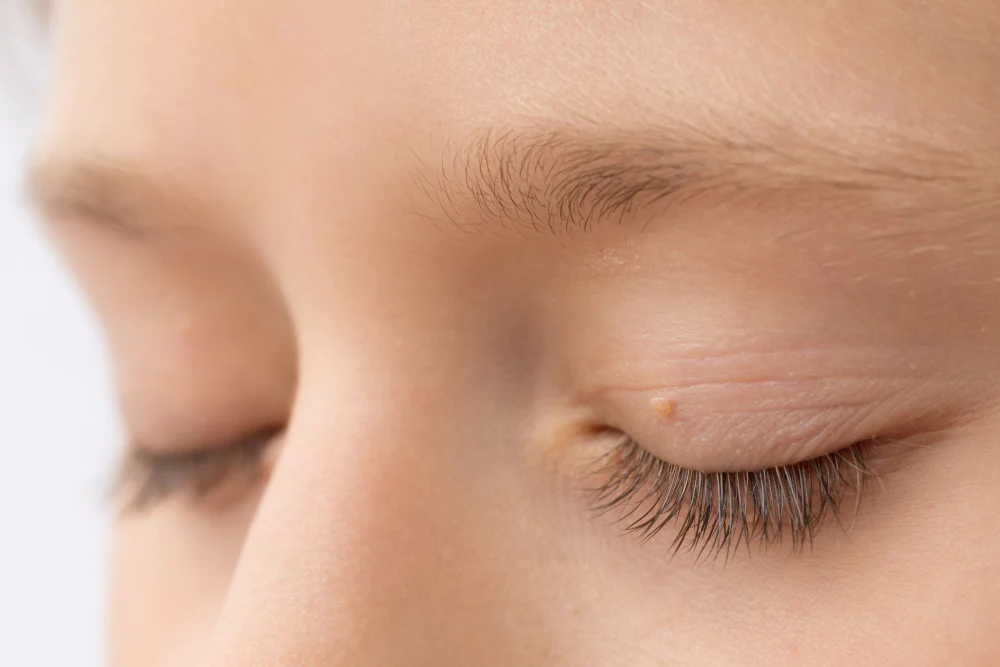
What are the potential risks and side effects of skin tag removal, and how can they be minimised?

Skin tags are common, harmless growths that can be removed for cosmetic or comfort reasons. While skin tag removal is generally safe and straightforward, there are some potential risks and side effects to be aware of. In this blog post, we'll discuss the possible risks associated with skin tag removal and how they can be minimised with the help of an expert dermatologist at Revitalise London Dermatology Clinic.

Possible Risks and Side Effects

Some of the potential risks and side effects of skin tag removal include:

Bleeding: Depending on the size and location of the skin tag, there may be some bleeding during the removal process.

Infection: Any time the skin is broken, there is a risk of infection. Proper aftercare is essential to minimise this risk.

Scarring: While most skin tag removal methods result in minimal scarring, some methods may cause more visible scarring.

Pain: While the procedure is generally painless, there may be some discomfort or tenderness during the healing process.

Minimizing Risks and Side Effects

Fortunately, the risks and side effects of skin tag removal can be minimized with the help of an experienced dermatologist. At Revitalise London Dermatology Clinic, our dermatologists use safe and effective methods to remove skin tags while minimizing the risk of complications. Some of the ways we minimize risks and side effects include:

Proper assessment and diagnosis: Before any treatment is administered, our dermatologists will assess and diagnose the skin tag to ensure that the best course of treatment is chosen for the specific case.

Sterile environment: Our dermatologists ensure that the removal procedure is performed in a sterile environment to minimize the risk of infection.

Skilled technique: Our dermatologists use skilled and precise techniques to minimize bleeding and scarring during the removal process.

Comprehensive aftercare: Our dermatologists provide comprehensive aftercare instructions to ensure proper healing and minimize the risk of infection or other complications.

Conclusion

While skin tag removal is generally safe and straightforward, it's important to be aware of the potential risks and side effects. By choosing an experienced dermatologist at Revitalise London Dermatology Clinic, you can minimize these risks and achieve safe and effective skin tag removal with minimal discomfort and scarring. Contact us today to schedule a consultation with one of our expert dermatologists.

Read more...

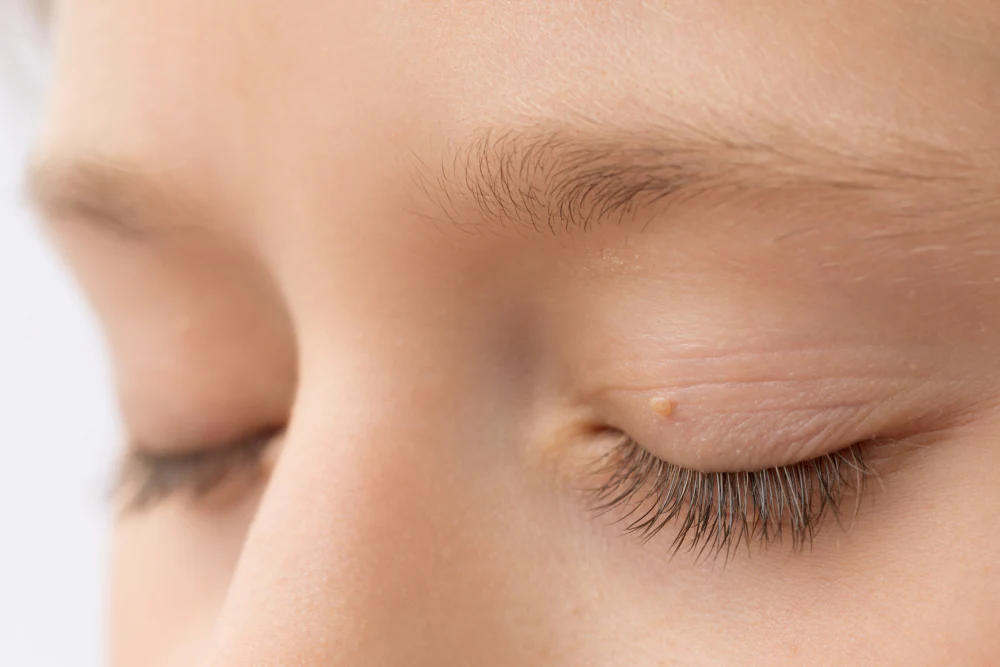
How do you care for the area after a eyelid skin tag removal, and how long does it take to heal?

Eyelid skin tags are common and can be unsightly or irritating, but they can be safely removed with the help of an experienced dermatologist. After the removal of an eyelid skin tag, proper care is essential for optimal healing and to minimize the risk of infection or other complications. In this blog post, we'll discuss how to care for the area after an eyelid skin tag removal and how long it takes to heal with the guidance of Revitalise London Dermatology Clinic.

Caring for the Area after Eyelid Skin Tag Removal

Immediately after the removal procedure, your dermatologist at Revitalise London Dermatology Clinic will provide you with specific aftercare instructions tailored to your needs. However, here are some general guidelines to follow:

Keep the area clean and dry: Avoid getting the area wet for the first 24 hours after the procedure. After that, you can gently wash the area with mild soap and water.

Avoid touching the area: Try not to touch the area with your hands, as this can increase the risk of infection.

Apply a healing ointment: Your dermatologist may recommend an ointment or cream to help promote healing and prevent infection.

Use a cold compress: If you experience swelling or discomfort, a cold compress can help alleviate these symptoms.

Avoid strenuous activity: It's important to avoid strenuous activity for the first few days after the procedure to minimize the risk of bleeding or other complications.

Healing Time for Eyelid Skin Tag Removal

The healing time for eyelid skin tag removal varies depending on the individual case and the removal method used. However, most patients can expect to experience some redness, swelling, and mild discomfort for the first few days after the procedure. The healing process typically takes about 1-2 weeks, and your dermatologist at Revitalise London Dermatology Clinic will monitor your progress and provide guidance on when it's safe to resume normal activities.

Conclusion

Proper aftercare is essential for optimal healing and to minimize the risk of complications after eyelid skin tag removal. By following the guidance of an experienced dermatologist at Revitalise London Dermatology Clinic, you can ensure that the area heals safely and quickly. Contact us today to schedule a consultation and learn more about our safe and effective eyelid skin tag removal procedures.

Read more...

Can skin tags be prevented from occurring in the first place, and if so, how?

Skin tags are a common skin condition that can be unsightly or irritating, and while they are harmless, many people seek ways to prevent them from occurring in the first place. In this blog post, we'll discuss the causes of skin tags and provide tips from Revitalise London Dermatology Clinic on how to prevent them.

What Causes Skin Tags?

Skin tags are small, benign growths that can appear on various parts of the body, including the neck, armpits, and groin area. While the exact cause of skin tags is unknown, they are believed to be related to friction, pressure, and other skin irritations. People who are overweight, diabetic, or pregnant are more likely to develop skin tags, as are those who have a family history of the condition.

How to Prevent Skin Tags

Maintain a healthy weight: Excess weight can increase the risk of skin tags, so maintaining a healthy weight through a balanced diet and regular exercise can help prevent their occurrence.

Avoid skin irritation: Avoid tight-fitting clothing and jewelry that can rub against the skin and cause irritation, which can lead to the development of skin tags.

Keep the skin dry: Moisture can contribute to skin irritation and the development of skin tags, so be sure to keep your skin dry, especially in areas where there is a lot of friction.

Avoid smoking: Smoking can increase the risk of skin irritation and the development of skin tags, so quitting smoking can help prevent their occurrence.

See a dermatologist: Regular check-ups with a dermatologist at Revitalise London Dermatology Clinic can help identify skin tags early and provide treatment options to prevent them from getting larger or multiplying.

Conclusion

While skin tags are generally harmless, they can be unsightly or irritating. By following these tips from Revitalise London Dermatology Clinic, you can help prevent the occurrence of skin tags and maintain healthy skin. If you already have skin tags, our experienced dermatologists can provide safe and effective removal options. Contact us today to schedule a consultation and learn more about our skin tag removal procedures.

Read more...

After Skin Tag Removal: What Patients Can Expect at Revitalise London Dermatology Clinic

Skin tags are a common skin condition that can be bothersome or unsightly, and many people seek removal for cosmetic or comfort reasons. At Revitalise London Dermatology Clinic, our Consultant Dermatologists provide safe and effective skin tag removal procedures using the latest techniques. In this blog post, we'll discuss what patients can expect after skin tag removal at our clinic.

Skin Tag Removal Procedure

Skin tag removal at Revitalise London Dermatology Clinic is a quick and straightforward procedure that can be done in the office. Our dermatologists use various techniques such as surgical excision, cryotherapy, or electrocautery to remove skin tags safely and effectively. The method used will depend on the size, location, and number of skin tags to be removed.

After Skin Tag Removal

After the procedure, patients can expect some mild discomfort, redness, and swelling in the treated area. However, this should subside within a few days. The dermatologist will provide specific instructions on how to care for the treated area, which may include keeping the area clean and dry, applying topical ointments or creams, and avoiding certain activities that may irritate the skin.

Most patients can resume their normal activities immediately after the procedure, but it is essential to avoid strenuous exercise or activities that cause sweating or friction in the treated area for a few days.

Patients should also avoid picking at the treated area or scratching it, as this can cause infection or scarring. The dermatologist will schedule a follow-up appointment to monitor the healing process and ensure there are no complications.

Conclusion

At Revitalise London Dermatology Clinic, our Consultant Dermatologists provide safe and effective skin tag removal procedures using the latest techniques. After the procedure, patients can expect some mild discomfort and redness, but this should subside within a few days. It is essential to follow the dermatologist's specific instructions on how to care for the treated area to promote proper healing. If you have skin tags that are bothering you, contact us today to schedule a consultation and learn more about our skin tag removal procedures.

Read more...

Choosing a Reputable Skin Tag Removal Clinic in London

If you have skin tags that are causing discomfort or affecting your appearance, you may be considering skin tag removal. However, choosing the right skin tag removal clinic is essential for a safe and effective procedure. In this blog post, we'll discuss some tips for choosing a reputable skin tag removal clinic in London, as recommended by the experts at Revitalise London Dermatology Clinic.

Look for qualified and experienced dermatologists

The first and most crucial factor to consider when choosing a skin tag removal clinic is the qualifications and experience of the dermatologists. Look for a clinic that has board-certified dermatologists with specialized training and experience in skin tag removal procedures.

At Revitalise London Dermatology Clinic, our Consultant Dermatologists are fully accredited and experienced in performing skin tag removal procedures using the latest techniques.

Check for accreditation and certifications

It's essential to choose a skin tag removal clinic that is accredited and certified by reputable organisations such as the Care Quality Commission (CQC) or the British Association of Dermatologists (BAD). These accreditations and certifications ensure that the clinic meets high standards of care and safety.

Consider the clinic's reputation

Research the clinic's reputation by checking reviews and testimonials from previous patients. A reputable clinic should have positive reviews and feedback from satisfied patients.

At Revitalise London Dermatology Clinic, we pride ourselves on our excellent reputation and positive reviews from our patients.

Ask about the techniques and equipment used

Before choosing a skin tag removal clinic, ask about the techniques and equipment used for the procedure. The clinic should use advanced and up-to-date techniques and equipment to ensure a safe and effective procedure.

At Revitalise London Dermatology Clinic, we use various techniques such as surgical excision, cryotherapy, or electrocautery to remove skin tags safely and effectively, depending on the size, location, and number of skin tags to be removed.

Conclusion

Choosing a reputable skin tag removal clinic in London is essential for a safe and effective procedure. Look for a clinic with qualified and experienced dermatologists, accreditations and certifications, a good reputation, and advanced techniques and equipment. At Revitalise London Dermatology Clinic, we meet all these criteria and provide safe and effective skin tag removal procedures using the latest techniques. Contact us today to schedule a consultation and learn more about our skin tag removal services.

Read more...
Please enable JavaScript in your browser to complete this form.